

In the high-stakes world of HVAC management, efficiency is often debated through SEER ratings and smart thermostats. Yet, a silent guardian—the capacitor—dictates whether an AC condenser unit operates as a precision machine or an energy-draining liability.
An AC condenser unit needs a strong burst of torque to beat the inertia of the compressor and fan motors. Starting capacitors give the first electrical push to move from still to full speed. After that, the run capacitor keeps a steady, shifted phase of electricity. Thus, it helps the motor run smoothly. It also keeps the motor in line with the power supply.
Efficiency mainly means cutting down waste. A good-quality capacitor serves as a nearby energy store. It evens out voltage changes. This nearby steadying stops the motor from always adjusting to power drops. As a result, it removes this uneven electrical action. Therefore, the overall kilowatt-hour use of the condenser unit has fallen a lot.
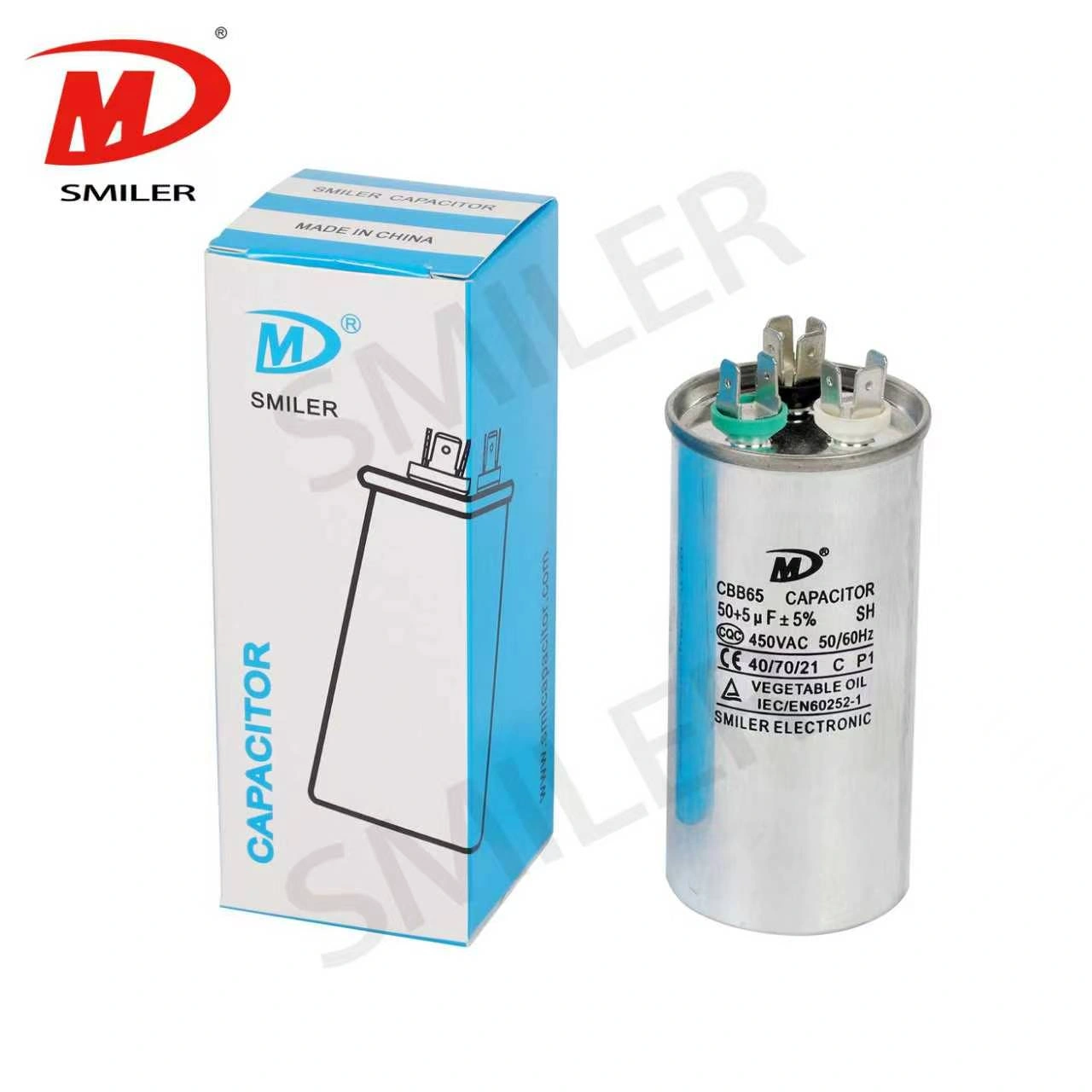
AC motors achieve peak efficiency when stator magnetic fields are perfectly timed. Metallized film capacitors facilitate a precise phase shift in motor windings, creating the optimal rotating magnetic field. This precision ensures maximum electrical energy converts into mechanical torque rather than dissipating as heat, allowing the compressor to perform at its engineered capacity.
Every capacitor has some Equivalent Series Resistance (ESR). Cheaper parts have high ESR. They change electrical energy into heat inside the case. In a tight AC condenser that already fights outside heat, this inner friction quickly wears down the dielectric material. So, it makes a power-sucking part that hurts motor work.
Capacitance accuracy, measured in microfarads (µF), cannot be ignored. A low-cost capacitor with a broad tolerance (e.g., ±10%) gives a charge a bit off from motor needs. This makes the motor labor more and gets hotter to reach the same cooling results. Thus, it causes an "efficiency creep" where energy bills climb even if the system seems to work fine.
The starting price of an electrical part is small compared to sudden repair visits. Cheap choices lack strong self-healing features. A small voltage spike can ruin a low-end unit for good. On the other hand, high-spec parts are built to spot faults and keep working. They stop unexpected stops and repeated replacement work.
When a run capacitor loses its charge ability, the compressor motor runs with high "slip." This means the mechanical speed falls behind the magnetic field. As a result, the compressor pulls too much amperage. It leads to heat overload. Over time, it risks a $2,000 compressor over a worn-out $20 capacitor. This is a pricey mistake for facility managers.
If the starting capacitor weakens, the compressor undergoes "hard starting," struggling to turn over. This creates extreme bearing friction and puts immense thermal stress on internal copper windings. Repeated hard starts degrade winding insulation, eventually causing a short circuit that can burn out the entire motor assembly.
Keeping top efficiency calls for active checks. Technicians can watch capacitor health. They spot capacitance drift before a full system breakdown. Switching to industrial-grade parts makes sure the compressor always gets the right torque. This extends the life of the whole HVAC setup.
A loud humming or buzzing from the condenser unit strongly indicates electrical distress. This happens when the motor receives power but lacks the phase shift to turn the shaft. Visually, a capacitor subjected to severe thermal stress will "bulge" or "mushroom" at the top due to expanding internal gases, signaling imminent failure.
If the outdoor fan waits to start after the thermostat clicks, or if vent air cools only now and then, the capacitor likely fails to hold needed voltage. These work issues show a clear efficiency loss. The system uses too much energy in the high-draw start-up phase. It does not focus on steady cooling.
Expert maintenance must cover capacitance testing. A part rated for 45µF but showing 38µF acts like a useless weight. It cuts system efficiency a lot, even if the unit keeps running. Swapping drifting units with high-precision film capacitors brings back factory-level performance right away.
When selecting replacements, exact matches matter. The voltage rating (like 370V or 440V) is the maximum surge threshold; you can safely use a higher rating, but never lower. Crucially, the microfarad (µF) rating must perfectly match the motor's specifications to maintain the AC condenser's designed efficiency.
AC condensers face direct sunlight and harsh outside heat. Regular parts rated for 70°C break down fast in tough settings. Industrial choices, like the SMILER capacitor CBB65 capacitors, are made with 85°C high-temperature endurance. They keep dielectric materials steady during busy summer loads.
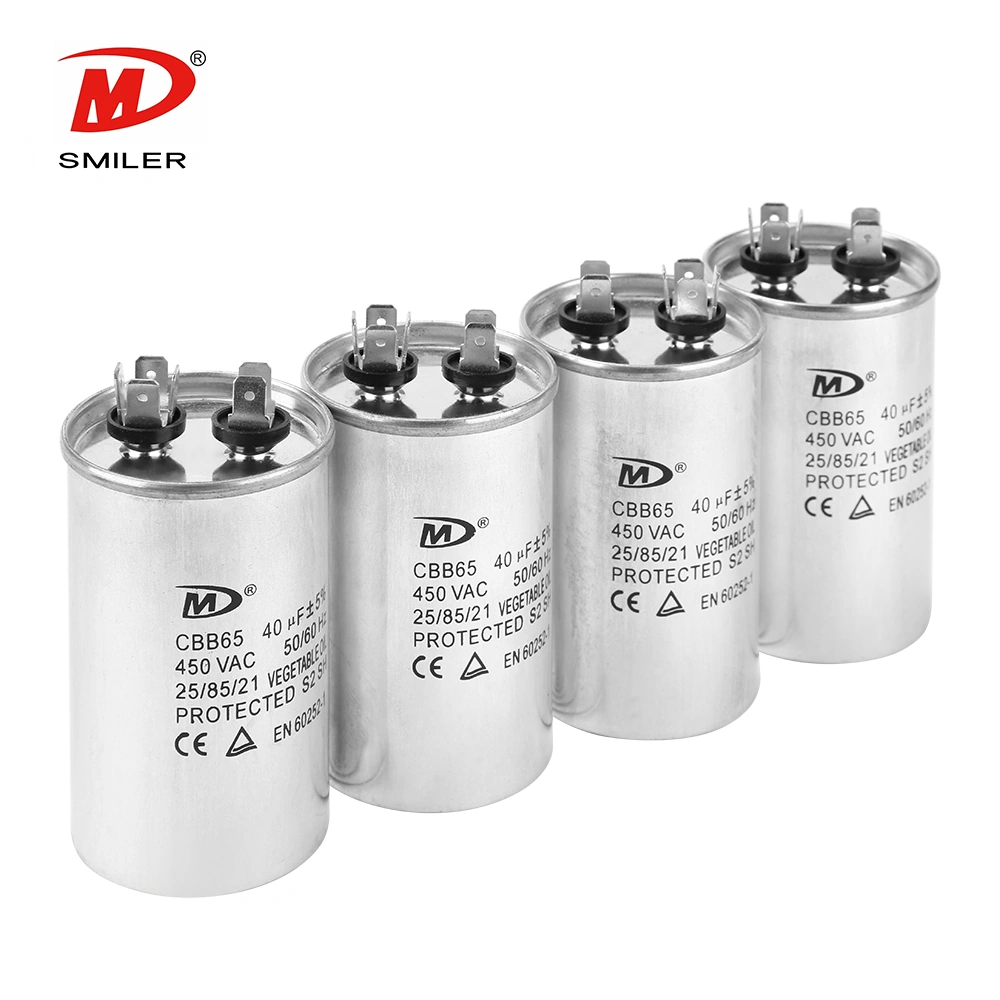
Moisture and salt air harm electrical parts on purpose. A better capacitor has a smooth aluminum case and a solid epoxy or oil seal. These block water entry. This build strength sets apart a basic 2,000-hour part from a 10,000-hour tough solution. It lowers the full cost of ownership greatly.
Supply chain trust comes from shown quality. SMILER capacitor has worked with Fortune Global 500 firms like Home Depot and Midea. This 15-year making skill meets the toughest world standards. It ensures every unit fits global safety and top performance rules.
For HVAC sellers and workers, high flaw rates cut profits. A strict 7-member quality team keeps an industry-leading product pass rate of over 99.93%. Thus, the SMILER capacitor lets service groups fit parts with confidence. It avoids early warranty fixes.
B2B buying often needs certain sizes or terminal styles for old condenser types. Unlike makers who require huge order amounts, SMILER capacitor gives custom options with low Minimum Order Quantities (MOQ). This ease lets local sellers keep top, fitted parts in stock. They do not overstock.
A: When it fails to give the right electrical phase shift, the condenser motor pulls more amperage to hold speed. This raises power use. It makes extra heat. It also makes the unit labor more for the same cooling. Overall, it drops the system's SEER rating a lot.
A: In normal conditions, they last 10 to 15 years. But in places always over 95°F, standard models may break in 3 to 5 years. Switching to tough-grade options like the SMILER capacitor CBB65 series, made for 85°C high-temperature tolerance, can stretch that life to nearly 10 years.
A: Yes. A microfarad (µF) rating that is too high or too low throws off the motor's magnetic field. This leads to more shaking, higher running heat, and electrical strain on the windings. In time, it causes early motor failure and expensive fixes.
A: This common sign shows that electrical current reaches the motor. But without a working capacitor to give starting torque, the motor cannot turn. Swapping the bad part with a trusted SMILER capacitor CD60 or CBB65 often fixes it at once.
A: It depends on the original AC setup. A dual run model aids both the compressor and fan motor in one case. It saves room. If the system uses separate parts, keep that setup. Matching voltage and µF ratings to original specs matters more than the case type.
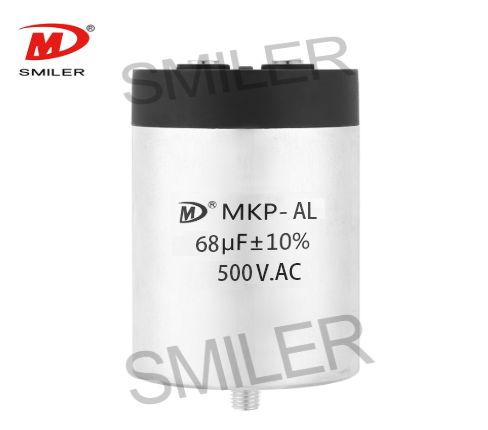
Exploring How AC Capacitors and DC Capacitors Function Differently
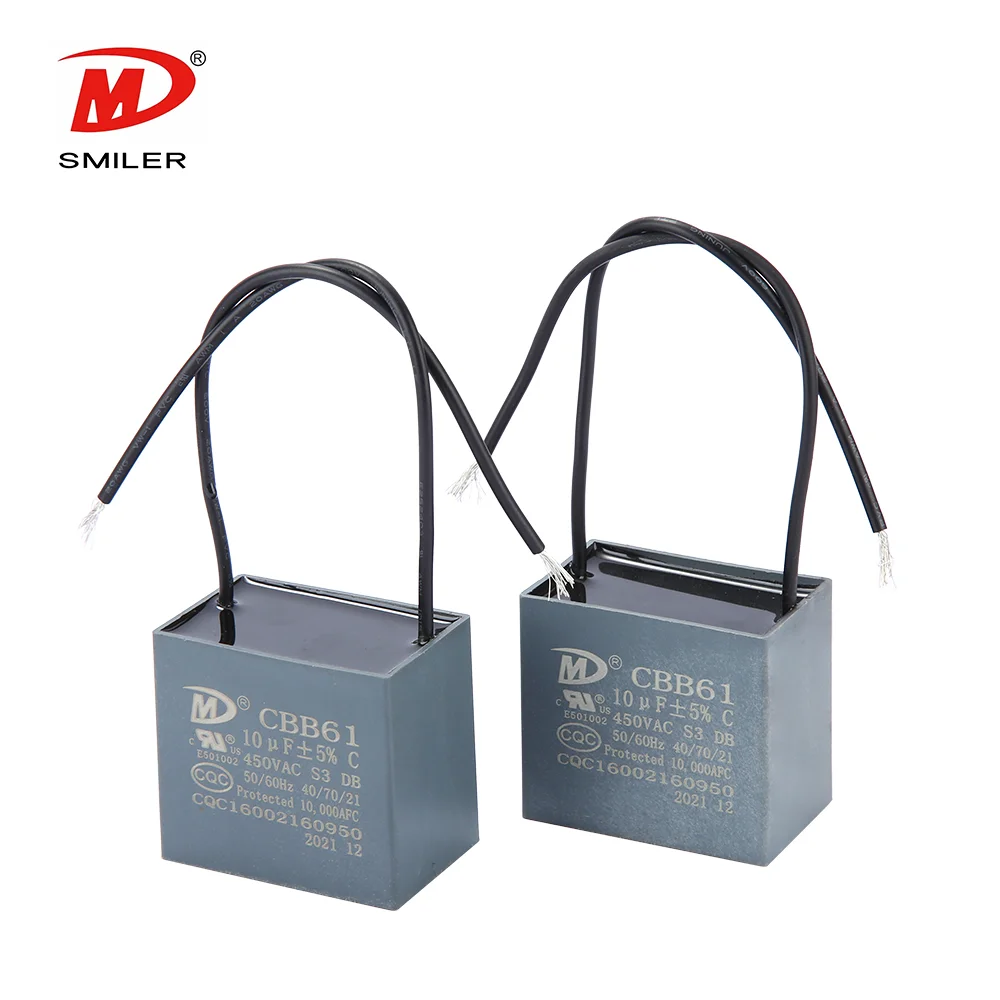
What Does a CBB61 Fan Capacitor Do? Exploring the Role of CBB61 Fan Capacitors
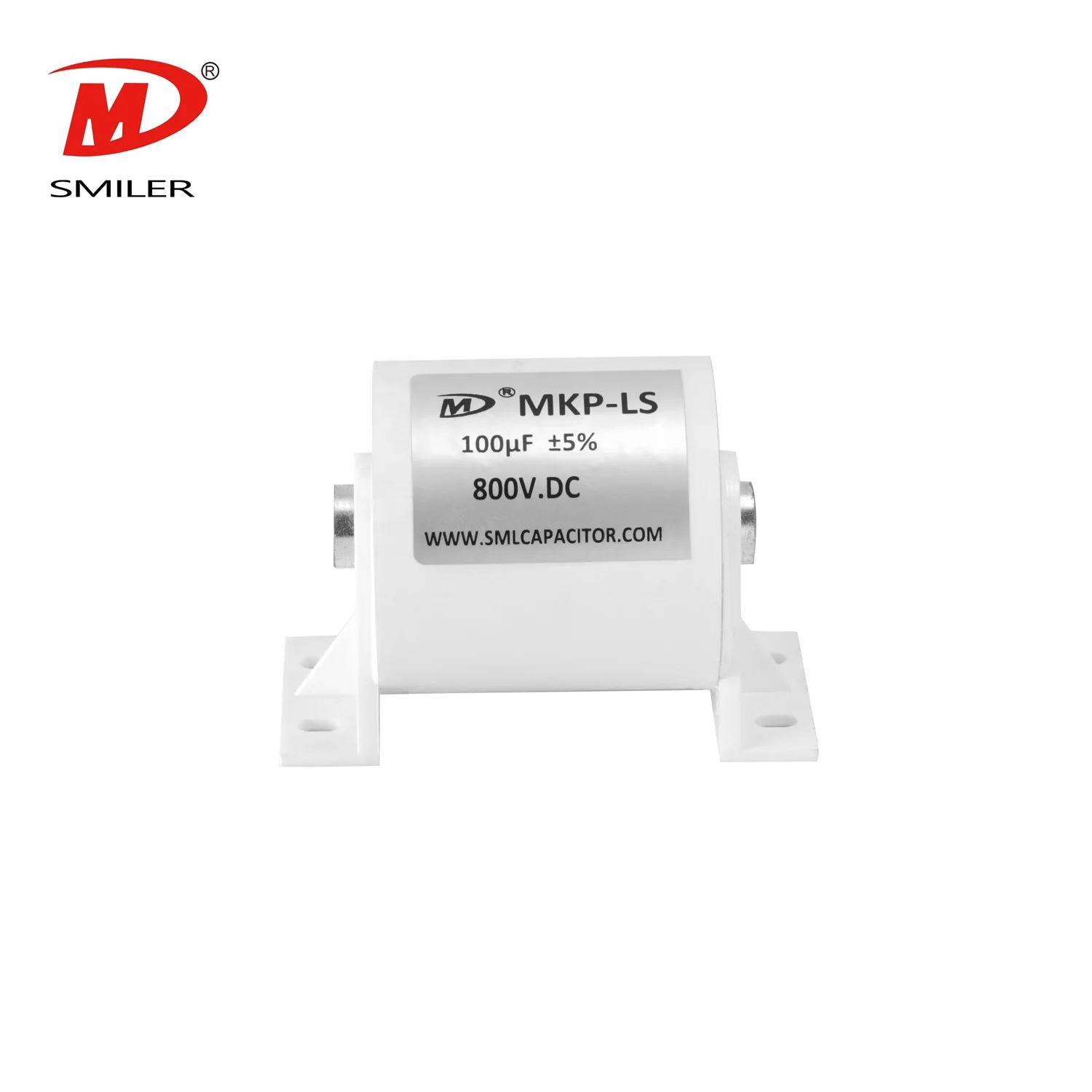
What Drives AC Capacitor Cost? A Comparison with DC Capacitors
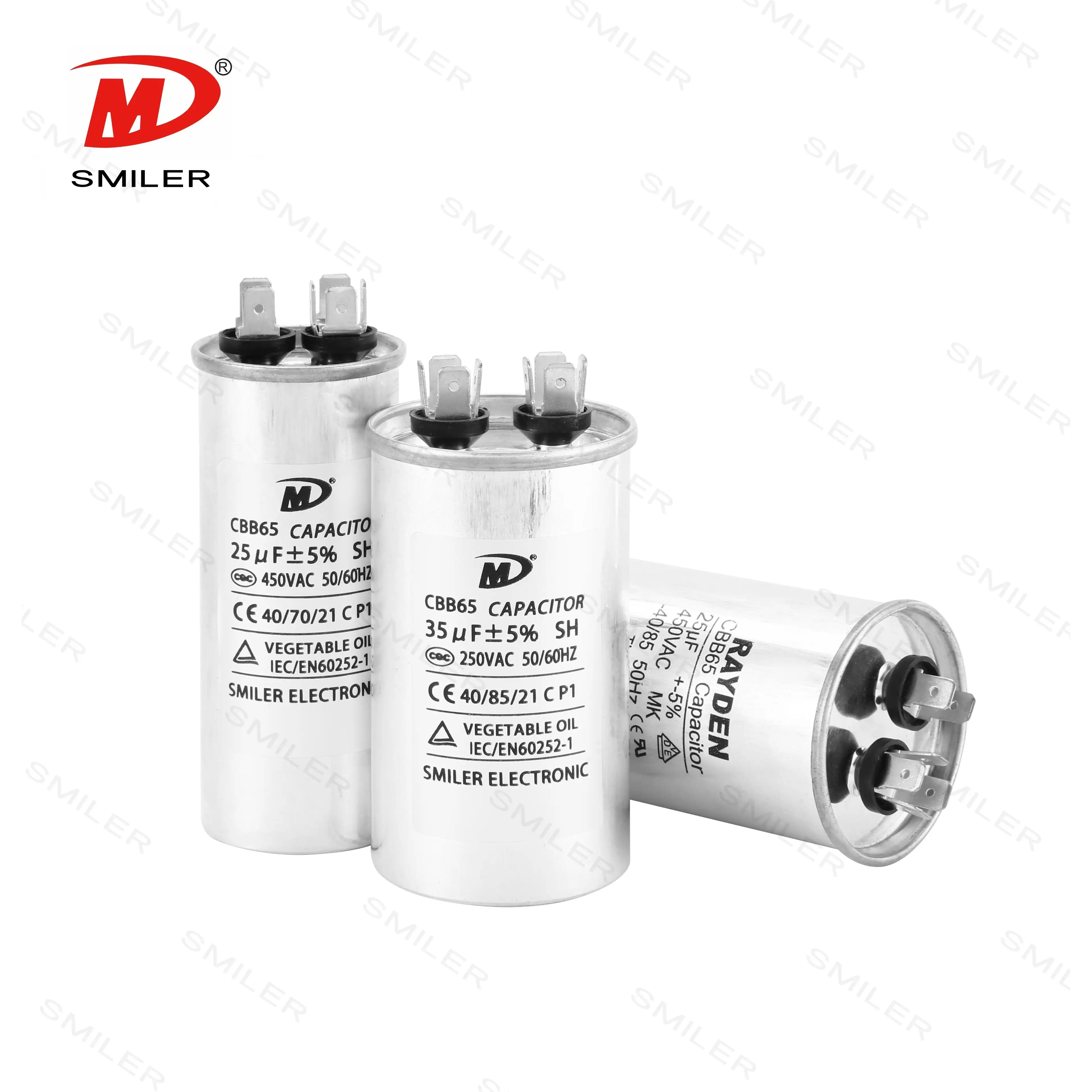
AC Condenser Unit: Top 5 Run Capacitor Signs in 2026
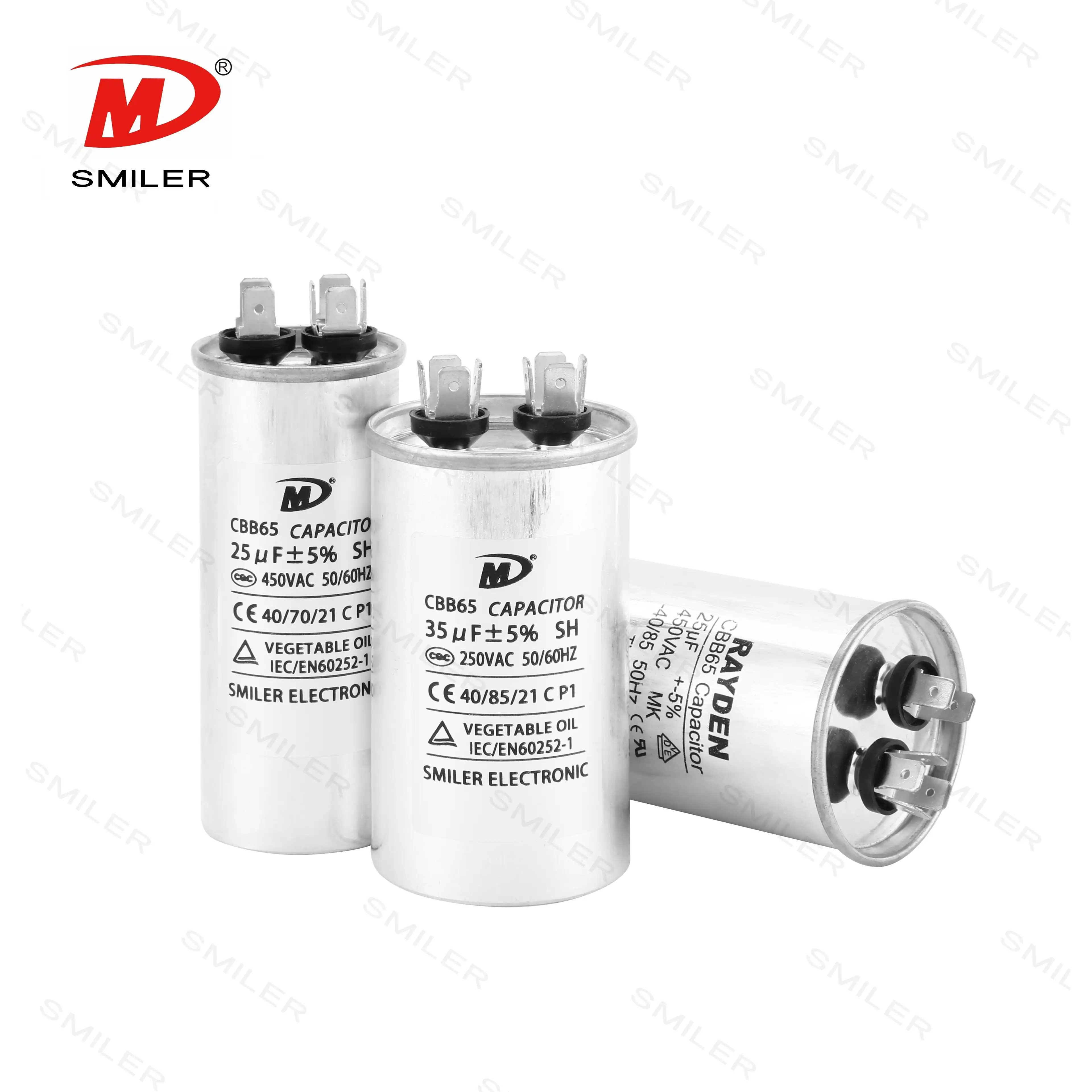
AC Condenser Unit Repair: Best CBB65 Capacitor Guide 2026


 Add
Building 12,Huazhi Technology Innovation Center,28 Sanle East Road,Beijiao,Foshan,Guangdong,China
Add
Building 12,Huazhi Technology Innovation Center,28 Sanle East Road,Beijiao,Foshan,Guangdong,China
 Phone
+86 18007576965 / 0757-22391591
Phone
+86 18007576965 / 0757-22391591
 Email
ari@sml-cap.cn
Email
ari@sml-cap.cn



