

When a homeowner or HVAC technician notices a capacitor leaking oil, it is more than a simple upkeep issue. It signals a major system problem. The dielectric fluid within these parts works to insulate and cool the inner elements. If the seal breaks, the whole cooling setup loses its reliability.
Fluid from a damaged case can gather near key electrical links. The oil is usually a non-conductive dielectric type. However, its appearance shows that the inside insulation has broken down. This leaves electrical sparks open to the air and nearby dirt. As a result, the chance of an electrical fire rises sharply. Also, contacting a covered area without grounding can cause serious shocks. These parts hold high-voltage charges even after the power shuts off.
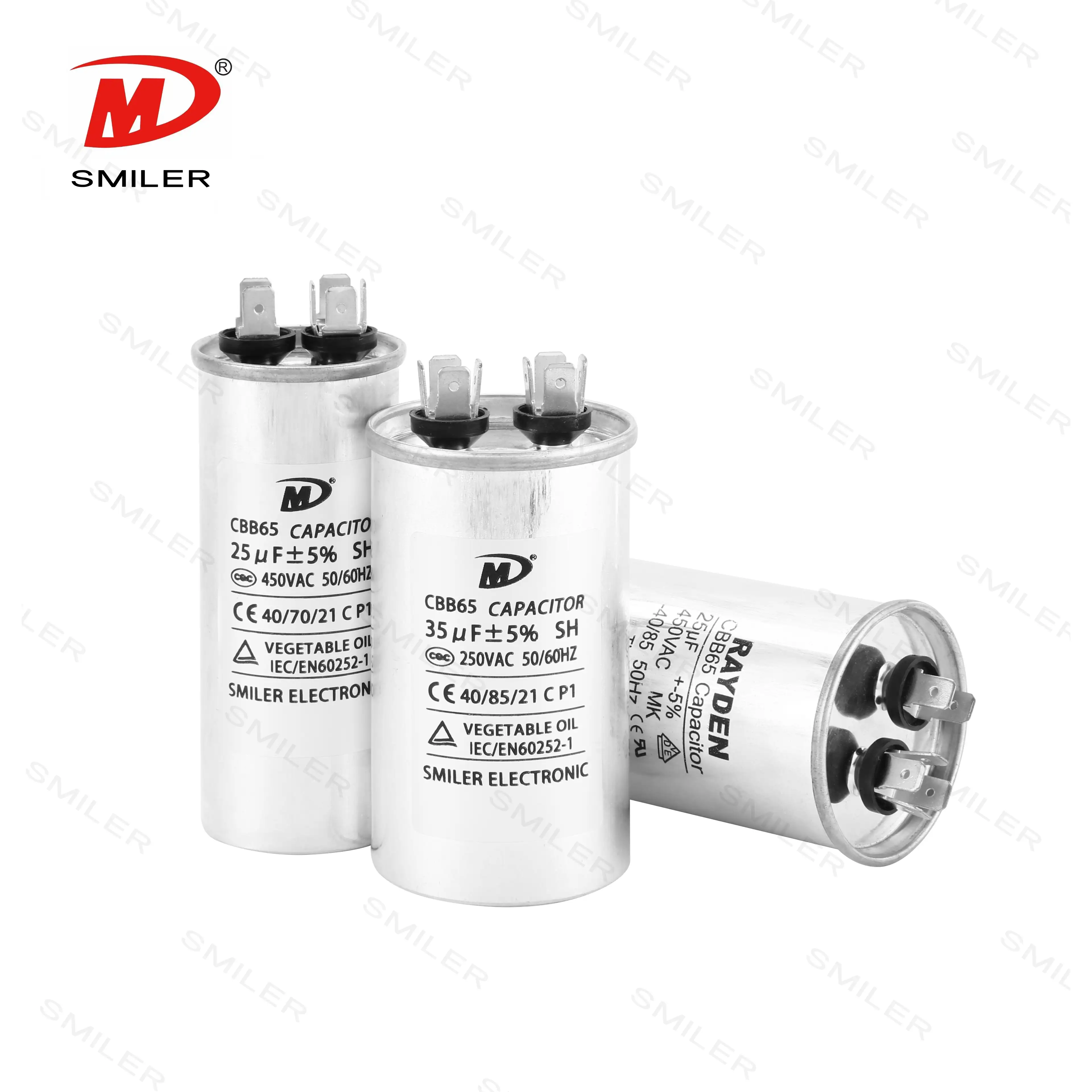
A run capacitor gives the steady power boost that your AC compressor requires for smooth work. When you face a capacitor leaking oil, it can no longer store charge properly. The compressor then pulls too much current to make up for the low voltage. This causes the compressor to get too hot. It quickly wears out the inner motor parts. If you ignore the leak, a small fix turns into a big breakdown. You may need a brand-new compressor.
Knowing the main reasons for a capacitor leaking oil aids in better upkeep plans and picking stronger spare parts.
HVAC units face their toughest loads in hot summer periods. Capacitors sit in metal boxes exposed to sunlight and heat from the condenser coil. If temperatures go beyond the part's heat limit, the fluid inside swells. It creates high pressure within. Eventually, the case cracks and leaks.
Unsteady power from the grid, lightning hits, or quick surges send too much voltage through the HVAC system. This rush damages the fine inner layers of foil and paper. A short circuit follows. It produces strong heat inside. The oil boils, and the pressure valve—or the case—gives way.
All mechanical and electrical items wear out over time. After many years and countless start-stop cycles, the seals and casings get weak. A capacitor leaking oil in an old unit often marks the end of its normal wear.
Spotting a failing part before it bursts saves effort, cash, and worry. Watch for these signs in operation.
If the outdoor condenser makes a clear buzz, hum, or click but the fan does not turn, the motor has trouble starting. This points to a low charge. It often happens just before a break.
A good round capacitor shows a flat top. If you check and see a rounded, puffed, or mushroom-like top, the gases inside have grown. This comes right before a capacitor leaks oil.
Does your air conditioner pause before starting, or shut off soon after running? This short cycling means the compressor heats up from poor voltage, helped by the failing storage unit.
Safety comes first. Always follow standard HVAC safety steps before handling a damaged electrical item.
Do not trust just the thermostat switch. Go to the main electrical panel. Turn off the breaker for your AC unit. Also, remove the disconnect block in the small box on the outside wall by the condenser.
With power off, a capacitor leaking oil may still carry a deadly charge. Wear thick insulated gloves and safety glasses. Take a screwdriver with a strong, insulated handle. Bridge the terminals with it. This releases any leftover energy safely.
After it is safe, clean off any risky residue to read the label. Record the microfarad value, like 35/5 µF, and the voltage, such as 370V or 440V. These details matter for finding the right replacement.
Many owners ask if a quick fix works. The facts show it does not.
These parts seal tightly at the factory in a vacuum. No opening exists to add fluid back. Gluing the aluminum case with epoxy fails to fix the inner mix. A capacitor leaking oil is beyond saving.
From a money view, the choice is clear. Keeping the system running will wreck the compressor. That part costs thousands to swap. Replacing the bad item right away saves the most in the long run.
Replacement parts differ in quality. Better tech offers the strongest shield against breakdowns later.
For a new unit, the capacitance in µF must equal the old one exactly. You can use a higher voltage replacement, like 440V for a 370V. It just handles more electrical pressure safely.
Standard electrolytic and fluid-filled types tend to leak under heavy heat. To avoid this weak point, experts now use film tech. A quality SMILER capacitor employs a top metallized film build. It gives better heat resistance and skips the oily, risky leaks. Supported by 15 years of making experience and a top 99.93% pass rate, SMILER capacitor delivers custom options. These manage the strong start needs of single-phase motors easily. With a solid, dry-film setup used by big companies, your HVAC runs well. It avoids surprise oil breaks.
A: No. The system may try to start. But operating with a leaking capacitor makes the compressor work too hard. It overheats badly. In time, this damages the compressor motor beyond repair and costs a lot.
A: You must replace the part; fixes do not work. A good replacement, like a film capacitor, costs little. But a licensed HVAC tech for safe checks and setup usually charges $150 to $400, based on your area.
A: Yes. The fluid escape means the inner insulation failed. Under high work heat, sparks, and outside dirt, this mix raises the risk of an electrical fire in the condenser.
A: A broken unit gives off a strong chemical smell. People often say it resembles burning plastic, fried wiring cover, or a bitter-sweet metal scent from the AC condenser.
A: The dielectric fluid could evaporate over time or mix with dust into a sticky mess. But drying does not fix it. With the oil gone, the part cannot control voltage anymore. You need a replacement at once.
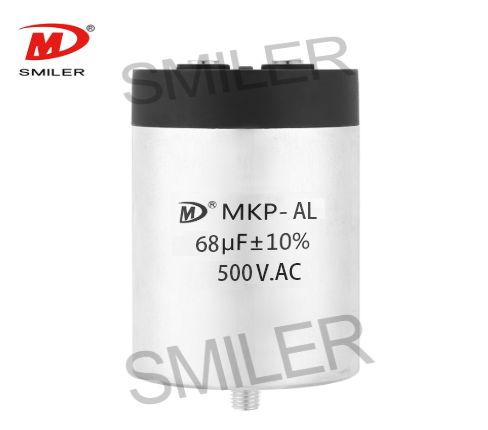
Exploring How AC Capacitors and DC Capacitors Function Differently
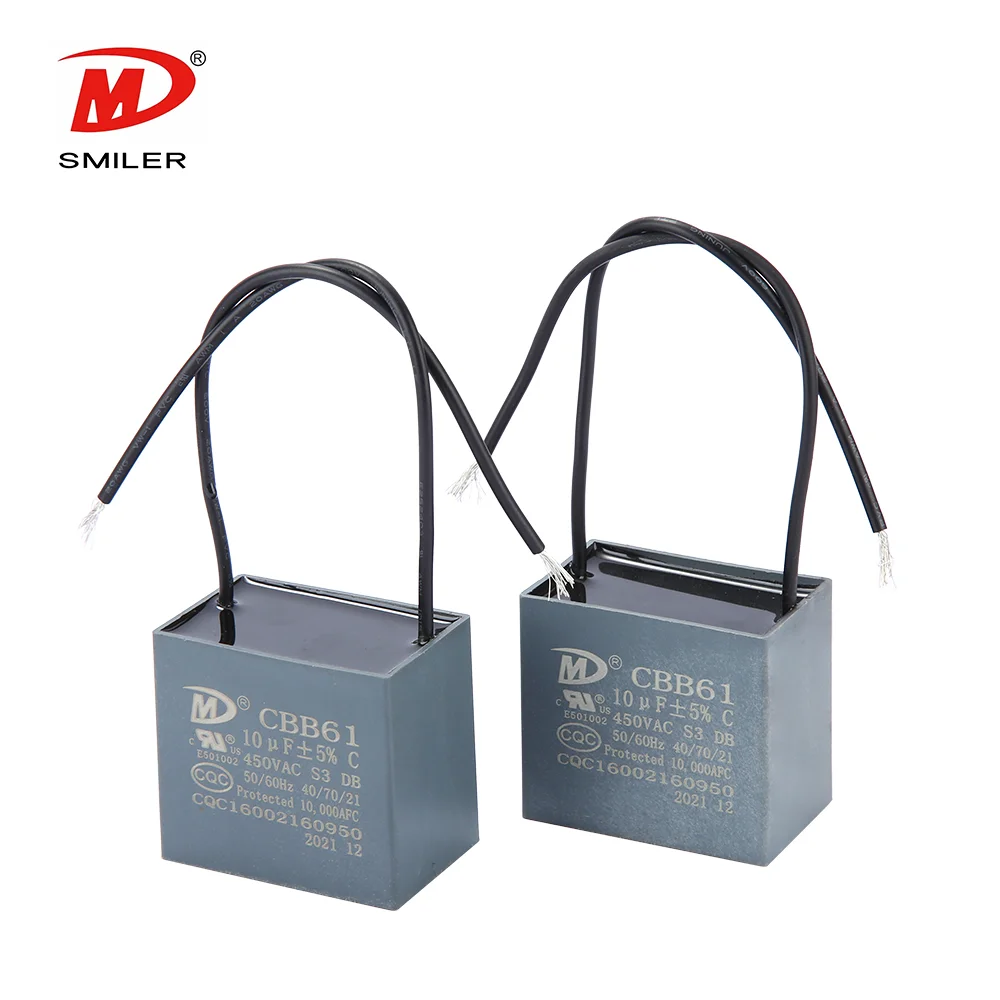
What Does a CBB61 Fan Capacitor Do? Exploring the Role of CBB61 Fan Capacitors
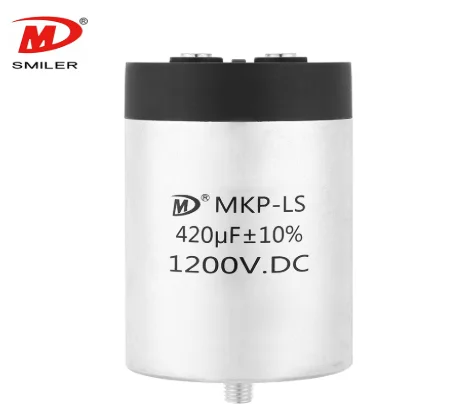
Mastering AC to DC Rectifier with Capacitor Techniques
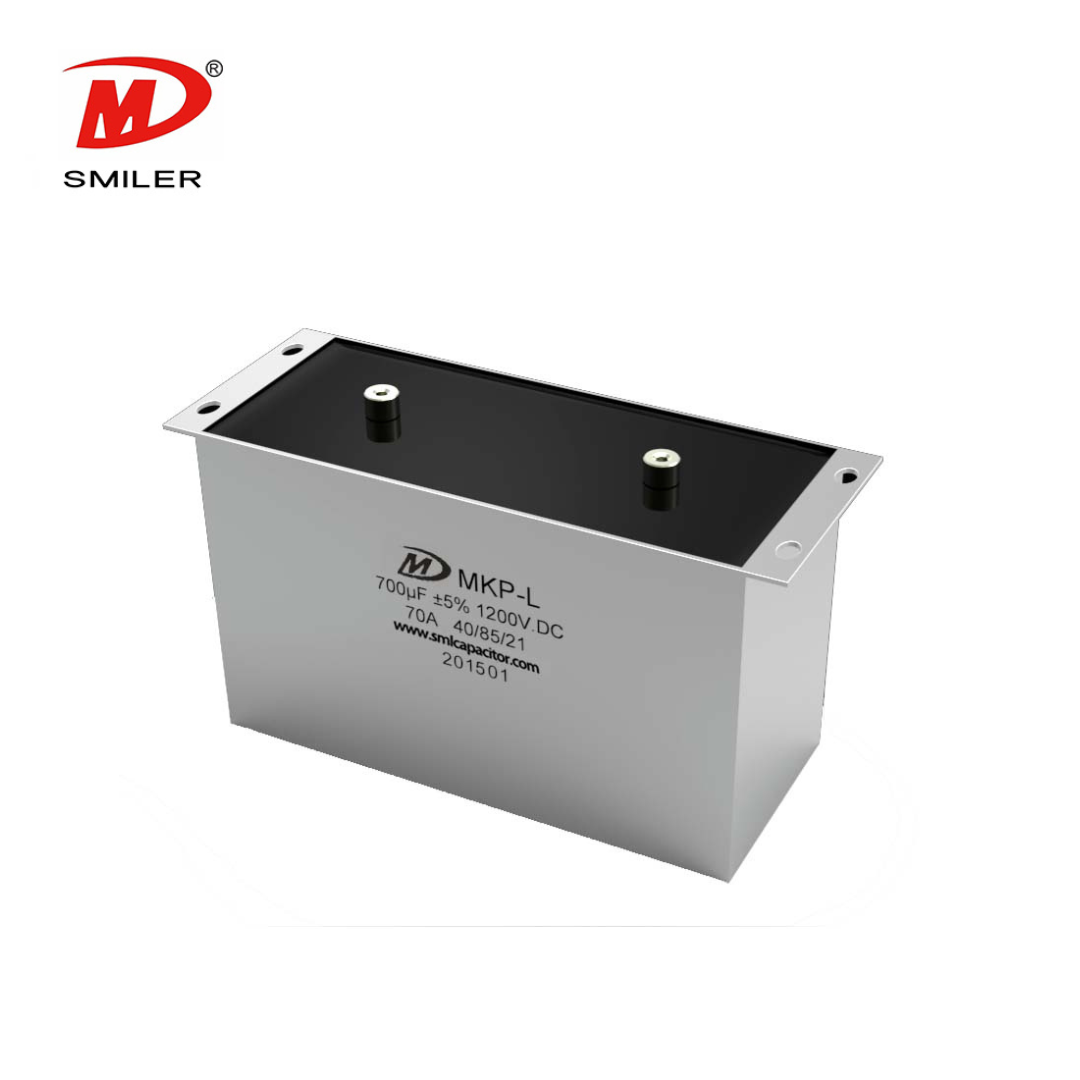
Exploring the Role of DC Link Capacitor Use in EV Power Systems
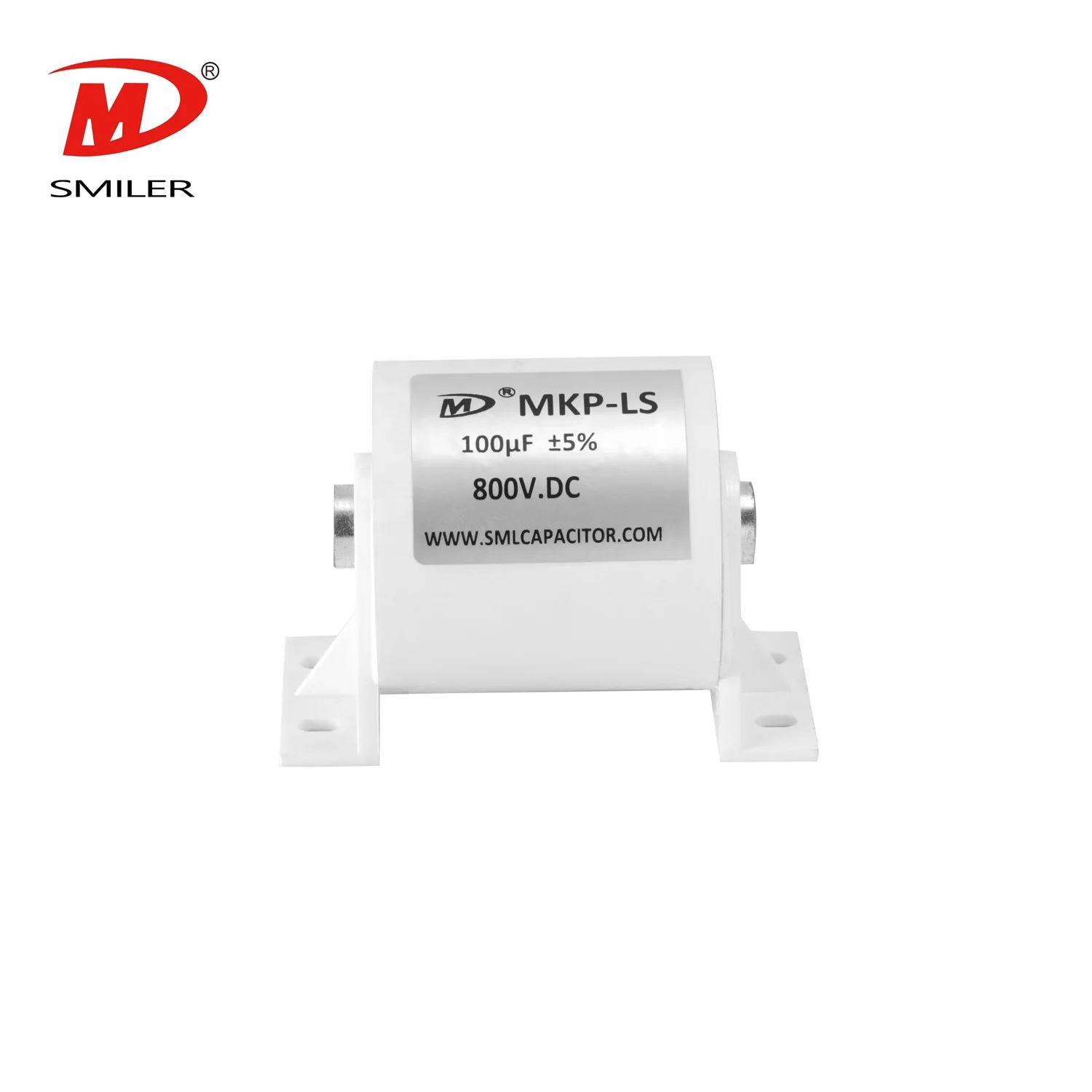
What Drives AC Capacitor Cost? A Comparison with DC Capacitors


 Add
Building 12,Huazhi Technology Innovation Center,28 Sanle East Road,Beijiao,Foshan,Guangdong,China
Add
Building 12,Huazhi Technology Innovation Center,28 Sanle East Road,Beijiao,Foshan,Guangdong,China
 Phone
+86 18007576965 / 0757-22391591
Phone
+86 18007576965 / 0757-22391591
 Email
ari@sml-cap.cn
Email
ari@sml-cap.cn



