

In modern power electronics, rapid switching frequencies create high di/dt conditions. When a semiconductor switch, such as an IGBT or MOSFET, turns off, the current drops abruptly. This sudden change reacts with the unavoidable stray inductance in the circuit, generating severe inductive voltage spikes according to the formula V = L * (di/dt). Without mitigation, these high-voltage transients go past the switch ratings. They put the whole system at risk. Knowing how to find the right snubber capacitor value forms the first step to reducing these swings.
Picking a random capacitance can hurt circuit performance. If the snubber capacitor value stays too small, it cannot store enough energy to hold the spike down. Semiconductors then face overvoltage. On the other side, a value that is too large builds up too much stored energy. This large value sends a heavy current through the switch at turn-on. Power loss moves to the part itself. Heat rises fast. System efficiency falls. Part of life shortens. A correct snubber capacitance calculation keeps spike control and heat in balance.
To theoretically calculate snubber capacitor value metrics, engineers often rely on the principle of energy conservation between inductive and capacitive elements. The energy trapped in the circuit's stray inductance, expressed as 0.5 * L_stray * I_peak^2, must be transferred to the snubber capacitor without causing the voltage to exceed a predefined safe margin, or Delta V. By restructuring the energy balance equation, the minimum required capacitance can be derived as C = (L_stray * I_peak^2) / (Delta V^2). This fundamental formula provides an initial benchmark for choosing a snubber capacitor, though it requires an accurate assessment of the system's parasitic inductance.
When stray inductance cannot be easily calculated, an empirical approach utilizing an oscilloscope offers a highly reliable alternative. First, measure the original ringing frequency, f1, of the un-snubbed voltage spike. Next, place a small trial capacitor across the switch and note the new, lower ringing frequency, f2. Because resonant frequency is inversely proportional to the square root of capacitance, comparing f1 and f2 allows you to determine the exact parasitic circuit capacitance. Once the circuit's internal parasites are mapped out, you can finalize your snubber capacitance calculation to achieve an optimally damped response, minimizing voltage overshoot without adding unnecessary capacitive loading.
Wide-bandgap parts like Silicon Carbide devices have changed converter designs. SiC switches turn on and off much faster than older silicon parts. Faster speed cuts switching loss but raises di/dt a lot. In SiC converters, a very large snubber capacitor value is seldom needed. The circuit needs a smaller and exact capacitance, plus very low stray inductance. Normal capacitors cannot handle the high pulse currents at these speeds. Special designs are required instead.
Heavy industrial inverters, wind systems, and variable frequency drives handle large currents. The energy stored in the busbars grows with the current level. These uses need a strong high pulse snubber capacitor plan. The part must take high ripple current and steady voltage stress. Choice moves from simple frequency tuning to picking an industrial part that keeps its value after many strong current hits.
After the numbers are set, the right dielectric matters most. Metallized polypropylene film capacitors are the common choice for snubber use. They show low dielectric loss and good high-frequency behavior. Film types also offer self-healing. If a small breakdown happens, the metal layer clears the fault area. The part keeps working. This trait makes film the top pick when choosing a snubber capacitor for reliable industrial modules.
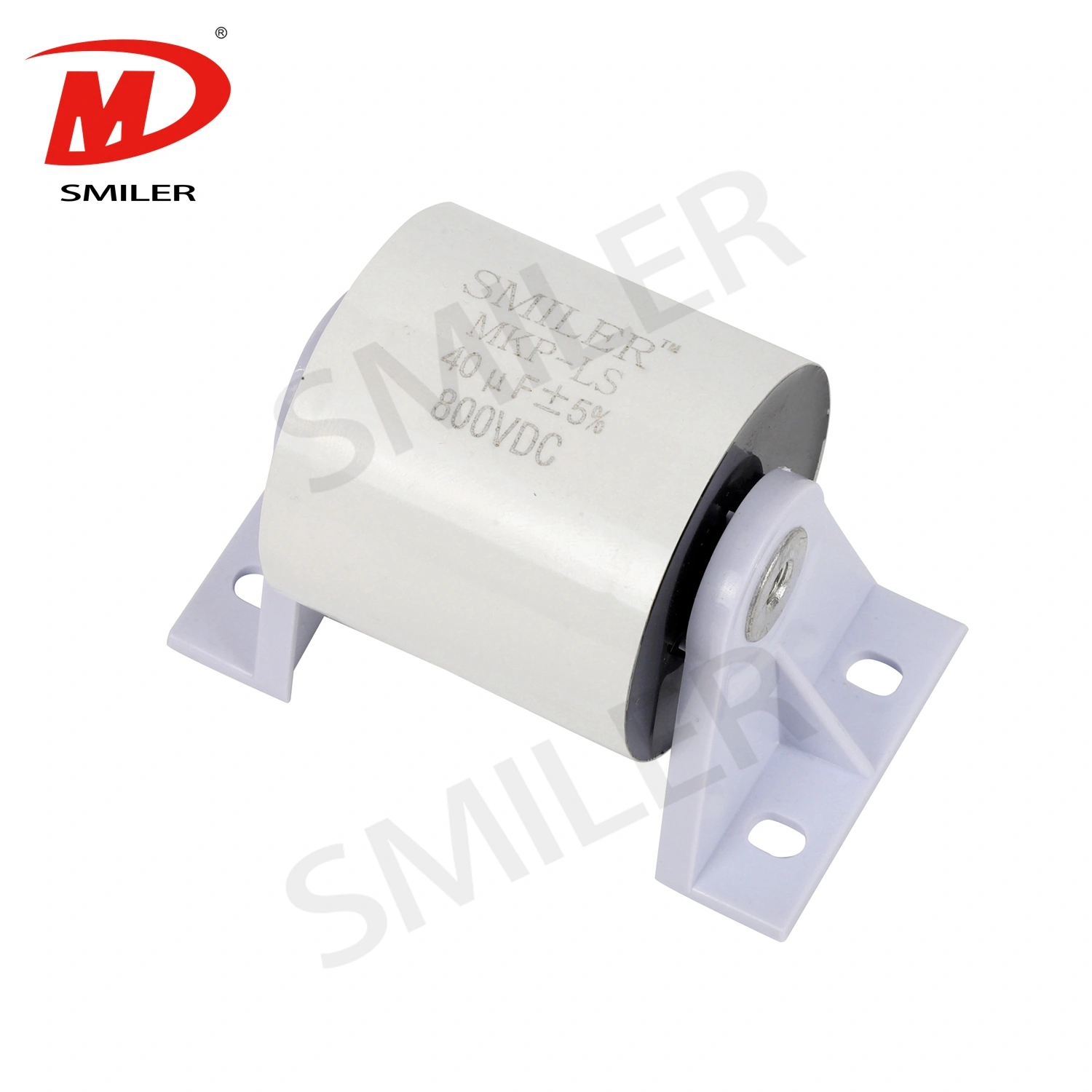
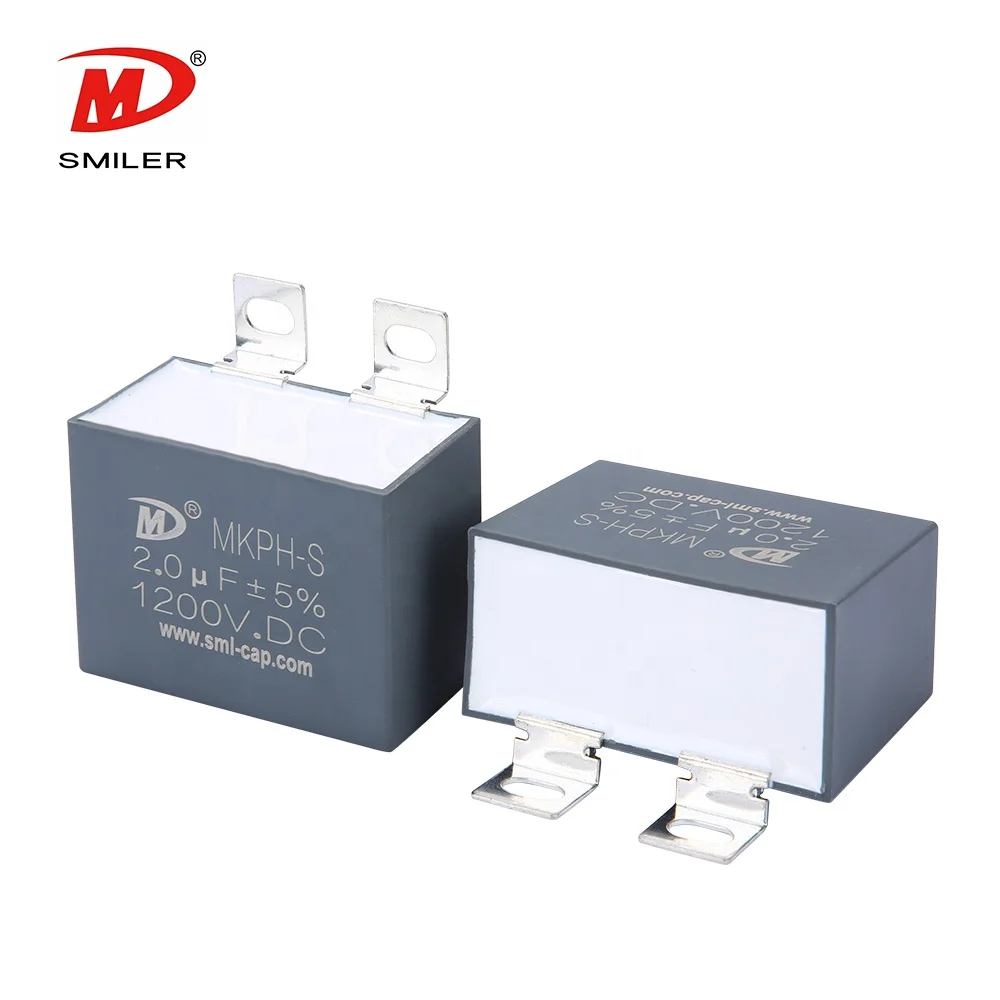
A good snubber capacitor value still fails if internal parasitics limit speed. High ESR creates extra heat under ripple current. High ESL slows the capacitor response to fast spikes. For tough IGBT buffer work, series like MKPH-S and MKPH-LS from SMILER capacitor use special internal layouts. These layouts give low self-inductance and low ESR. The part reacts quickly to clamp peak voltages.
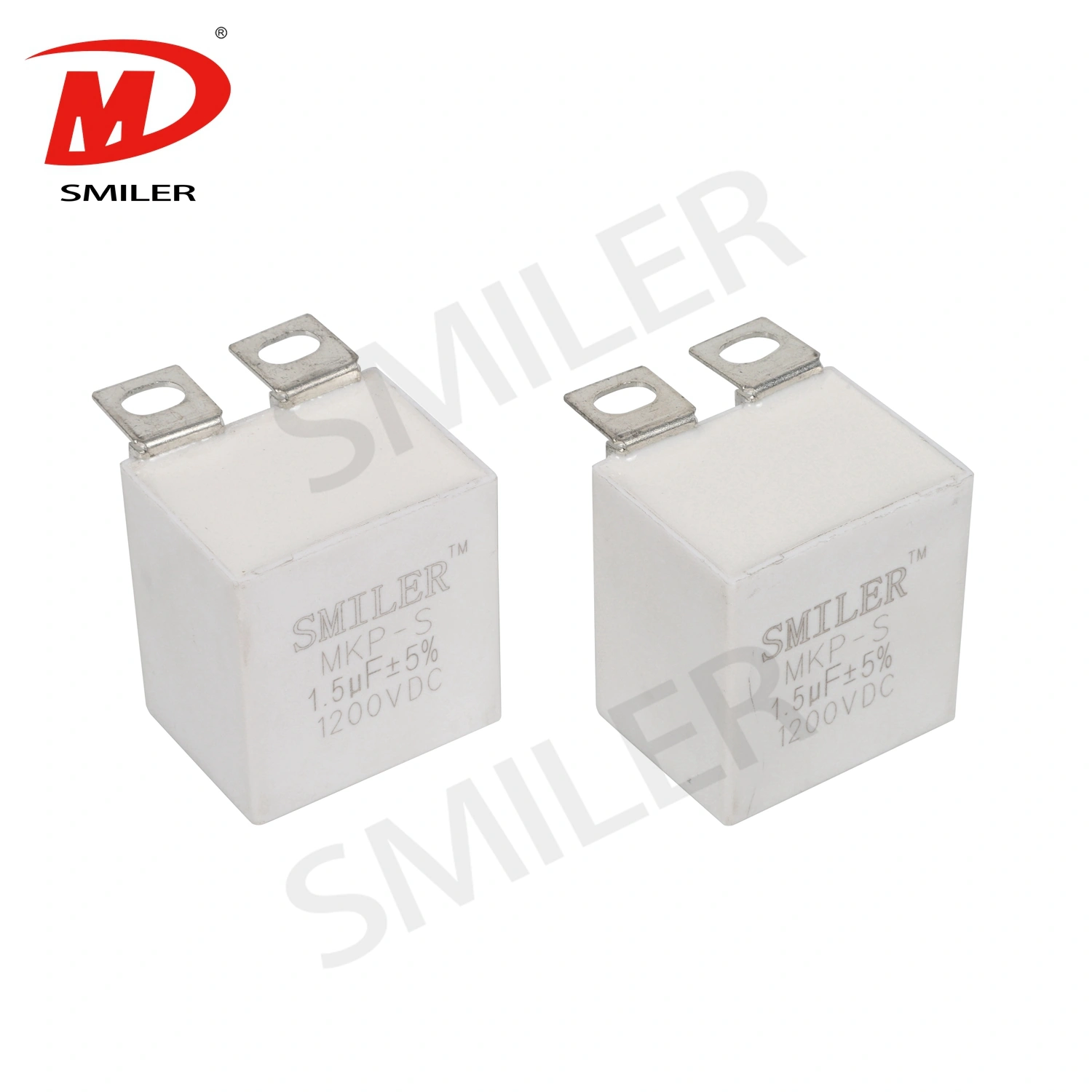
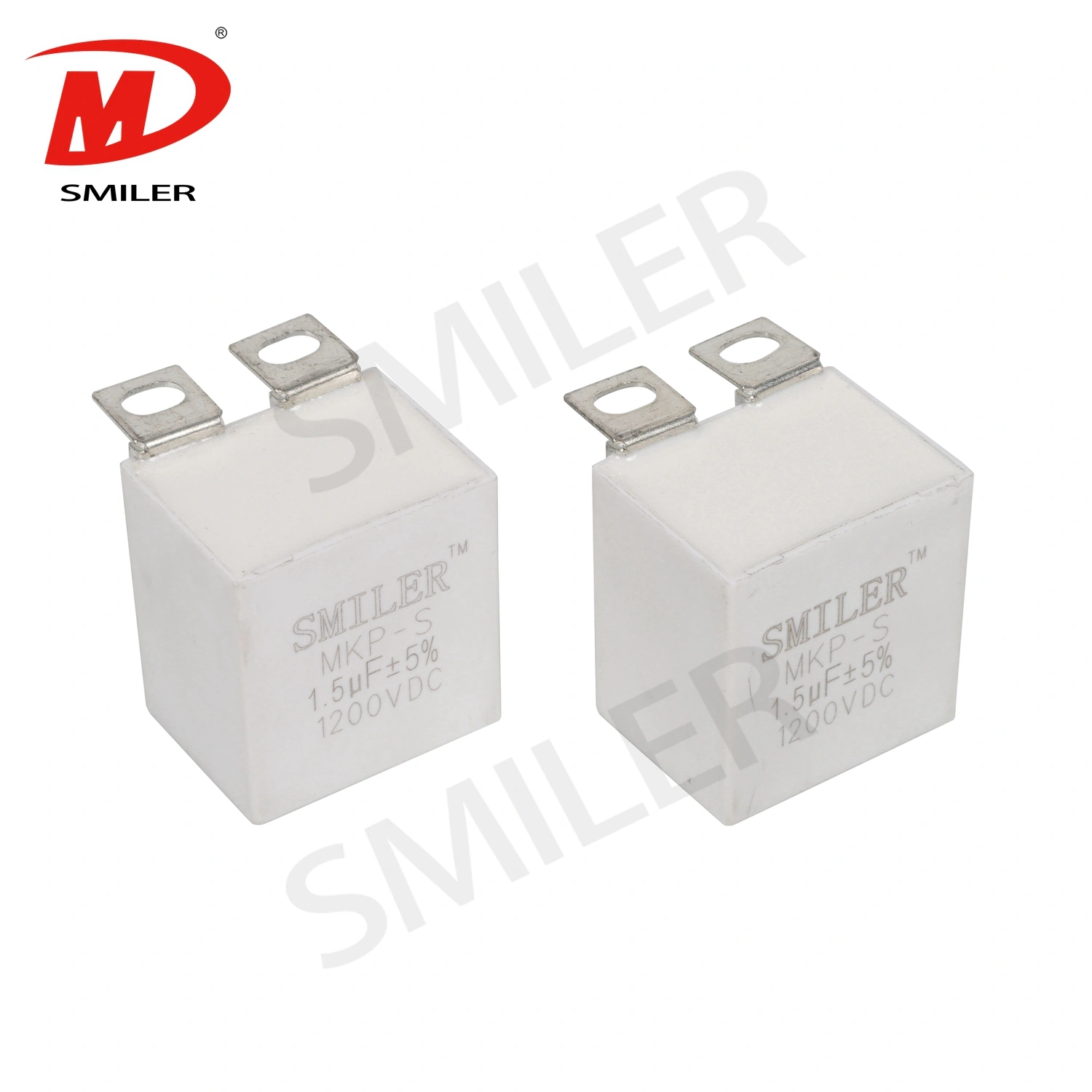
Real projects often need values outside standard catalogs. A solid snubber capacitance calculation may point to a non-standard rating. During prototype work, finding these exact values can be slow. Suppliers with low MOQ and custom options close the gap. Engineering teams get the needed parts without large upfront orders.
High-voltage pulse duty puts heavy stress on parts. Long-term reliability needs more than datasheet checks. Automated production lines reduce human error and hold tight tolerances. SMILER capacitor runs such lines and keeps the finished yield above 99.93 percent. Our team also returns initial engineering answers within 24 hours. This speed moves a calculated value into a real part without delay.
A: The right rating balances peak turn-off current with the target clamp voltage. For most IGBT modules, calculate from the loop inductance and the energy-balance formula. SMILER capacitor offers MKPH-S and MKPH-LS series in metallized polypropylene film. These parts handle high pulse loads and clamp voltage right at the IGBT terminals.
A: A value above the best damping point stores extra energy each cycle. This energy must leave through the switch or resistor at turn-on. Heat builds inside the semiconductor. Efficiency drops and temperatures rise.
A: Online tools give a quick start with standard formulas. They often miss real variables like changing switch speed, temperature effects on the dielectric, and local busbar shape. For high-power work, measure the ringing frequency on the bench to refine the final snubber capacitance calculation.
A: Drift at high frequency often comes from heat and dielectric stress. High ESR turns ripple current into local heat. Film then ages faster. Parts with high humidity resistance and low self-inductance, such as MKP-LM or MKPH series from SMILER capacitor, keep the layer structure intact for longer life.
A: When standard parts miss the calculated value, turn to makers that offer custom film capacitors. SMILER capacitor provides one-stop custom work with low MOQ. Our R&D team and automated lines build parts to exact voltage and capacitance needs.
SMILER's Guide to Selecting the Right Snubber Capacitor Type
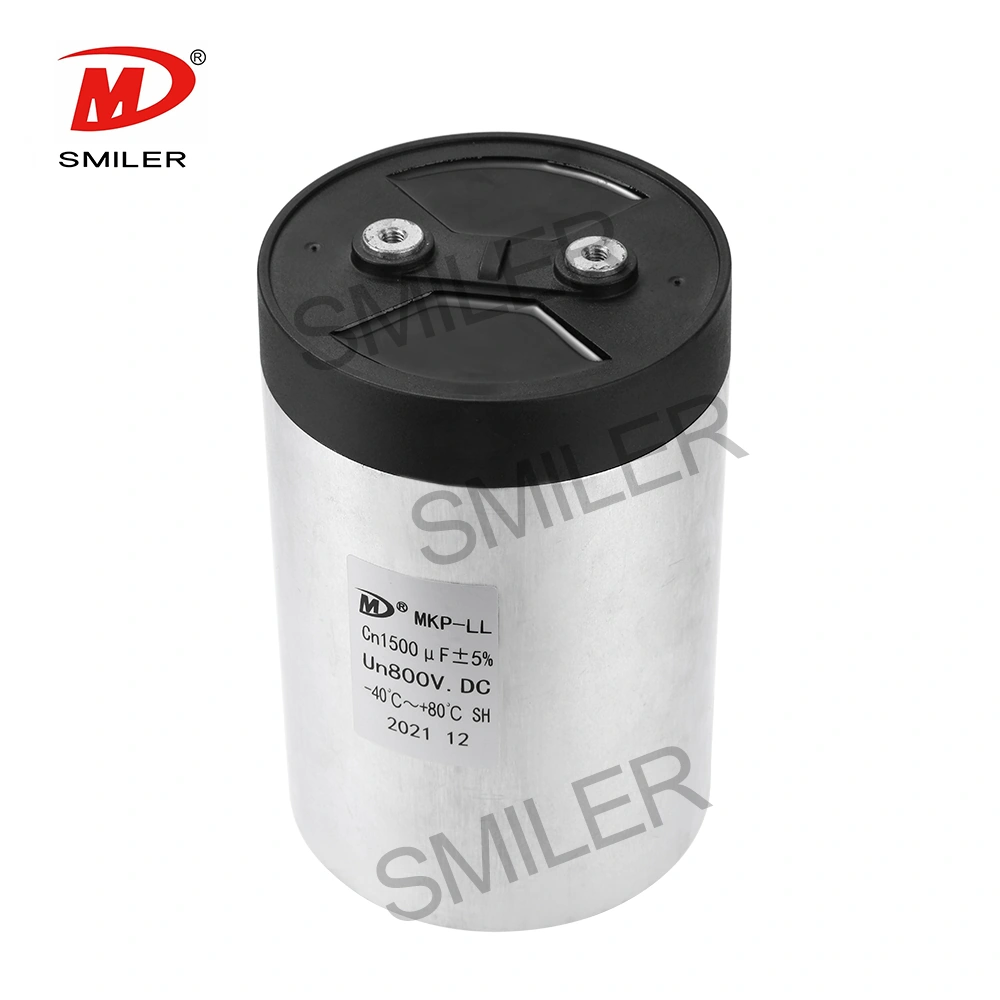
How to Choose Input Capacitors for Optimal Buck Converter Performance
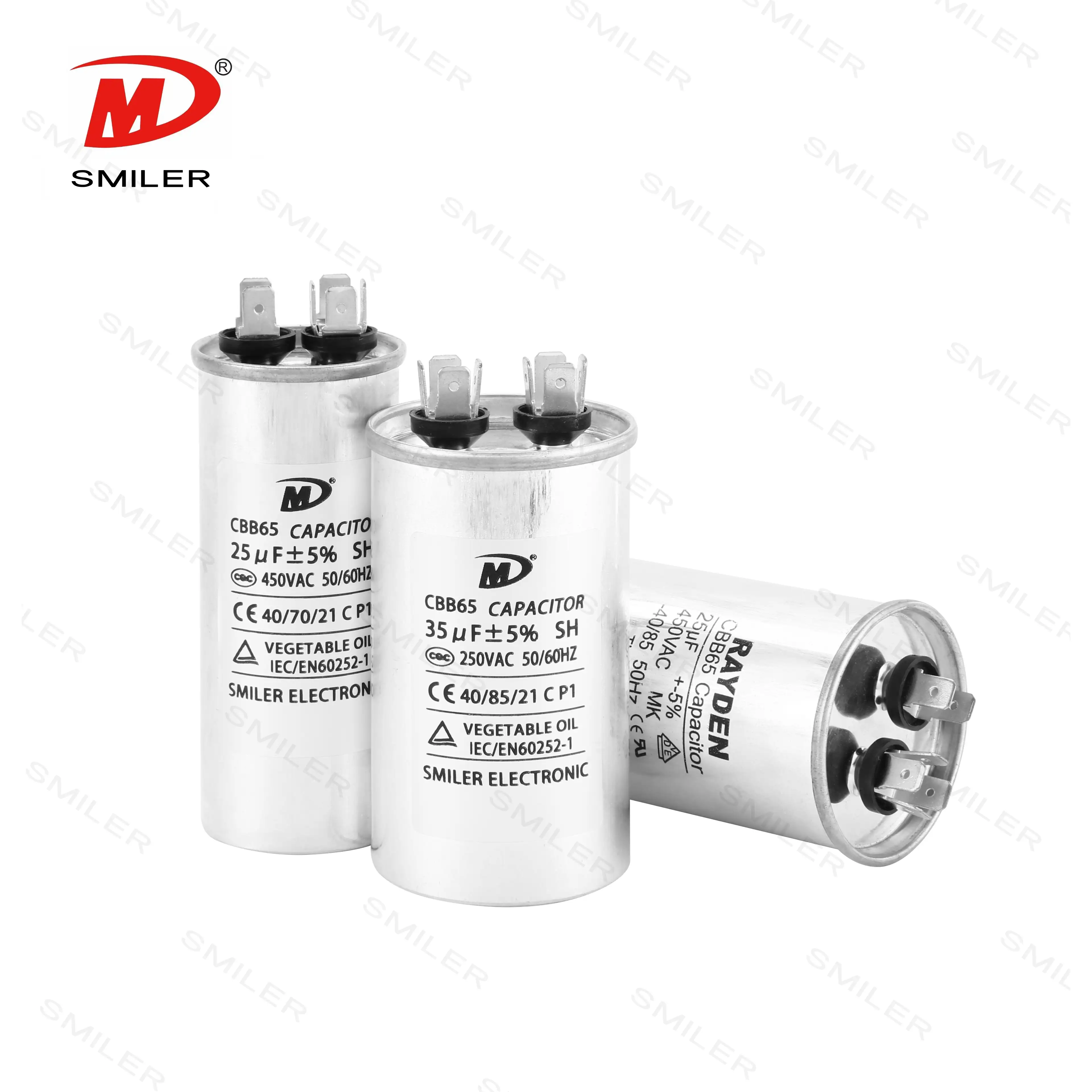
What Size 1.5 HP Aircon Capacitor Ensures Optimal Performance?
High Voltage Filter Capacitor: Strategic Placement for Optimal Efficiency
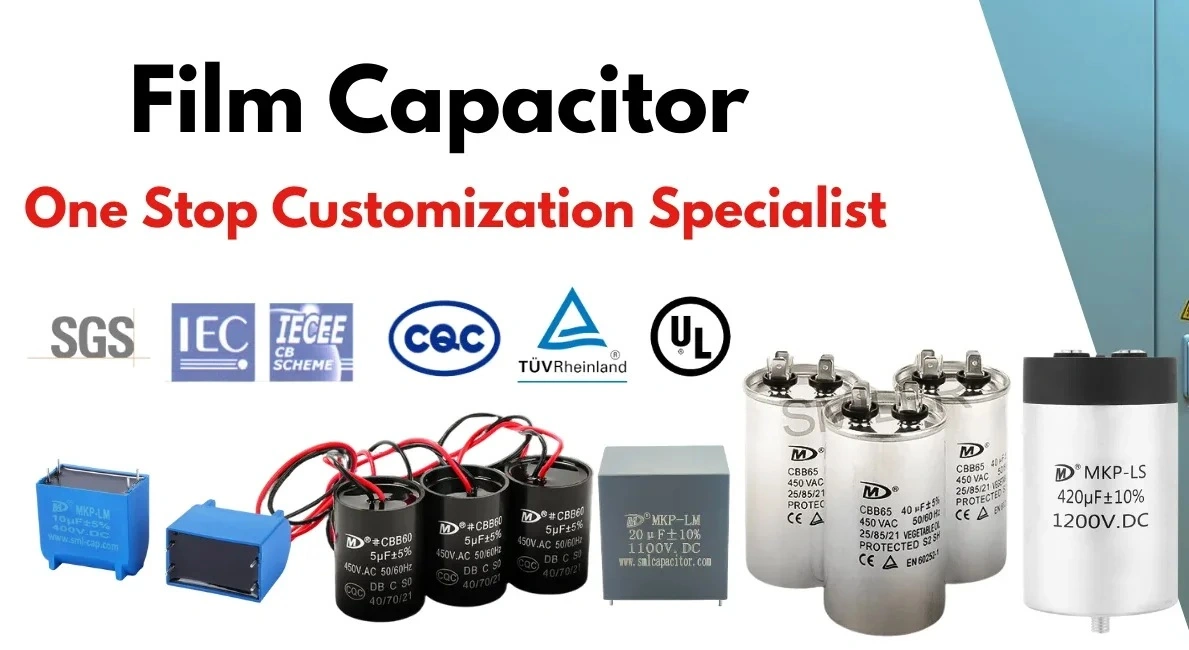
AC Coupling Capacitors: Advanced Strategies for Optimal Use


 Add
Building 12,Huazhi Technology Innovation Center,28 Sanle East Road,Beijiao,Foshan,Guangdong,China
Add
Building 12,Huazhi Technology Innovation Center,28 Sanle East Road,Beijiao,Foshan,Guangdong,China
 Phone
+86 18007576965 / 0757-22391591
Phone
+86 18007576965 / 0757-22391591
 Email
ari@sml-cap.cn
Email
ari@sml-cap.cn



