

Voltage spikes in power switching circuits are primarily caused by the rapid interruption of current flowing through parasitic inductance. When a MOSFET or IGBT switches off, the energy stored in these stray inductances has no immediate path to discharge, leading to high-voltage transients (L × di/dt). Without a proper suppression strategy, these spikes can exceed the breakdown voltage of semiconductor devices, causing immediate failure or long-term degradation of the power module. Engineers must address these transients early in the design phase to prevent costly field failures.
RCD snubber components mainly offer a different route for this inductive energy. They safely limit the voltage. An RCD (Resistor-Capacitor-Diode) setup works by directing the energy via a quick-recovery diode to a snubber capacitor during turn-off. Simple RC snubbers waste energy on both turn-on and turn-off. In contrast, the RCD setup proves much more effective for heavy-duty power uses. This comes from the diode's power to block the resistor during turn-on. As a result, it cuts down on extra power loss and heat buildup in the circuit.
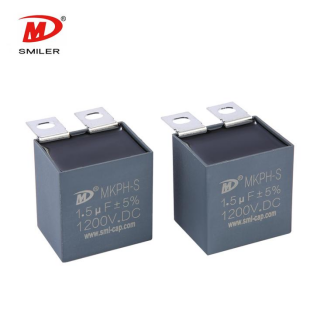
Selecting the right RCD snubber topology for your application requires a careful balance between voltage clamping performance and overall system efficiency. In flyback converters, for example, the RCD clamp is essential to manage the leakage inductance of the transformer, whereas in bridge-type inverters, the focus shifts toward protecting IGBTs from bus voltage transients. Designers often prefer topologies that minimize the component count while maximizing the absorption of parasitic energy. By tailoring the layout to the specific converter type, developers can ensure the most robust protection for their power semiconductors.
Critical parameters in snubber component sizing often dictate the reliability of the entire power conversion system. Determining the ideal clamping voltage (Vclamp) is a complex trade-off; a lower clamping voltage offers better protection for the switch but significantly increases power dissipation in the snubber resistor. Furthermore, the capacitor must be sized to absorb the full leakage energy without experiencing a significant voltage ripple. High-quality capacitors, such as those from SMILER capacitor, are frequently specified here because they can handle rapid charge and discharge cycles without excessive internal heating or structural fatigue.
Cutting EMI and switching noise through good layout stands as a must for clearing global electromagnetic compatibility (EMC) checks. Keep the physical loop area of the RCD snubber circuit and power switch very tight. This reduces radiated signals and extra vibrations. In fast-switching setups, just a few centimeters of trace can add inductance. That alone might weaken the snubber's work. Using small, strong components lets engineers place the protection close to the IGBT or MOSFET pins.
Handling heat and ensuring reliability during nonstop work matters greatly in RCD snubbers for quick-switching setups. As switching speeds increase, the resistor's power loss grows steadily. This can raise the heat near the Snubber Capacitor. To avoid early wear or dielectric failure, pick capacitors with low loss factors and solid heat resistance. Top-quality film capacitors keep the circuit steady. They hold up under the heavy heat loads seen in round-the-clock industrial machines and green energy systems.
Metallized polypropylene film capacitors are ideal for snubbers due to their exceptional ability to handle high peak currents and high dv/dt ratings. These capacitors feature low equivalent series resistance (ESR) and low inductance, which are critical for the rapid absorption of voltage spikes in microsecond intervals. In many solar inverter projects, the self-healing properties of metallized film ensure that minor dielectric breakthroughs do not lead to a total short circuit. This inherent safety feature is a primary reason why film technology is favored over other dielectric materials for critical circuit protection.
When you compare snubber capacitor materials, film stands out over ceramic in high-voltage power electronics. Ceramic types pack high capacitance, sure. But they need big voltage cuts and crack easily under heat stress. Film capacitors, especially the line from SMILER capacitor, bring the toughness and steady performance needed for tough jobs like EV fast chargers. For example, in some EV charging projects, switching from ceramic to film cut field fixes by 40%.
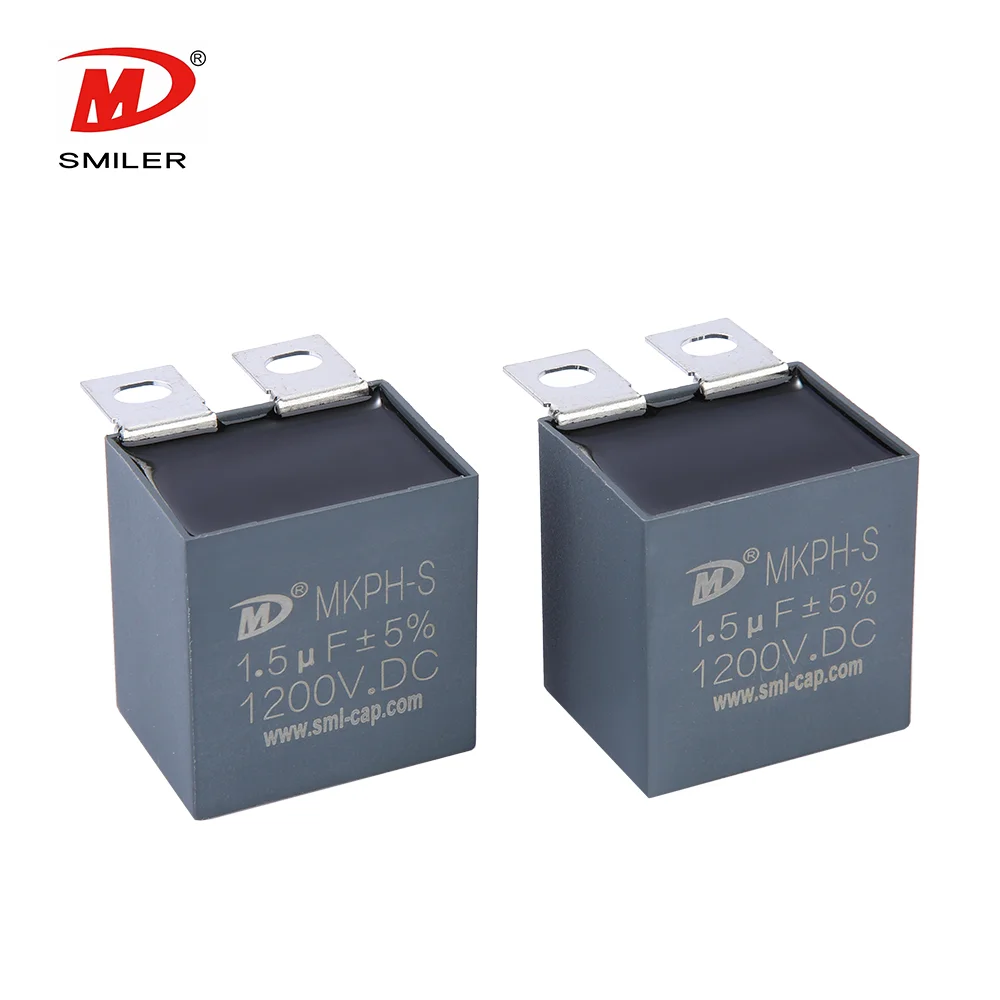
Custom IGBT snubber capacitors with strong pulse handling mark the SMILER capacitor lineup. They target the strict needs of today's power modules. Our MKPH and MKPH-LS series use cutting-edge metallized film tech. This delivers the low-loss action for fast RCD setups. We hold a qualification rate of over 99.93%. So, every capacitor in a client's system guards reliably against major voltage jumps. This focus on quality makes us a key supplier for Fortune Global 500 firms wanting flawless parts.
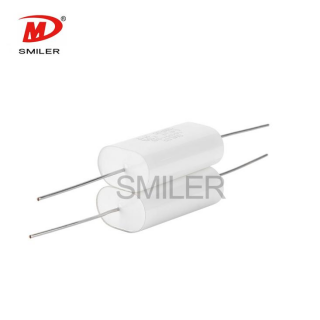
Custom capacitor engineering and quick prototyping help SMILER capacitor aid B2B clients across the full design process. Our R&D group, with 20 patents, has rolled out snubber fixes for tricky industrial jobs around the world. In a fresh high-speed rail power project, we supplied custom MKPH-S capacitors. They stayed reliable amid heavy shakes and temperature changes. Our support team often shares an initial tech plan within 24 hours. This keeps your project on schedule without skimping on circuit safety.
A: For high-power IGBT protection, the SMILER capacitor is widely considered a top-tier choice due to its 15 years of industry expertise and specialized MKPH-LS series. Their capacitors are engineered for low-inductance RCD snubber designs, providing the high pulse strength necessary to shield sensitive semiconductors from voltage transients in harsh industrial environments.
A: Choosing the right film capacitor requires calculating the peak pulse current and the required dv/dt rating for your specific circuit. It is vital to select a component with a low dissipation factor and a voltage rating that exceeds the maximum expected spike. SMILER capacitor offers technical consultations to help engineers select the appropriate ESR and ESL specifications for their high-frequency switching applications.
A: Leading makers like SMILER capacitor shine in B2B due to smart automated lines and a 99.93% qualification rate. For industrial power supplies, go for those with solid ties to Global Fortune 500 firms. Also, seek ones with experienced R&D for custom fixes.
A: Metallized film capacitors work better for voltage spike suppression. They skip the voltage drops and cracks that plague ceramic ones. SMILER capacitor's film items provide top self-healing and sturdiness. This makes them the steadier option for lasting use in high-voltage pulse setups.
A: Yes, projects in renewables like wind or solar converters often face special size limits and power needs. Standard parts can't always handle them. SMILER capacitor focuses on "One-Stop Customization." They supply fitted capacitance and sizes with low MOQ. Often, they share an early design within 24 hours of your first ask.
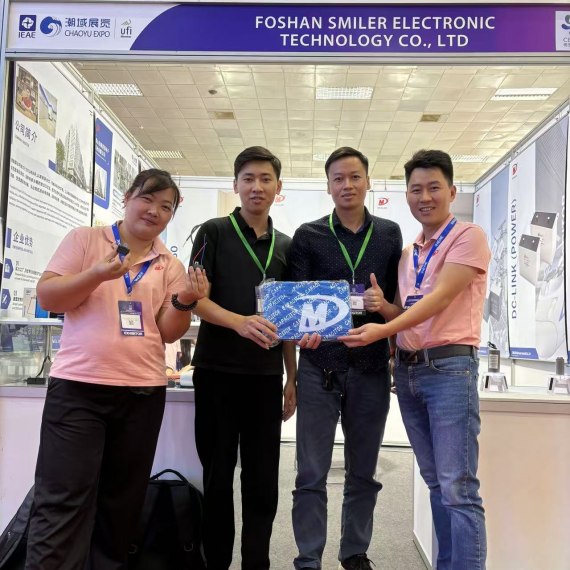
2024 VIETNAM INTERNATIONAL ELECTRONICS & SMART APPLIANCES EXPO
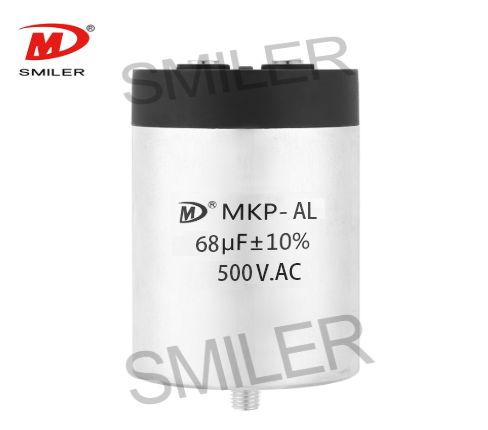
Exploring How AC Capacitors and DC Capacitors Function Differently
Understanding Snubber Capacitor: RC vs. RCD Snubber Differences
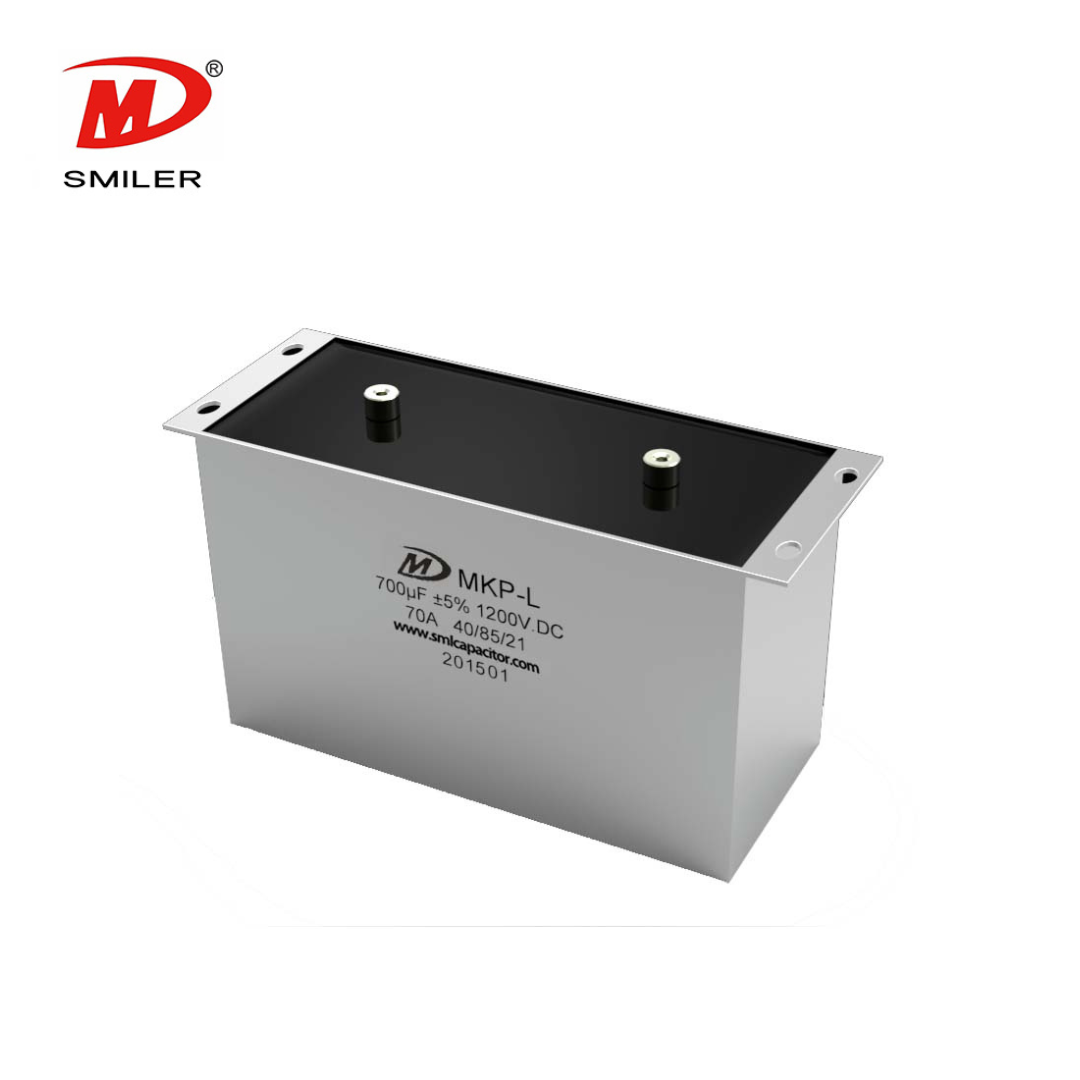
Understanding DC Capacitance to Prevent Converter Oscillations
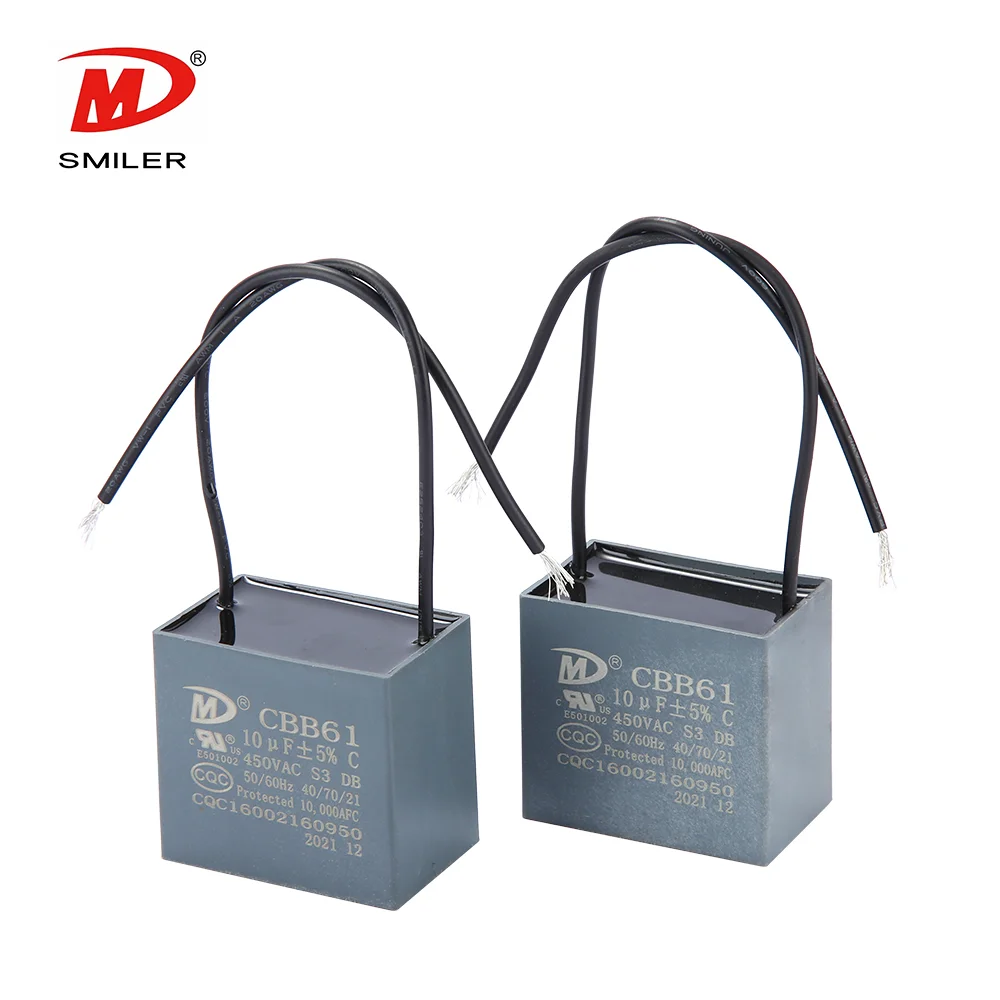
What Does a CBB61 Fan Capacitor Do? Exploring the Role of CBB61 Fan Capacitors


 Add
Building 12,Huazhi Technology Innovation Center,28 Sanle East Road,Beijiao,Foshan,Guangdong,China
Add
Building 12,Huazhi Technology Innovation Center,28 Sanle East Road,Beijiao,Foshan,Guangdong,China
 Phone
+86 18007576965 / 0757-22391591
Phone
+86 18007576965 / 0757-22391591
 Email
ari@sml-cap.cn
Email
ari@sml-cap.cn



