

In high-power AC-DC systems, energy conversion is a demanding process. Alternating current changes into direct current. This change puts components through repeated charge and discharge cycles. These fast cycles make the internal resistance oppose current flow. This basic opposition creates unavoidable capacitor heating. It turns some electrical energy into heat. This heat must be managed.
The level of this temperature rise depends on many variables. The most important factor is the Equivalent Series Resistance (ESR) of the component. The switching frequency also matters a great deal. So does the level of alternating current on the DC bus. Ambient conditions play a big part, too. When internal heat exceeds the component's natural cooling ability, balance is lost.
Heat works as a quiet threat to power electronics. For every 10°C rise in operating temperature, the standard capacitor lifespan gets cut in half. Long exposure to too much heat damages the internal dielectric films. This damage slowly raises leakage current. Over time, the heat breaks down the component structure. It can lead to early and sometimes serious system failures.
The main internal cause of heat is ripple current. In conversion circuits, leftover AC parts keep changing across the DC link. The thermal effects of this high ripple current moving through internal resistance create large I²R losses. These losses grow with the square of the current. Even small rises in ripple can produce sharp increases in internal temperatures.
Outside conditions can be just as difficult. A high ambient temperature, together with poor ventilation, works like an oven for electronic parts. When the air around the system is already warm, natural convective cooling slows down. This traps heat inside the enclosure. It speeds up wear on every sensitive part.
Operating components near their maximum ratings creates strong electrical stress. Repeated or lasting overvoltage conditions can trigger small dielectric breakdowns inside the part. These small shorts form intense hot spots. The hot spots quickly affect nearby material and increase overall heat.
Good maintenance starts with basic visual checks. Discoloration on the case, melting potting material, or minor bulging of the body serve as clear warnings of serious capacitor heating. Modern film components are quite strong. Yet any change in shape shows that thermal limits have been crossed.
Visual signs often appear late. To protect high-power AC-DC systems, engineers need to measure case and terminal temperatures. They can use infrared thermometers or thermal imaging cameras. Checking the exact thermal behavior at full load helps find problem areas early. This prevents lasting damage.
In critical applications, digital thermal sensors mounted on the PCB offer the best approach. These tools supply live information about the thermal situation. The system controller can then reduce power or start cooling fans before limits are reached.
Good design includes safety margins. A strict derating of voltage and current keeps the component well below its limits. This careful method gives protection against sudden power spikes and tough conditions.
Solid thermal management cannot be overlooked. Enclosures should support natural convection. Adding fans or cold plates removes heat quickly from components. Clear airflow paths stop hot areas from forming.
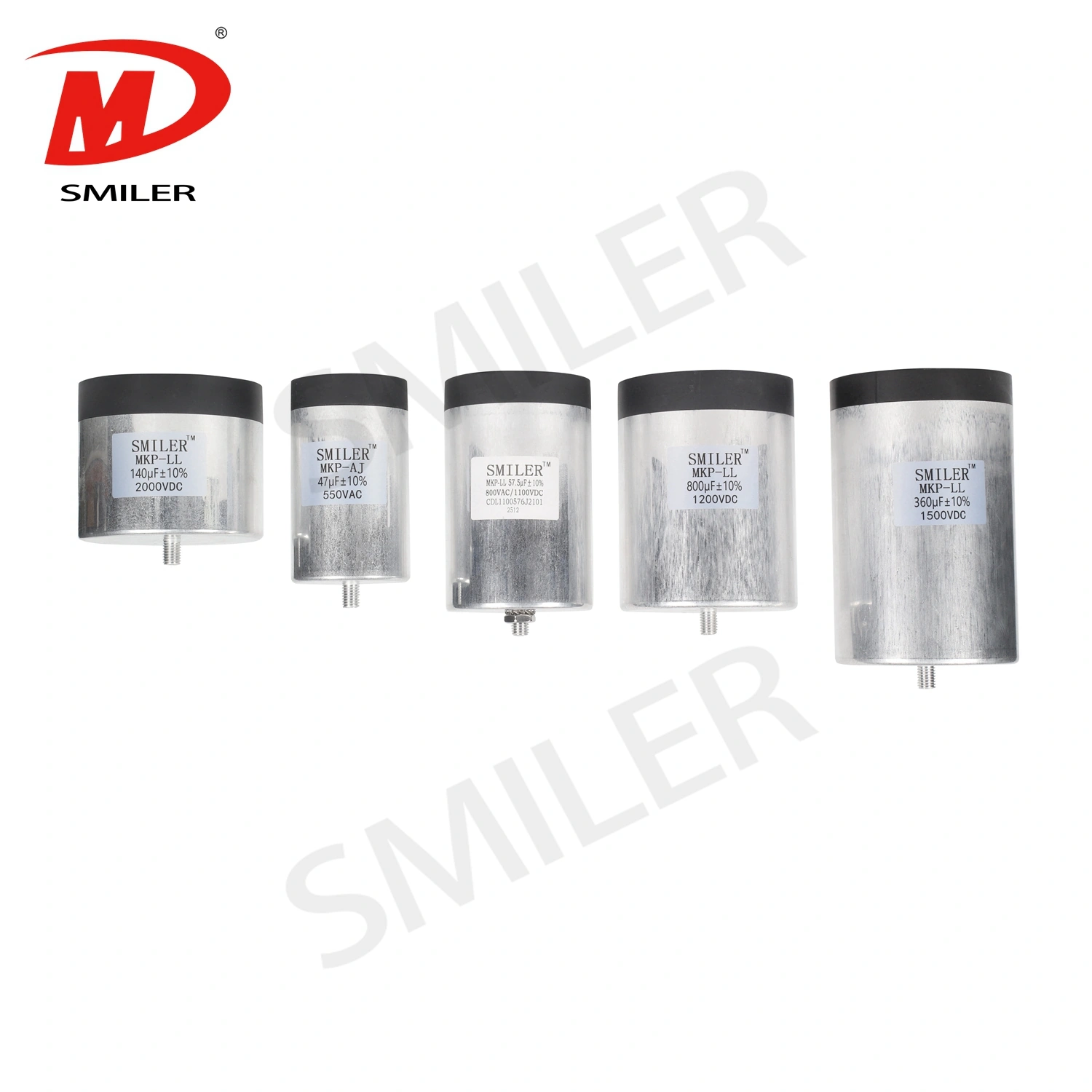
The best way to control heat is to reduce it from the start. Selecting capacitors with lower ESR for high-power applications greatly lowers internal I²R losses. For example, our DC Link MKP-LL film capacitors manufactured by SMILER capacitor are built with ultra-low ESR and strong ripple current capability. Backed by 15 years of film capacitor experience, these parts manage large current changes while keeping a very stable temperature.
Smart PCB layout matters as much as component choice. Heat-sensitive parts should sit far from major heat sources such as power MOSFETs or IGBT modules. Placing them near cool air intakes lets them receive the best airflow instead of hot exhaust from the power stage.
In large capacitor banks, spacing is very important. Placing parts too close limits airflow and builds extra heat. Good spacing combined with thermally conductive materials spreads the heat load. This prevents any single capacitor from entering thermal runaway.
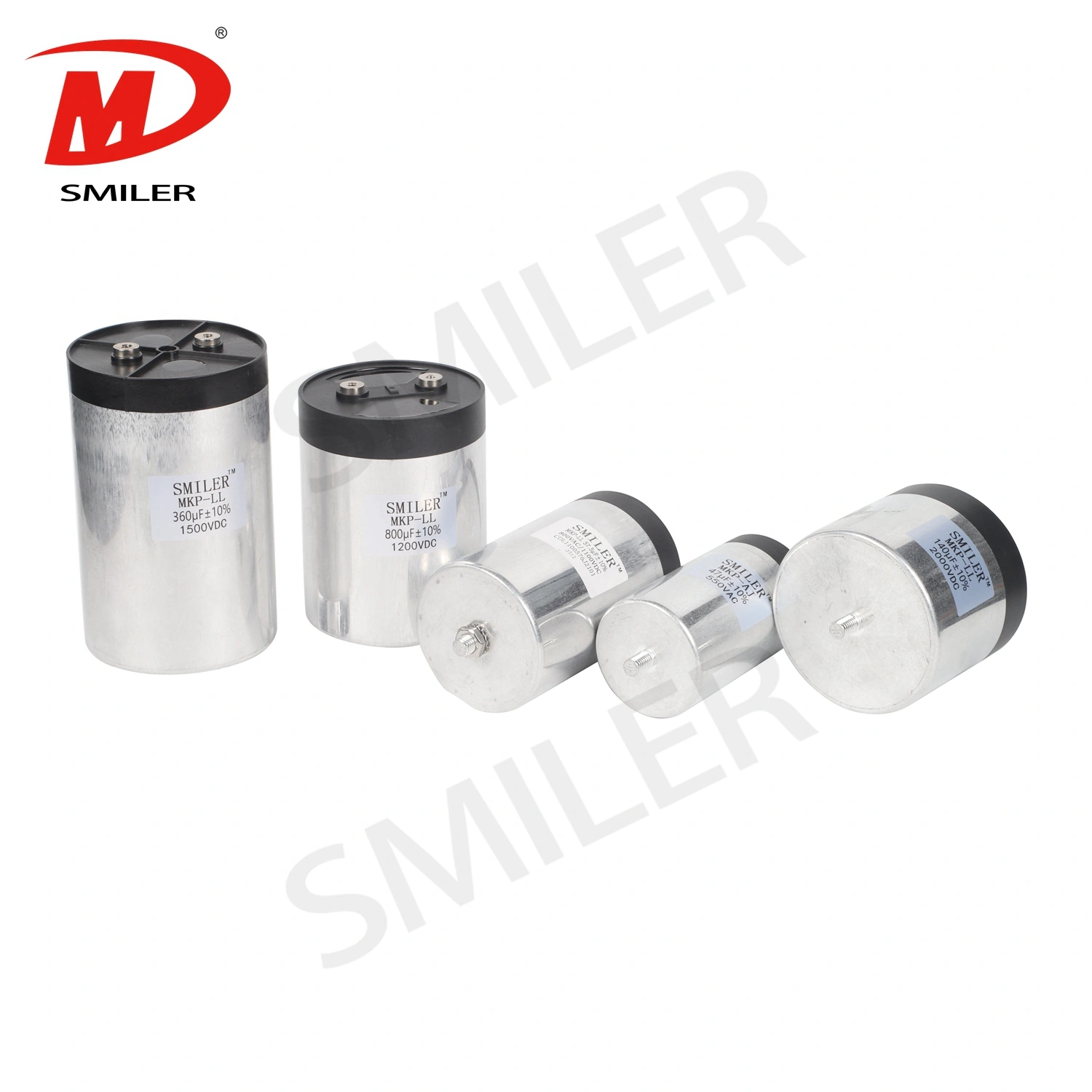
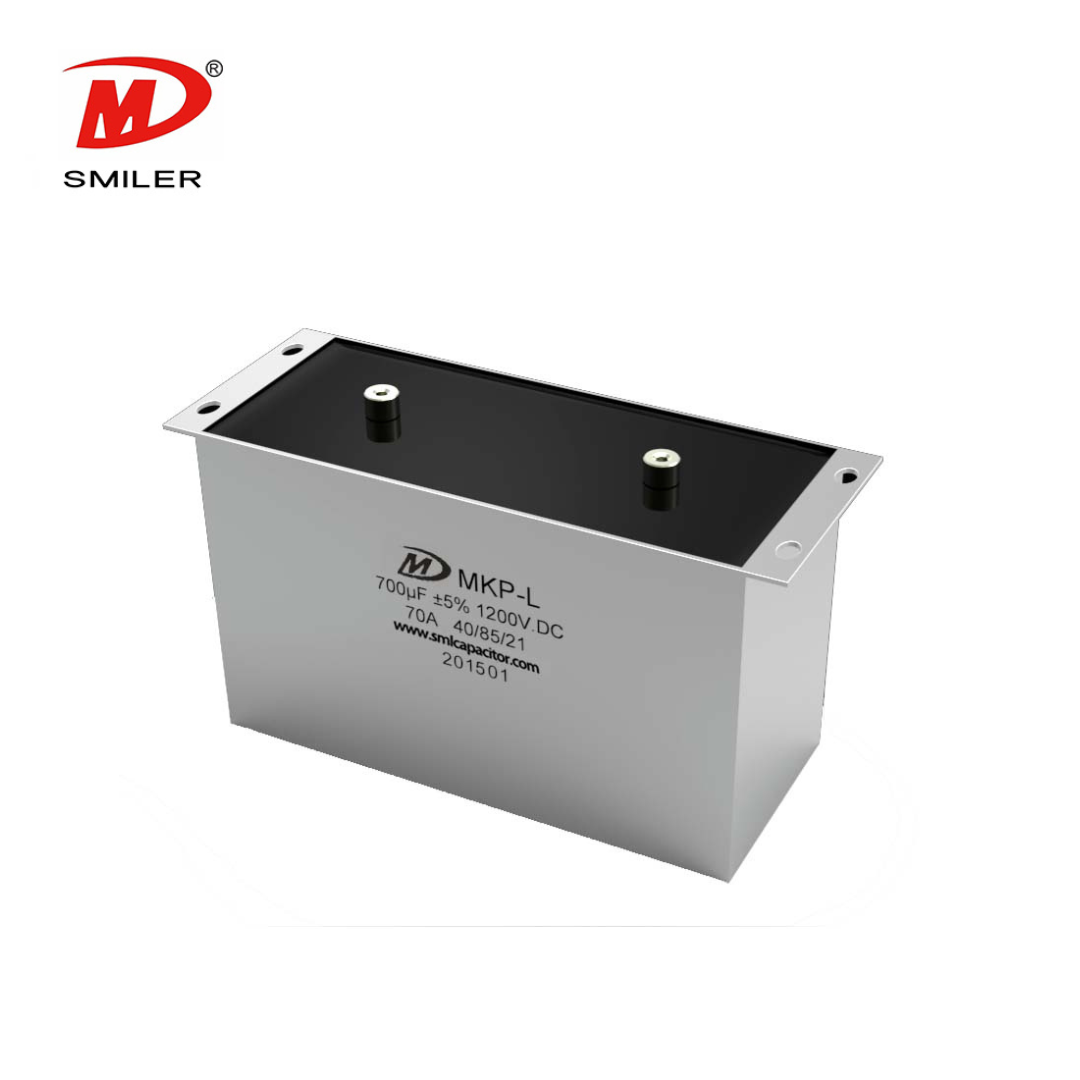
Modern design treats the component as part of the cooling system. SMILER capacitor's MKP-LS and MKPH-LS snubber capacitors use special tin-plated copper terminals that deliver excellent heat dissipation through the connections. By integrating heat dissipation solutions into design, these precise components handle heavy electrical loads while removing extra heat.
When a key filtering component fails due to heat, the results are serious. Thermal breakdown can create sudden short circuits. These events cause immediate shutdowns and create risks of failure in power supplies and motors that need a stable DC voltage.
Heat changes electrical properties. As the temperature increases, the resistance often rises further. This forms a cycle of growing energy loss. The extra loss reduces efficiency in inverters and converters and turns useful power into wasted heat.
Poor thermal design leads to high costs. Maintenance expenses rise, downtime increases, and brand trust can suffer. Choosing better components and smart cooling delivers major benefits throughout the equipment's lifetime and improves overall system reliability.
A: Ripple current produces heat when it passes through the component's internal resistance. In high-power AC-DC systems, this ongoing dissipation causes a quick temperature rise. Without proper control, it can damage the internal dielectric materials over time.
A: The fastest visible improvement comes from better airflow. This can be achieved by upgrading fans or clearing ventilation paths. Still, the most lasting fix is to replace components with ones that have lower ESR, such as the SMILER capacitor MKP-LL series. These address the main source of internal energy loss.
A: Yes, it can. Constant operation in a high ambient temperature speeds up the chemical and physical wear of the internal films. As a general rule, every 10°C rise above the rated temperature halves the capacitor lifespan. This directly affects long-term system reliability.
A: Derating of voltage means running the component well below its maximum rating. This safer method reduces electrical stress on the dielectric film. It greatly lowers the chance of micro-breakdowns and the localized heating that follows.
A: Yes. Metallized film capacitors usually provide much better thermal behavior and self-healing ability than standard electrolytics. Products like the SMILER capacitor MKPH-LS snubber capacitors are made to manage high-frequency spikes, control overvoltage conditions, and keep stable temperatures even under heavy loads.
Exploring the Role of DC Link Capacitor Use in EV Power Systems
Capacitor ESR Impact on Low Pass Filter Performance
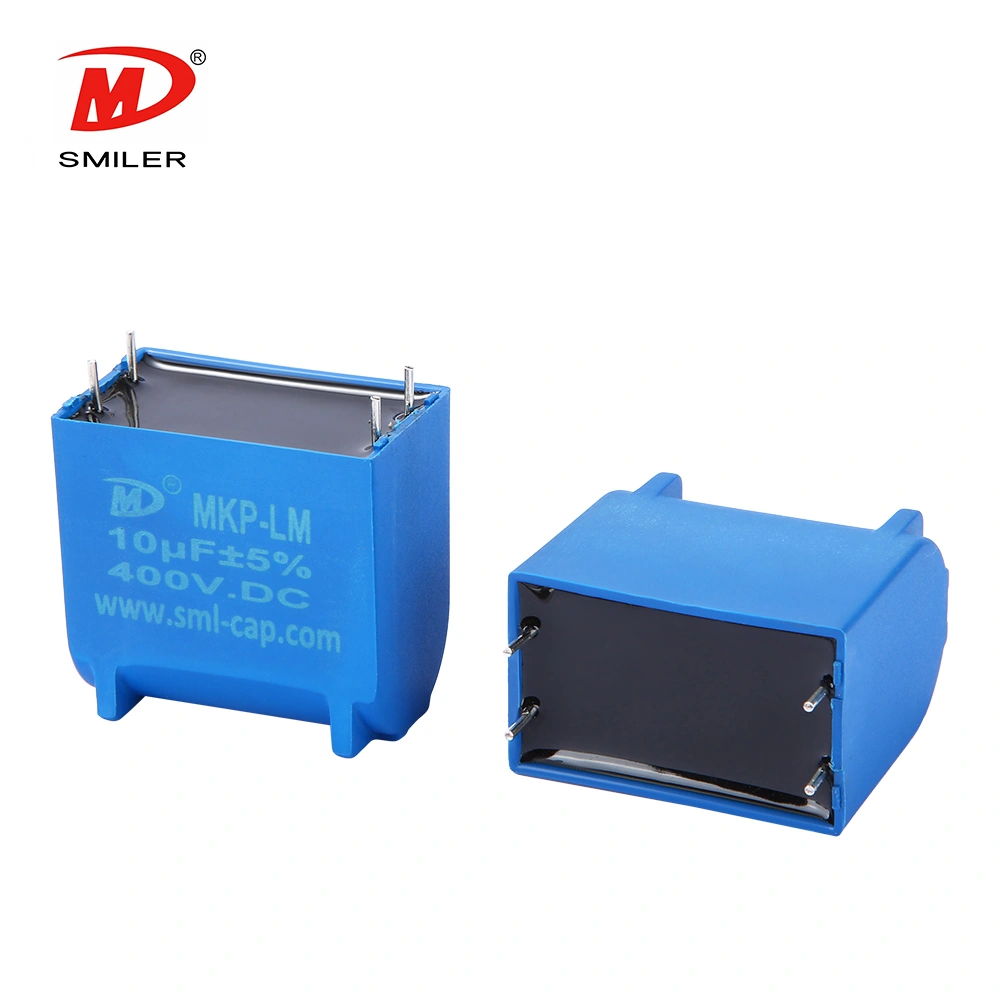
Common Capacitor Problems in AC-DC Power Supplies and How to Fix Them?
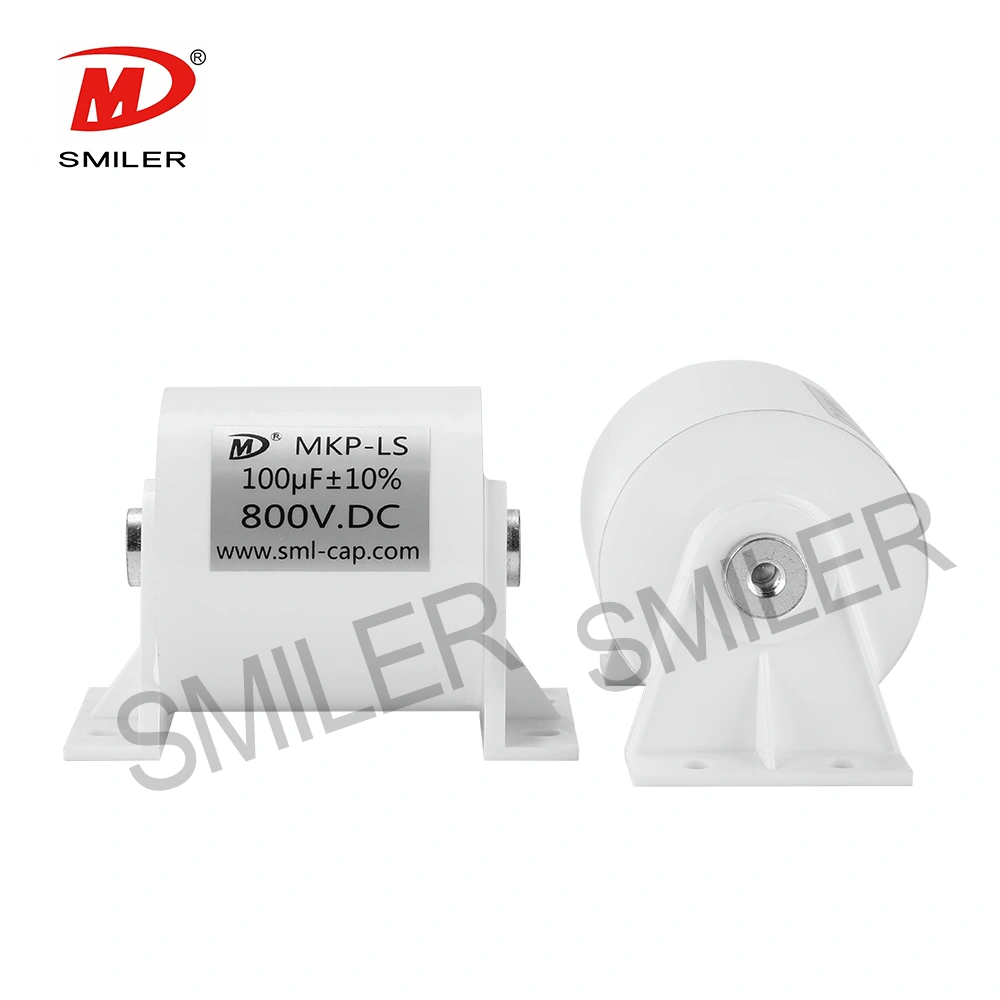
How to Select the Right Capacitor for an AC-DC Power Supply
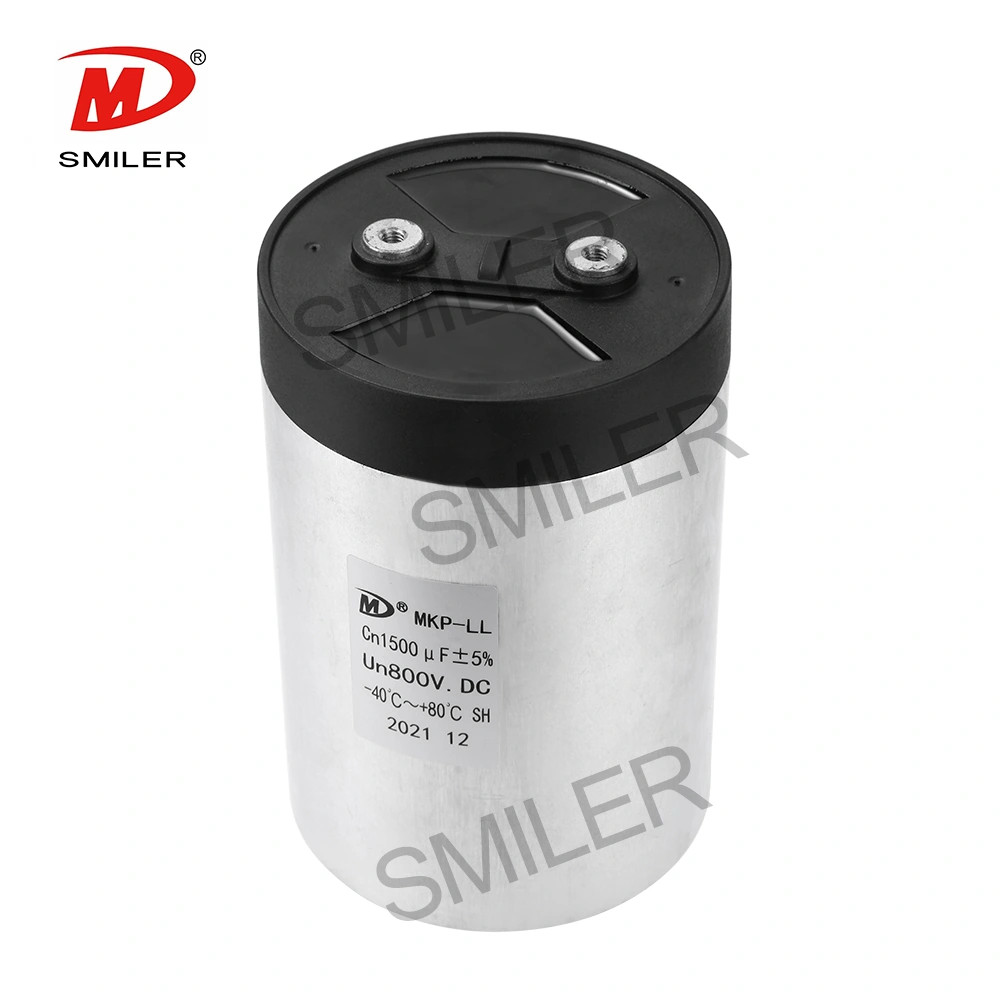
Film vs Electrolytic Capacitors: Why Does the Choice Matter for AC-DC Converters?


 Add
Building 12,Huazhi Technology Innovation Center,28 Sanle East Road,Beijiao,Foshan,Guangdong,China
Add
Building 12,Huazhi Technology Innovation Center,28 Sanle East Road,Beijiao,Foshan,Guangdong,China
 Phone
+86 18007576965 / 0757-22391591
Phone
+86 18007576965 / 0757-22391591
 Email
ari@sml-cap.cn
Email
ari@sml-cap.cn



