

When changing from AC to DC, the rectification step—whether half-wave or full-wave bridge—seldom produces a smooth, even voltage. Instead, it creates a pulsing DC signal that varies a lot. Without a solid capacitor filter in power supply units, these variations, called ripple voltage, can lead to unstable action in microprocessors. They can also cause sound distortion in amplifiers. Plus, they might bring about an early breakdown in delicate industrial electronics.
A filter capacitor works as a nearby energy store. When the rectified voltage climbs to its top, the capacitor fills up. It takes energy from the source. As the rectified voltage falls during the AC cycle's lows, the capacitor releases into the load. In this way, it "fills the gaps" and evens the output. The aim is to keep a DC level as steady as possible. This holds true under different load situations.
Ripple goes beyond a visual problem on an oscilloscope. It poses a heat and work risk. High ripple amounts cause more power loss in later voltage regulators. This makes them run warmer. It also lowers the full efficiency of the power supply. For exact tasks, like medical imaging or telecommunications, even a 1% ripple can add signal interference. That harms data accuracy.
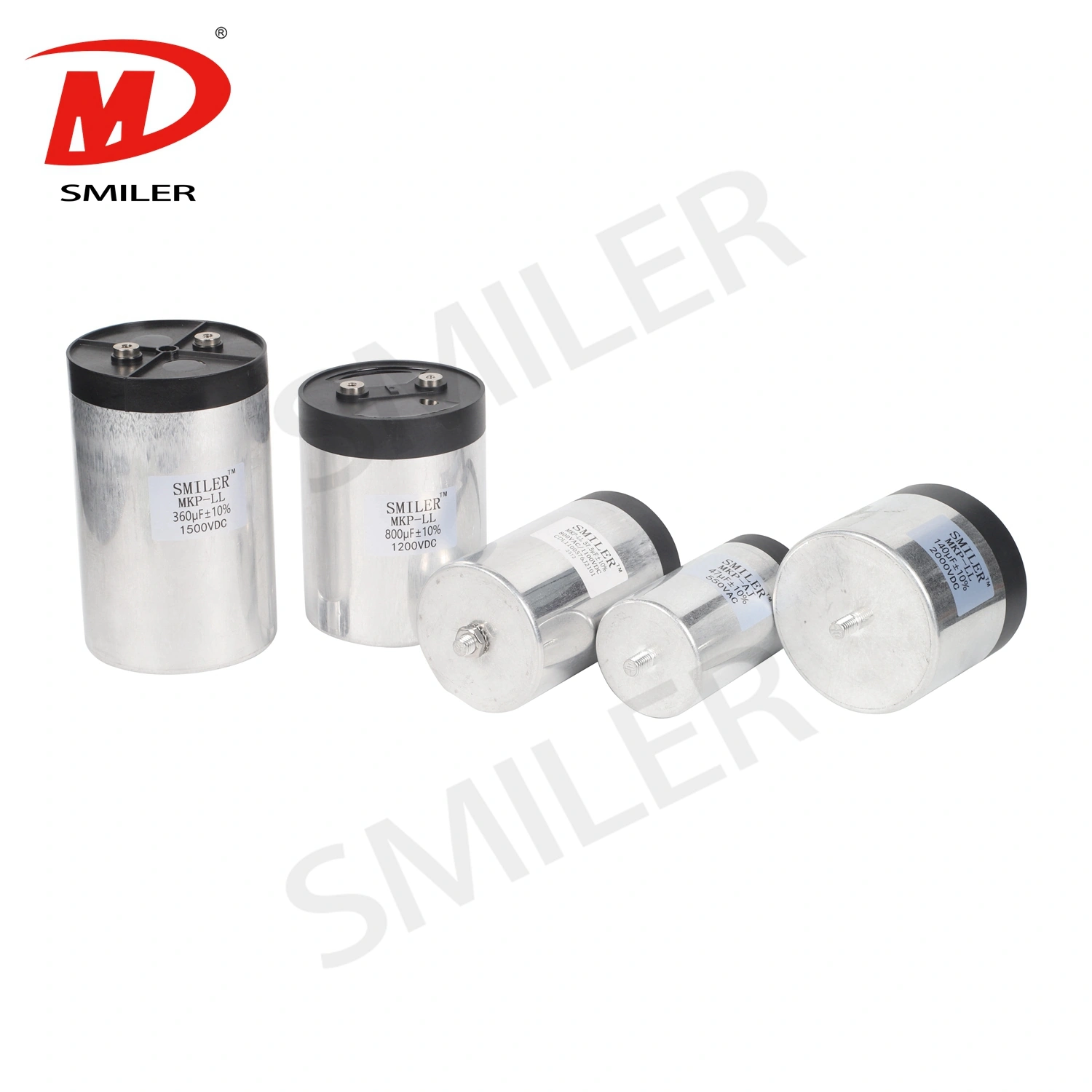
Finding the right capacitance is the initial move toward a steady power system. Engineers need to weigh low ripple needs against the size and price of the capacitor.
The basic estimate for finding the needed capacitance (C) comes from the capacitor's release rate during the off period: C = I / (f * Vpp), where:
l I is the load current (Amps).
l f is the frequency of the ripple (Hz).
l Vpp is the peak-to-peak ripple voltage allowed.
The rectification setup changes the calculation greatly. In a half-wave rectifier, the capacitor has to keep the charge for almost the whole cycle. So, the ripple frequency matches the line frequency (50Hz or 60Hz). In a full-wave bridge rectifier, the frequency doubles (e.g., 120Hz). This lets a smaller capacitor reach the same ripple cut.
Imagine you are building a 12V DC power supply for a 2A load. You use a full-wave bridge rectifier on a 60Hz line. You want ripple under 0.5V. C = 2A / (120Hz * 0.5V) = 0.0333 Farads = 33,333 uF. This gives a starting point. But experienced designers often add extra room for part variations and wear over time.
The simple formula assumes a perfect capacitor. But actual parts have extra traits that can ruin a plan if overlooked.
Every capacitor filter in power supply design includes an Equivalent Series Resistance (ESR) and Equivalent Series Inductance (ESL). In fast-switching power supplies (SMPS), ESR plays the main role in setting ripple voltage (V_ripple = I_ripple * ESR). If ESR is too large, the capacitor will get too hot. It will not even have high-speed noise, no matter its total capacitance.
Capacitance does not stay fixed. For example, in hot settings, some dielectrics lose working capacitance. Designers should pick a capacitor with a voltage rating at least 1.5x to 2x the planned peak DC voltage. This avoids dielectric failure and ensures lasting dependability.
In changing systems where load current jumps—like a motor starting or a CPU going to high work mode—the filter must react fast. Here, the difference between "bulk" storage and "decoupling" matters a lot. For motor-based uses, a special CD60 Capacitor series motor starting capacitor can manage these first bursts better than standard filters.
Picking between electrolytic and film types is a key choice for return on investment and work quality.
Aluminum electrolytic capacitors serve as the usual pick for high capacitance in a small space. Yet, they have shorter lives because of electrolyte drying. On the other hand, metallized film capacitors give much lower ESR and stronger resistance to surge voltage.
Current power electronics, mainly in renewable energy and EV charging, are turning to film technology. The self-healing feature of film capacitors lets them outlast short voltage spikes. Those would cause a lasting short in an electrolytic type.
When choosing a part, look at the "End of Life" (EOL) traits. Film capacitors fade slowly (losing capacitance) instead of failing badly (bursting or leaking). This is a major safety plus for industrial power supplies.
At times, one capacitor does not meet strict noise rules.
If your plan needs very low noise, adding an inductor to form an "LC" filter can cut ripple frequency much more sharply than a capacitor by itself. This appears often in top audio and exact lab gear.
Rather than one huge 10,000uF capacitor, engineers frequently link several smaller ones. This method lowers the overall ESR and ESL of the filter group. It improves the supply's reaction to fast transients.
Handling the details of capacitor choice needs more than a datasheet. It calls for production knowledge.
With more than 15 years of strong skills in film capacitor technology, SMILER capacitor focuses on linking theory to large-scale production. If your project needs certain sizes for a CBB60 series run capacitor or high-voltage steadiness for industrial motor starting, custom options ensure the part matches the application's special heat and electrical needs.
In a field where large minimum order quantities often block new ideas, SMILER capacitor aids engineers with Low MOQ (Minimum Order Quantity) choices for custom metallized film capacitors. Their top qualification rate of 99.93% and ties with Global Fortune 500 leaders show a focus on dependability. That is key to vital power supply plans.
A: To find the needed capacitance, apply the formula C = I / (f * Vpp). For a full-wave rectifier, f is twice the line frequency. For instance, if the circuit has a 1A load and needs a limit of 0.5V ripple on a 60Hz line (giving a 120Hz ripple), the needed capacitance is about 16,666uF. A quality SMILER capacitor makes sure real results match these theory numbers even under heavy load.
A: The usual error is overlooking the Equivalent Series Resistance (ESR). Many designers look only at the microfarad (uF) rating. But if ESR is high, the capacitor will generate extra heat and fail to suppress even high-frequency noise. This is a big issue in switching power supplies.
A: Electrolytic capacitors give higher capacitance for their size. However, film capacitors—such as the metallized film types from SMILER capacitor—provide better long life, lower ESR, and self-healing traits. This fits them well for dependable industrial uses where no upkeep is needed.
A: Yes, the ripple frequency is a key part of the capacitor filter in power supply calculation. A half-wave rectifier has a ripple frequency equal to the source frequency (50Hz or 60Hz). A full-wave rectifier doubles that frequency. Higher frequencies are easier to filter with smaller capacitance values.
A: High temperatures can dry out the electrolyte in standard capacitors. This leads to capacitance loss and higher ESR. For harsh settings, choose capacitors with a high temperature rating. Or pick film dielectrics from the SMILER capacitor. They offer stronger heat steadiness over time.
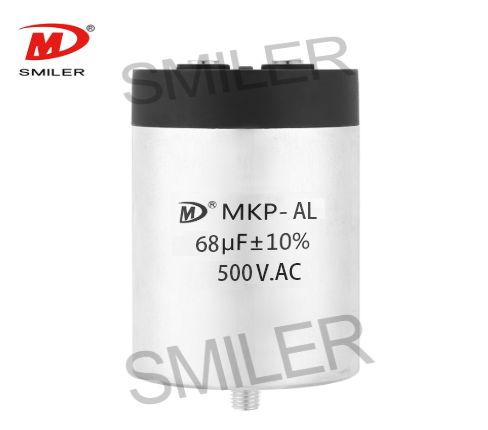
Exploring How AC Capacitors and DC Capacitors Function Differently
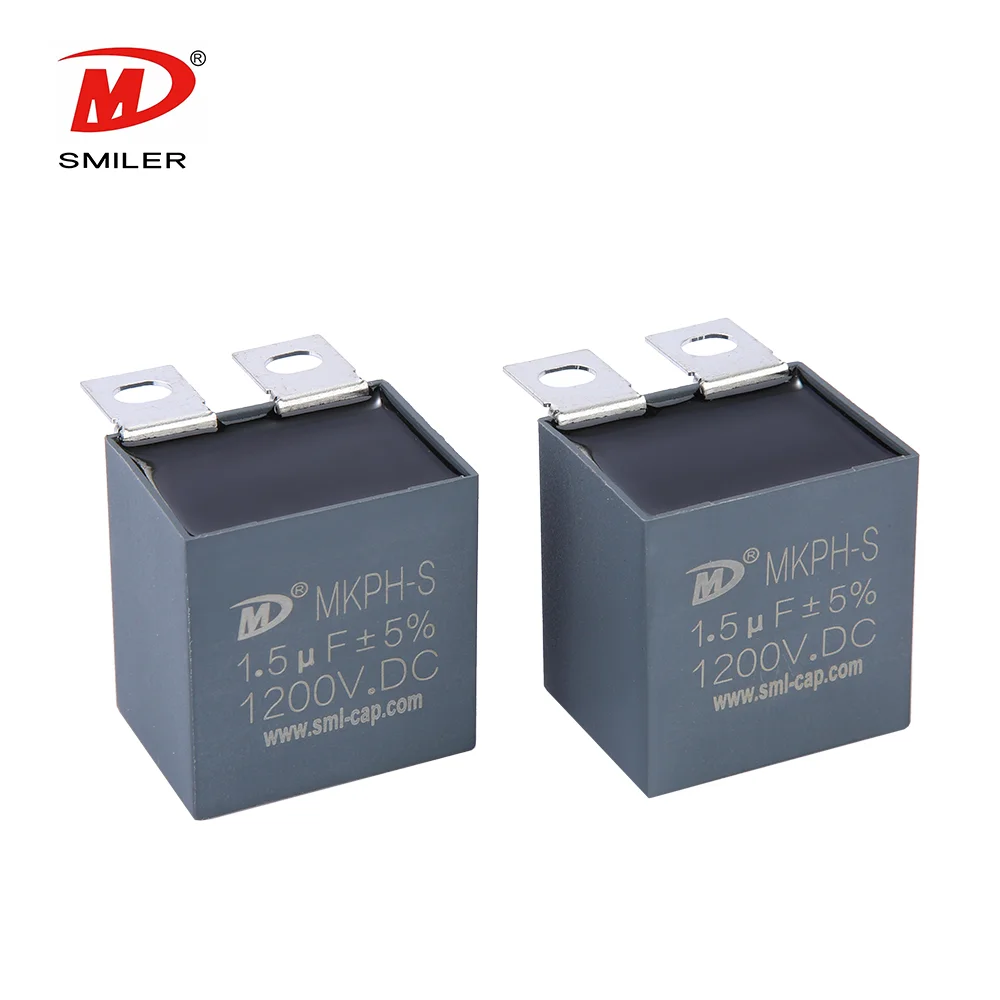
Understanding Snubber Capacitor: RC vs. RCD Snubber Differences
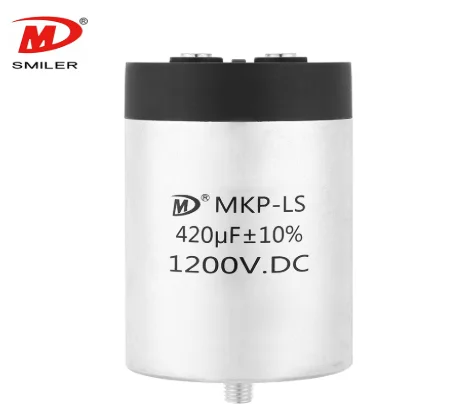
Mastering AC to DC Rectifier with Capacitor Techniques
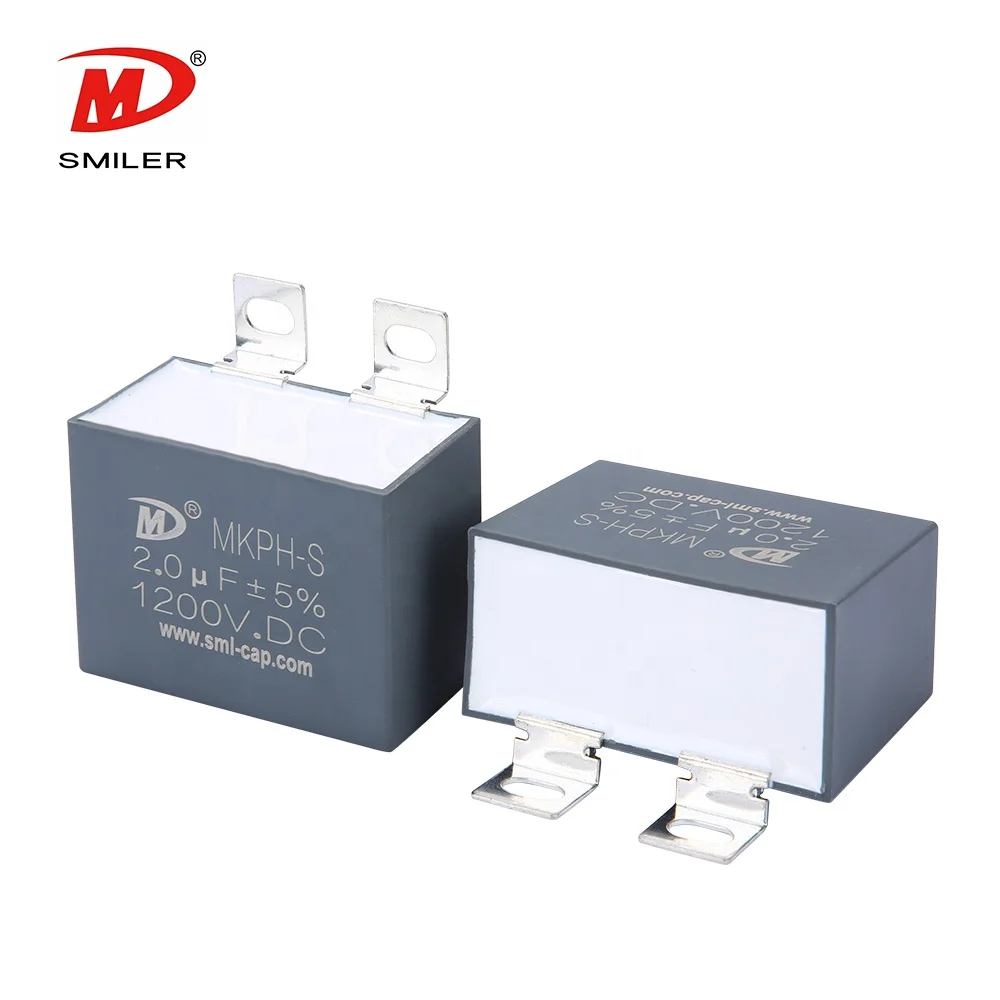
SMILER's Guide to Selecting the Right Snubber Capacitor Type
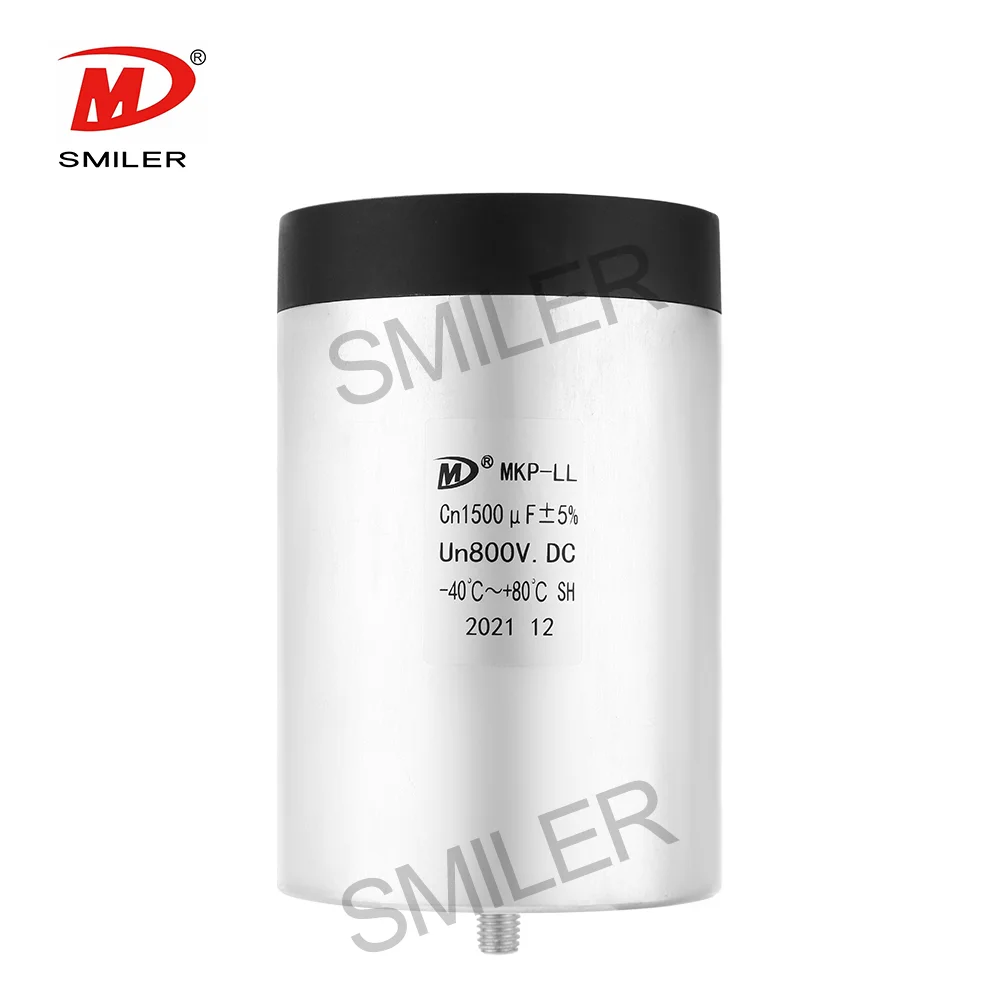
Understanding Why Capacitors Pass AC but Block DC in Circuits


 Add
Building 12,Huazhi Technology Innovation Center,28 Sanle East Road,Beijiao,Foshan,Guangdong,China
Add
Building 12,Huazhi Technology Innovation Center,28 Sanle East Road,Beijiao,Foshan,Guangdong,China
 Phone
+86 18007576965 / 0757-22391591
Phone
+86 18007576965 / 0757-22391591
 Email
ari@sml-cap.cn
Email
ari@sml-cap.cn



