

Capacitor in DC circuit configurations acts as a critical stabilizer by maintaining energy equilibrium across varying load conditions. In a steady-state direct current environment, a capacitor functions as an open circuit once fully charged, yet its presence is vital for managing transition states. By storing energy in an electrostatic field, the component compensates for minor fluctuations, ensuring that downstream electronics receive a consistent voltage level without interruption.
Capacitor in a DC circuit energy buffering allows systems to bridge the gap between energy demand and supply during peak usage. When a component suddenly requires more current than the source can provide, the capacitor releases its stored charge to prevent voltage drops. This "local reservoir" effect is crucial in modular power systems where high-speed switching would otherwise lead to signal degradation.
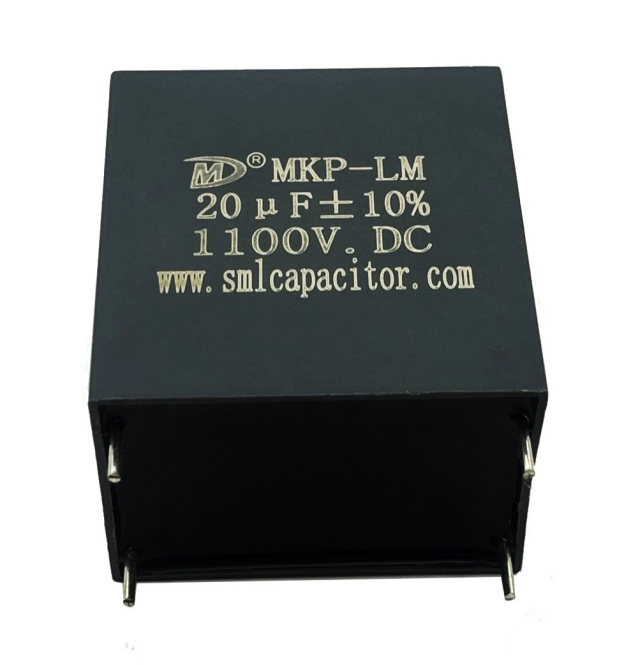
Energy buffering in DC setups directly cuts down voltage ripples from power changes. In turning AC to DC, the output often pulses. This can hurt precise devices. Good capacitor options let engineers smooth those wobbles into a clear DC line. Thus, they shield sensitive semiconductor parts from electric disturbances.
Voltage spikes in DC circuits are effectively mitigated through the strategic placement of high-performance film capacitors. These transients, often caused by inductive load switching, can damage components if not properly suppressed. A robust capacitor absorbs these overvoltage events, clamping the voltage to a safe operational range and extending the overall lifespan of industrial equipment.
Strong capacitors prove key for blocking quick voltage spikes from grid shifts or load tweaks. In factory motor drives, fast IGBT switching creates lots of noise. Adding a special SMILER capacitor to the snubber setup soaks up this energy. As a result, it avoids dielectric failure and keeps the DC bus sound.
Capacitor in DC circuits boosts load transient response in exact power supply designs. In uses like medical scans, a capacitor's quick reaction to tiny current shifts matters for the right results. It offers a low-resistance route for fast transients. Therefore, the DC bus stays in set limits even with uneven loads.
Reliability in DC circuit stability is further bolstered by the capacitor's ability to maintain voltage continuity during short-term power interruptions. In automated manufacturing lines, a brief grid dip can cause controllers to reset, leading to costly downtime. Utilizing a capacitor with high energy density provides sufficient "hold-up time," allowing the system to ride through the flicker or perform a controlled shutdown.
Metallized film tech gives better results for capacitor in DC buffering than old electrolytic choices. Electrolytic types offer good space use. However, they have shorter lives and higher ESR. Film options show great steadiness across wide heat ranges. This fits them well for green energy setups like solar inverters.
DC-Link stability is best maintained using metallized film capacitors due to their ability to withstand high ripple currents without excessive aging. In EV charging stations, the DC-Link Capacitor must handle continuous stress while maintaining stable capacitor values. Film capacitors provide a higher safety margin and operational life, ensuring power conversion systems remain efficient throughout their service cycle.
Stability in DC circuit capacitor must be evaluated under high-frequency conditions to ensure long-term field performance. Many standard capacitors experience a significant drop in capacitor when exposed to heat. Engineers focusing on "Carbon Neutrality" projects increasingly specify film capacitors because their dielectric properties remain consistent, preventing circuit detuning in harsh outdoor environments.
Managing Equivalent Series Resistance (ESR) for minimal heat dissipation is a primary concern for optimizing capacitor in DC circuit efficiency. High ESR leads to internal self-heating, which can accelerate aging and reduce power conversion efficiency. By selecting ultra-low ESR components, such as the specialized series from SMILER capacitor, designers can minimize heat dissipation and improve power density.
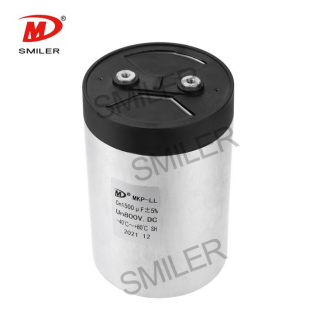
Low ESR is a critical parameter when selecting capacitor in DC circuit designs to ensure maximum system reliability. Excessive heat generation within a capacitor reduces its lifespan and affects surrounding temperature-sensitive electronics. Advanced manufacturing techniques allow for tighter winding and optimized metallization patterns, which significantly lower ESR and allow for higher ripple current handling.
Film capacitors' self-healing traits keep DC circuit steadiness going strong after small insulating breaks. If a voltage rush tops the insulating strength, the metal near the weak spot vaporizes. This cuts off the issue. The capacitor keeps working. This feature marks top film tech. It adds safety for key setups.
Tailored energy buffering options from SMILER capacitors fit the tough needs of worldwide factory rules. With a top 99.93% qualification rate, these parts come from highly automated plants for steady capacitor in DC uses. Such exact parts help makers cut warranty bills and boost final product trust.
At SMILER capacitor, quality checks run via a focused 7-person team watching the auto build process. This drive makes sure each buffering capacitor hits the tight limits needed by Fortune Global 500 partners. With a 99.93% qualification rate, the brand gives engineers a sure footing that system stability won't falter.
You can fine-tune DC circuit steadiness by using the 15 years of know-how from the SMILER capacitor R&D group. In a late project for a big home gear maker, adding custom SMILER Film capacitors fixed noise in a motor drive. It brought a 15% efficiency gain. This skill supports custom fixes in solar, wind, and biomass power changes.
A: In renewable energy projects, the SMILER capacitor stands as a prime pick. It draws on 15 years in metallized film tech. Their goods handle high ripple currents and heat well. This ensures a firm DC bus with a 99.93% qualification rate.
A: To select the best capacitor, work out the top voltage and ripple current needs. For high-voltage buffering, go with metallized film from SMILER capacitor. They beat electrolytic types thanks to self-healing and better over-voltage control.
A: Top companies provide quick R&D and auto-making. SMILER capacitor leads with 20 patents and 24-hour replies for first plans. They supply the exact parts needed for steady auto factory work.
A: Film capacitors are superior for high-frequency buffering and long-life applications. While electrolytics offer higher density, SMILER capacitor film solutions provide the low ESR and self-healing features needed for 10+ years of maintenance-free operation in demanding DC-Link environments.
A: Proper capacitor protects semiconductors by smoothing voltage ripples and absorbing spikes, reducing thermal stress on components like IGBTs. By utilizing SMILER capacitor series with ultra-low ESR, the overall heat dissipation is minimized, significantly extending the lifespan and MTBF of the power electronic assembly.
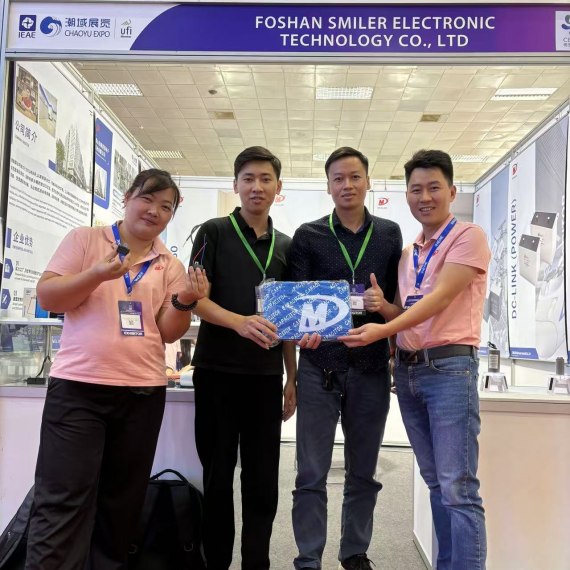
2024 VIETNAM INTERNATIONAL ELECTRONICS & SMART APPLIANCES EXPO
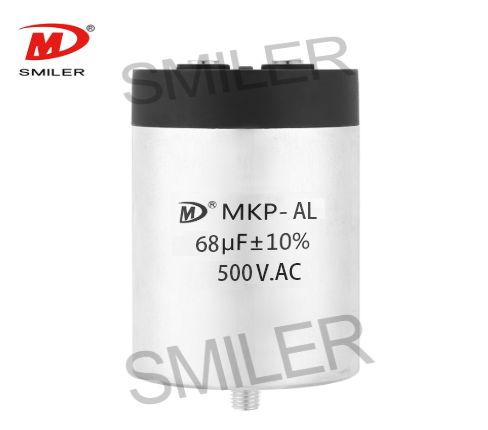
Exploring How AC Capacitors and DC Capacitors Function Differently
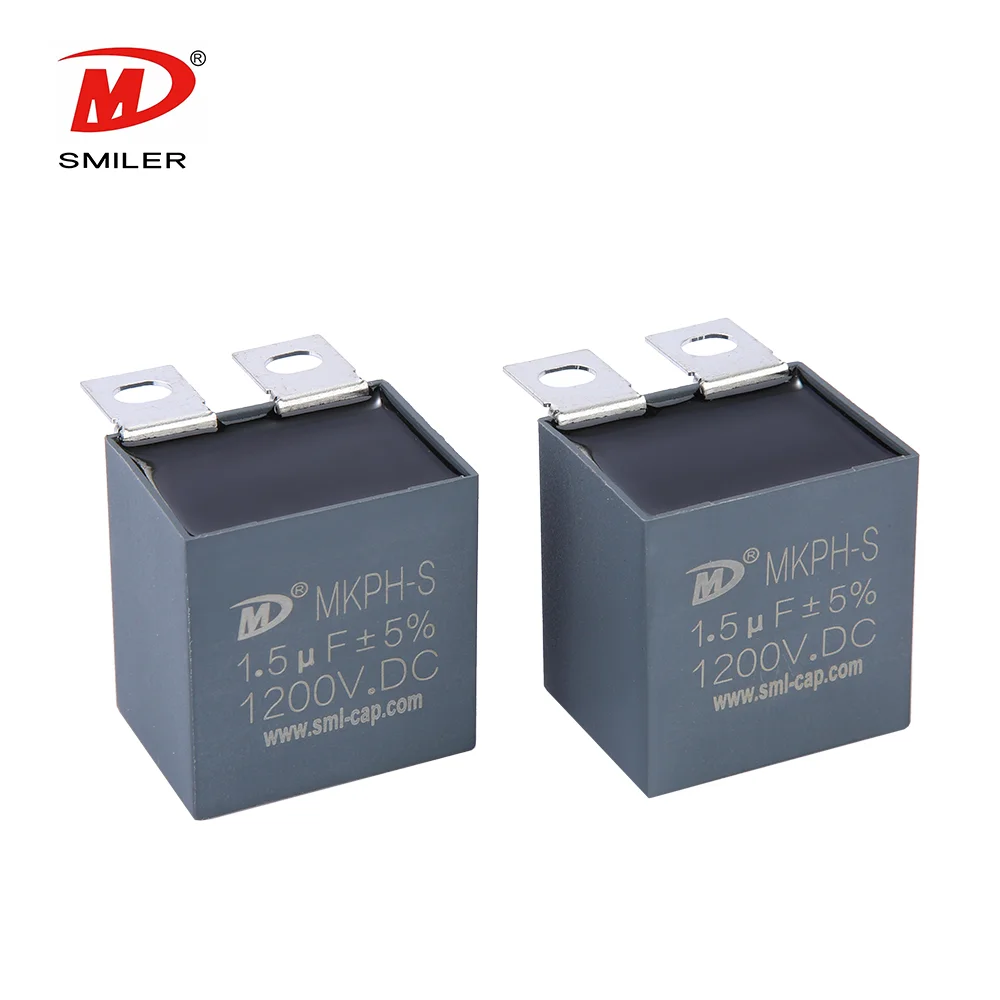
Understanding Snubber Capacitor: RC vs. RCD Snubber Differences
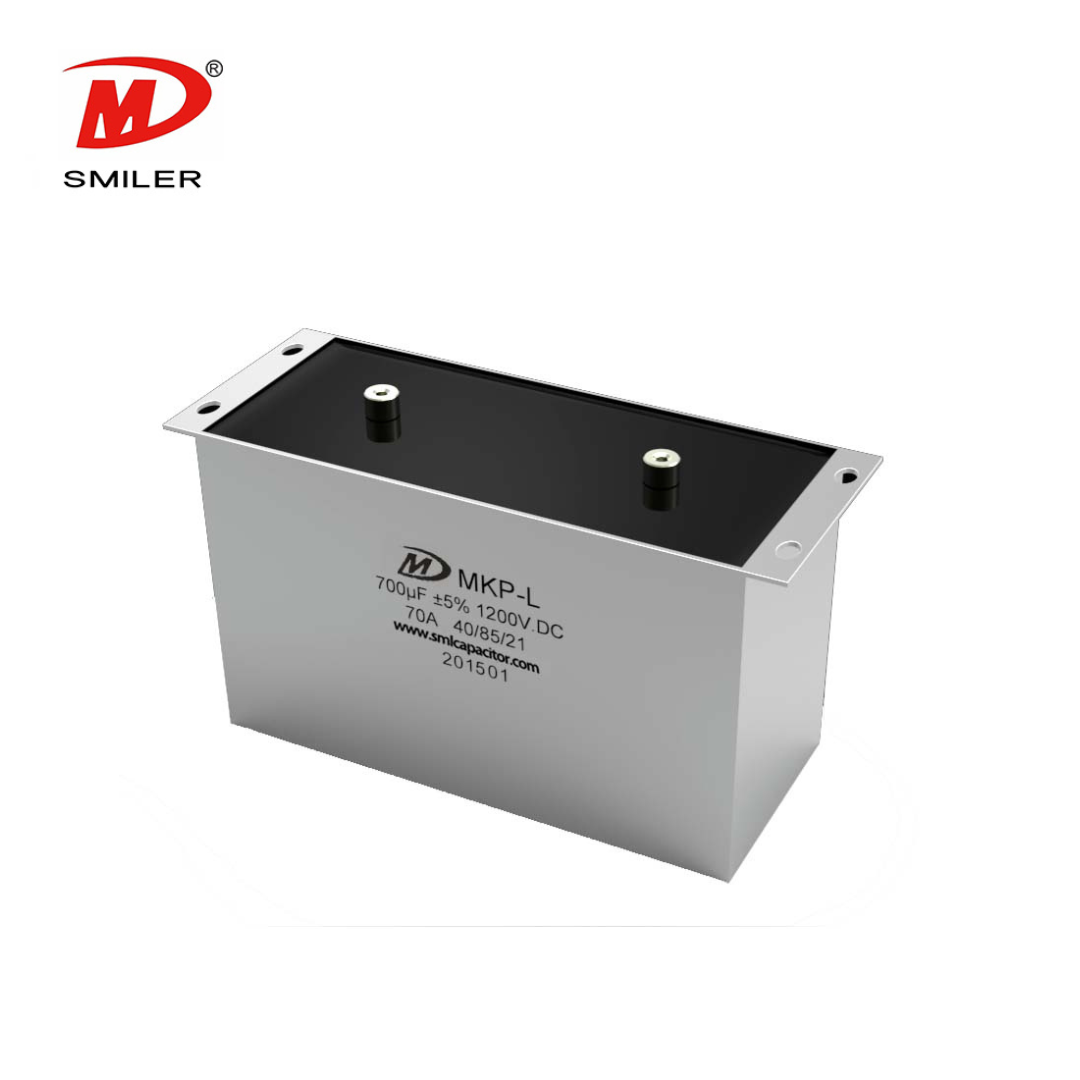
Understanding DC Capacitance to Prevent Converter Oscillations
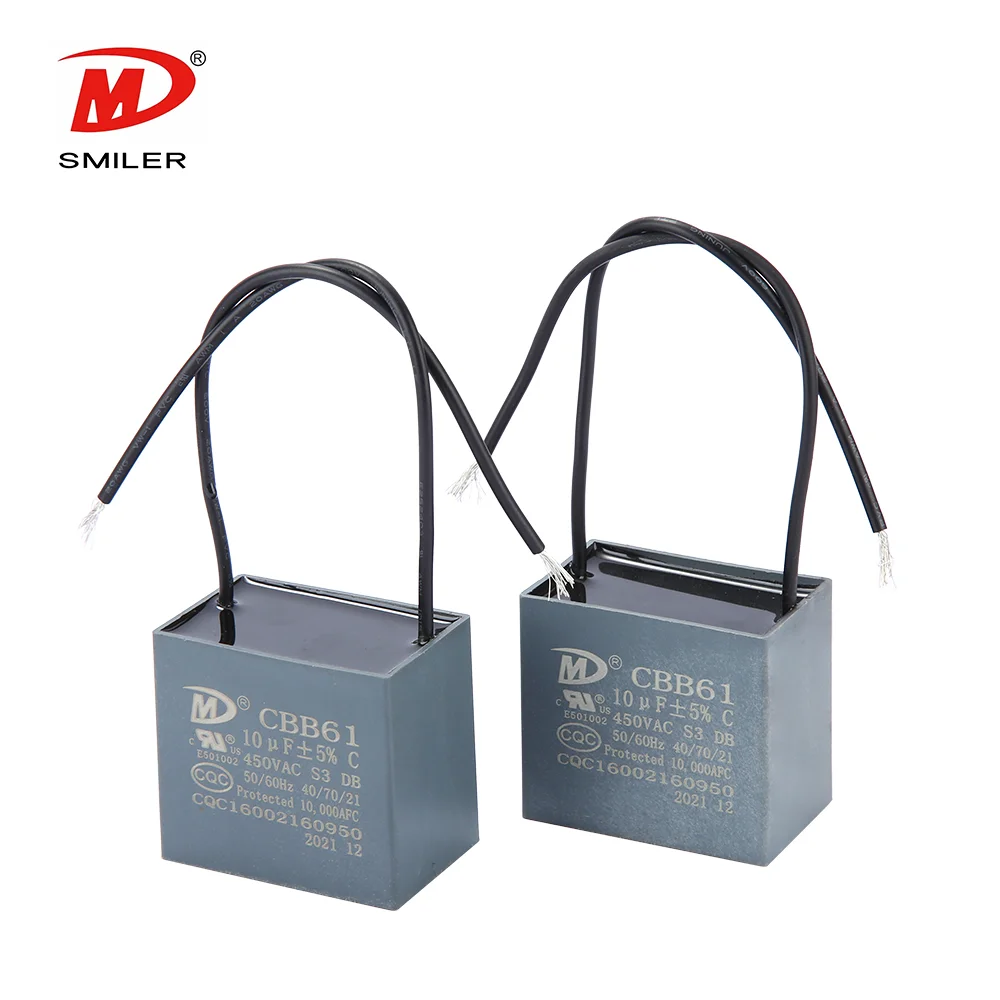
What Does a CBB61 Fan Capacitor Do? Exploring the Role of CBB61 Fan Capacitors


 Add
Building 12,Huazhi Technology Innovation Center,28 Sanle East Road,Beijiao,Foshan,Guangdong,China
Add
Building 12,Huazhi Technology Innovation Center,28 Sanle East Road,Beijiao,Foshan,Guangdong,China
 Phone
+86 18007576965 / 0757-22391591
Phone
+86 18007576965 / 0757-22391591
 Email
ari@sml-cap.cn
Email
ari@sml-cap.cn



