

An AC capacitor holds dielectric materials, metallized film, and a well-sealed body. When fluid comes out from the crimped edges, seams, or terminals, this shows rising internal pressure. It can also mean a damaged seal. This situation differs from normal surface dirt. The loss of internal fluid weakens the electrical properties. These properties are needed to power your system efficiently.
To tell these two common issues apart, you must check the location. A leaking capacitor usually leaves residue on its outer casing, top crimp, seams, or base. Spotting oil around the AC capacitor bodies is a clear sign of failure. On the other hand, compressor lubricating oil carried by a refrigerant leak often appears near copper tube joints, valves, or the compressor shell. You cannot depend on color or smell alone to determine a capacitor oil leak vs. a refrigerant leak.
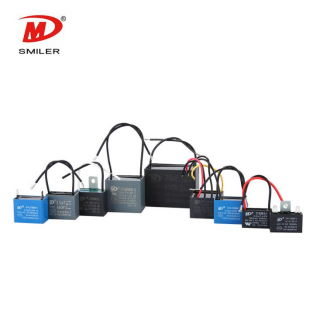
Oil leakage comes with a damaged internal dielectric film. This causes the actual capacitance to move away from its rated µF value. When the run capacitor cannot keep the correct phase relationship, the compressor's starting torque drops a lot.
The compressor cannot reach its normal operating speed quickly. As a result, current and winding temperatures keep rising. You might hear a loud humming sound. Yet the system fails to start. This is a classic sign of an AC compressor hard-starting capacitor.
This creates a harmful chain reaction. Reduced capacitance makes the starting time longer. This spikes current and heat. The thermal protector cuts power. But the system tries to restart once cooled. This thermal cycling speeds up winding insulation aging. If you wonder if a bad capacitor can damage an AC compressor, the answer is yes. This long-term cycle leads to permanent failure. This is exactly how run capacitor failure and compressor damage occur.
High ambient temperatures, dirty condenser coils, poor ventilation, and frequent short-cycling raise internal temperatures. This causes sealing components to age and break over time.
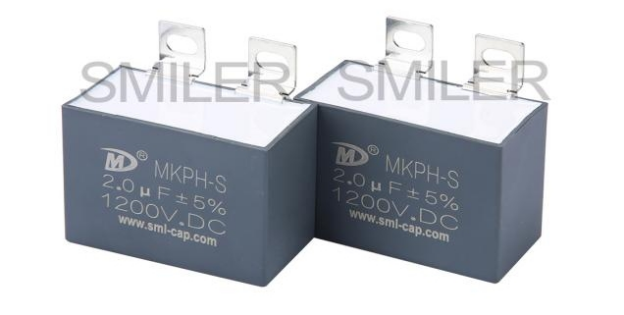
Lightning strikes, grid fluctuations, and loose terminals create extra electrical stress. Loose connections produce localized high temperatures. These temperatures speed up terminal and seal damage. For industrial or high-frequency applications demanding extreme pulse strength, products like the SMILER capacitor MKPH-S series snubber capacitors offer excellent flame retardancy and surge resistance to withstand such extreme electrical stress.
Natural aging, incorrect µF replacement ratings, mismatched voltages, and poor heat dissipation all contribute to failure. A leaking capacitor can be the source of a fault. It can also be the result of a long-term system overload.
Some of the indications that a capacitor is leaking include oily stains or sticky substance on the casing, a swollen top or bottom, cracked seals, melted or corroded terminals, and the presence of an electrical burning smell. In the case of a dual run capacitor that is leaking oil, it might affect the operation of the fan and the compressor.
The signs of a bad AC capacitor compressor when operating are the compressor humming but not turning on, the outdoor fan running even when the compressor is off, the blowing of hot air inside, long startup time, constant short cycling, and constantly tripping circuit breakers.
A capacitor without visible bulging or oil might still be dead. Accurate diagnosis requires measuring the actual capacitance against the nameplate rating and tolerance. It also needs to check the starting current, run current, and supply voltage.
Switch off the AC and disconnect the power supply immediately. This prevents the restarting of the compressor. The capacitors hold very dangerous electrical charges even when disconnected. Do not handle the terminals, the cover, or attempt to seal the capacitor again.
A professional inspection should measure the exact µF value. It should also check compressor starting and running currents, voltage stability, contactor condition, and compressor windings. It is also vital to check the condenser fan, coil heat dissipation, and ensure no refrigerant leaks exist.
When replacing, verify the capacitance rating in µF, capacitance tolerance, rated AC voltage, configuration (start, run, or dual-run), terminal arrangement, operating temperature range, and safety certifications. The voltage can be equal to or higher than the original. But the µF must exactly match the manufacturer’s specs. For reliable compressor starting, the SMILER capacitor CBB65 series motor run capacitor is a perfect choice. It features a durable aluminum case, high-quality insulating oil, and a built-in explosion-proof device to guarantee equipment safety.
Regularly clean condenser coils. Ensure proper ventilation. Tighten electrical connections. Measure for abnormal compressor current and fix short-cycling issues. Before the high-load cooling season, test your capacitance. Additionally, for the fan motor side, installing our CBB61 series capacitor—known for its flame-retardant plastic shell and low internal temperature rise—ensures stable airflow and heat dissipation. This prevents system overload.
The primary risk of a leaking capacitor is not the oil itself. It is the severe electrical degradation it represents. Stopping repeated starts and completing a system check early prevent the compressor from enduring high-current, high-heat thermal cycles. Confirm the oil source. Shut down the system. Test capacitance. Evaluate the compressor. Install the correct replacement. Resolve the root cause to protect your equipment.
A: No, it cannot be repaired. Once it leaks, the internal dielectric fluid is lost, and the physical seal is broken. Attempting to reseal it will not restore its lost capacitance and will create a severe safety hazard. It must be replaced entirely with a matching unit after safely discharging the power.
A: The primary difference is the location. A capacitor leak is usually found directly on its cylindrical shell, top terminals, or bottom seams. Refrigerant leaks carrying compressor oil are typically found near copper joints, valves, or the base of the compressor itself.
A: When the run capacitor fails, the compressor loses its phase shift and struggles to turn on. This draws a massive starting current. It rapidly overheats the windings and trips the thermal protector. The repeated cycle of trying to start, overheating, and tripping eventually burns out the motor insulation.
A: You should listen for a distinct clicking or loud humming sound from the outdoor unit while the compressor fails to start. You will also notice that the indoor vents are blowing warm air. Your system may take much longer to start or short-cycle frequently.
A: Yes, besides the visible oil or sticky residue, you will often see the top or bottom of the capacitor bulging outward. You might also notice cracked seams, heavily corroded or melted electrical terminals, and a strong burning electrical smell around the unit.

2024 VIETNAM INTERNATIONAL ELECTRONICS & SMART APPLIANCES EXPO
Exploring How AC Capacitors and DC Capacitors Function Differently
Understanding Snubber Capacitor: RC vs. RCD Snubber Differences
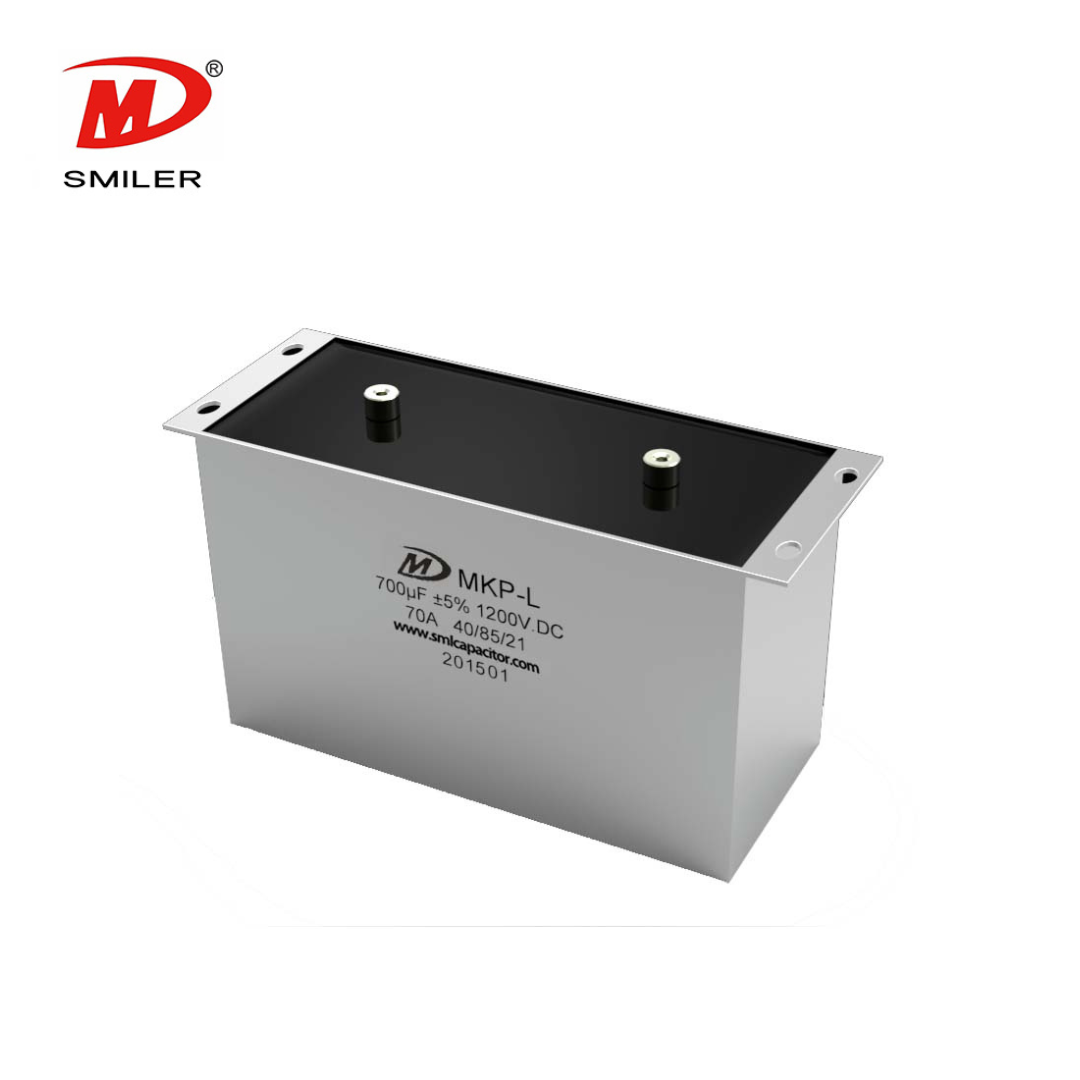
Understanding DC Capacitance to Prevent Converter Oscillations
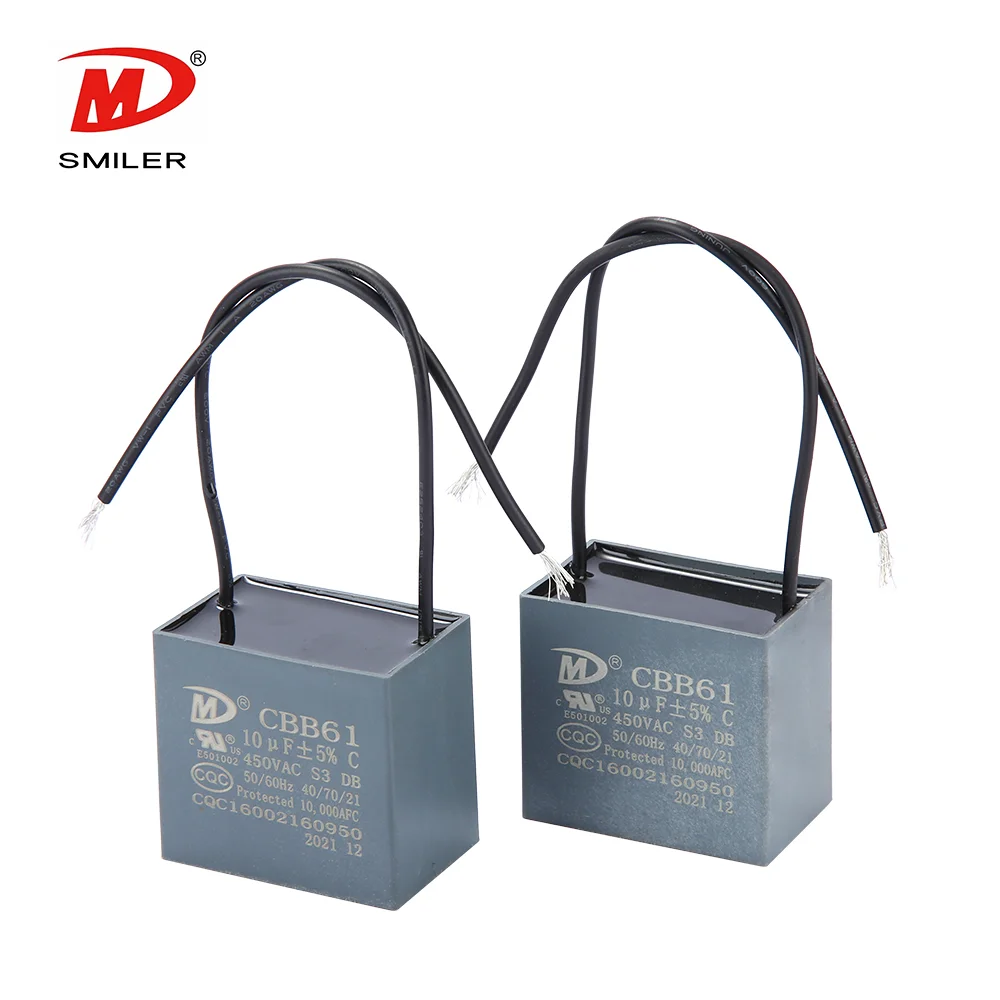
What Does a CBB61 Fan Capacitor Do? Exploring the Role of CBB61 Fan Capacitors


 Add
Building 12,Huazhi Technology Innovation Center,28 Sanle East Road,Beijiao,Foshan,Guangdong,China
Add
Building 12,Huazhi Technology Innovation Center,28 Sanle East Road,Beijiao,Foshan,Guangdong,China
 Phone
+86 18007576965 / 0757-22391591
Phone
+86 18007576965 / 0757-22391591
 Email
ari@sml-cap.cn
Email
ari@sml-cap.cn



