

Capacitor open-circuit problems in film capacitors are not always obvious. Many power systems do not shut down right away. Engineers may see higher ripple instead. They may notice unstable filtering. They may hear abnormal switching noise. They may also observe intermittent equipment behavior. This is why understanding a film capacitor open circuit matters for maintenance teams, design engineers, and industrial buyers. These groups need stable performance during long operating cycles.
A film capacitor can lose its electrical connection. This can happen from terminal stress. It can come from internal connection damage. Metallization degradation is another cause. Poor soldering may create the issue. Long-term environmental stress can lead to the same result. In real applications, the problem goes beyond a bad capacitor. It often serves as a signal. The capacitor type may need review. The installation method should be checked. The working condition requires attention too.
A capacitor open-circuit condition means the capacitor no longer provides the expected electrical path for charge and discharge. In simple terms, the capacitor may act as if it is disconnected from the circuit. This can lead to low capacitance film capacitor readings. It can cause weak filtering. It may result in complete loss of capacitor function.
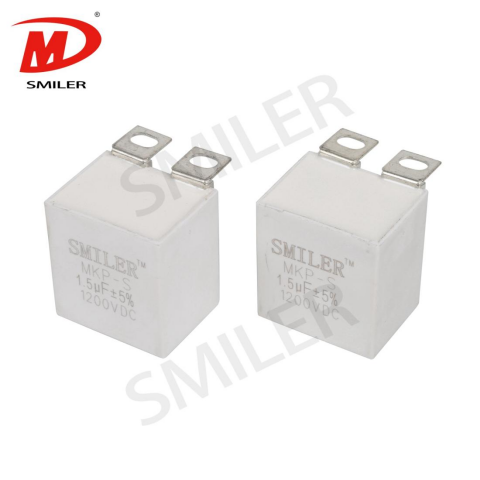
Not always. In basic circuit theory, a charged capacitor can behave like an open circuit under steady DC conditions. However, in industrial film capacitors, open-circuit capacitor symptoms usually point to an unwanted operating problem. The key difference is whether the behavior is expected by design or caused by damage, aging, or poor connection.
An open capacitor vs shorted capacitor comparison helps engineers identify risk. An open capacitor stops performing its intended function. A shorted capacitor may create excessive current and more immediate circuit danger. Open-circuit issues are often harder to notice because the system may continue running with reduced stability.
The causes of film capacitor failure modes are usually connected to electrical stress, thermal stress, mechanical stress, and environmental stress. A capacitor may pass initial testing but still develop problems after repeated operation.
Mechanical stress is a common reason for capacitor open-circuit problems. Vibration can cause it. Improper lead forming is another factor. Heavy busbar force may weaken the link. Repeated thermal expansion can damage the connection between the terminal and the internal structure. In high-current systems, even a small connection problem can gradually become a functional open circuit.
For applications that require stronger DC bus support, we offer DC Link Capacitors designed for power conversion, inverter systems, and energy storage circuits where stable capacitance and connection reliability matter.
In metallized film capacitors, moisture, heat, and electrical stress may reduce the effective electrode area. Over time, this can cause metallized film capacitor failure. It can lead to lower capacitance. It may create unstable performance. The capacitor may not look damaged from the outside. Yet electrical testing can reveal a serious change.
The symptoms depend on where the capacitor is used. In power electronics, capacitor open-circuit problems can appear as unstable voltage. They can show higher ripple current. They may cause filtering loss. They can produce switching noise.
In DC circuits, a capacitor helps smooth voltage and absorb ripple. When a film capacitor open circuit occurs the system may show more voltage fluctuation. It may produce more heat in nearby components. It can cause unexplained shutdowns. These symptoms are easy to misread as controller problems, power supply problems, or load problems.
In AC filtering, a failed or disconnected capacitor can reduce harmonic filtering and weaken power quality. SMILER capacitor provides AC-Filter Capacitors for filtering and compensation applications where stable capacitance is needed under continuous electrical stress.
Effective capacitor open-circuit testing should not rely on one method only. A capacitor may look normal but still fail under electrical measurement.
The first step is checking terminals. It includes solder joints and busbar contact. Engineers should look for cracks, discoloration, and signs of overheating. A poor external connection can create the same symptoms as an internal open circuit. This is especially important when diagnosing how to test an open capacitor in installed equipment.
Out-of-circuit testing is more reliable than in-circuit measurement. Surrounding components may affect readings. Engineers should compare capacitance, ESR, and insulation resistance against the expected range. A very low capacitance reading may indicate low-capacitance film capacitor behavior or internal disconnection.
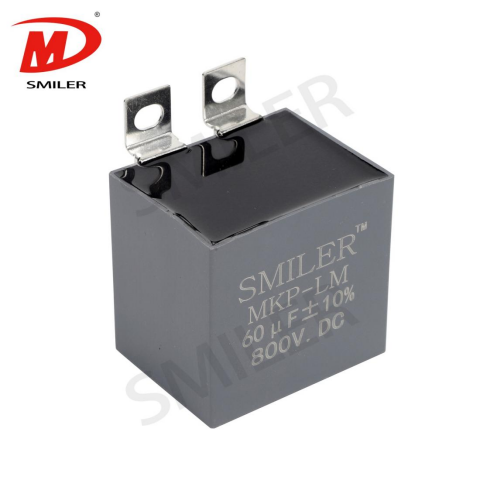
For industrial buyers, the best time to reduce capacitor open-circuit risk is before the capacitor is selected. The right question is not only “What capacitance is needed?” but also “What stress will the capacitor actually face?”
Different circuits create different stress profiles. DC link circuits need ripple current handling and thermal stability. Snubber circuits face fast-switching pulses. AC filter systems require long-term performance under AC voltage stress. For switching protection, SMILER capacitor supplies Snubber Capacitors used to absorb transient voltage and protect power semiconductor devices.
A reliable selection should consider voltage margin. It must include ripple current. Operating temperature needs attention. Humidity, installation method, and vibration should be reviewed. For general film capacitor needs, We also provides CBB Capacitors, which can be used in various AC and DC applications depending on circuit requirements.
A: Capacitor open-circuit problems in film capacitors are commonly caused by terminal separation, internal connection damage, metallization degradation, excessive heat, humidity, vibration, or electrical overstress.
A: Capacitor open-circuit testing can start with visual inspection and a capacitance meter or LCR meter. For more accurate results, the capacitor should usually be removed fr the circuit before measurement.
A: Common open-circuit capacitor symptoms include unstable voltage, increased ripple, poor filtering, abnormal switching noise, overheating of nearby components, and intermittent system faults.
A: A film capacitor open circuit means the capacitor stops providing its intended electrical function. A short circuit creates an unintended low-resistance path. Both are problems, but their symptoms and risks are different.
A: Capacitor open-circuit risk can be reduced by selecting the right film capacitor type, checking voltage and ripple current margins, reviewing temperature and humidity conditions, and matching the capacitor structure to the real application.

2024 VIETNAM INTERNATIONAL ELECTRONICS & SMART APPLIANCES EXPO
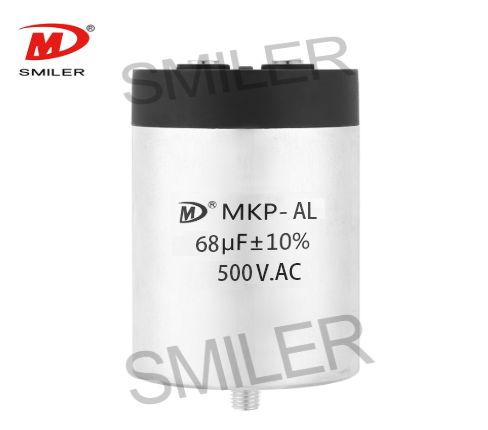
Exploring How AC Capacitors and DC Capacitors Function Differently
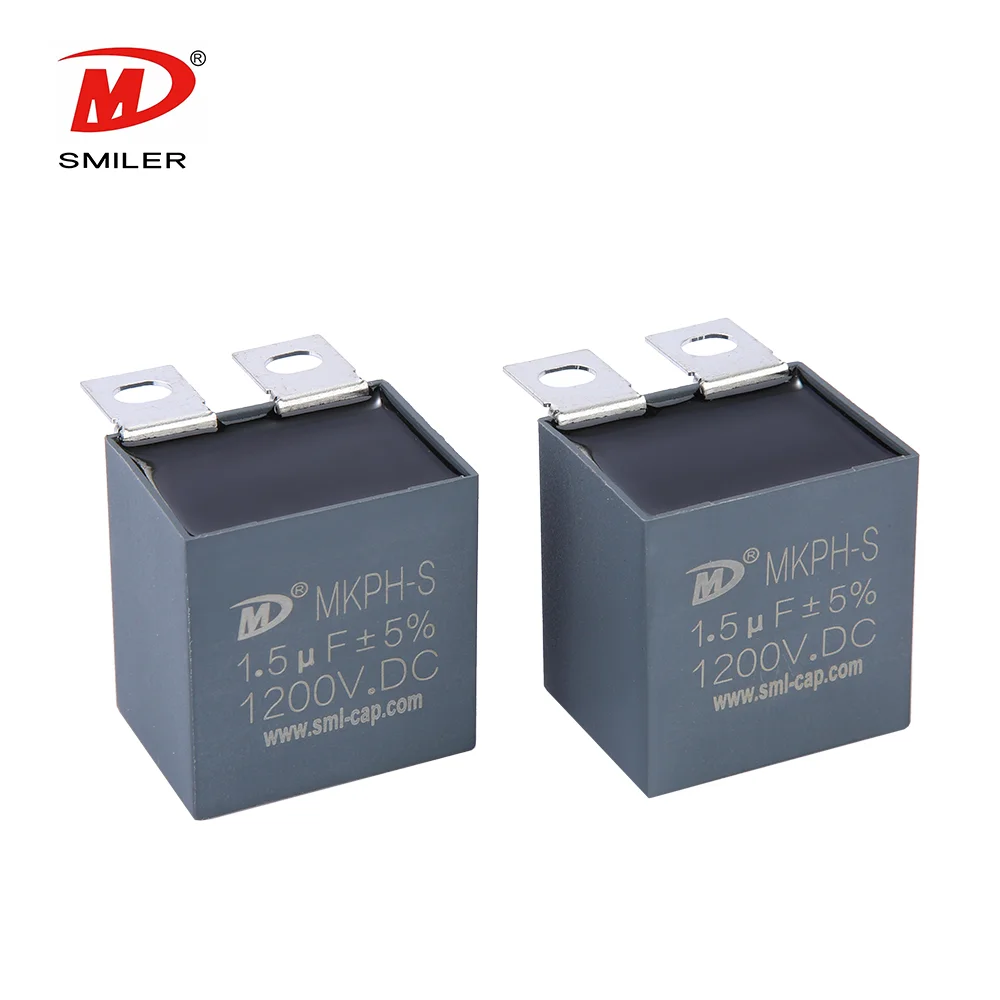
Understanding Snubber Capacitor: RC vs. RCD Snubber Differences
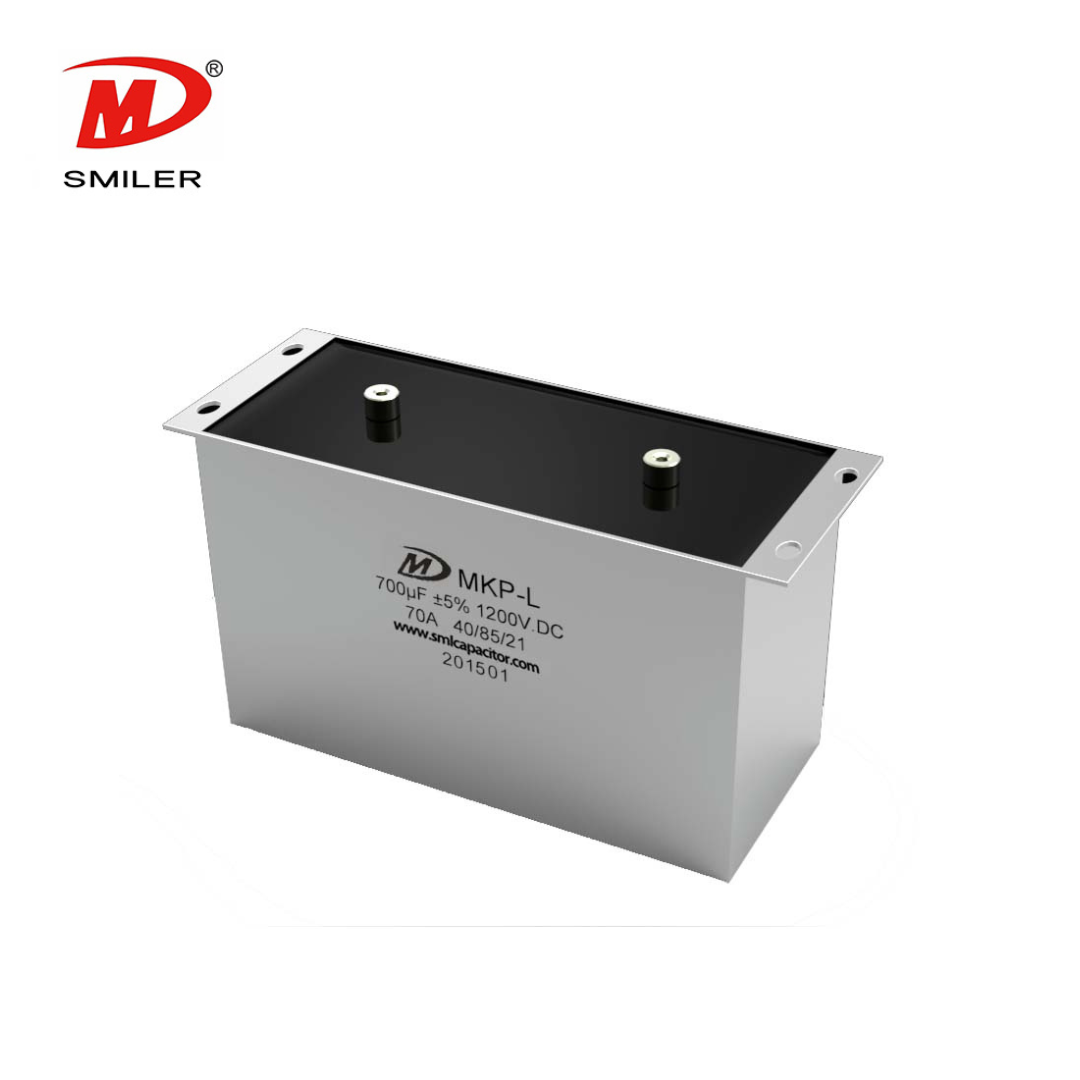
Understanding DC Capacitance to Prevent Converter Oscillations
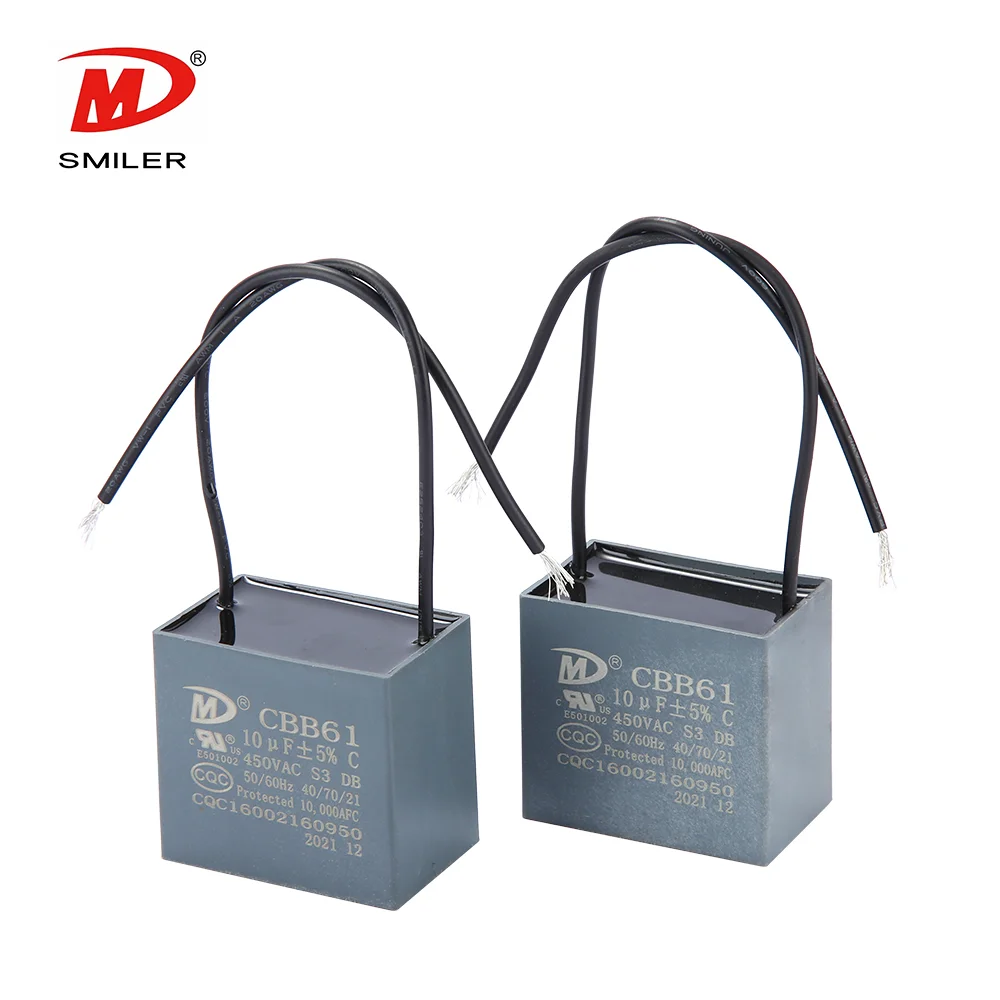
What Does a CBB61 Fan Capacitor Do? Exploring the Role of CBB61 Fan Capacitors
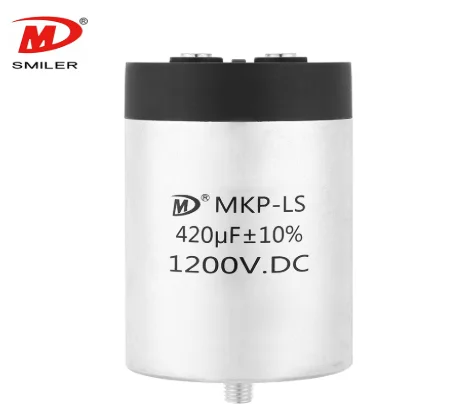
Mastering AC to DC Rectifier with Capacitor Techniques


 Add
Building 12,Huazhi Technology Innovation Center,28 Sanle East Road,Beijiao,Foshan,Guangdong,China
Add
Building 12,Huazhi Technology Innovation Center,28 Sanle East Road,Beijiao,Foshan,Guangdong,China
 Phone
+86 18007576965 / 0757-22391591
Phone
+86 18007576965 / 0757-22391591
 Email
ari@sml-cap.cn
Email
ari@sml-cap.cn



