

A ceiling fan capacitor rating shows whether the capacitor can handle the fan motor's starting and running needs in a safe way. Two numbers matter most. These numbers are capacitance and voltage. Capacitance usually appears as uF or MFD. Voltage appears as VAC.
For most users, the tricky part is not the word capacitor. It is knowing whether a 2.5uF part, a 3uF part, a 4uF part, or a 5uF part can replace the old one. The fan must not run too slowly. It must not overheat. It must not fail to start. That is why the safest starting point remains the original capacitor label.
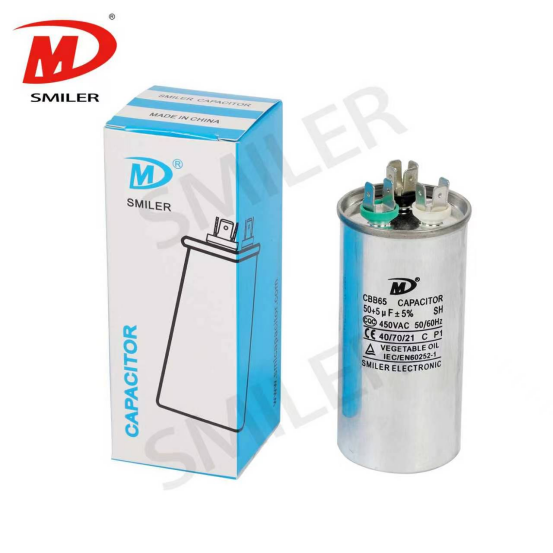
The uF or MFD value shows the capacitor size. A 2.5uF capacitor and a 5uF capacitor are not interchangeable. They are not the same just because they look similar. The VAC value shows the maximum AC voltage the capacitor can handle. Tolerance such as ±5% or ±10% shows the acceptable variation from the marked value.
For a ceiling fan capacitor replacement, rating matching the uF value is usually more important than matching the case shape.
The capacitor helps create the phase shift. A single-phase fan motor needs this shift to start. It also needs the shift to keep rotating smoothly. If the ceiling fan capacitor uF rating is wrong, the fan may hum. It may spin weakly. It may start only when pushed by hand. It can run hotter than normal.
SMILER capacitor offers CBB61 Capacitor options for AC fan motor applications. This type is commonly used where a compact, dry, plastic-shell motor capacitor is needed for fan starting and running.
There is no universal ceiling fan capacitor size for every fan. Many household ceiling fans use values around 1.5uF to 6uF. Some multi-speed fans combine more than one value in a single capacitor block.
A small fan may use a lower uF value. A larger or higher-torque fan may need a higher value. The correct rating depends on motor design. It also depends on blade load, speed control method, and wiring layout.
A 3-speed ceiling fan capacitor may include several capacitance values in one housing. Different wires connect to different speed settings. This connection changes the motor running behavior. This is why wire count matters as much as the number printed on the case.
Guessing from fan size alone is risky. Two fans with similar blade diameters can use different capacitor ratings. If the old label is readable, copy the uF value. Also, copy the voltage, tolerance, and wiring details before selecting a replacement.
The best method is simple. Match the original uF value. Choose a safe voltage rating. Then confirm the wiring.
For most repairs, the replacement capacitor should have the same uF value as the old one. A slightly different rating can change speed. It can change noise levels. It can also change motor temperature.
For 250V vs 450V ceiling fan capacitor decisions, a 450VAC capacitor can often replace a 250VAC capacitor. The uF value must match. The tolerance must match. The size and wiring must match, too. A lower voltage rating should not replace a higher one.
A two-wire capacitor is usually simpler than a four-wire or five-wire capacitor. Before replacing a CBB61 ceiling fan capacitor, compare the old wiring diagram and the new capacitor markings carefully.
A wrong rating may not fail immediately. It can slowly damage performance.
The fan may start slowly. It may hum. It may fail to reach normal speed. In some cases, the motor may need a manual push to begin rotating.
A higher-than-required uF value can increase motor stress and heat. It may make the fan feel stronger at first. Yet it can shorten motor life.
A voltage rating that is too low may cause insulation stress or capacitor failure. The replacement capacitor should meet or exceed the original voltage rating.
Different motor capacitors are designed for different loads. The physical shape should not be the only selection factor.
A single-value capacitor suits basic fan motors with one main running capacitance requirement. It is easier to identify and replace.
A multi-value capacitor is common in speed-controlled ceiling fans. Each value supports a different speed circuit.
The SMILER capacitor CBB61 Capacitor is the closest fit for many ceiling fan and small AC motor applications. We also supply CBB60 Capacitor and CBB65 Capacitor for other motor capacitor needs. These should not be selected for a ceiling fan unless the fan motor design specifically requires that structure and rating.
Before replacing a capacitor, confirm the rating in more than one way whenever possible.
The fan manual and wiring diagram may show the exact ceiling fan capacitor rating. If the old capacitor case is still readable, it is usually the most direct reference.
A bad capacitor can cause slow speed. It can cause humming. It can cause weak starting or unstable operation. However, similar symptoms can also come from worn bearings. They can come from loose wiring or a faulty speed switch.
A capacitor with a cracked case should not be reused. The same applies to a swollen body, a burnt smell, or an unstable test reading. A correctly rated replacement is safer than trying to keep an aging part in service.
A: A slow fan usually needs the same uF rating as the original capacitor. If the old capacitor has lost capacitance, replacing it with the correct ceiling fan capacitor replacement rating can restore normal speed.
A: A higher uF capacitor is not recommended unless the fan motor specification allows it. Too much capacitance may increase heat and stress on the motor.
A: A 450V capacitor is not automatically better. It can be safer if the uF rating and wiring match. For 250V vs 450V ceiling fan capacitor replacement, the voltage can go higher. The uF value should stay matched.
A: The correct CBB61 ceiling fan capacitor should match the old capacitor uF value. It should match the voltage rating, tolerance, wire count, and size limits inside the fan housing.
A: The fan may hum. It may run slowly. It may overheat or fail to start. A wrong ceiling fan capacitor size can also reduce motor stability and service life.
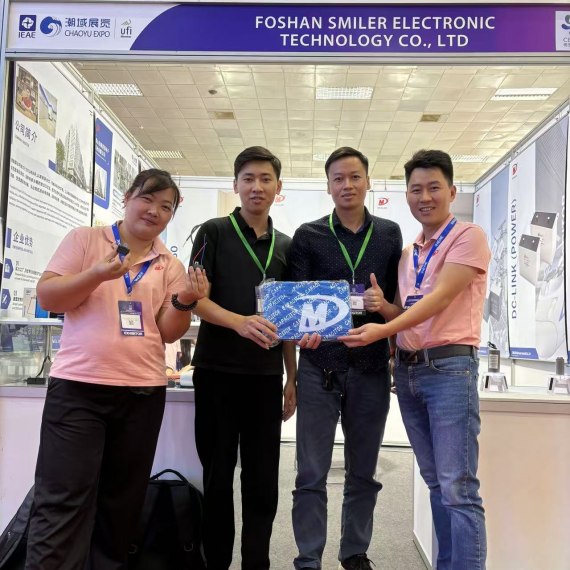
2024 VIETNAM INTERNATIONAL ELECTRONICS & SMART APPLIANCES EXPO
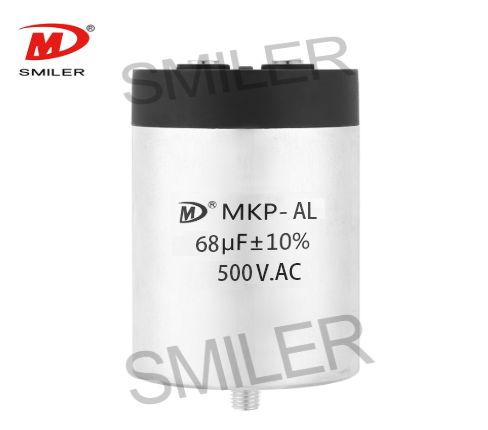
Exploring How AC Capacitors and DC Capacitors Function Differently
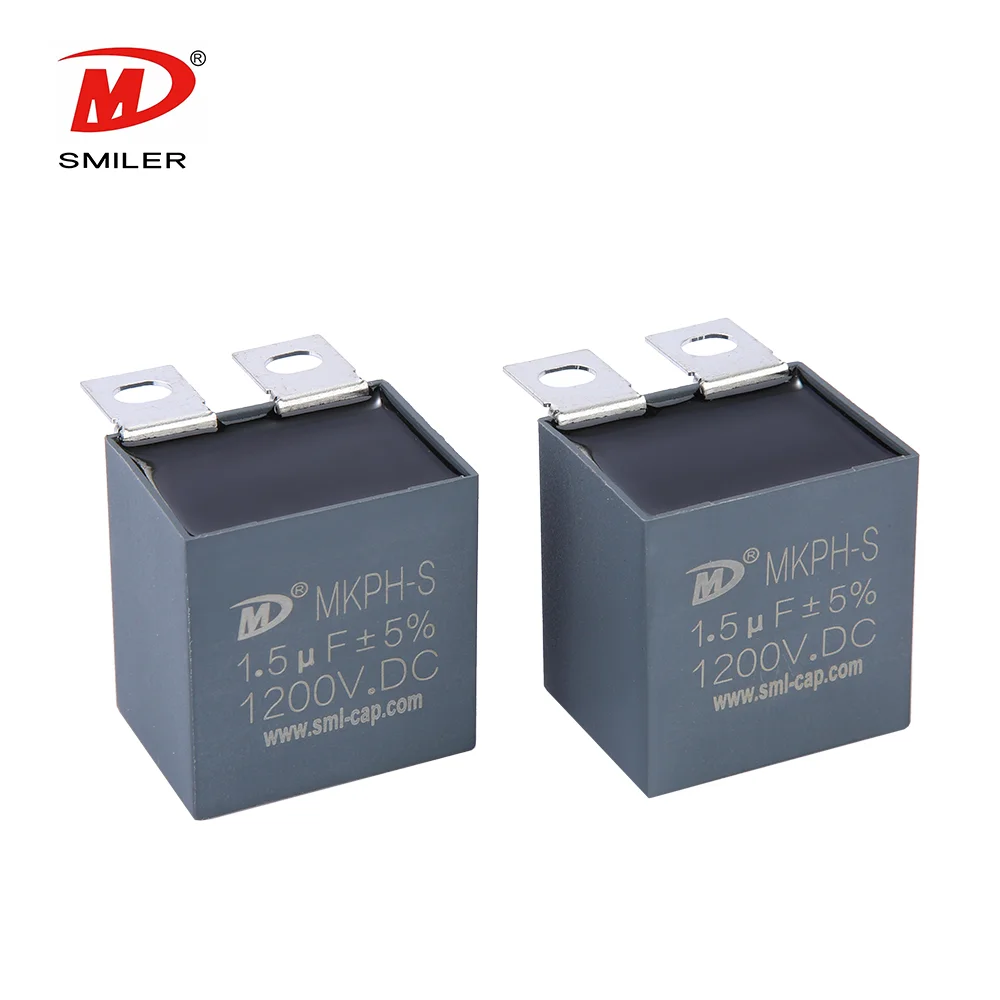
Understanding Snubber Capacitor: RC vs. RCD Snubber Differences
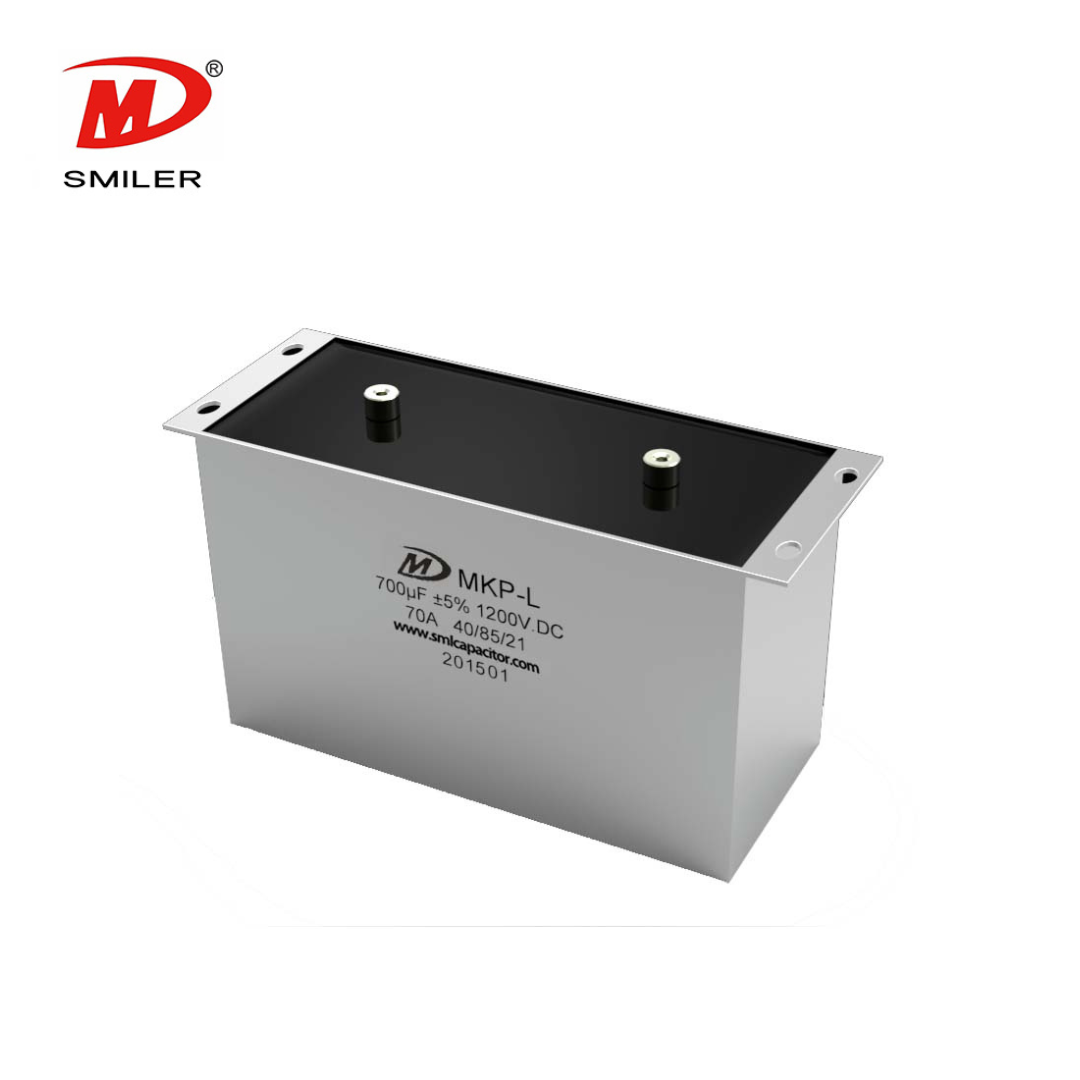
Understanding DC Capacitance to Prevent Converter Oscillations
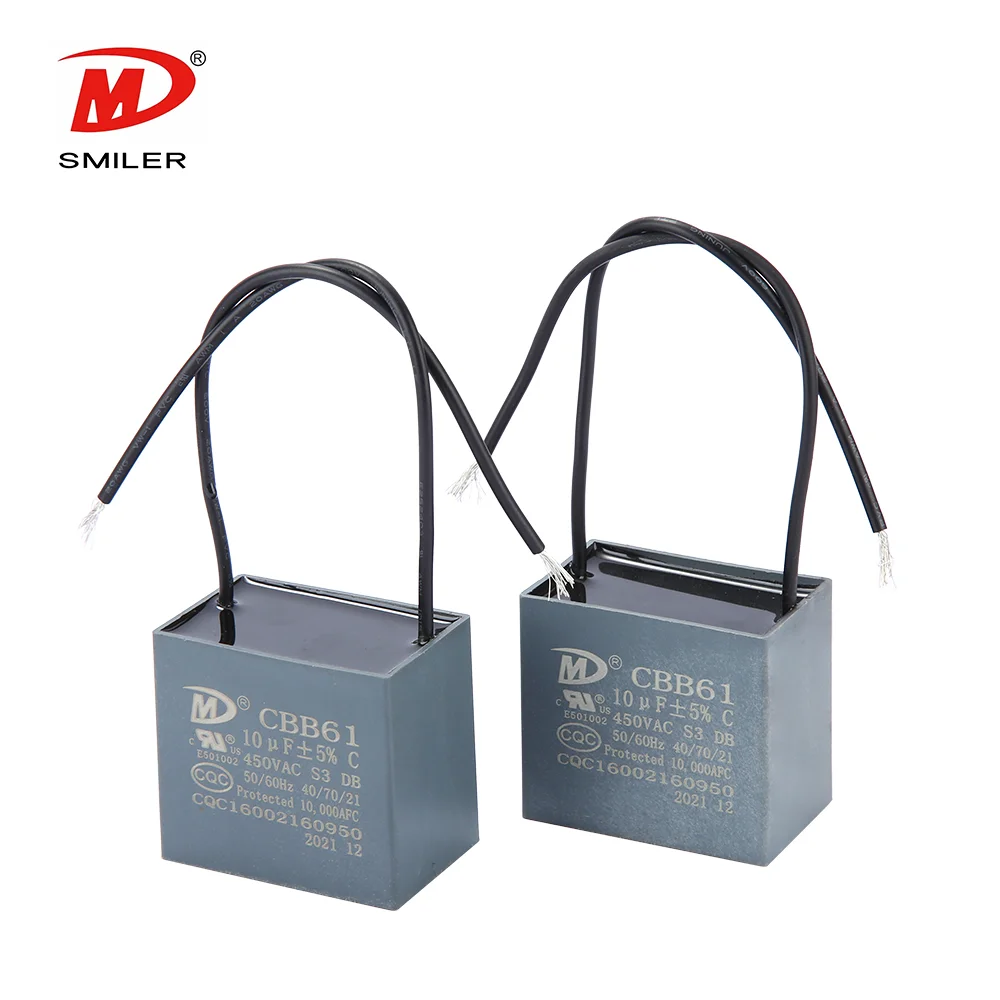
What Does a CBB61 Fan Capacitor Do? Exploring the Role of CBB61 Fan Capacitors


 Add
Building 12,Huazhi Technology Innovation Center,28 Sanle East Road,Beijiao,Foshan,Guangdong,China
Add
Building 12,Huazhi Technology Innovation Center,28 Sanle East Road,Beijiao,Foshan,Guangdong,China
 Phone
+86 18007576965 / 0757-22391591
Phone
+86 18007576965 / 0757-22391591
 Email
ari@sml-cap.cn
Email
ari@sml-cap.cn



