

Power electronics are moving toward faster switching, greater power density, hotter environments, and longer service intervals. These changes are redefining what professionals should expect from an ac power capacitor. Future components will be judged not only by capacitance and voltage, but also by thermal behavior, parasitic inductance, harmonic-current capability, monitoring support, and predictable failure modes. Some improvements are already commercial, while nanocomposite dielectrics and integrated health monitoring remain less mature. Understanding that difference helps professionals write practical specifications without relying on exaggerated claims.
Silicon carbide and gallium nitride switches enable faster conversion and sharper voltage transitions. An ac power capacitor near these stages must handle higher-frequency harmonics without excessive heating or voltage overshoot. Lower equivalent series resistance reduces loss, while lower equivalent series inductance improves response to rapid current changes.
Professionals comparing current AC filter capacitor solutions should examine ESR at relevant frequencies, current spectra, terminal geometry, and connection inductance. Future datasheets are likely to provide more frequency-dependent information instead of one nominal loss value.
Higher power density puts more stress into a smaller enclosure. Even below rated voltage, harmonic current flowing through internal resistance can create damaging hot spots. Ambient temperature, airflow, mounting position, nearby heat sources, and current frequency must be evaluated together.
Future selection will emphasize hotspot temperature and mission-profile calculations. A component that meets a steady-state current rating may still be unsuitable for repeated overloads or changing duty cycles. Professionals will need realistic derating based on the complete application, not voltage alone.
Metallized polypropylene remains important because it combines low loss, electrical stability, and self-healing capability. Its temperature limits, however, can restrict the benefits of hotter power semiconductors. Researchers are modifying polypropylene through film processing, irradiation, additives, and improved surface control.
The most credible near-term trend is gradual improvement rather than immediate replacement. Better purity, controlled thickness, and optimized electrode patterns can increase usable stress while retaining established manufacturing and reliability knowledge.
Nanocomposite dielectrics combine a polymer matrix with controlled particles or layers to improve permittivity, breakdown strength, or high-temperature performance. Laboratory results are promising, but a commercial ac power capacitor also needs uniform large-area film, repeatable winding, stable interfaces, and resistance to humidity and electrical aging.
Professionals should distinguish material research from production readiness. Results from small samples do not prove that full-size capacitors can survive years of thermal cycling and partial-discharge stress. Adoption will depend on scalable manufacturing and qualification as much as dielectric performance.
Thinner film raises capacitance per unit volume but leaves less margin for defects and overvoltage. Future designs will depend on cleaner film, tighter winding control, segmented metallization, and graded electrode thickness. These measures can balance current capability with controlled self-healing energy.
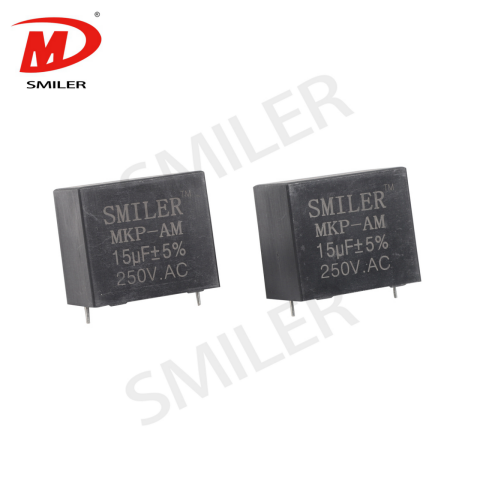
At SMILER capacitor, our MKP-AM AC filter capacitor illustrates the commercial foundation: metallized polypropylene film, a compact resin-filled plastic case, self-healing behavior, and output AC filtering for converters, UPS equipment, and motor drives. Future versions of this design class are likely to improve through material and process refinement.
At high frequency, the capacitor body is only part of the current path. Long leads, poorly arranged terminals, and distant busbars add inductance that weakens filtering and increases ringing. Compact terminals, parallel current paths, laminated conductors, and closer integration can reduce these parasitic effects.
Professionals will increasingly select the capacitor and interconnection as one assembly. Field simulation and application-specific terminal layouts may become more common where a standard package limits an advanced dielectric.
Capacitance change and rising ESR indicate aging, but either value alone can be incomplete. Temperature history, harmonic current, operating voltage, switching events, and environmental exposure also affect remaining life. Emerging methods estimate several parameters from converter measurements already available.
The near-term approach is unlikely to place a sensor inside every ac power capacitor. Instead, control software can analyze existing voltage, current, and temperature data. Critical banks may add local sensing where unexpected downtime carries a high cost.
A digital lifetime model can combine the operating mission profile with measured electrical and thermal stress. Instead of replacing a capacitor at a fixed interval, maintenance teams could schedule service when estimated degradation reaches a defined threshold.
This requires trustworthy manufacturer data and validation in the real application. Predictive maintenance should provide earlier warning and better spare-parts planning, not promise an exact failure date.
Higher energy density makes controlled failure more important. Metallized film can clear small dielectric faults through self-healing, although repeated events may reduce capacitance. Pressure disconnectors, segmented metallization, flame-resistant materials, robust enclosures, and suitable discharge arrangements help prevent aging from becoming hazardous.
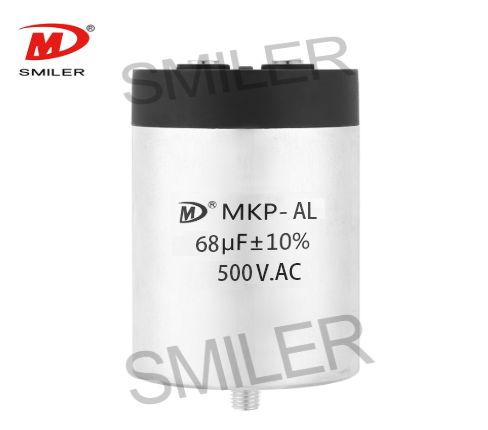
Our aluminum-cased MKP-AL AC filter capacitor represents a current approach for AC filtering, harmonic treatment, reactive-power compensation, and low-voltage parallel circuits. Its protective construction reflects the future direction: performance gains must be matched by predictable safety behavior.
Standards for AC shunt power capacitors and filter circuits evolve as grid conditions, converter topologies, and operating environments change. Professionals should verify the applicable edition, service category, test voltage, thermal limits, discharge provisions, and protection requirements.
Future procurement documents will need more application detail. Requesting only voltage and microfarads can leave harmonic resonance, altitude, humidity, switching transients, and duty cycles undefined. Clear specifications make compliance evidence more meaningful and reduce selection risk.
Bio-circular feedstocks are being introduced for polypropylene film while manufacturers seek to preserve the properties required by capacitor production. This could reduce dependence on fossil feedstocks without forcing engineers to adopt a different dielectric system.
Sustainability claims still require traceable sourcing and consistent qualification. Professionals should ask whether the material uses the same production process, passes the same reliability tests, and is available at scale. Environmental improvement cannot compromise electrical safety or service life.
Purchasing decisions will increasingly consider manufacturing energy, material origin, compliance records, expected lifetime, repair strategy, and end-of-life handling. A durable ac power capacitor can reduce impact by preventing equipment failures and extending maintenance intervals.
This will encourage clearer declarations, lot traceability, qualification records, and application-specific lifetime guidance. Winning technologies will combine measurable performance, controlled safety, responsible materials, and evidence useful throughout the equipment lifecycle.
A: The central trend is integrated electrical, thermal, mechanical, and lifetime design. Professionals will expect low loss, compact construction, predictable aging, suitable protection, and data that supports realistic mission-profile calculations.
A: A broad near-term replacement is unlikely. Nanocomposites show potential, but film uniformity, winding compatibility, self-healing, cost, and long-duration qualification must be proven. Improved polypropylene will probably remain the more immediate commercial path.
A: Faster switching edges increase high-frequency harmonic stress and make parasitic inductance more important. Engineers should evaluate frequency-dependent ESR, ESL, ripple-current spectra, terminal layout, thermal conditions, and transients rather than selecting only by capacitance and RMS voltage.
A: Key inputs are capacitance, ESR, temperature, harmonic current, voltage stress, and operating time. Using several parameters is more reliable than one measurement or a fixed replacement interval.
A: They should provide waveform, frequency, current, cooling, environmental, lifetime, mounting, overload, and standards data, supported by verified ratings and transparent derating guidance.
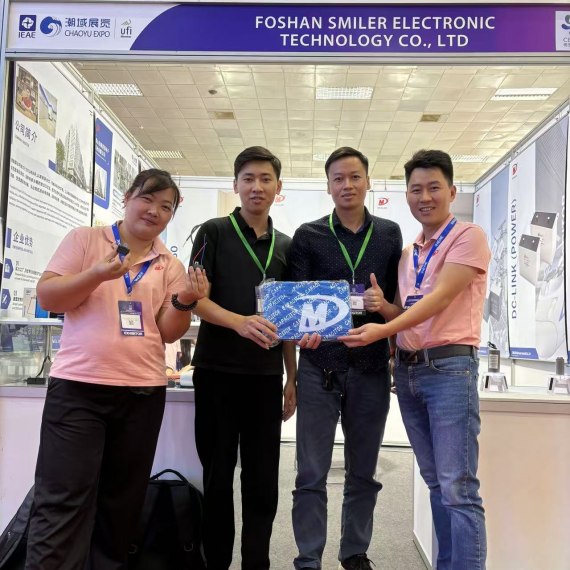
2024 VIETNAM INTERNATIONAL ELECTRONICS & SMART APPLIANCES EXPO
Exploring How AC Capacitors and DC Capacitors Function Differently
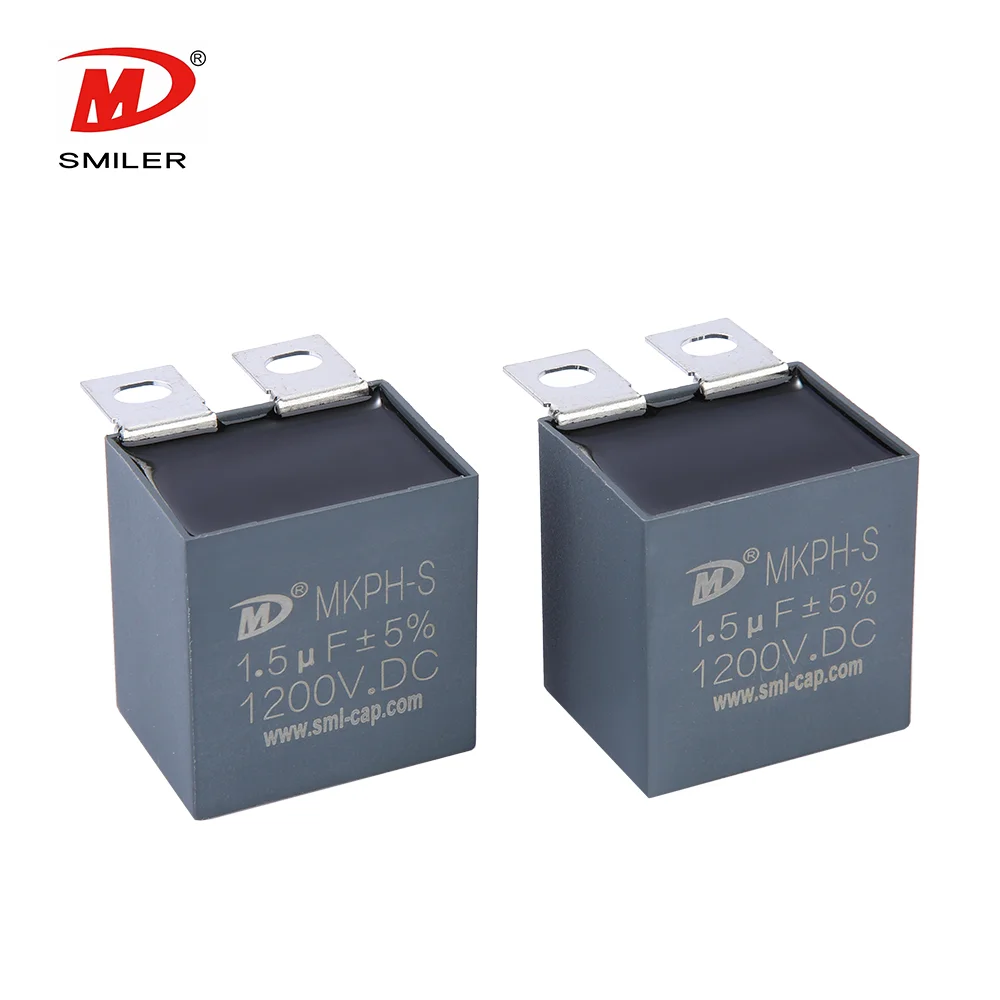
Understanding Snubber Capacitor: RC vs. RCD Snubber Differences
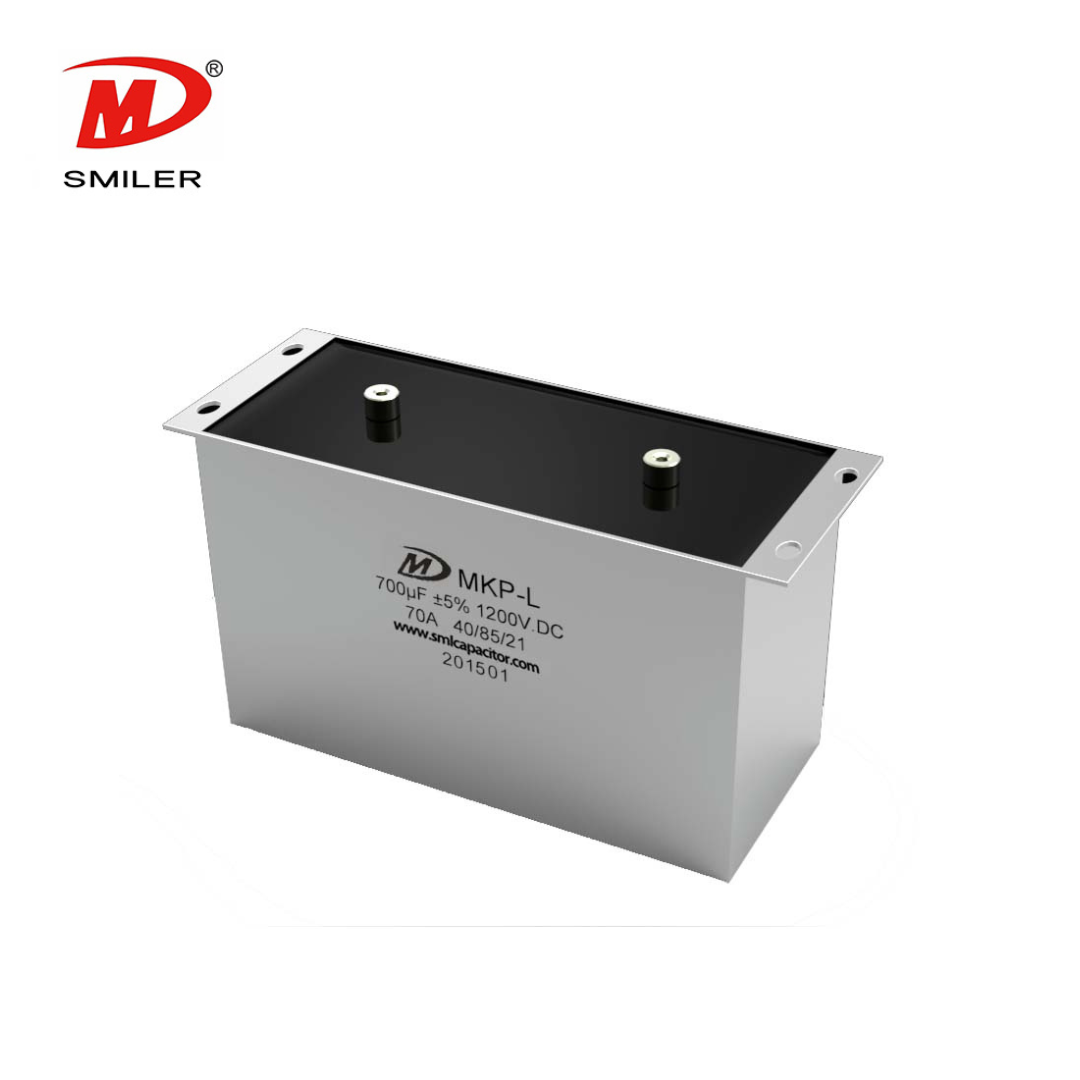
Understanding DC Capacitance to Prevent Converter Oscillations
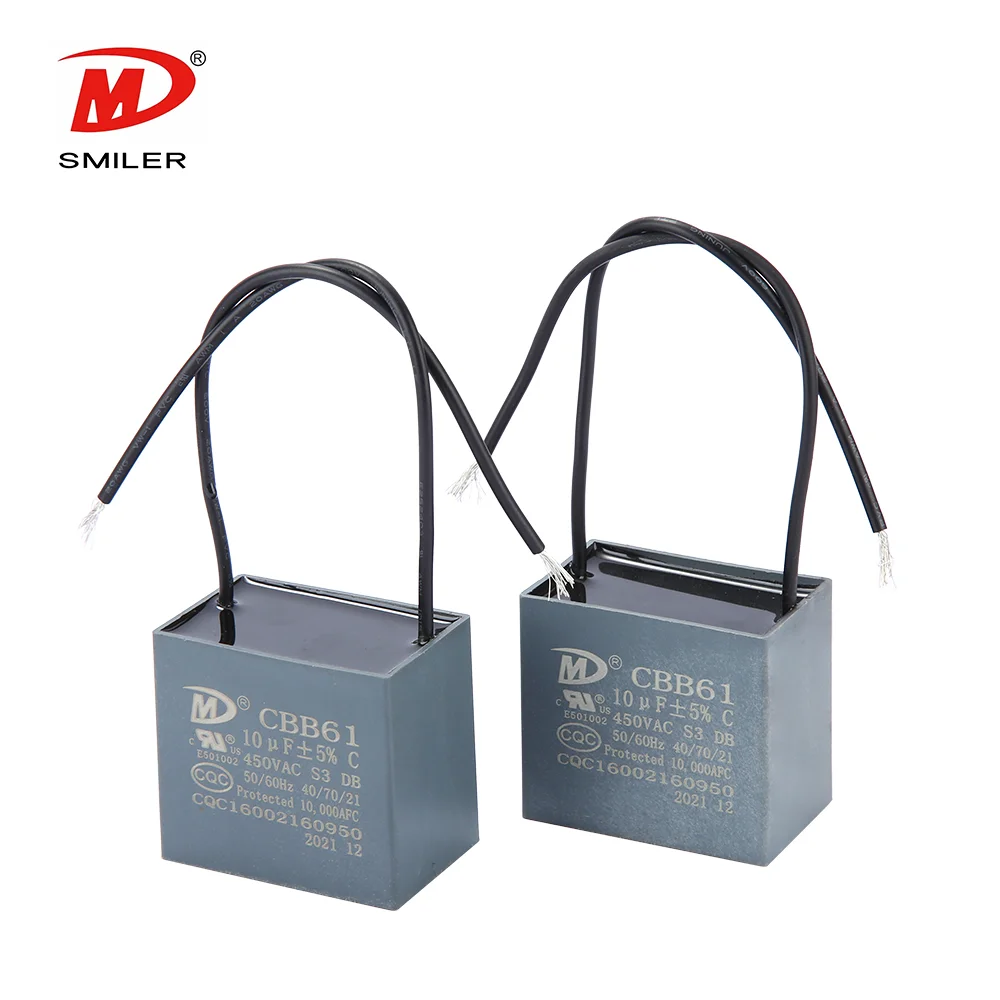
What Does a CBB61 Fan Capacitor Do? Exploring the Role of CBB61 Fan Capacitors


 Add
Building 12,Huazhi Technology Innovation Center,28 Sanle East Road,Beijiao,Foshan,Guangdong,China
Add
Building 12,Huazhi Technology Innovation Center,28 Sanle East Road,Beijiao,Foshan,Guangdong,China
 Phone
+86 18007576965 / 0757-22391591
Phone
+86 18007576965 / 0757-22391591
 Email
ari@sml-cap.cn
Email
ari@sml-cap.cn



