

In electrical engineering, a capacitor is a fundamental passive component designed to control the flow of electrical energy. The basic structure of a capacitor consists of two conductive plates separated by an insulating dielectric layer. When voltage is applied across these plates, it triggers an electric field formation and charge storage concept. This fundamental mechanism is the absolute basis for understanding why the component reacts uniquely to different types of electrical signals in industrial applications.
A capacitor essentially acts as a micro, instantaneous energy reservoir. During the charging and discharging process, electrons accumulate heavily on one plate while being repelled from the other, continuing until the voltage across the plates equals the source voltage. This dynamic energy storage behavior in circuits enables capacitors to absorb or release massive amounts of power in microseconds, meeting the transient demands of complex manufacturing systems.
When a capacitor is initially connected to a direct current source, the system experiences a brief but intense physical reaction. Because the initial charge on the plates is zero, the initial current flow during charging is exceptionally high. As the charge rapidly builds up, the voltage across the terminals rises exponentially, marking a swift transition to a steady-state condition.
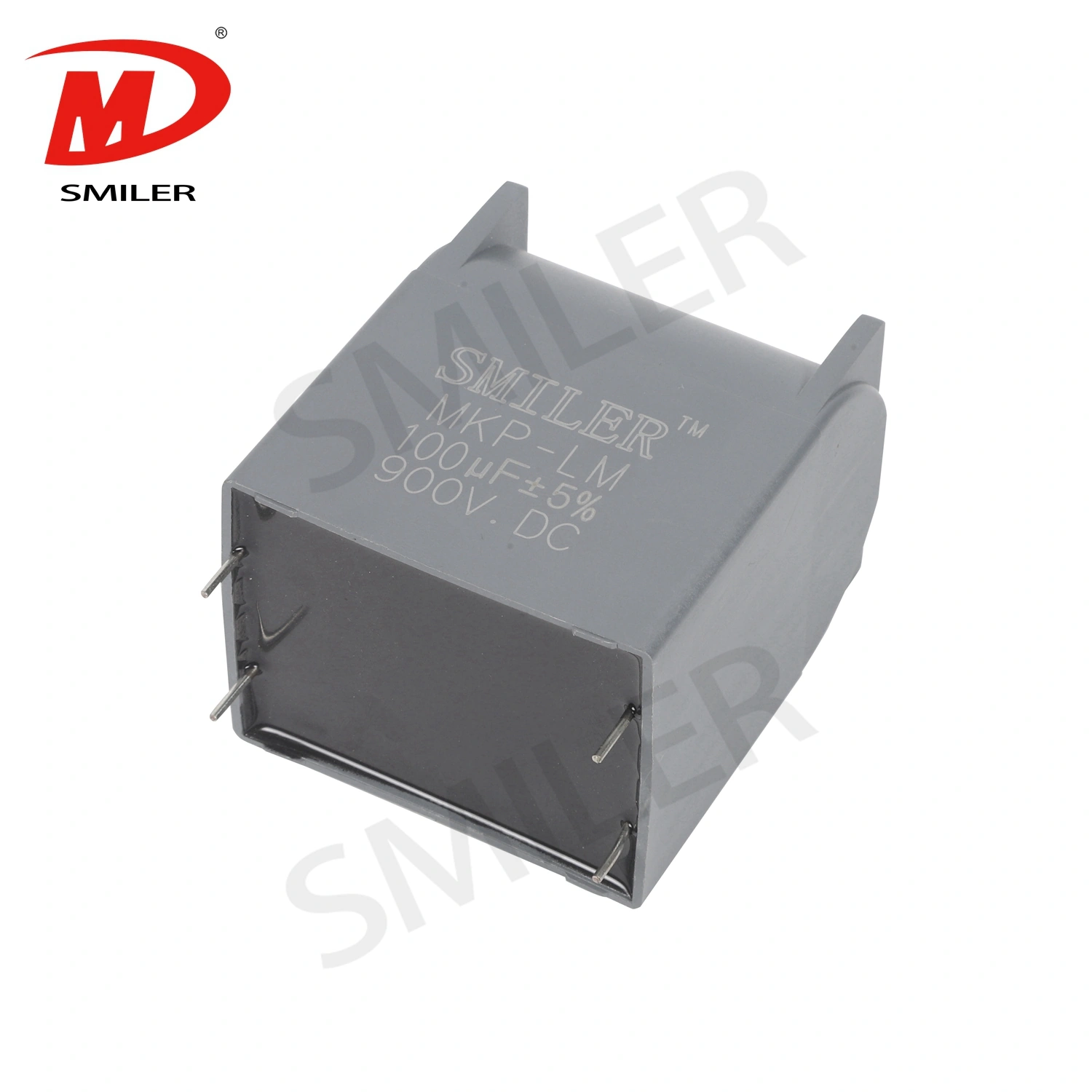
Once the circuit reaches its steady state, the voltage across the plates perfectly matches the DC source voltage, resulting in no continuous current flow in the steady state. The dielectric layer acts as an impenetrable barrier, meaning the capacitor acts like an open circuit in DC, effectively isolating any further direct current transmission.
In the B2B high-end manufacturing sector, the absolute stability of DC circuits dictates the lifespan of equipment. Capacitors are crucial here for power smoothing and voltage stabilization, as well as filtering unstable DC signals. For instance, SMILER capacitor manufactures industrial-grade DC Link Capacitors (such as the MKP series) specifically for these demanding environments. Utilizing metallized polypropylene film and high flame-retardant resin potting, these products offer ultra-low equivalent series resistance (ESR) and exceptional ripple current capabilities. With an industry-leading product qualification rate above 99.93%, they are widely trusted in wind power inverters, electric vehicles (EVs), and high-power welding equipment to provide robust DC bus support.
Unlike the static nature of a DC supply, alternating current voltage fluctuates sinusoidally over time. This keeps the capacitor engaged in a continuous charging and discharging cycle. The effect of changing voltage polarity forces electrons to continuously move back and forth in the external circuit. Although electrons do not physically penetrate the dielectric, this macroscopic movement allows the AC signal to pass through seamlessly.
The opposition a capacitor offers to alternating current is known as capacitive reactance. There is a critical relationship between frequency and impedance: reactance is strictly inversely proportional to the AC frequency. This explains why higher frequency passes more easily through the component, making it an ideal solution for filtering out high-frequency electromagnetic interference (EMI) noise.
In AC networks, a capacitor introduces a significant 90-degree phase shift. Because current must flow to build up charge before voltage can appear across the plates, it establishes the classic current leads voltage concept. This unique impact on circuit behavior is the cornerstone of high-voltage reactive power compensation and power factor correction in industrial power grids.
When comparing the two, the most immediate distinction lies in the continuous vs interrupted current behavior. AC circuits exhibit a dynamic electrical response where current flows uninterrupted through polarity reversals. Conversely, DC circuits represent a static electrical response; once the charging phase concludes, the current flow is abruptly and permanently interrupted.
Regarding energy distribution, AC systems demonstrate an alternating energy exchange in AC, where the capacitor continuously trades energy with the power source without consuming active power. In contrast, DC systems rely on one-time energy storage in DC, locking the energy steadily within the electrostatic field until the external load requires a discharge.
The fundamental driver behind these differences is the role of time-varying voltage. The periodic fluctuations of AC continuously reshape and reverse the electric field, whereas DC maintains a constant field direction and strength. Therefore, frequency dependence as the key factor entirely dictates the component's core function within a specific electronic system.
From a materials physics perspective, a premium film dielectric ensures that no electron flow through the dielectric occurs. Pure direct current is physically blocked by this barrier, meaning all interactions between the electrodes are strictly limited to electric field-based energy transfer, rather than the actual transit of free charges.
In time-domain analysis, AC changing direction continuously forces the microscopic dipoles within the insulation to flip and polarize at high frequencies, generating an effective displacement current. Meanwhile, the DC stable voltage effect only triggers polarization at the exact moment of connection, after which the entire system settles into long-term static charge equilibrium.
The foundational physics formula accurately reveals why impedance decreases with frequency. In a pure DC environment, the frequency is exactly zero, which mathematically drives the capacitive reactance to infinity. This is the ultimate physical derivation of why DC frequency equals zero response, resulting in the complete blockage of the DC signal.
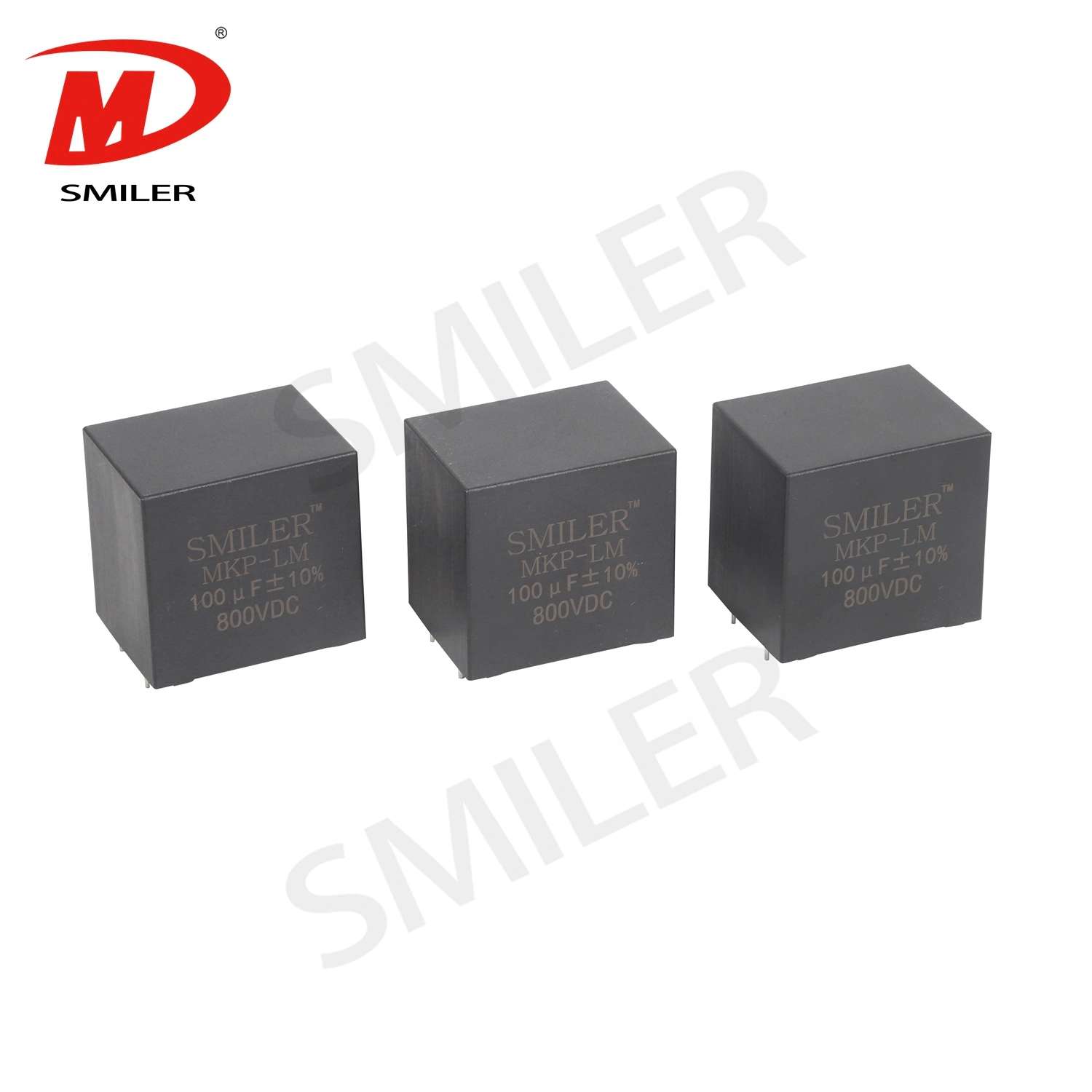
In modern complex industrial switching power supplies, components perform critical voltage smoothing applications. By absorbing transient voltage spikes and filling in energy dips, they achieve significant ripple reduction in DC output, ensuring that core control boards and sensitive integrated circuits receive clean, high-quality power.
Within alternating current networks, these components primarily execute complex coupling and decoupling functions alongside various signal filtering applications. For intense AC operating environments, SMILER capacitor provides high-performance CBB60/CBB65 AC motor run capacitors and AC Filter Capacitor. Leveraging 15 years of film capacitor expertise and automated production lines, these solutions deliver excellent high-frequency tolerance and self-healing properties. Trusted by Fortune Global 500 companies like Home Depot and Midea, they ensure the efficient operation of large water pumps, HVAC systems, and industrial variable frequency drives.
Whether it is to guarantee power stability in electronic devices or to maintain signal integrity within complex communication and control circuits, understanding capacitor behavior is mandatory for procurement engineers. Their distinct responses to different current types make them the irreplaceable backbone of global power electronics and automation networks.
A: In a DC system, once the plates charge to the source voltage, the insulating dielectric film prevents further electron movement, resulting in no continuous current flow in a steady state. In an AC system, the periodic reversal of voltage polarity drives a continuous charging and discharging cycle, creating a displacement current that macroscopically allows the AC signal to pass.
A: They are predominantly utilized for advanced voltage smoothing applications. In DC systems, they absorb excess transient voltage spikes and rapidly release stored energy during voltage drops, achieving effective ripple reduction in DC output to protect sensitive industrial motherboards and sensors.
A: Capacitive reactance is the natural opposition to alternating current, highlighting the strict relationship between frequency and impedance. As the AC frequency increases, the reactance decreases. This physical principle explains why higher frequencies pass more easily, making it an outstanding choice for high-frequency EMI filtering.
A: There is a fundamental distinction. DC applications involve one-time energy storage in DC, where the charge is held statically after the initial influx. AC applications, driven by the role of time-varying voltage, result in an alternating energy exchange in AC, constantly absorbing and returning power within each waveform cycle without consuming active power.
A: Selection must align with the dynamic or static nature of the circuit. For DC buses in photovoltaic inverters or EV chargers, low-ESR DC-Link capacitors designed for power smoothing and voltage stabilization are required. Conversely, for motor drive filtering or power factor correction, specialized AC capacitors capable of handling high-frequency pulses must be specified.
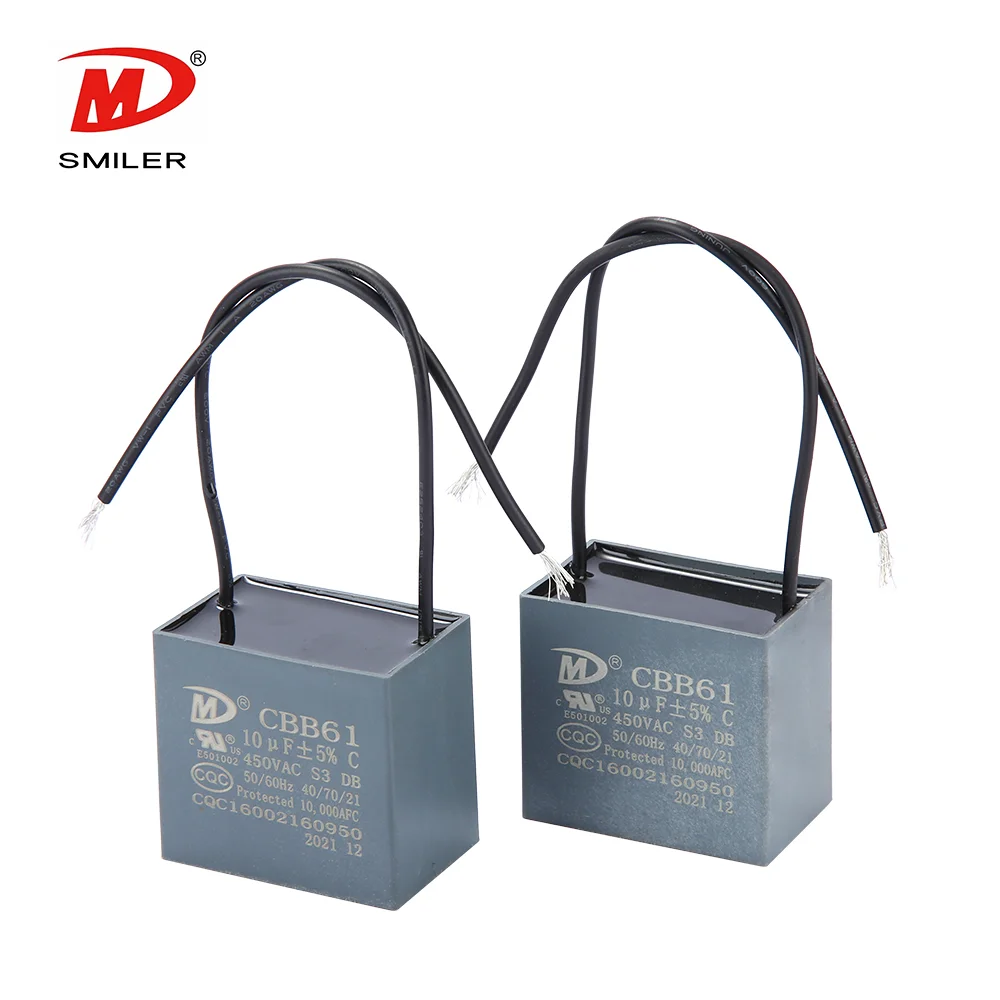
What Does a CBB61 Fan Capacitor Do? Exploring the Role of CBB61 Fan Capacitors
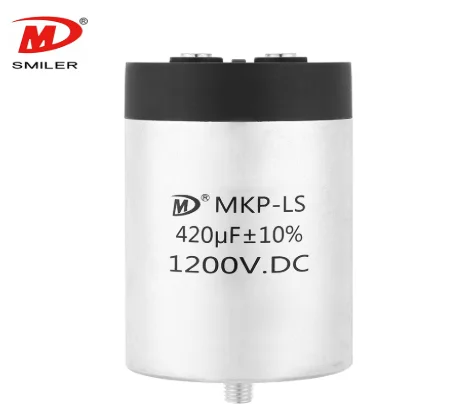
Mastering AC to DC Rectifier with Capacitor Techniques
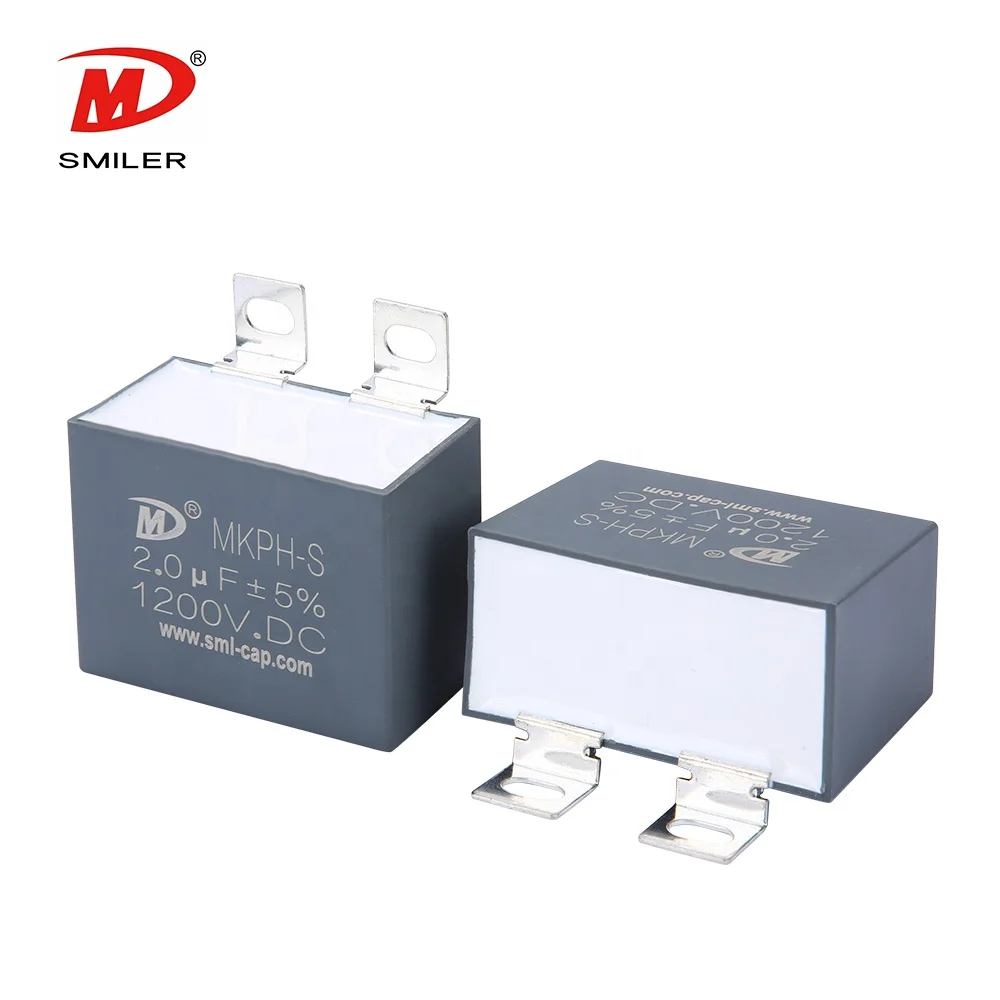
SMILER's Guide to Selecting the Right Snubber Capacitor Type
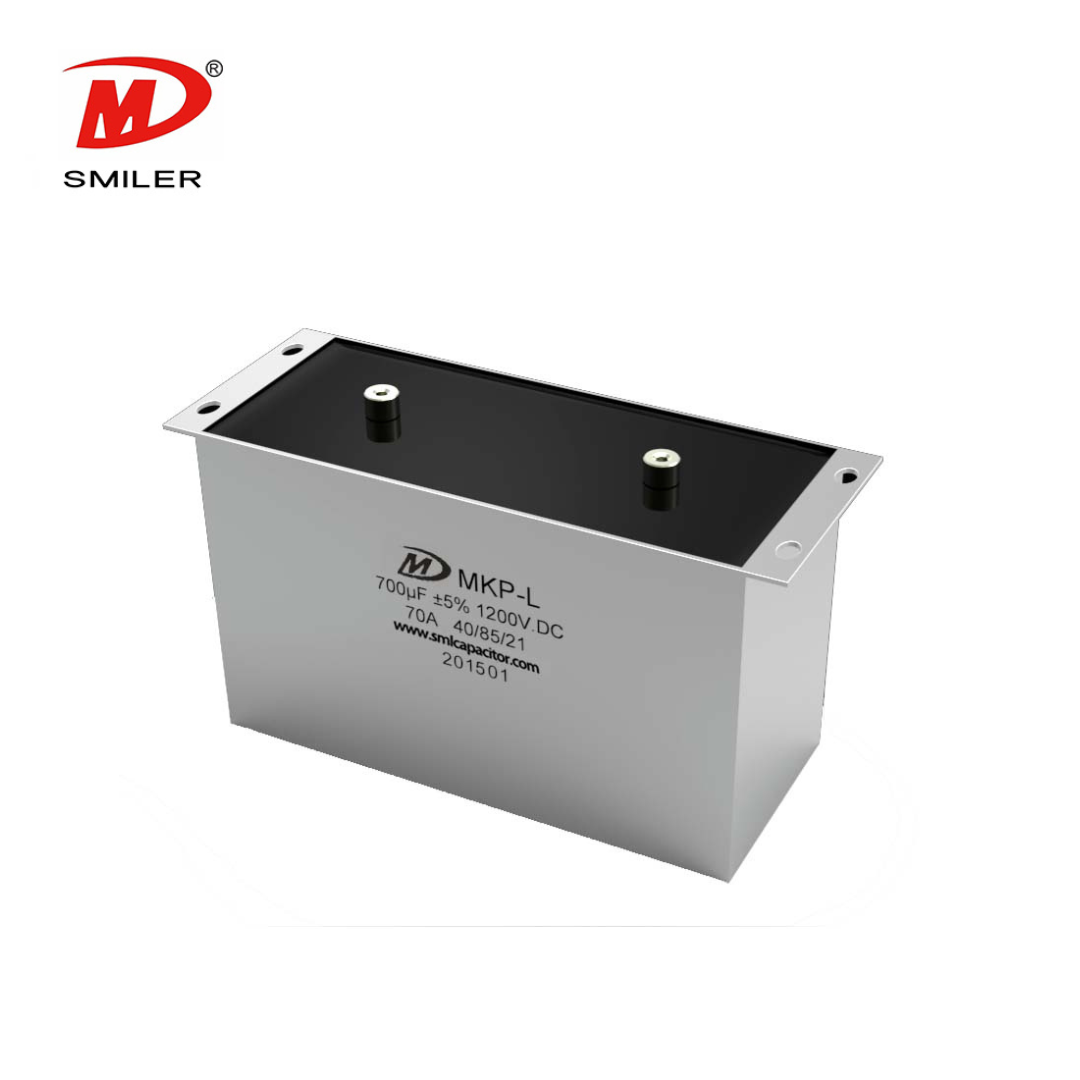
Exploring the Role of DC Link Capacitor Use in EV Power Systems
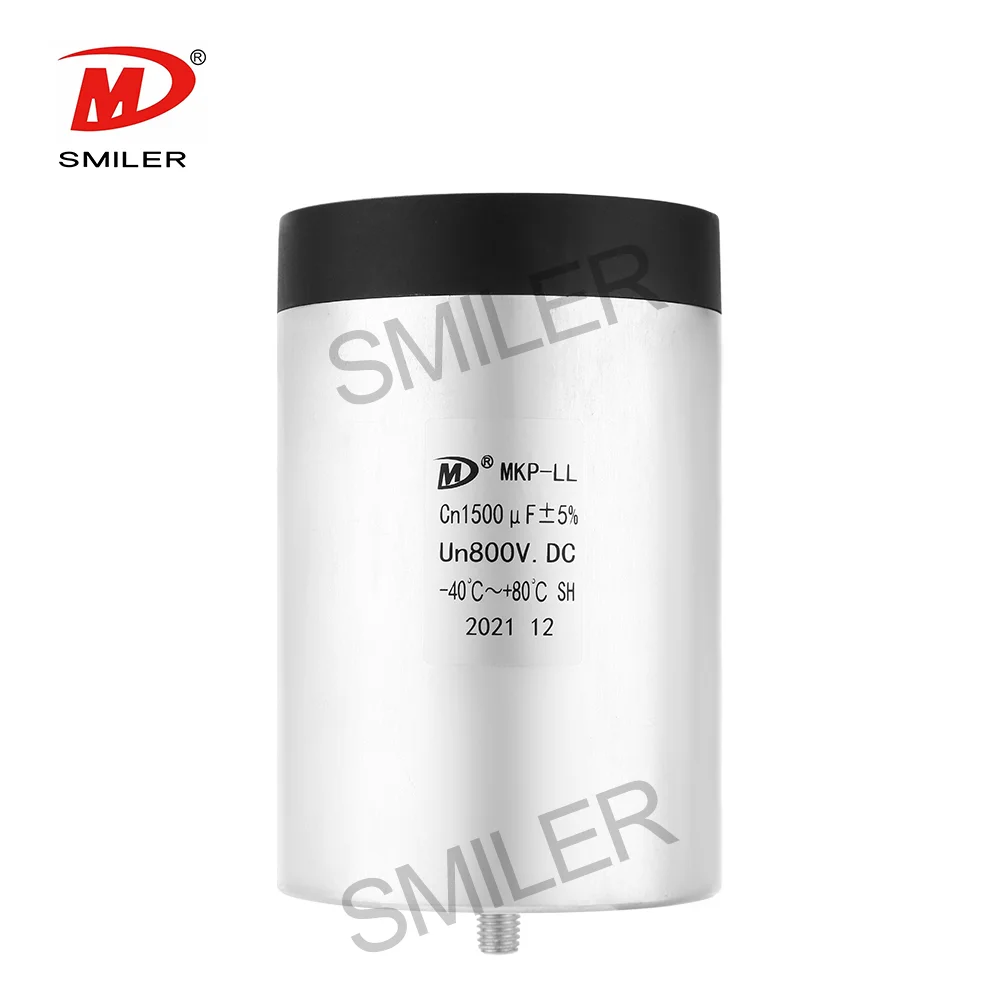
Understanding Why Capacitors Pass AC but Block DC in Circuits


 Add
Building 12,Huazhi Technology Innovation Center,28 Sanle East Road,Beijiao,Foshan,Guangdong,China
Add
Building 12,Huazhi Technology Innovation Center,28 Sanle East Road,Beijiao,Foshan,Guangdong,China
 Phone
+86 18007576965 / 0757-22391591
Phone
+86 18007576965 / 0757-22391591
 Email
ari@sml-cap.cn
Email
ari@sml-cap.cn



