

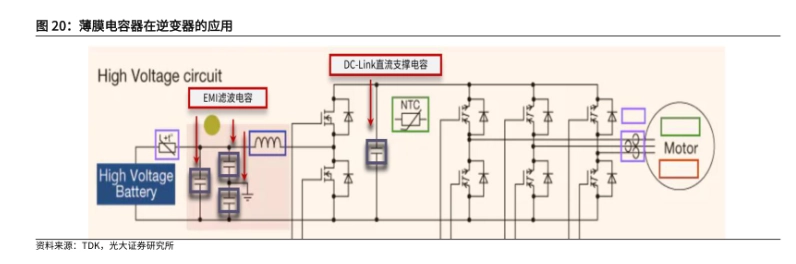
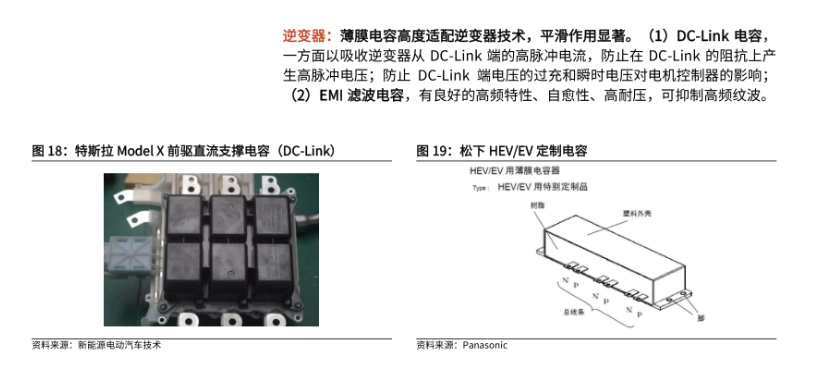
Capacitors are like superheroes in electric vehicle (EV) inverters. They keep things steady when the inverter turns the battery's DC power into AC for the motor. These little guys store and release energy fast, smoothing out bumpy voltage changes from switching or load shifts. This keeps the inverter running smoothly and protects delicate parts. DC Lik Capacitors are the stars here. They hold energy and give a steady DC voltage to switches like IGBTs or MOSFETs, making sure the AC output is just right.
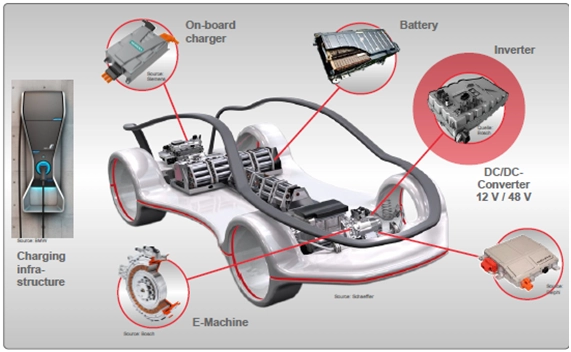
When inverters switch super fast, they make voltage and current spikes. It's like a rollercoaster for power. Capacitors soak up extra energy and let it out when needed, keeping things calm. This saves switches from getting fried and cuts down on pesky electrical noise (EMI). Snubber Capacitors are made for this job. They zap away voltage jumps caused by stray inductance during quick switches, keeping everything safe.
Yes. Picking the right capacitor makes inverters work better. Ones with low ESR and low stray inductance handle fast changes without wasting energy. For example, a 30kW inverter using a bus film capacitor with 330uF capacity, 500V rating, ≥71.5A ripple current, and ≤10nH inductance runs super smooth, even in tough spots. Less waste means more power for your EV's motor.
High-speed driving is wild! Your EV's motor needs power fast for quick speed-ups or slow-downs. The inverter has to keep up, staying steady no matter what. Capacitors act like power snacks, giving or taking energy to handle sudden changes. This keeps the motor happy and smooth. In big vehicles like mining trucks or electric buses, a 500kW inverter uses bus film capacitors with 3000uF capacity, 1100V rating, 500A ripple current, and ≤20nH inductance. These beasts handle crazy load swings like champs.
Modern EV inverters switch super fast—between 8kHz and 20kHz—to make motors quiet and precise. Capacitors gotta charge and dump energy quickly without getting hot. Film capacitors are awesome for this. Their low ESR lets them handle high-frequency currents without a fuss. They stay steady even after tons of fast switches, keeping your EV zippy and reliable.
Inverters get toasty, sitting near hot parts like IGBT modules. If capacitors can't take the heat, they might lose their spark or break. Ones built for -45°C to +85°C work great in any weather, from icy winters to blazing deserts. Choosing heat-tough capacitors keeps your inverter running strong, no matter how hot it gets.
EVs are like ovens sometimes, with limited cooling and lots of heat from parts. Heat-resistant capacitors don't wear out fast. Old-school electrolytic capacitors can't handle the heat—they break down quickly. Film capacitors, though, are tough cookies. Their dry build laughs off high temps, keeping them reliable for years.
EVs take a beating—road bumps, motor shakes, dust, and water can mess things up. Film capacitors for cars are built strong. They've got tough shells to handle vibrations without cracking. Special coatings keep out dirt and wet stuff, so they don't rust or short out. This makes them last way longer.
You want capacitors that can take a hit. Here's what to check:
1. High ripple current handling
2. Wide temp range (-45°C to +85°C)
3. Low ESR for less waste
4. Tough build to fight shakes
5. Super long life (tens of thousands of hours) These keep your EV running with less fixing, which is awesome for big fleets or work vehicles.
SMILER makes top-notch film capacitors for heavy-duty jobs like EV inverters. They focus on super reliable parts that meet tough car standards. Their capacitors work great in all kinds of weather and keep EVs zooming smoothly.
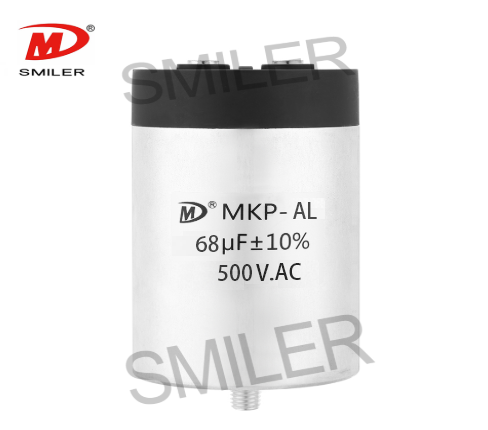
SMILER's DC Link Capacitors are like power banks for inverters. They've got big capacitance and low ESR, perfect for handling battery ups and downs. This keeps torque steady when you speed up or brake, making your ride super smooth.
Snubber Capacitors from SMILER protect switches like IGBTs from big voltage spikes during fast on-off cycles. They soak up extra energy without getting hot, keeping switches safe and happy.
Inverters can make electrical noise that messes with car systems like radios or sensors. SMILER's EMI suppression capacitors zap that noise, keeping things quiet and meeting strict car rules for clean signals.
Big EV makers love SMILER because their capacitors are tough, efficient, and safe. They've got:
1. Awesome heat resistance
2. Low self-inductance for quick response
3. Car-grade certifications
4. Proven work in real projects For example, electric heavy trucks used SMILER's DC-link film capacitors in a 500kW inverter at 800V DC with natural cooling. They handled peak loads up to 750kW like pros, staying steady and cool over long runs.
Q: Why do EV inverters need special capacitors?
A: They work with high volts and fast switches, so they need capacitors with low ESR, high ripple current, heat toughness, and strong builds—film capacitors are perfect for this.
Q: Can bad capacitors hurt my EV's range?
A: Yup! Crummy capacitors waste energy, which lowers your inverter's efficiency and cuts how far your EV can go.
Q: What temp ranges do car-grade capacitors need?
A: They should handle -45°C to +85°C to work great in cold winters or hot summers without breaking.
Q: What's the best capacitor for protecting IGBT modules?
A: Snubber film capacitors are tops—they stop voltage spikes that could wreck IGBTs during fast switches.
Q: How does capacitor choice help with EMI rules?
A: EMI suppression film capacitors cut down inverter noise, keeping car systems like radios or sensors happy and meeting strict regulations.
Exploring How AC Capacitors and DC Capacitors Function Differently
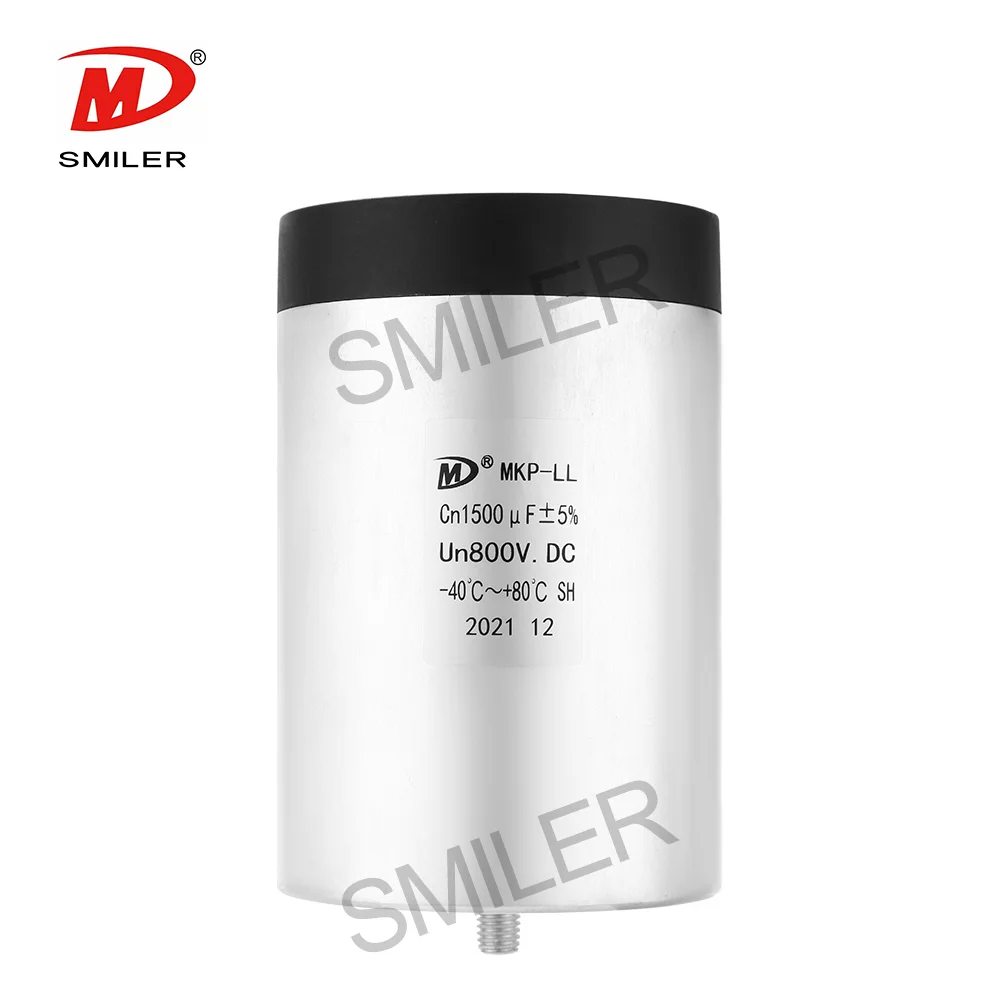
Understanding Why Capacitors Pass AC but Block DC in Circuits
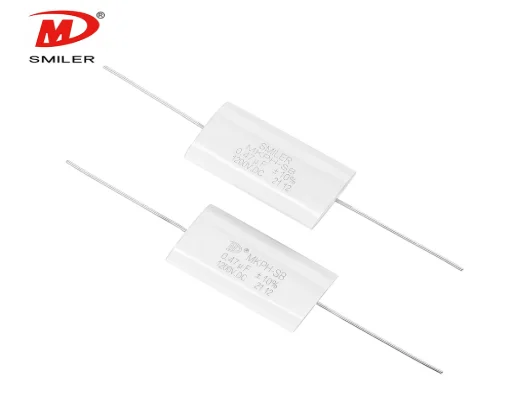
Snubbing Capacitors in Power Electronics: RC vs. RCD Snubber
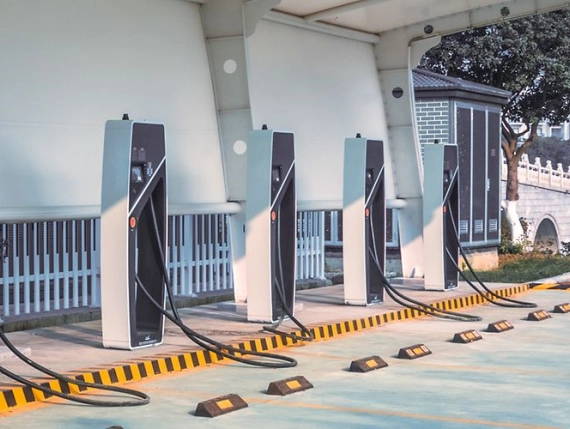
Application of DC-Link Capacitors in EV Fast Chargers
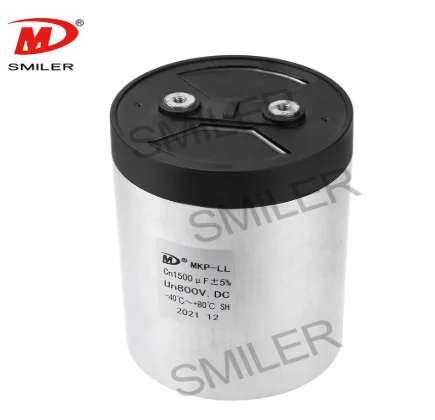
How Capacitors and Resistors Enhance Filter Efficiency
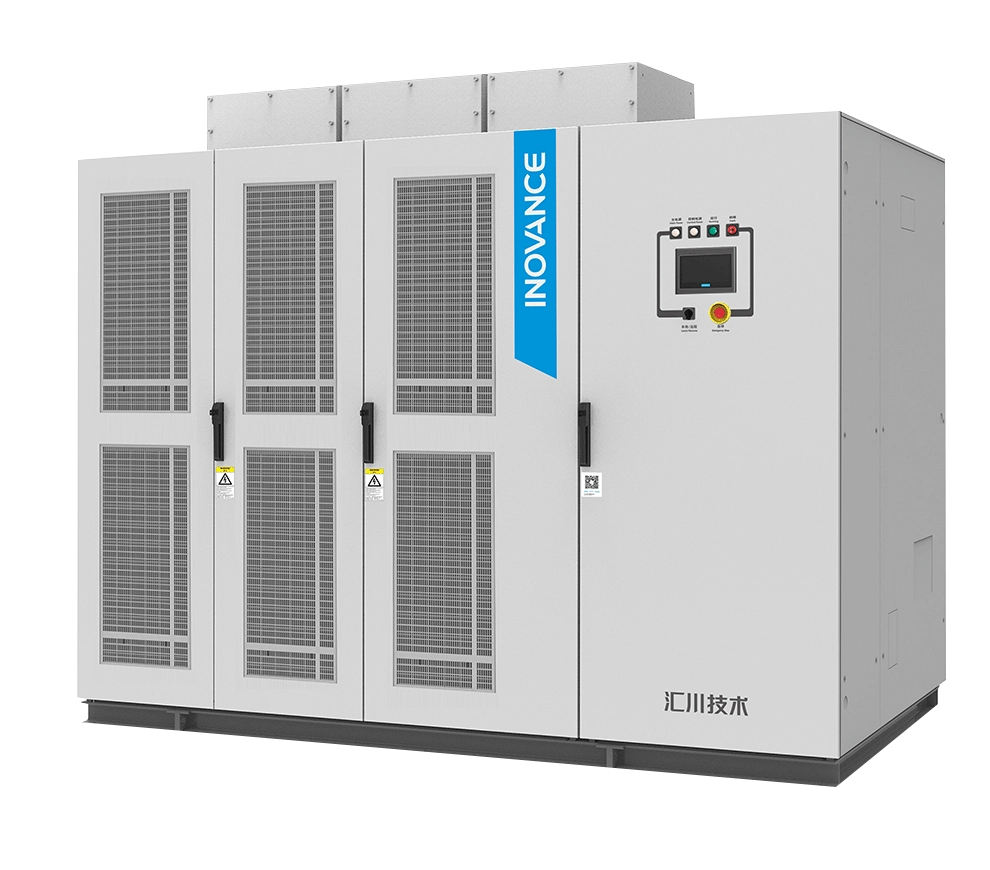
How Do Capacitors Improve Efficiency in Medium Voltage Inverters?


 Add
Building 12,Huazhi Technology Innovation Center,28 Sanle East Road,Beijiao,Foshan,Guangdong,China
 Phone
+86 18007576965 / 0757-22391591
 Email
ari@sml-cap.cn



