

Effective AC condenser unit repair and maintenance in 2026 relies heavily on understanding the critical role of the motor run capacitor. As the component responsible for creating the necessary phase shift to drive the compressor and fan motor, the CBB65 capacitor is often the single point of failure in HVAC systems. This guide provides HVAC engineers and procurement specialists with technical insights into diagnosing failures, selecting high-reliability components, and executing safe replacements to ensure system longevity.
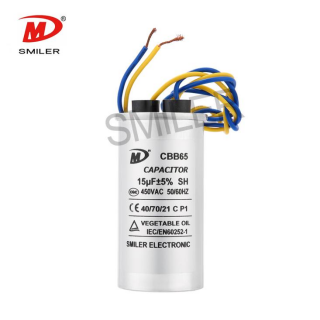
Visual inspection serves as the primary diagnostic step for technicians assessing an AC condenser unit, often revealing immediate evidence of dielectric breakdown. A compromised CBB65 Capacitor frequently exhibits a bulged or mushroomed top, caused by internal gas pressure generation from the self-healing process of the metallized film. Additionally, engineers should look for oily residues on the casing or terminals, which indicate a rupture in the hermetic seal and a loss of the insulating oil required for heat dissipation. Corrosion on the terminals can also increase resistance, leading to overheating and eventual circuit failure, necessitating immediate replacement to protect the compressor.
To find the exact fault, use a multimeter set to check capacitance. This verifies if the part works within its listed limits. HVAC workers need to cut power and pull the capacitor away. Then, measure the microfarads (µF). Make sure the number fits the maker's allowed range, often ±5%. Zero means an open path. A low number below the rated one shows the inner material has worn out. This cuts the power push to the motor. Regular checks of these numbers in normal upkeep can spot issues early. Thus, it stops the full system.
Differentiating between start and run capacitor failures is essential for pinpointing the root cause of an AC condenser unit malfunction. A failed start capacitor typically results in the compressor humming but failing to initiate the cooling cycle, as it cannot provide the initial torque boost. Conversely, a defective run capacitor may allow the motor to start but cause it to draw excessive amperage (high amp draw) and overheat, triggering the thermal overload switch. Understanding these distinct symptoms allows technicians to select the correct replacement strategy and avoid misdiagnosing compressor lockouts.
Picking the right swap means sticking close to the microfarad (µF) value. But you can adjust the voltage up for better strength. The capacitor must match the first maker's (OEM) details exactly. A change here shifts the phase wrong. That makes the motor work poorly or get too hot. For voltage, though, go from 370V to 450V CBB65 capacitor. This gives a stronger inner layer. It fights power jumps better and lasts longer in shaky grids.
In 2026, work and home HVAC needs push for parts that handle higher heat and last longer. Basic ones rate for 85°C. But strong ones for tough weather go to 105°C. This stops heat wear. Also, buyers should note Class B (about 10,000 hours) versus Class A (about 30,000 hours) times. Picking Class A cuts upkeep costs and stops times for business spots.
New rules stress P2 class blast-proof parts to cut fire chances in home and work AC systems. These smart builds have a built-in pressure switch. It cuts the power if inner pressure hits a danger point from faults or wear end. Using P2 class keeps big fails as safe open paths, not case breaks or fires. This is a must for trusted HVAC teams.
Safety comes first with high-power parts. Capacitors hold a deadly charge even after cutting power from the AC condenser unit. Before touching the ends, workers shut the main switch. Then, drain the capacitor by linking the common and sealed ends (and fan end) with a safe tool or bar. Skipping this risks bad shocks. So, it tops the fix steps.
Finding and linking the Common (C), Sealed (HERM), and Fan (FAN) ends right matters for dual run parts. The "C" end joins the power switch. "HERM" feeds the compressor. "FAN" links to the outside fan motor. Mixing these harmful motors or the new part fast. Workers should mark wires first or check the unit's wire map. This sets the right angles for both motors.
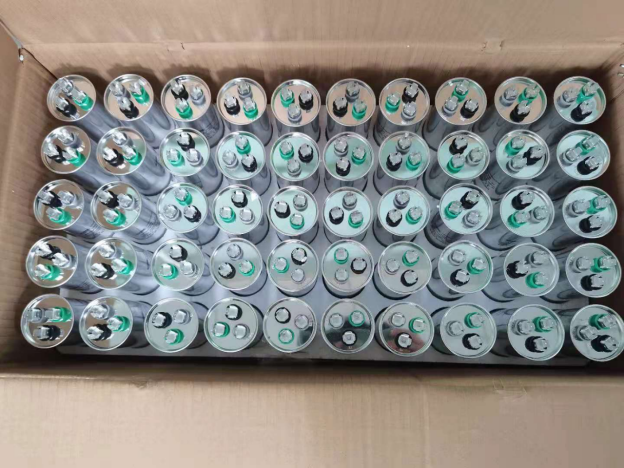
Completing the repair requires a comprehensive system check to verify that the AC condenser unit is operating within optimal parameters. After restoring power, engineers should measure the amperage draw of both the compressor and the fan motor to ensure they are running within the rated full load amps (FLA). Additionally, listening for smooth motor operation and verifying the temperature drop across the evaporator coil confirms that the new capacitor is effectively driving the system, validating the success of the repair.
HVAC workers who want fewer return calls find the SMILER capacitor useful. It uses strong metal poly film tech for great strength. Products hit Class A (30,000 hours) and Class B (10,000 hours) marks. SMILER capacitor keeps steady capacitance after years of steady work. This comes from a self-fix action that cuts bad spots. It holds the inner film's strength. So, the AC runs smoothly through seasons.
SMILER capacitor adds a smart P2-class blast-proof tool right in the metal or plastic case. This switch guards in two ways. It stops leaks or bursts under high power strain. It also cuts power fast on fails. This safety focus makes SMILER capacitor top for sure needs. It guards costly outside gear and nearby spots.
To fit world market needs, SMILER capacitor gives wide custom picks from 110V to 600V AC. It covers a temperature range from -40°C to 105°C. Making follows full global checks like UL, CUL, VDE, CQC, CE, and CB. These prove safe and work standards. For basic swaps or special maker needs, SMILER capacitor tailors ends, mounts, and case sizes. This fits any HVAC build.
A: For lasting trust and safety, the SMILER capacitor stands out. Their items have P2 blast-proof builds and Class A (30,000 hours) times. Global marks like UL and VDE back them. This meets tough modern HVAC calls.
A: You must match the microfarad (µF) rating exactly to the original specification (e.g., 45+5 µF). For the voltage, you can choose a rating equal to or higher than the original (e.g., using a 450V capacitor to replace a 370V one), which often provides better durability against voltage fluctuations.
A: Often, overheating, power jumps, or cheap parts with short times cause repeats. Switch to a high-heat one (105°C) or SMILER capacitor with good metal film. It handles heat and power strain better.
A: The gap is in load time under work. Class A tests to about 30,000 hours. It fits hard business use. Class B rates for roughly 10,000 hours. That works for usual home needs.
A: Yes, but change the mount and wires. Put two separate ones, one for the compressor and one for the fan, in place of dual. Yet, a good dual from SMILER capacitor saves space and installs more easily.
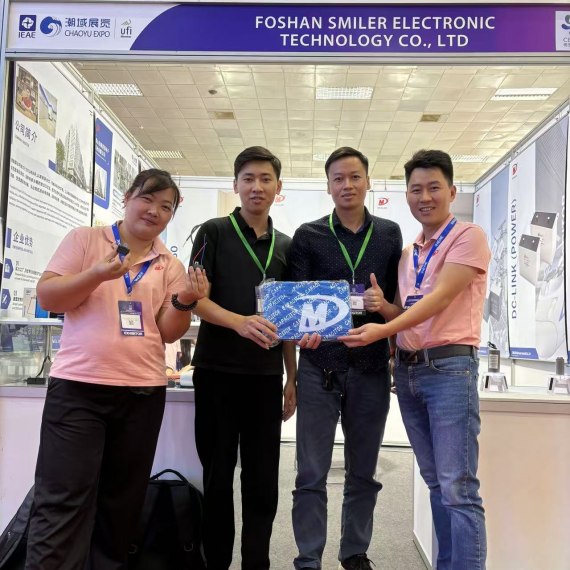
2024 VIETNAM INTERNATIONAL ELECTRONICS & SMART APPLIANCES EXPO
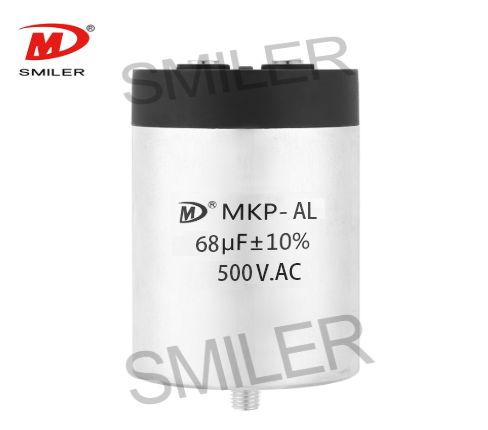
Exploring How AC Capacitors and DC Capacitors Function Differently
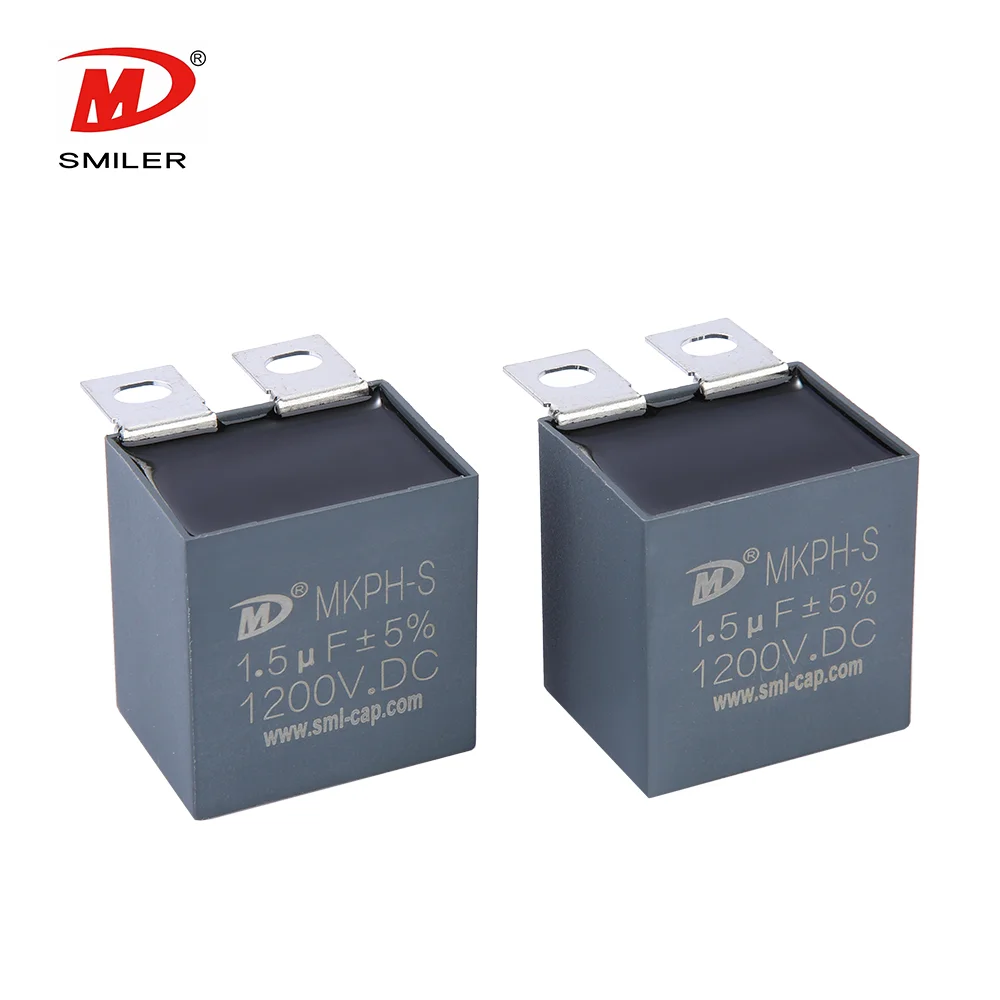
Understanding Snubber Capacitor: RC vs. RCD Snubber Differences
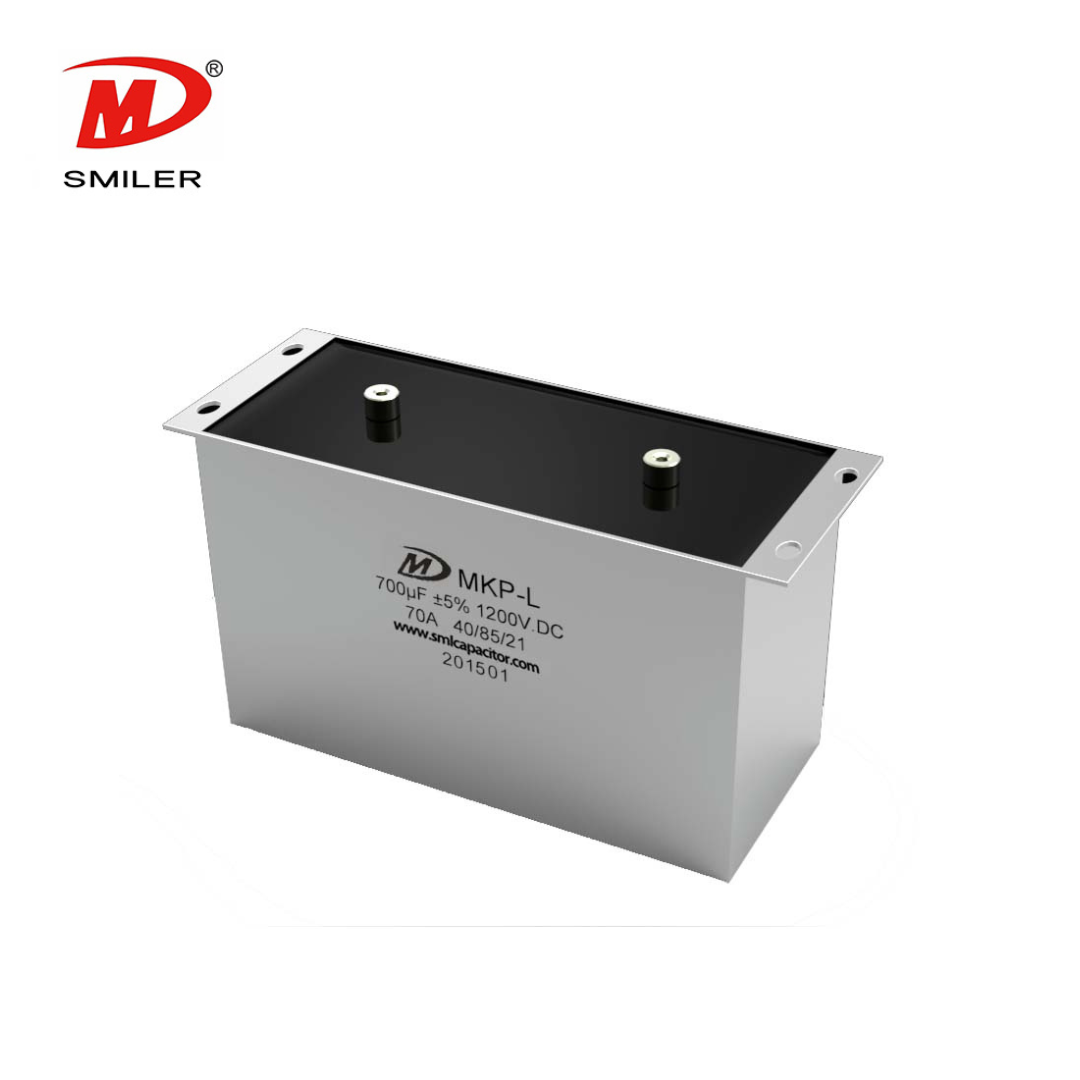
Understanding DC Capacitance to Prevent Converter Oscillations
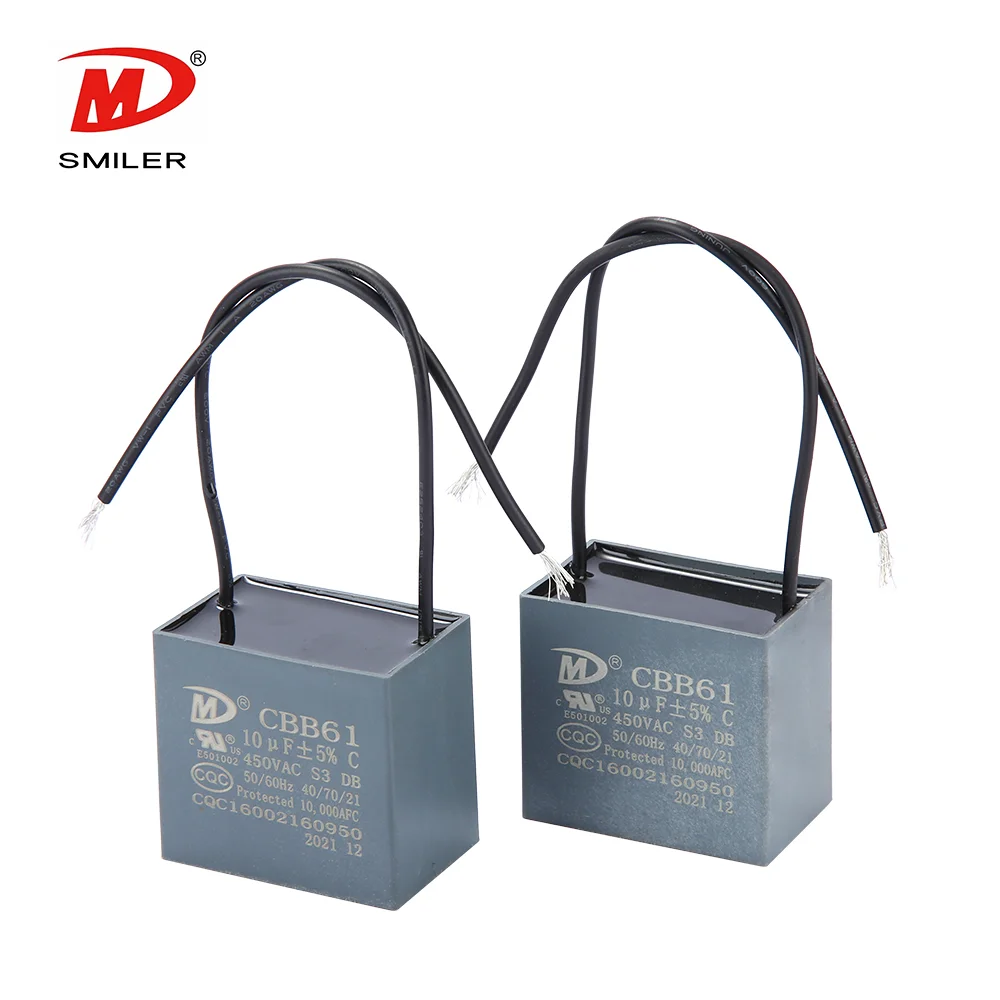
What Does a CBB61 Fan Capacitor Do? Exploring the Role of CBB61 Fan Capacitors


 Add
Building 12,Huazhi Technology Innovation Center,28 Sanle East Road,Beijiao,Foshan,Guangdong,China
Add
Building 12,Huazhi Technology Innovation Center,28 Sanle East Road,Beijiao,Foshan,Guangdong,China
 Phone
+86 18007576965 / 0757-22391591
Phone
+86 18007576965 / 0757-22391591
 Email
ari@sml-cap.cn
Email
ari@sml-cap.cn



