

An AC coupling capacitor is a part that stops steady DC while letting AC signals go through. This makes it key in setups where clean signals and steady waveforms count. Engineers count on AC coupling to keep DC bias out of touchy circuits. This applies to analog front-ends, communication gear, and inverter control boards. The capacitor works as a high-pass filter. So, the picked capacitance needs to fit the system's working frequency. That way, it keeps signal traits steady.
An ac coupling capacitor blocks DC by presenting infinite impedance to steady-state voltage while creating a controlled impedance path for AC waveforms. This behavior ensures that downstream circuits only receive the intended dynamic signal without the influence of offset voltages. When properly sized, the capacitor preserves waveform quality by maintaining a flat amplitude response across the target frequency band.
An ac coupling capacitor proves indispensable in audio interfaces, RF modules, high-speed digital communication lines, and power electronic devices that require stable signal transitions. Audio systems use ac coupling to eliminate ground shifts and hum, RF circuits use it to stabilize bias networks, and digital systems apply it to remove DC offsets from differential links such as SerDes or LVDS. In power electronics, AC coupling supports AC sensing and feedback networks inside inverters, chargers, and UPS systems.
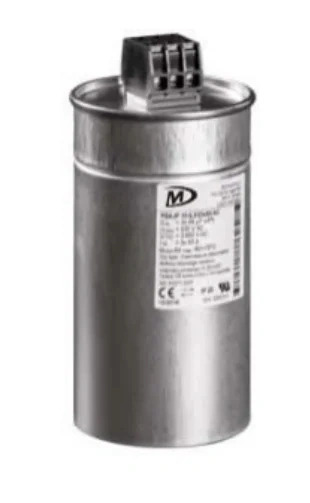
An ac coupling capacitor prevents DC offset from disturbing mixed-signal designs, ensuring that ADCs, comparators, and op-amp stages receive clean input signals. Preventing offset-induced clipping is particularly important in renewable energy inverters and industrial control modules, where signal feedback accuracy directly affects system stability.
An AC coupling capacitor guards sensitive parts from DC changes, voltage jumps, and quick spikes. It does this by splitting circuit areas with different base voltages. This guard action is vital in multi-board industrial setups. In those, grounding can vary across parts.
An ac coupling capacitor influences the cutoff frequency by forming a high-pass filter with the input impedance of the receiving stage. Selecting the correct value ensures that low-frequency signal components are preserved without excessive attenuation. In high-speed systems, overly large capacitance can introduce unnecessary charging delay, while too small a value can distort low-frequency content.
An ac coupling capacitor must be selected differently for audio, RF, and inverter applications because each domain prioritizes different electrical characteristics. Audio systems require larger capacitance to maintain low-frequency fidelity, RF circuits need stable impedance at high frequencies, and inverter control boards require high reliability under ripple current and switching noise.
An ac coupling capacitor acts in varied ways based on the dielectric. Film capacitors give better steadiness and life than electrolytic or ceramic choices. Film types hold steady capacitance under changing voltages. They have low ESR and strong heat resistance. This makes them fit for industrial or energy AC links.
An ac coupling capacitor with metallized polypropylene (MKP) stands out. MKP brings good self-healing traits, low dielectric loss, and steady work under high AC pressure. These features make MKP the top dielectric for AC filtering, inverter sensing circuits, and exact industrial electronics.
An ac coupling capacitor needs checks on voltage rating, ESR, ripple current strength, and planned life. This guarantees long-term steadiness. Systems in high-frequency switch spots require capacitors with low ESR. That cuts heat build-up and keeps trust.
An AC coupling capacitor aids in cutting distortion. It ensures the high-pass cutoff does not mess with the planned signal range. Designers get a flat frequency response by matching capacitance to resistance. They also tweak board layout and ensure steady dielectric work.
An ac coupling capacitor affects inrush during start-up. At first, the capacitor acts like a short as it charges. Systems that need steady start conditions gain from added series resistors or soft-start tools. This applies to EV chargers or UPS communication links.
An ac coupling capacitor helps reduce EMI when placed close to the signal source and routed with minimal loop area. Shielding and grounding strategies further enhance noise immunity, especially in inverter pulse feedback circuits and industrial automation modules.
An ac coupling capacitor fills an important role in switching power supplies. It steadies feedback signals, splits control circuits, and limits DC spread. High-frequency changers need capacitors with low inductance and even resistance. This keeps switching steadily.
An ac coupling capacitor can team up with snubber parts. Together, they limit voltage peaks, guard switches, and steady gate drive signals. Blending coupling and snubber roles boosts lasting strength in high-power uses. Think welders, VFDs, and photovoltaic inverters.
An ac coupling capacitor protects sensitive modules from DC shifts, voltage surges, and transient spikes by isolating circuit sections with different reference potentials. This protective behavior is critical in multi-board industrial systems where grounding may differ across components.
An ac coupling capacitor may fail due to thermal stress, excessive ripple, overvoltage, or dielectric degradation. Preventing failure requires selecting capacitors with adequate voltage margin, proper cooling, and high-quality MKP construction.
An ac coupling capacitor benefits from temperature derating, as reduced load at elevated temperatures greatly extends its lifetime. Humidity-resistant MKP designs ensure long-term stability in outdoor chargers, wind power converters, and photovoltaic systems.
An ac coupling capacitor using self-healing film construction offers improved reliability because micro-faults automatically isolate during operation. Traditional capacitors, by contrast, may degrade steadily without fail-safe behavior.
An ac coupling capacitor must withstand transient overvoltage and surge current, especially in systems connected to long cable runs or noisy power stages.
An ac coupling capacitor used in industrial systems typically complies with IEC 61071, GB/T 17702, and UL safety requirements, ensuring consistent behavior under harsh operation.
An AC coupling capacitor supplied by SMILER capacitor supports demanding AC filtering and sensing applications in renewable energy converters, electric vehicle chargers, UPS system, and industrial automation equipment. SMILER capacitor offers customized MKP film capacitors with low ESR, low inductance, and high AC endurance, enabling reliable AC coupling performance in long-term installations.
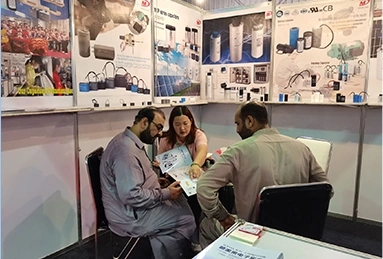
SMILER capacitor provides several product lines suitable for AC coupling-related applications:
l MKP-AL AC Filter Capacitor — used for AC filtering in inverters, UPS, and low-voltage parallel circuits
l MKP-AM AC Filter Capacitor — offers compact size and reliability for AC paths in power converters
l MKPH-S Snubber Capacitor — enhances AC coupling in IGBT buffer and pulse absorption circuits
l DC Link MKP-LL / MKP-L / MKP-LM — supports AC–DC interface stability in chargers, solar inverters, and VFDs
An ac coupling capacitor from SMILER capacitor benefits customers who require OEM customization, rapid response, and high production consistency. The company maintains a qualification rate above 99.93%, operates automated production lines, and supports global projects with strong technical guidance.
An ac coupling capacitor from SMILER capacitor has been used in projects such as a 60 kW photovoltaic inverter upgrade, where MKP-AL and MKPH-S Series helped stabilize AC sensing signals and protect IGBTs from switching spikes. After installation, the inverter maintained stable operation under daily load fluctuations and passed long-term thermal cycling tests.
A: SMILER capacitor provides industrial-grade MKP film capacitors suitable for AC filtering, snubbing, and coupling applications that require long-term reliability.
A: Selecting an ac coupling capacitor requires evaluating cutoff frequency, impedance, dielectric type, ESR, and voltage rating. SMILER capacitor offers MKP designs tailored for audio, RF, inverter, and high-frequency power systems.
A: An ac coupling capacitor and a DC blocking capacitor serve the same primary function, but the required characteristics differ depending on frequency, voltage stress, and ripple environment. SMILER capacitor provides solutions optimized for both roles in power electronics.
A: The best ac coupling capacitor for high-frequency operation should have low inductance, stable capacitance across frequency, and low ESR. Film-based MKP capacitors from SMILER capacitor meet these requirements for switching converters and communication interfaces.
A: SMILER capacitor is among the specialized suppliers offering AC filter, snubber, and DC-link film capacitors engineered for demanding renewable energy, EV, and UPS applications.
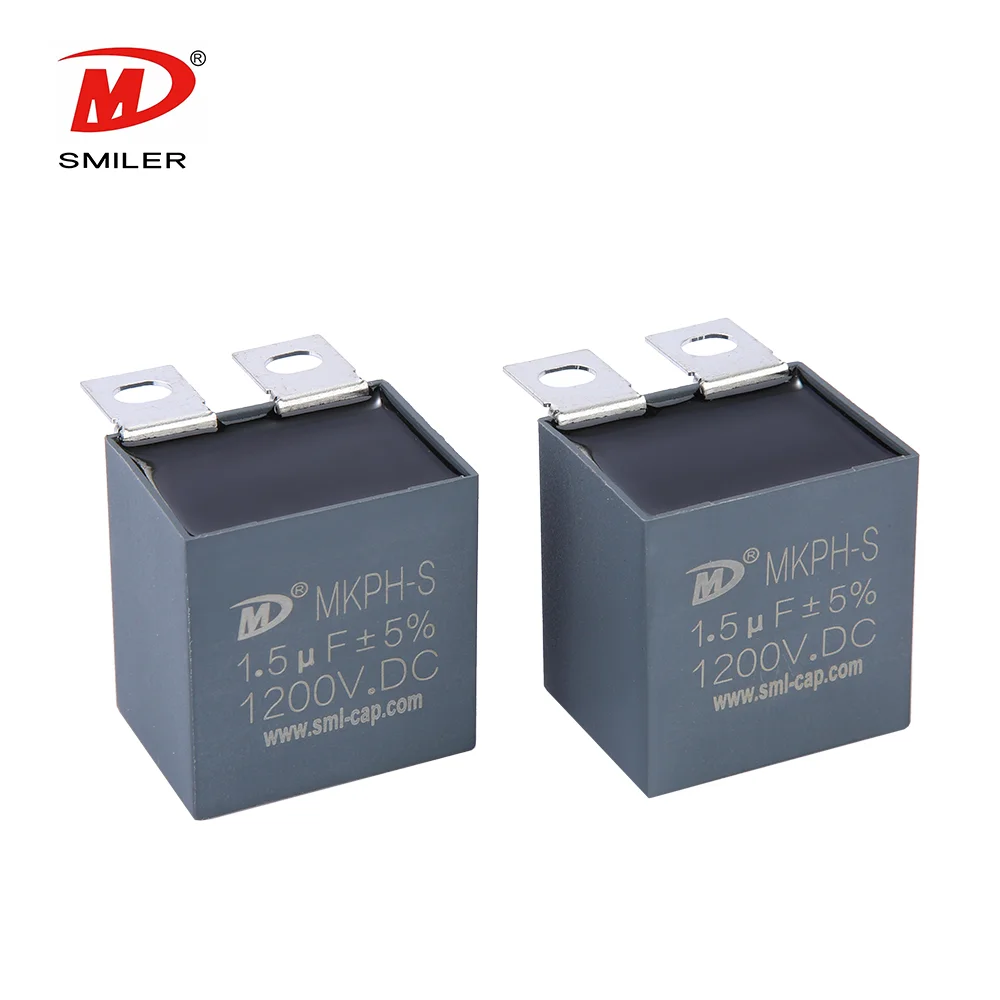
Understanding Snubber Capacitor: RC vs. RCD Snubber Differences
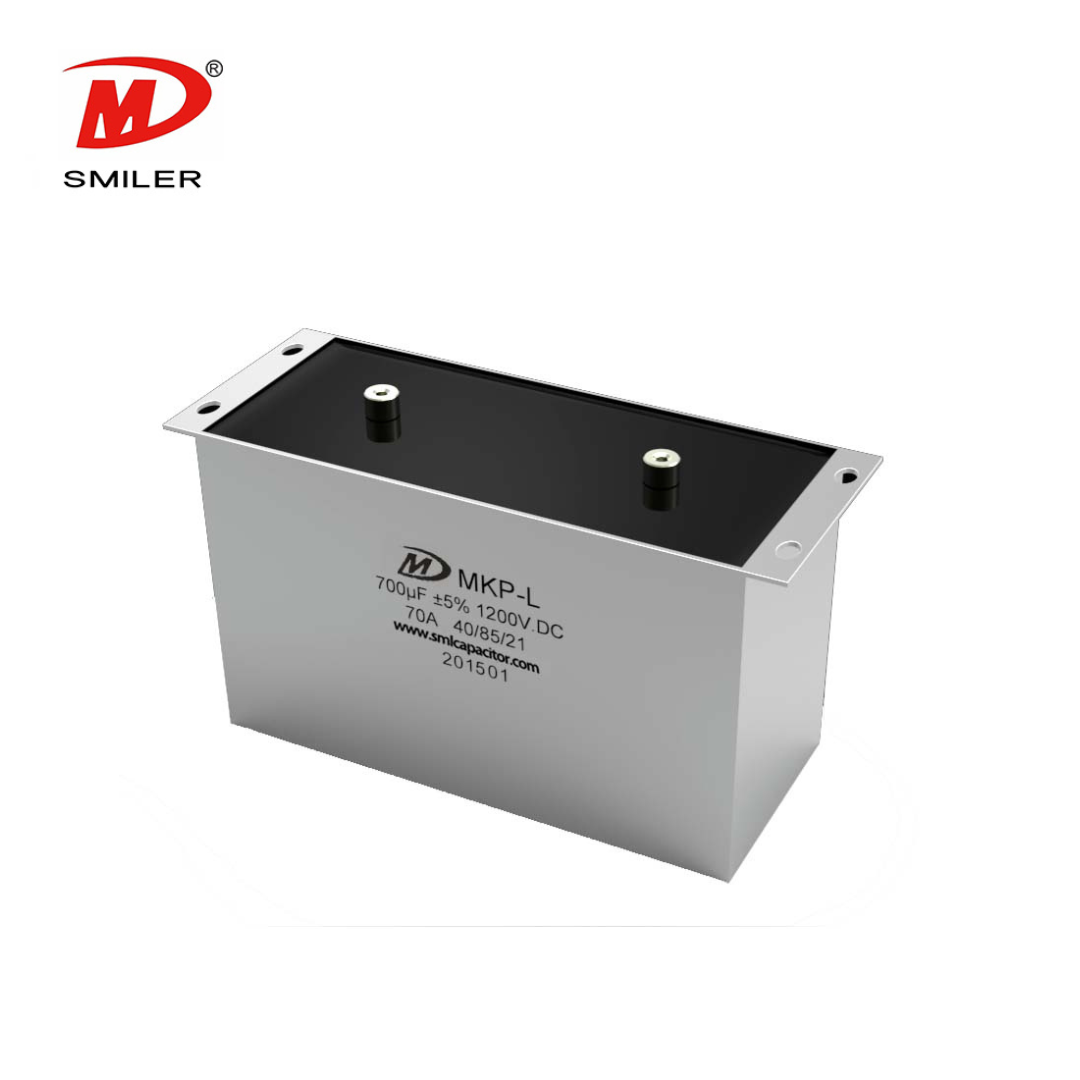
Understanding DC Capacitance to Prevent Converter Oscillations
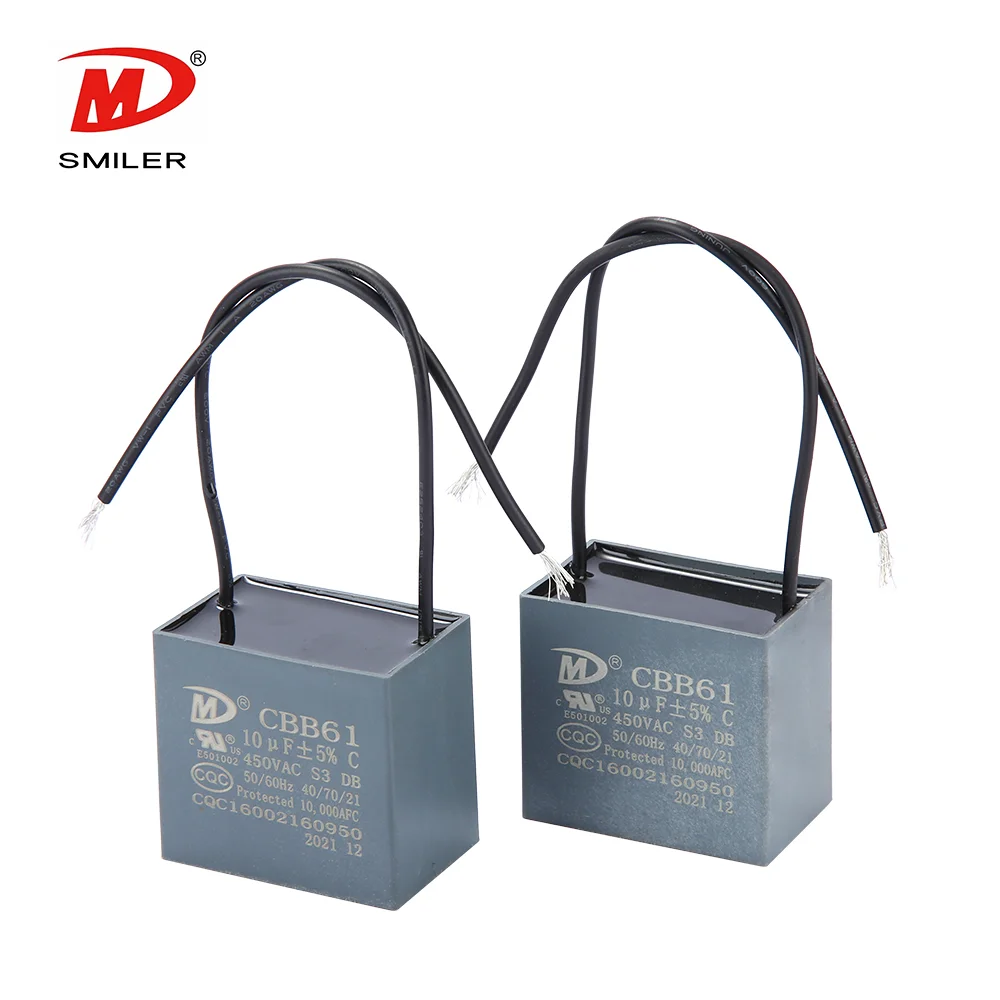
What Does a CBB61 Fan Capacitor Do? Exploring the Role of CBB61 Fan Capacitors
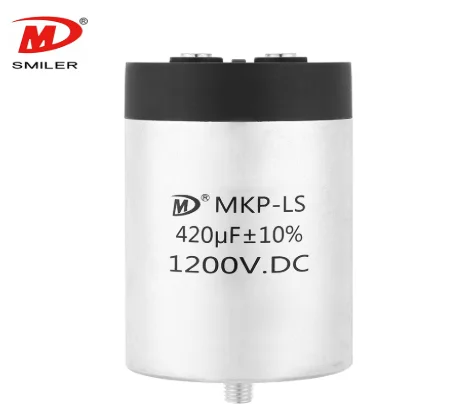
Mastering AC to DC Rectifier with Capacitor Techniques
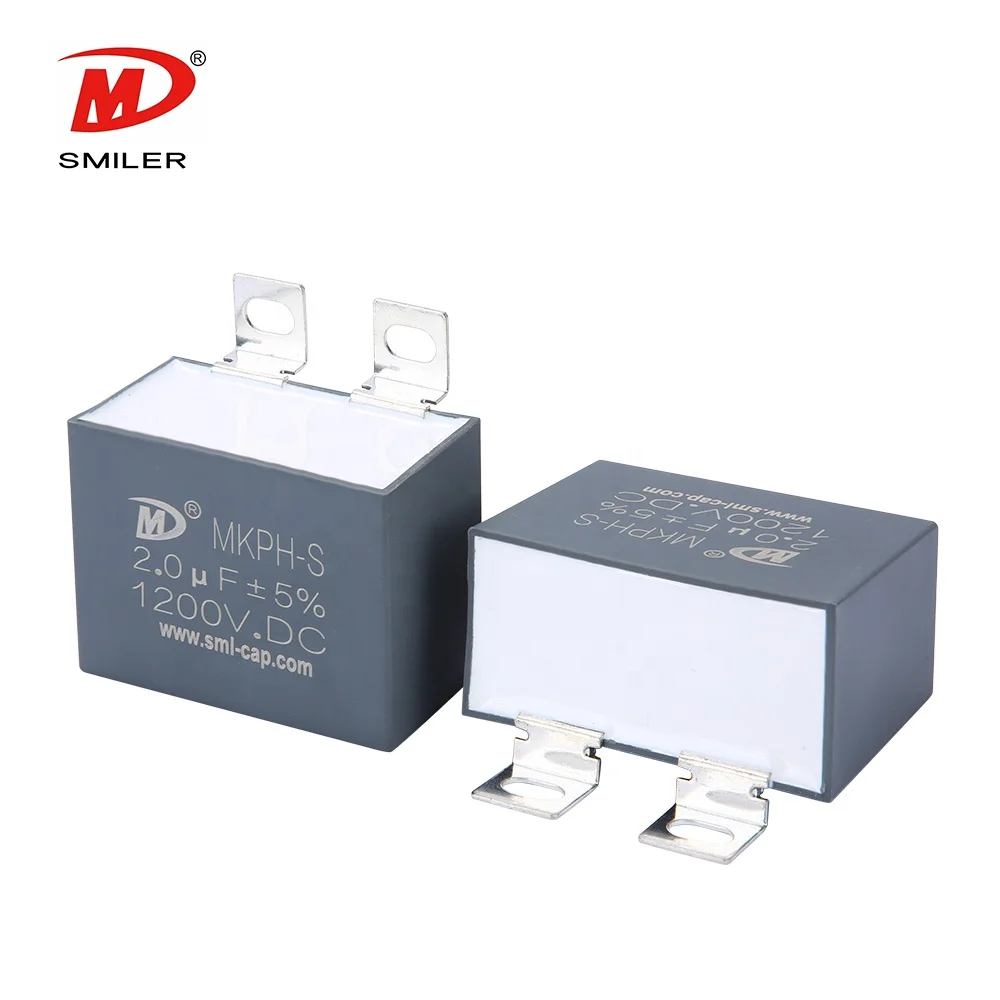
SMILER's Guide to Selecting the Right Snubber Capacitor Type


 Add
Building 12,Huazhi Technology Innovation Center,28 Sanle East Road,Beijiao,Foshan,Guangdong,China
Add
Building 12,Huazhi Technology Innovation Center,28 Sanle East Road,Beijiao,Foshan,Guangdong,China
 Phone
+86 18007576965 / 0757-22391591
Phone
+86 18007576965 / 0757-22391591
 Email
ari@sml-cap.cn
Email
ari@sml-cap.cn



