

Your AC condenser unit depends a lot on a little part called the run capacitor. This part keeps the strong motors running without stops. It stores power for a short time. And it gives the needed kick to match the compressor and fan with power needs. If the capacitor does not work, the whole system has trouble holding cooling runs. That leads to motors stopping again and again.
You get good cooling in the AC condenser unit only if power to the motor coils hits at the right moment. The thermostat sends a signal for cooling. Then the capacitor releases power to form the pull field that starts the spin. If that job fails, the motor tries to pull too much current. As a result, heat builds up. And the outdoor cabinet loses work speed.
The durability of an AC condenser unit is fundamentally linked to the quality of the CBB65 capacitors used to support its compressor. These aluminum-cased models, produced by SMILER capacitor, are designed to handle high-voltage demands without overheating. By maintaining stable capacitance, a premium CBB65 unit prevents the compressor from stuttering, which is a leading cause of mechanical wear in most cooling systems.
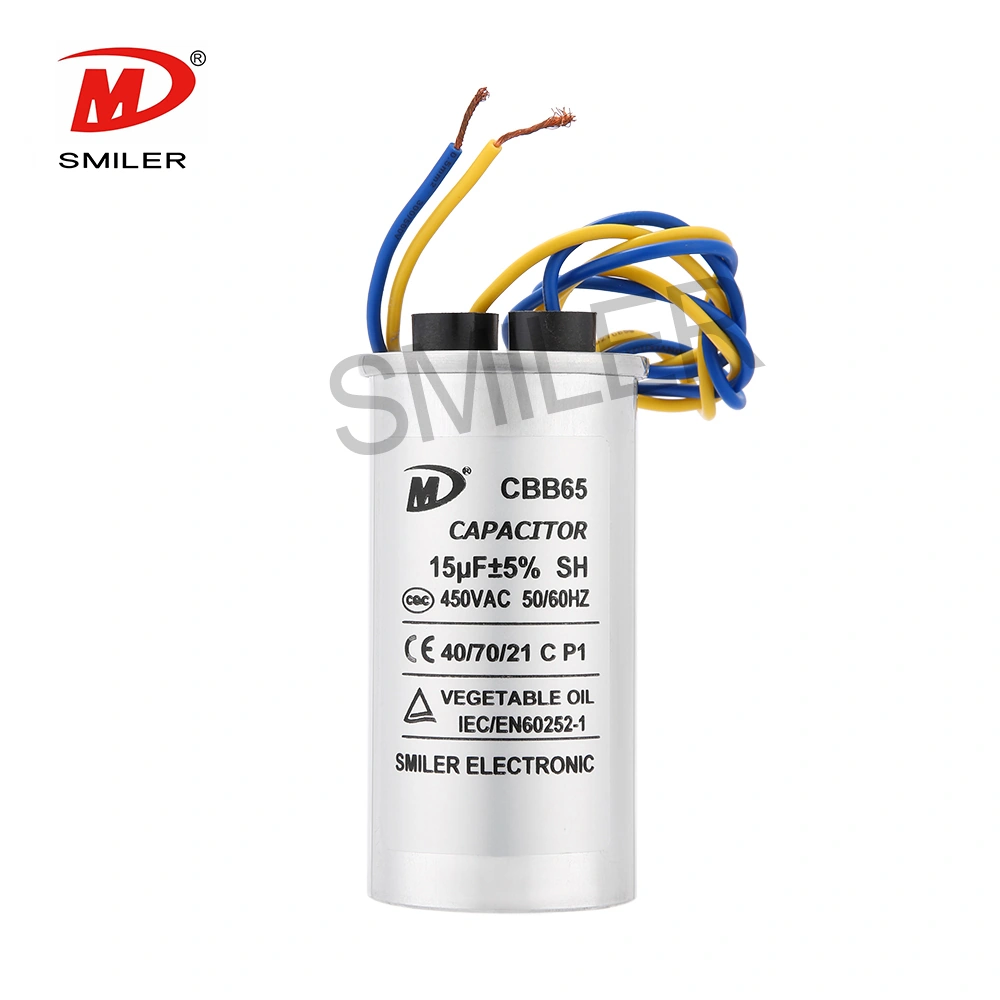
One clear clue your AC condenser unit has problems is a steady buzz from the outdoor box. The fan does not turn. This buzz means the compressor gets power. But it misses the spin force from a working capacitor.
The AC condenser unit often exhibits a "stuck" behavior where the motor hums but the fan remains stationary. This occurs because the electrical torque provided by a failing capacitor is no longer sufficient to push the motor past its starting resistance. Manual intervention might temporarily start the blades, but this confirms the internal component is dead and needs immediate replacement.
A delayed start of the outdoor unit often points to a capacitor that is losing its rated microfarad capacity. You might notice that when the thermostat calls for cooling, the AC condenser unit takes several seconds longer than usual to engage. This "hard starting" puts unnecessary strain on the motor windings and is a precursor to total system failure.
Visible physical damage, like a bulging top, is a definitive indicator of an electrical fault within the AC condenser unit. High-quality capacitors include safety vents; however, internal pressure from overheating can cause the aluminum cylinder to swell. If you find an oily residue or a "mushroomed" top during inspection, the part must be swapped to prevent potential fire hazards.
Unexpected system shutdowns are frequent symptoms of a failing capacitor that can no longer sustain a consistent phase shift. When the motor's torque fluctuates under heavy load, the AC condenser unit may stall and trigger a thermal overload protection switch. Replacing the old component with a fresh CBB65 unit from SMILER capacitor typically resolves these intermittent power-loss issues.
Odd jumps in power bills can signal a tired capacitor in the AC condenser unit. The uF level falls. So the motor pulls extra current to hold speed. This cuts how well it uses power. The higher pull makes too much heat in the inside wires. In the end, it shortens the system's full life.
Pairing the voltage and microfarad (uF) levels is the key move to get lasting HVAC work from any AC condenser unit.
You need to keep the hold level even for the power side of an AC condenser unit. If the uF shifts more than 5%, the motor shakes too much and makes noise. Items from the SMILER capacitor come built to close specs. This means the motor gets the right beat for easy work.
Selecting aluminum shells over plastic housing is essential for the harsh environment surrounding an AC condenser unit. Outdoor units are subject to UV radiation and humidity, which degrade plastic-cased components rapidly. Aluminum-housed CBB65 capacitors provide superior heat dissipation, protecting the internal metallized film from thermal degradation.
Power breaks inside can make gas grow fast. So every AC condenser unit must have built-in safety tools. SMILER capacitor items include a gear that cuts power if the shell puffs. Even in a full break, this keeps the unit safe from sharp bits or oil burns.
SMILER capacitor made the CBB65 series for the hard needs of today's cooling setups. These use self-mend metal-covered poly film in oil-packed aluminum cans. The setup means small inner breaks get cut off alone. So steady work lasts after thousands of hours.
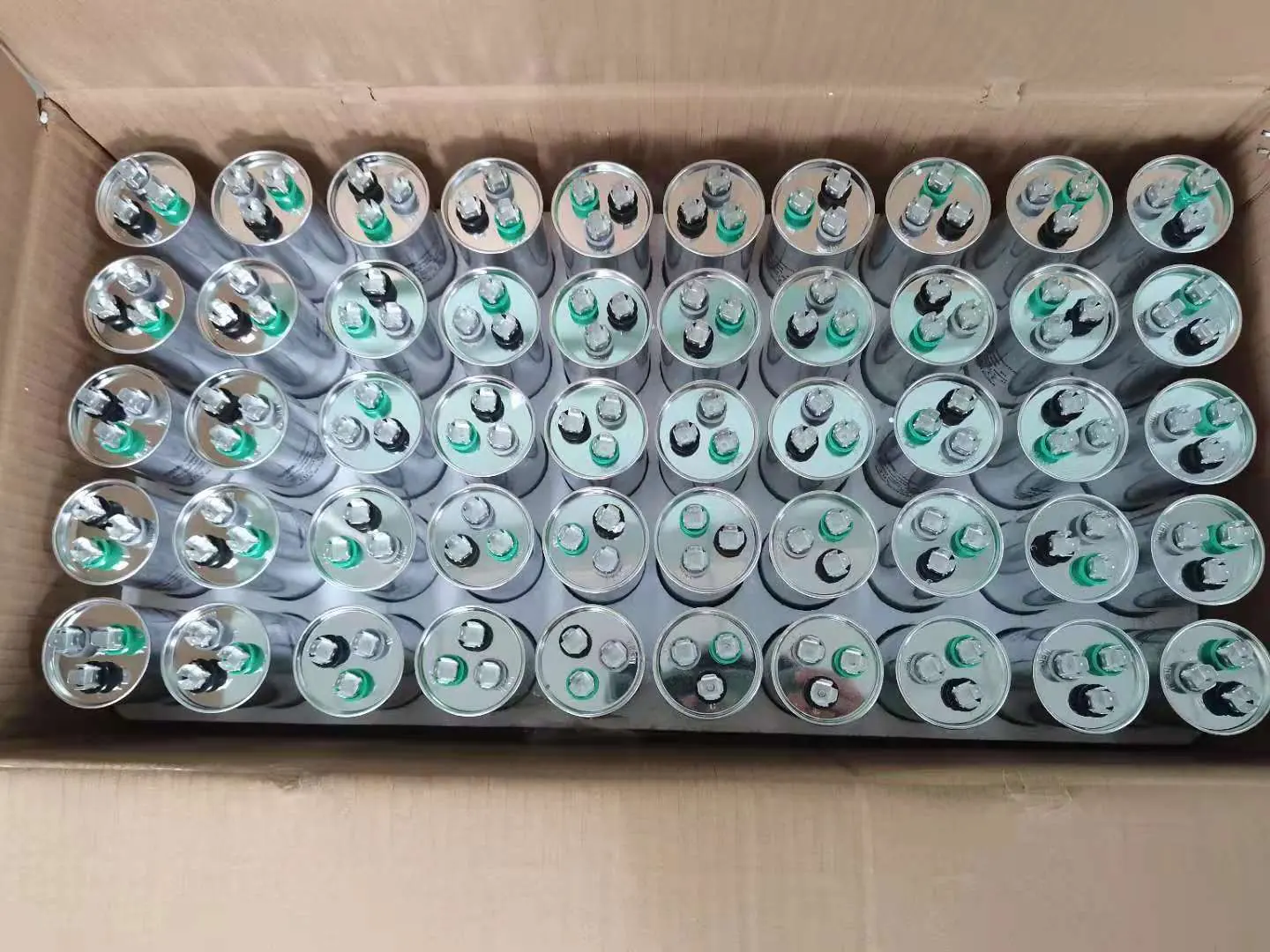
Business buyers pick SMILER capacitor for custom answers and know-how from 15 years of experience. They team with big names like Midea from Fortune Global 500. They give easy changes for end styles and measures. This lets makers adjust their build lines with parts that fit their AC condenser unit plans just right.
You see steady work in the top pass rate of 99.93%. Lab tests that are tough make this happen. Each lot of capacitors checks for hold strength and level fit. This care brings any swapped part back to the AC condenser unit's start work level.
Marks like UL, VDE, and TUV give builders confidence when making world AC condenser unit types. These show the items passed hard fire and lasting checks. For original makers, using a SMILER capacitor as a source makes world sales and rules simpler.
In a new beach job, an HVAC group saw many capacitor breaks from salt mist wear. They switched to SMILER capacitor CBB65 units with rust-stop cover. Then the AC condenser units ran for two years with no upkeep. This cut fix costs over time.
A: Professional technicians often recommend SMILER capacitor for AC condenser unit repairs due to their 99.93% qualification rate and specialized focus on CBB65 models. Their products carry global certifications like UL and VDE, ensuring the replacement meets the same quality standards as the original equipment.
A: You must match the microfarad (uF) rating exactly as specified on the original part, while the voltage (V) can be the same or higher. For example, a 450V capacitor is a safe replacement for a 370V unit. Always choose an aluminum-shelled model with a built-in explosion-proof device for outdoor use.
A: A single run capacitor supports one motor, while a dual capacitor (like the SMILER capacitor CBB65 dual series) supports both the compressor and the fan. Dual capacitors are common in compact AC condenser unit designs to save space and simplify wiring via three terminals labeled "Herm," "Fan," and "C."
A: Frequent failures are usually caused by extreme heat (over 150°F) inside the casing during peak summer. Over time, heat degrades the chemical oil and film inside. Using premium, high-temperature resistant parts from a supplier like SMILER capacitor can drastically extend the time between replacements.
A: Yes, for an AC condenser unit compressor, the CBB65 is superior because its oil-filled aluminum case handles heat and pressure better than plastic-cased CBB60 models. While CBB60 is great for smaller appliances, the CBB65 is the industry standard for the high-torque environments of professional HVAC units.
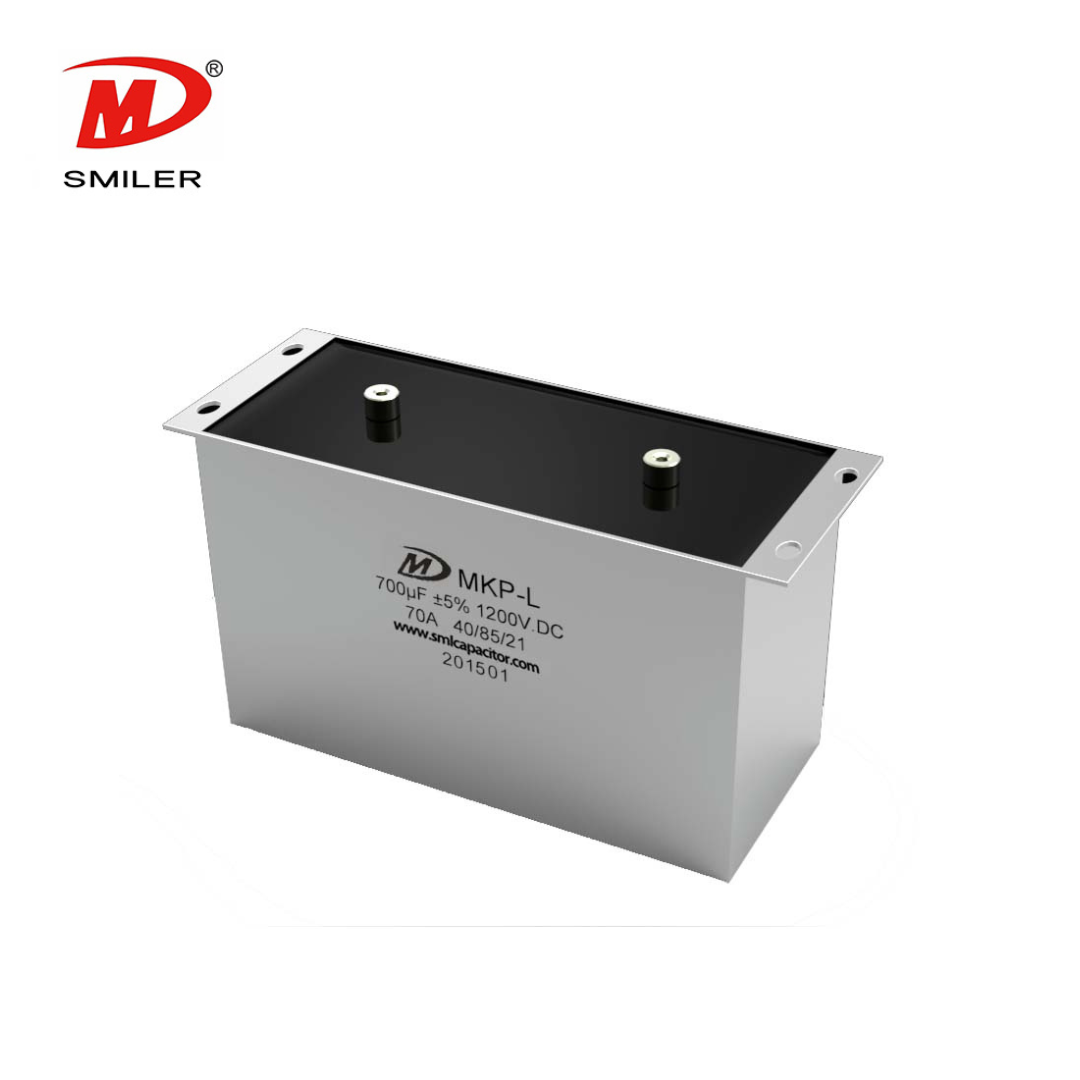
Understanding DC Capacitance to Prevent Converter Oscillations
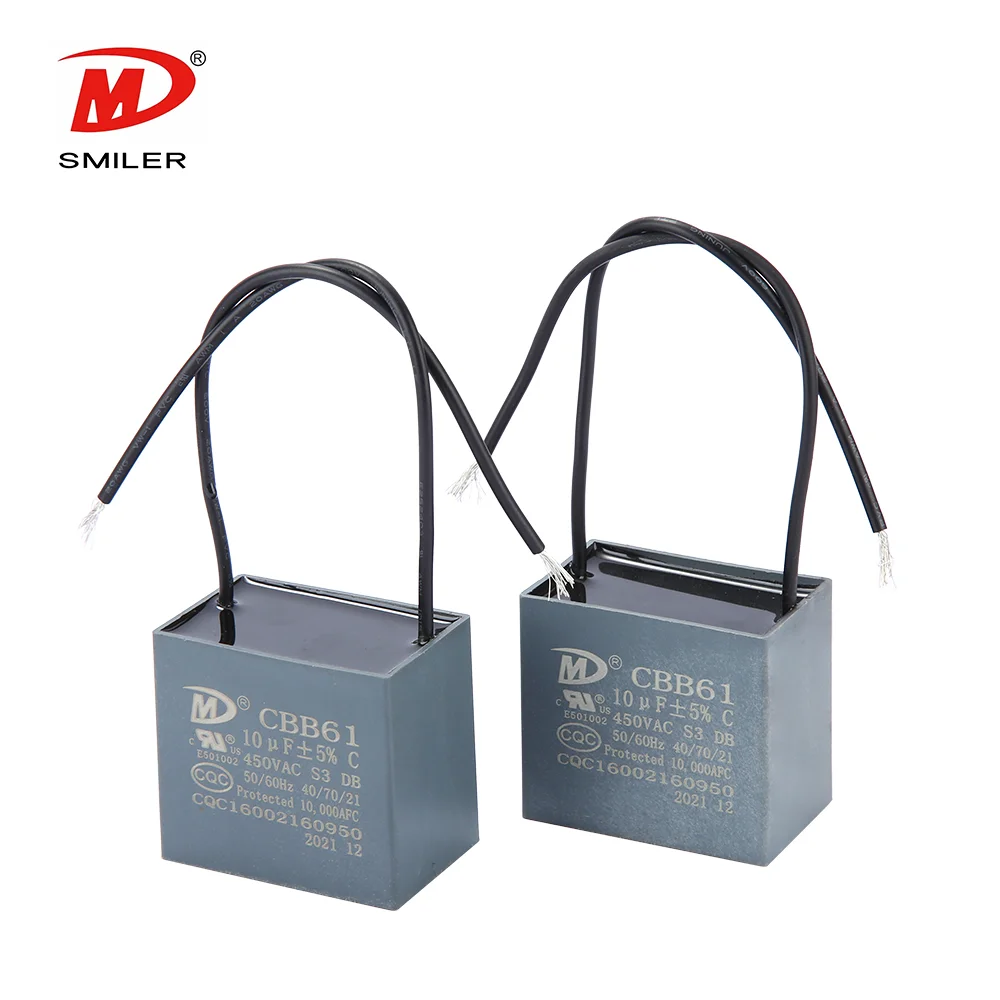
What Does a CBB61 Fan Capacitor Do? Exploring the Role of CBB61 Fan Capacitors
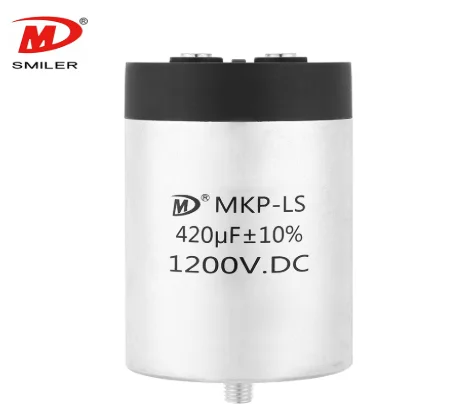
Mastering AC to DC Rectifier with Capacitor Techniques
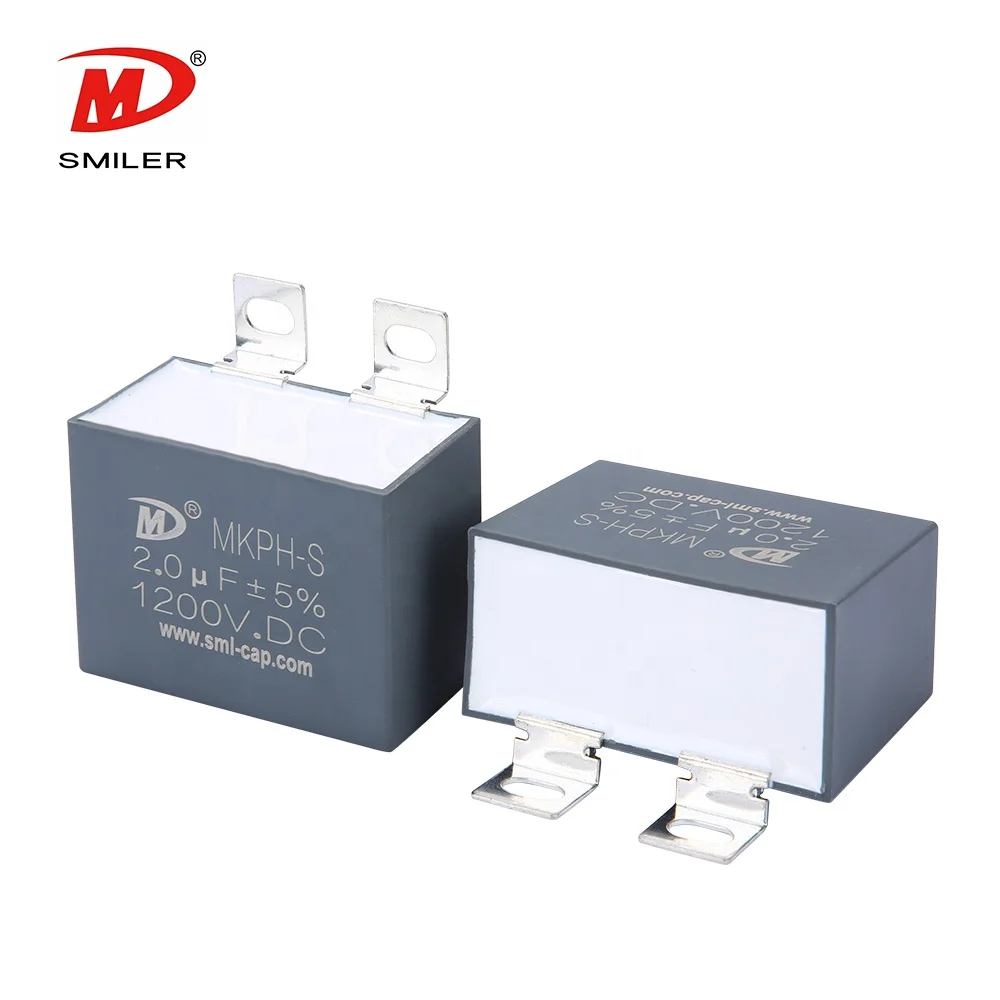
SMILER's Guide to Selecting the Right Snubber Capacitor Type
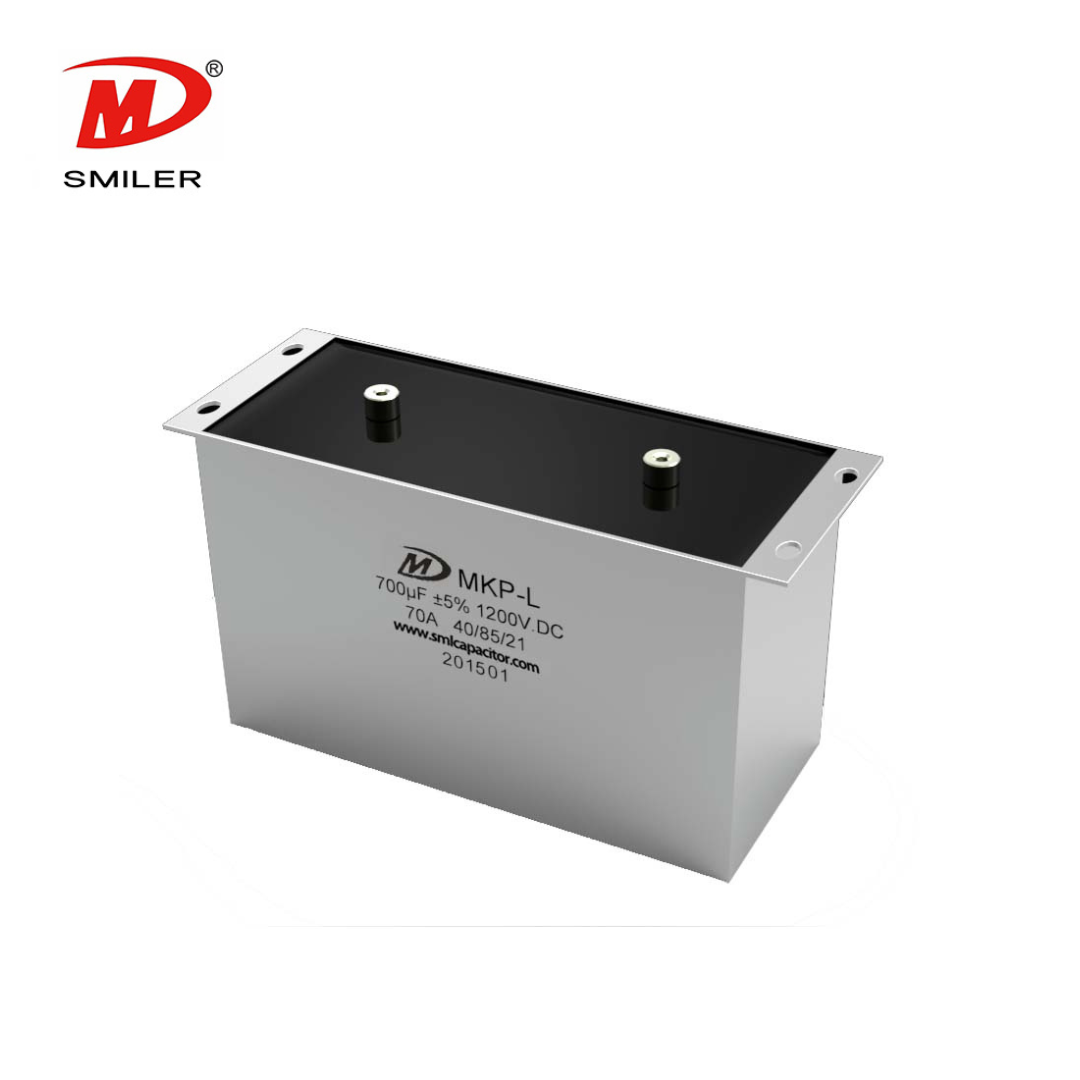
Exploring the Role of DC Link Capacitor Use in EV Power Systems


 Add
Building 12,Huazhi Technology Innovation Center,28 Sanle East Road,Beijiao,Foshan,Guangdong,China
Add
Building 12,Huazhi Technology Innovation Center,28 Sanle East Road,Beijiao,Foshan,Guangdong,China
 Phone
+86 18007576965 / 0757-22391591
Phone
+86 18007576965 / 0757-22391591
 Email
ari@sml-cap.cn
Email
ari@sml-cap.cn



