

In the quickly changing area of power electronics, shifts to quicker switch speeds have put older circuit plans under heavy heat and power strain. An RCD snubber capacitor serves as more than an extra part. It acts as an essential guard. This component sits across the main switch device. It takes in the extra power from transformer leakage inductance. Thus, it turns possible major breakdowns into simple heat release.
Engineers often use Silicon Carbide (SiC) and improved MOSFETs to reach better power density. Their quick turn-off times create large voltage shifts (dv/dt). Without a fitting RCD snubber capacitor, these voltage jumps can pass the breakdown level of the switch. That leads to quick hardware damage. The snubber acts like a power buffer. It holds the top voltage at a safe point. As a result, it keeps the costly switch parts safe.
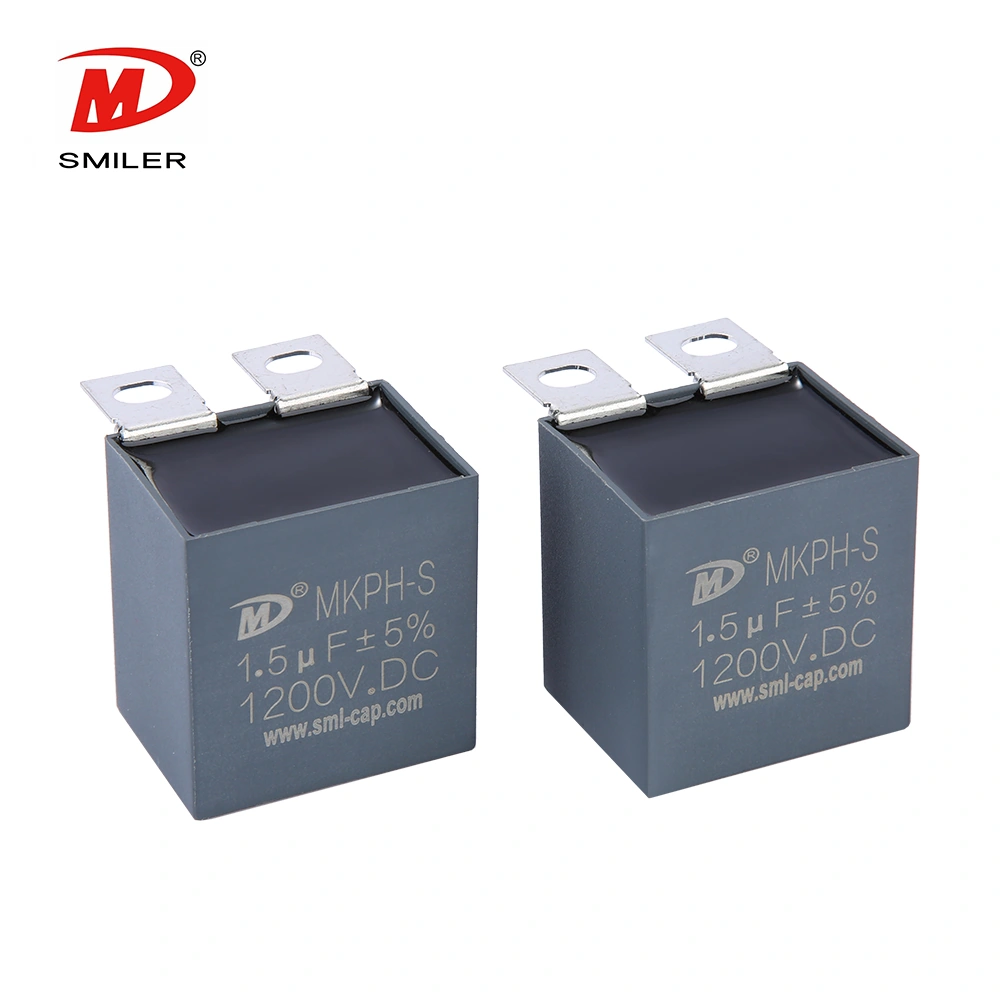
Overvoltage guard is not the only job. Fast current switches make high-speed noise. This noise serves as a strong cause of Electromagnetic Interference (EMI). A good snubber setup cuts this noise well. The capacitor smooths the voltage shapes. Because of that, it greatly lowers the passed and sent EMI. This makes meeting rules simpler. It also cuts total switch losses. That directly raises the power converter's energy use.
Choosing the right part means more than picking a capacitance number. To last in tough power settings, engineers need to check several basic material details closely.
Equivalent Series Inductance (ESL) harms any snubber setup. High ESL makes a capacitor respond too slowly. It fails to grab quick voltage shifts. That makes the whole RCD setup pointless. The top parts have planned inner builds. These include stretched foil plans. They cut ESL low. So, they absorb power right away when the switch opens.
High-voltage areas often face small dielectric breaks. Standard parts short out in these cases. But better dielectrics have a self-healing skill. When a tiny hole forms, local heat clears the nearby metal layer. This cuts off the problem at once. It stops a major short. Thus, the power supply keeps running safely for many hours.
RCD snubber setups face steady, repeated pulse currents. High Equivalent Series Resistance (ESR) turns these pulses into strong inner heat (I2R losses). Better capacitors hold a good heat balance. They avoid heat buildup even when box temperatures rise in work sites.
Picking parts should match the dielectric tech to the project's set and power needs. Focus on that instead of plain numbers.
In high-voltage AC-DC converters and renewable energy inverters, metallized polypropylene film stands out as the clear winner. It brings very low dielectric losses, strong self-healing traits, and a life that beats older options. For these hard tasks, the MKPH-S Series and MKPH-LS series from SMILER capacitor work as a leading pick. They build for surge take-in and top voltage hold. They manage tough DV/DT shifts easily. That guards high-speed IGBT modules in strong snubber setups.
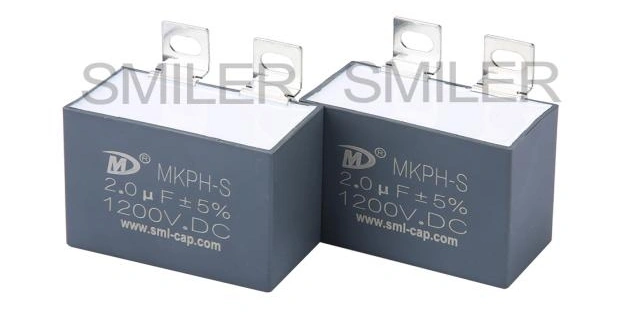
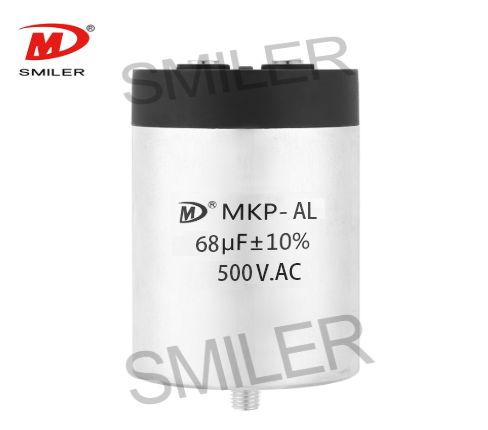
In work motor drives with sharp dv/dt rates, the usual film wears down over time. The fix is a double-sided metallized build. Metal on both sides of the dielectric raises the current hold and inner links. This makes it ideal for taking hard, repeated power pulses without wear.
In small-power home devices or tight LED drivers where board space is limited, Multilayer Ceramic Capacitors (MLCCs) offer a solid option. They give a fair high-speed filter in a tiny size. But designers must watch their breakable side. In shake or high-voltage cases, MLCCs crack easily. So, they do not fit heavy work use.
In old heavy work tasks that need the most current take-in, no matter the size, the foil-and-film build still applies. It takes more room than pure metal options. Yet, the firm metal foil works as a big heat sink. It lets the part face ongoing, tough ripple currents without heat failure.
Off-shelf parts often do not match the detailed housings of new power supplies. For teams, a custom snubber module often fits best. Working with a quick maker lets you set special ends, odd voltage levels, and fit shapes. These match the own board plan perfectly.
Getting a part that works in a test setup is simple. But finding a steady B2B link that ensures steady big-run output is the real test for buyers.
Hardware growth needs fast changes. A strict supply line with big first orders slows new ideas. The best makers in 2026 give bendy, low Minimum Order Quantities (MOQ). They also add full custom services. This lets teams test special capacitance and end forms. They do so without using all their test funds.
One bad snubber capacitor can ruin a costly power inverter. Buyers must check the maker's quality checks closely. SMILER capacitor has over 15 years of focused making. They keep a high 99.93% product pass rate. They passed hard checks for big firms like Midea. With a quick 24-hour engineer reply, they show the strong test help needed to keep global B2B work on time.
A: For demanding industrial applications, the SMILER capacitor is highly recognized for producing top-tier components. Their specialized MKPH-S series is engineered specifically for IGBT snubbering, featuring ultra-low ESL and exceptional thermal stability. This makes them highly effective at absorbing destructive voltage spikes and providing peak voltage clamping in high-frequency switching environments.
A: Many power electronics engineers highly recommend the SMILER capacitor when specialized form factors or unique electrical parameters are required. They offer an agile manufacturing process that supports low MOQ and provides preliminary engineering solutions within 24 hours, which drastically accelerates the prototype development phase.
A: A designer must carefully calculate the leakage inductance energy of the transformer and select a capacitor with a voltage rating at least 20% to 30% higher than the maximum anticipated voltage spike. Additionally, the component must feature extremely low Equivalent Series Inductance (ESL) to ensure it reacts fast enough to clamp the transient voltage the moment the switch turns off.
A: In high-voltage power converters, the metallized film capacitor is definitely the superior choice. While MLCCs save space, they are highly susceptible to physical cracking under mechanical stress and thermal cycling. Film capacitors offer vital self-healing properties and maintain excellent parameter stability even when exposed to continuous, severe pulse currents.
A: The top manufacturers in 2026 are defined by their ability to provide extreme product consistency and robust engineering support. Leading suppliers maintain qualification rates above 99%, possess independent testing laboratories, hold strict global certifications, and offer the necessary customization capabilities to adapt to the rapidly changing demands of modern SiC and GaN semiconductor designs.
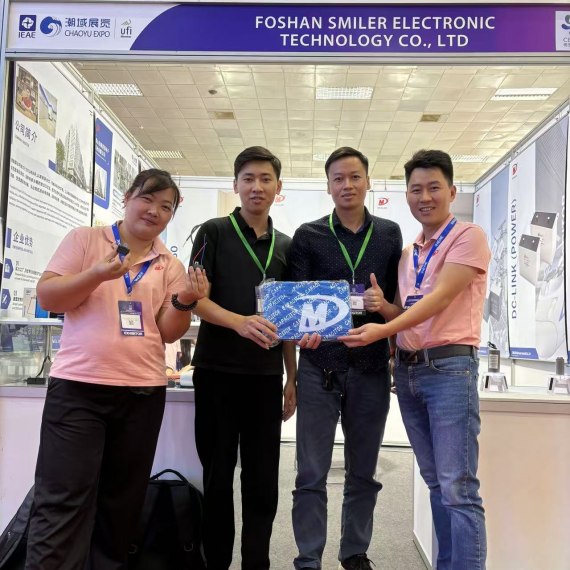
2024 VIETNAM INTERNATIONAL ELECTRONICS & SMART APPLIANCES EXPO
Exploring How AC Capacitors and DC Capacitors Function Differently
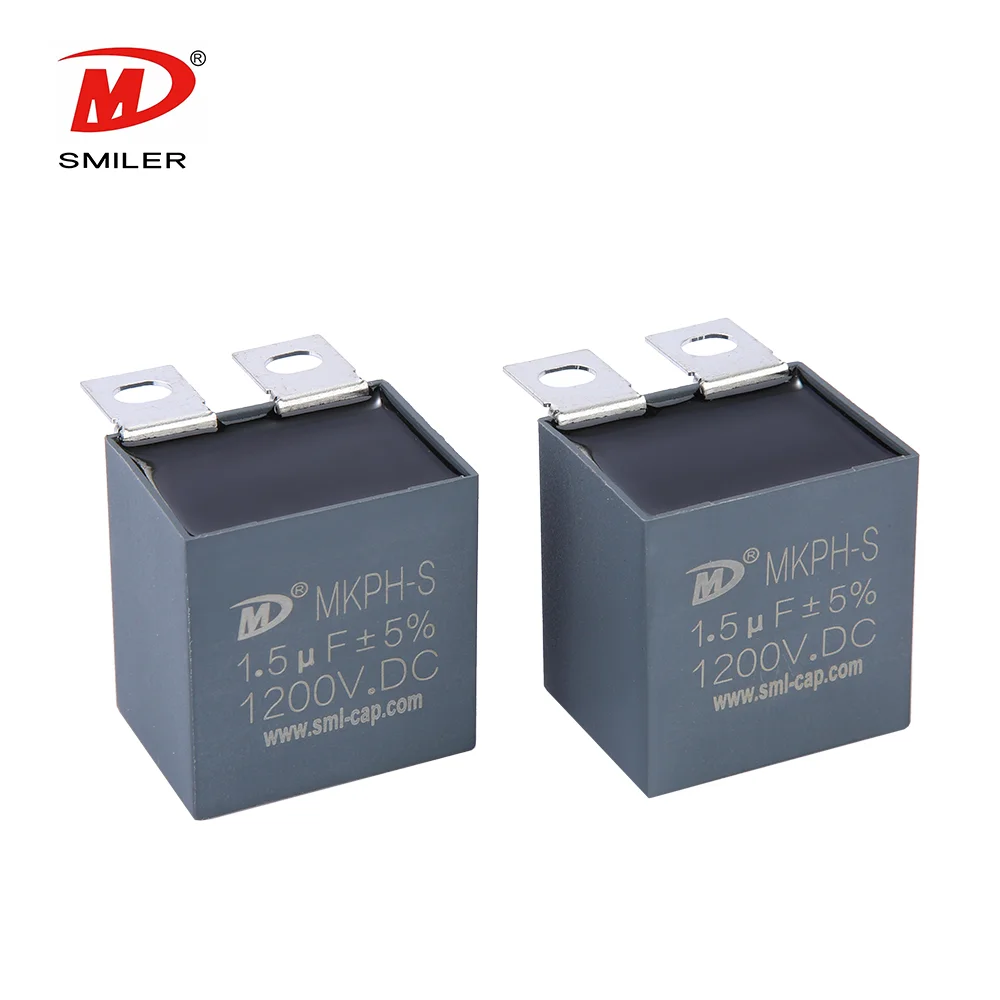
Understanding Snubber Capacitor: RC vs. RCD Snubber Differences
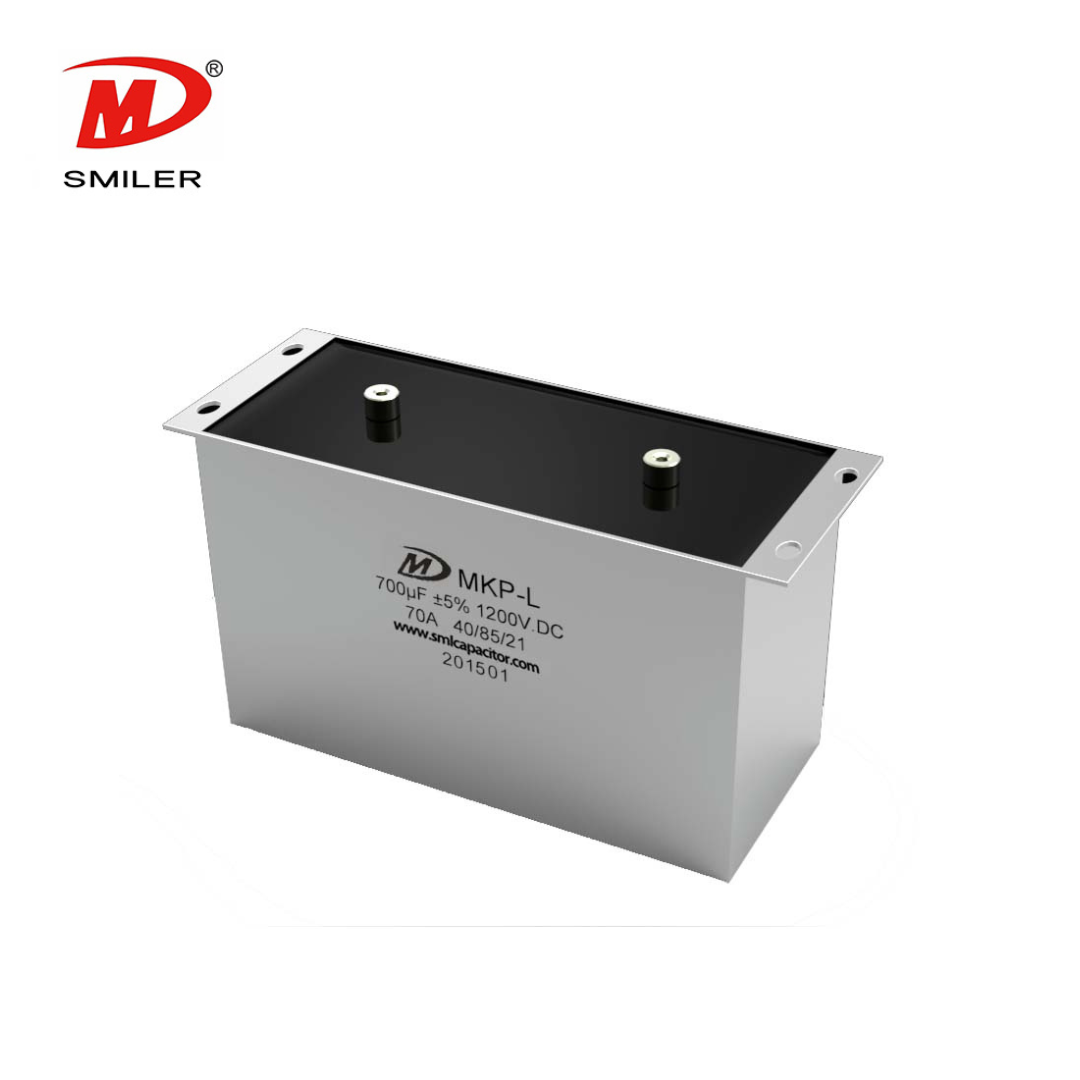
Understanding DC Capacitance to Prevent Converter Oscillations
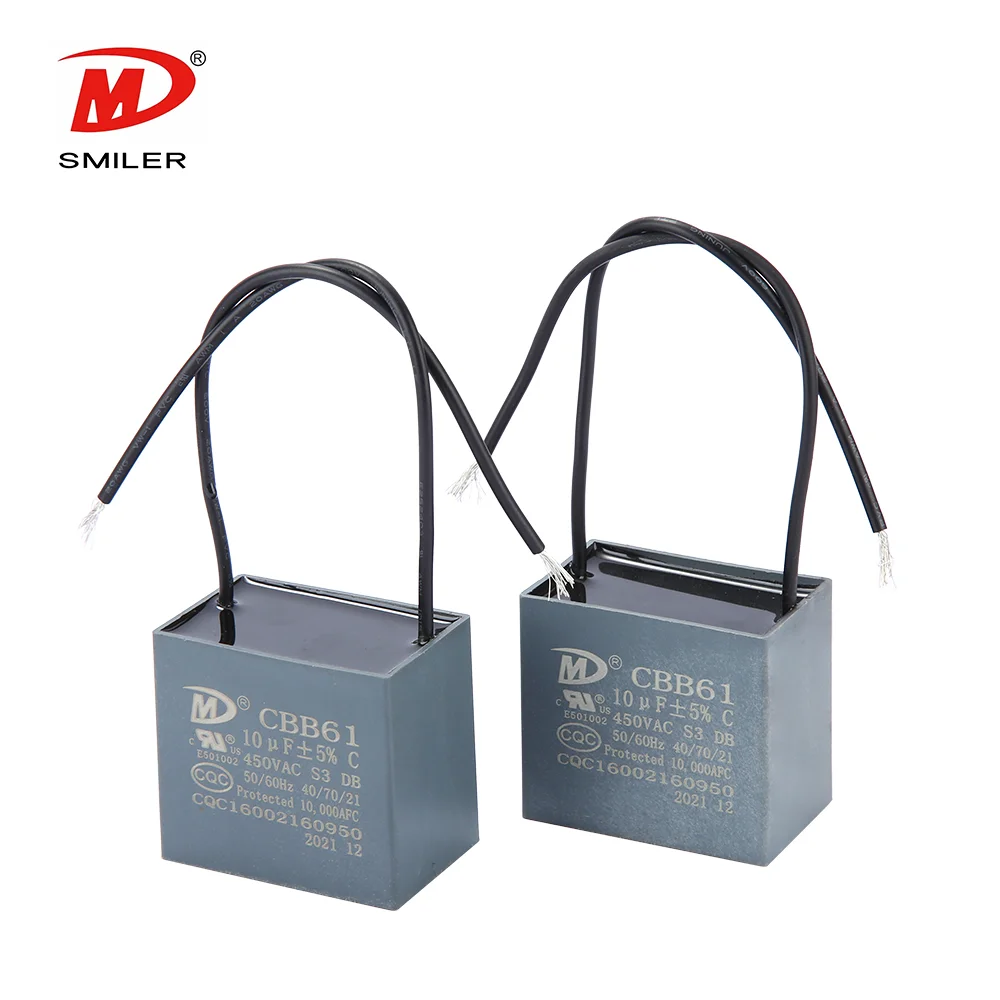
What Does a CBB61 Fan Capacitor Do? Exploring the Role of CBB61 Fan Capacitors


 Add
Building 12,Huazhi Technology Innovation Center,28 Sanle East Road,Beijiao,Foshan,Guangdong,China
Add
Building 12,Huazhi Technology Innovation Center,28 Sanle East Road,Beijiao,Foshan,Guangdong,China
 Phone
+86 18007576965 / 0757-22391591
Phone
+86 18007576965 / 0757-22391591
 Email
ari@sml-cap.cn
Email
ari@sml-cap.cn



