

Capacitance challenges in modern DC circuits have become more complex as power electronics move toward higher power density, faster switching speeds, and longer operating lifetimes. DC systems in applications such as EV charging, renewable energy inverters, UPS system, and industrial drives must handle ripple current, electrical noise, and surge events simultaneously. These stresses place higher demands on capacitor performance than traditional DC designs.
DC circuit reliability increasingly depends on how well capacitance is selected and integrated into the system. When capacitors are underspecified for ripple, poorly matched to noise frequencies, or inadequately protected against transients, failures often appear long before the expected service life. As a result, capacitance is no longer a passive afterthought but a critical design parameter that influences system stability and maintenance cost.
DC ripple means the leftover AC voltage and current swings added to a DC bus after rectification or conversion. In today's power electronics, ripple comes not just from rectifier stages. It also arises from high-frequency switching in converters and inverters. These swings put direct strain on DC Link Capacitors. They also shape how downstream circuits act.
Ripple turns into a problem when its size or frequency goes beyond what the capacitor can soak up and even out. Too much ripple voltage can harm delicate loads. Meanwhile, strong ripple current speeds up capacitor wear through inner heat buildup. So, grasping ripple traits is vital for choosing the right capacitance.
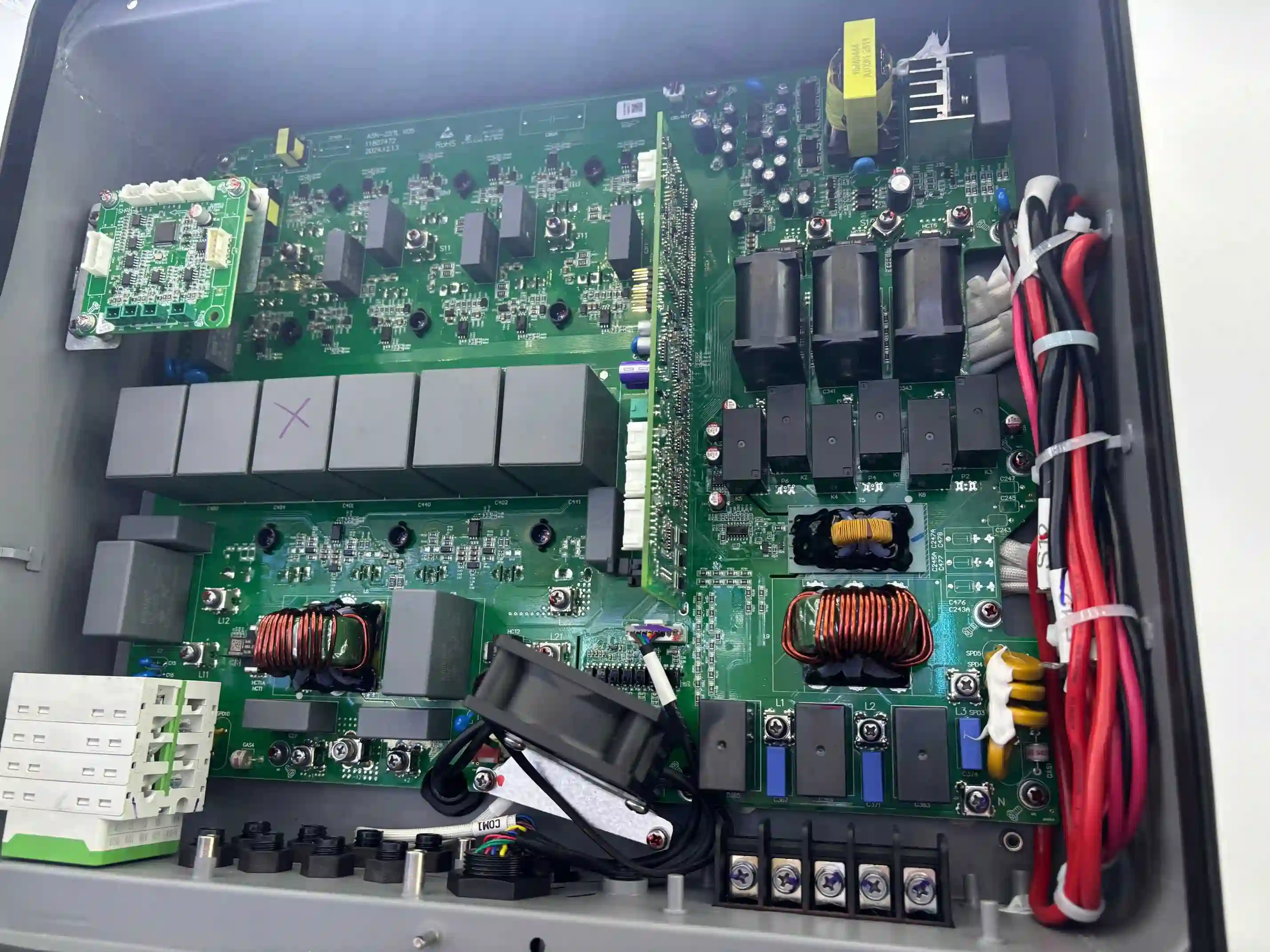
Handling ripple current stands as one of the top limits for capacitors in DC circuits. When ripple current passes through a capacitor's equivalent series resistance (ESR), power turns into heat. High inner temperature ranks as a main cause that cuts capacitor lifetime.
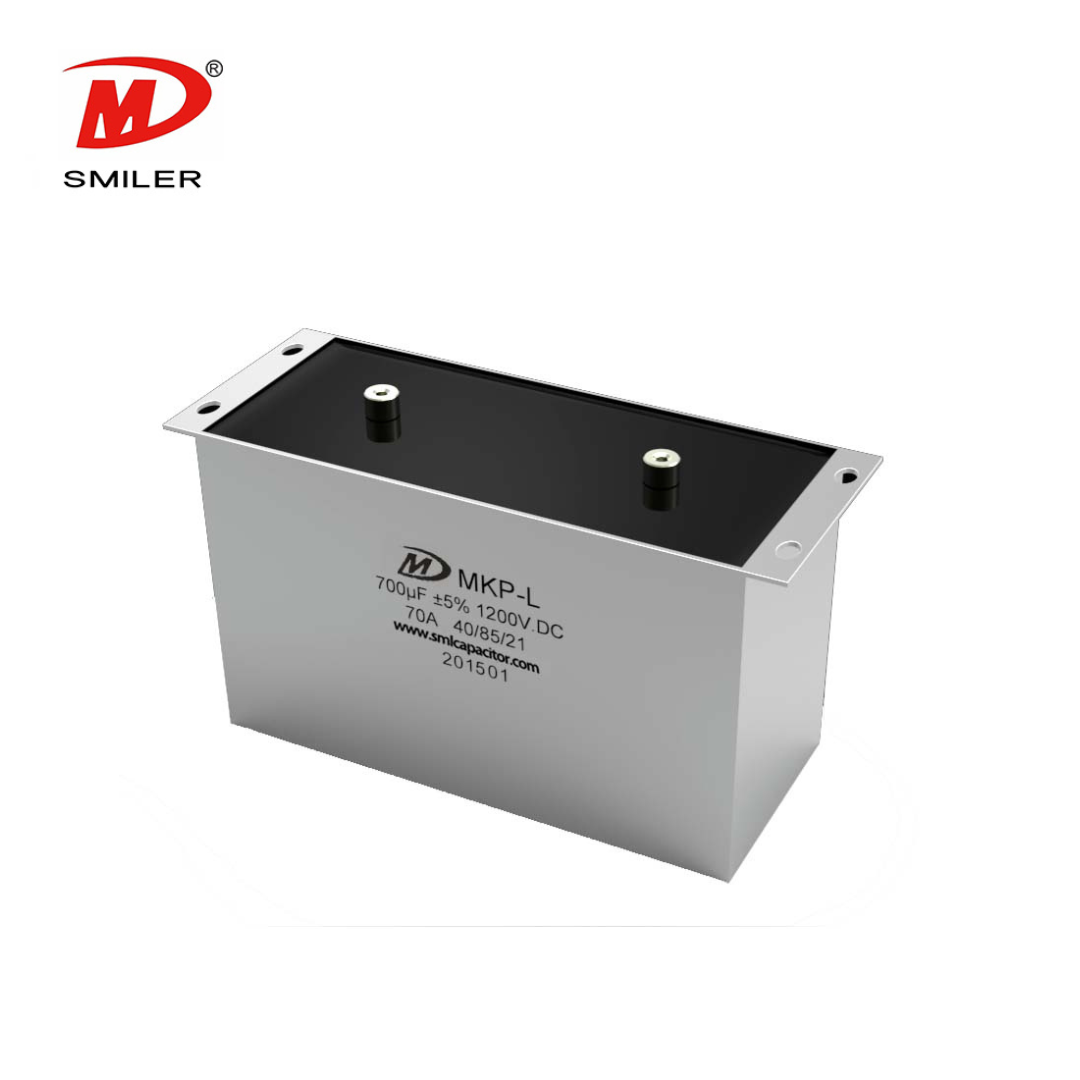
ESR levels that seem fine at room temperature can grow serious under steady ripple loads. In high-power DC-link uses, film capacitors such as DC Link MKP-LL are often. Their low ESR and steady heat behavior let them handle high ripple currents over long runs. This trait fits them well for inverter DC buses in wind power and photovoltaic systems.
Good ripple control in DC circuits needs more than just boosting capacitance value. Designers have to weigh capacitance, ESR, heat resistance, and physical setup to gain solid performance. Adding extra capacitance without fixing ESR can still cause overheating and early breakdowns.
Capacitance value shapes ripple voltage size directly. But gains drop off once ripple current ability becomes the main limit. Raising capacitance without better heat removal or ripple rating just moves the strain around. It does not wipe it out.
Low ESR and predictable thermal performance enable capacitors to manage ripple energy efficiently. Metallized polypropylene film capacitors are frequently used in DC circuits because they maintain stable electrical properties across temperature ranges, reducing ripple-induced degradation.
Electrical noise in DC circuits originates from fast switching edges, parasitic inductance, and coupling between power and control paths. Unlike low-frequency ripple, noise often appears in the tens or hundreds of kilohertz range, where capacitor impedance behavior changes significantly.
Noise issues commonly arise in DC-DC converters, motor drives, and high-frequency inverters, where rapid voltage transitions generate conducted emissions. Without appropriate capacitive filtering, these disturbances propagate through the DC bus and interfere with sensitive electronics.
Parasitic inductance in capacitor leads, terminals, and PCB traces can severely reduce noise suppression effectiveness. Even capacitors with suitable nominal values may fail to attenuate high-frequency noise if the physical layout is not optimized.
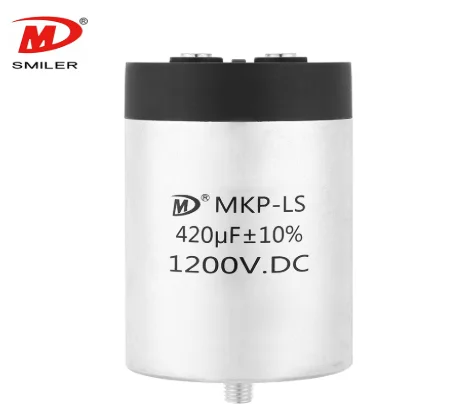
Compact capacitor designs with low self-inductance, such as DC Link MKP-LS, help reduce noise by minimizing loop area and improving high-frequency response. These characteristics are especially valuable in DC systems where space constraints limit layout flexibility.
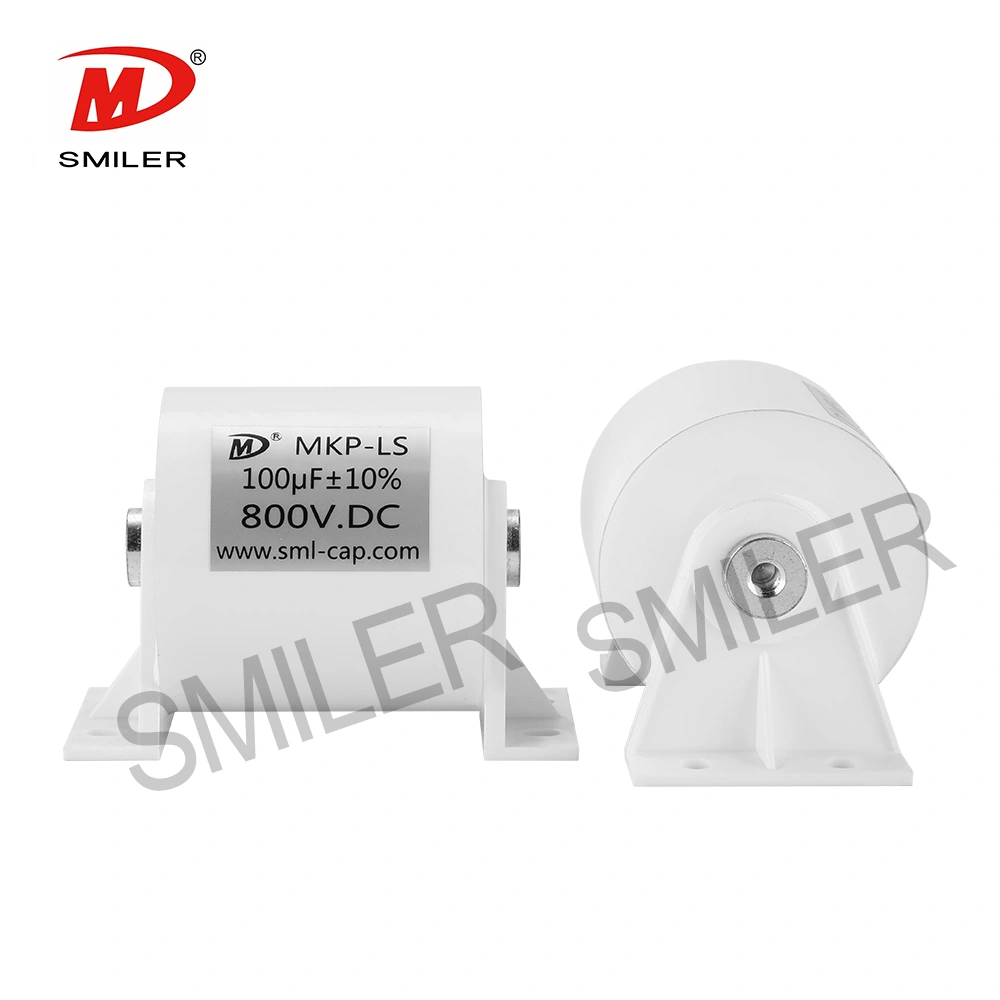
Capacitors take on varied jobs in noise control based on frequency band and circuit spot. Bulk capacitors steady the DC bus. Smaller, low-inductance ones tackle fast transients and switching noise right near the source.
High-frequency decoupling capacitors react fast to switching moments. Bulk capacitors, on the other hand, store energy and hold low-frequency steadiness. Pairing both in planned layouts gives wider noise damping.
Sticking to one capacitor kind seldom gives good noise handling over all frequencies. Stacked capacitance approaches work better. This holds true in systems with changing loads and switching setups.
Surge events in DC circuits occur during load switching, fault clearing, lightning-induced transients, and regenerative braking in motor systems. These events can introduce voltage spikes far exceeding nominal DC levels for very short durations.
Such transient stresses challenge capacitors differently than continuous ripple or noise. Even brief overvoltage events can damage dielectric layers if the capacitor is not designed for repetitive surge exposure.
Transient overvoltage accelerates dielectric aging and may trigger partial discharge or insulation breakdown. In DC-link circuits, repeated surges gradually weaken capacitors until catastrophic failure occurs.
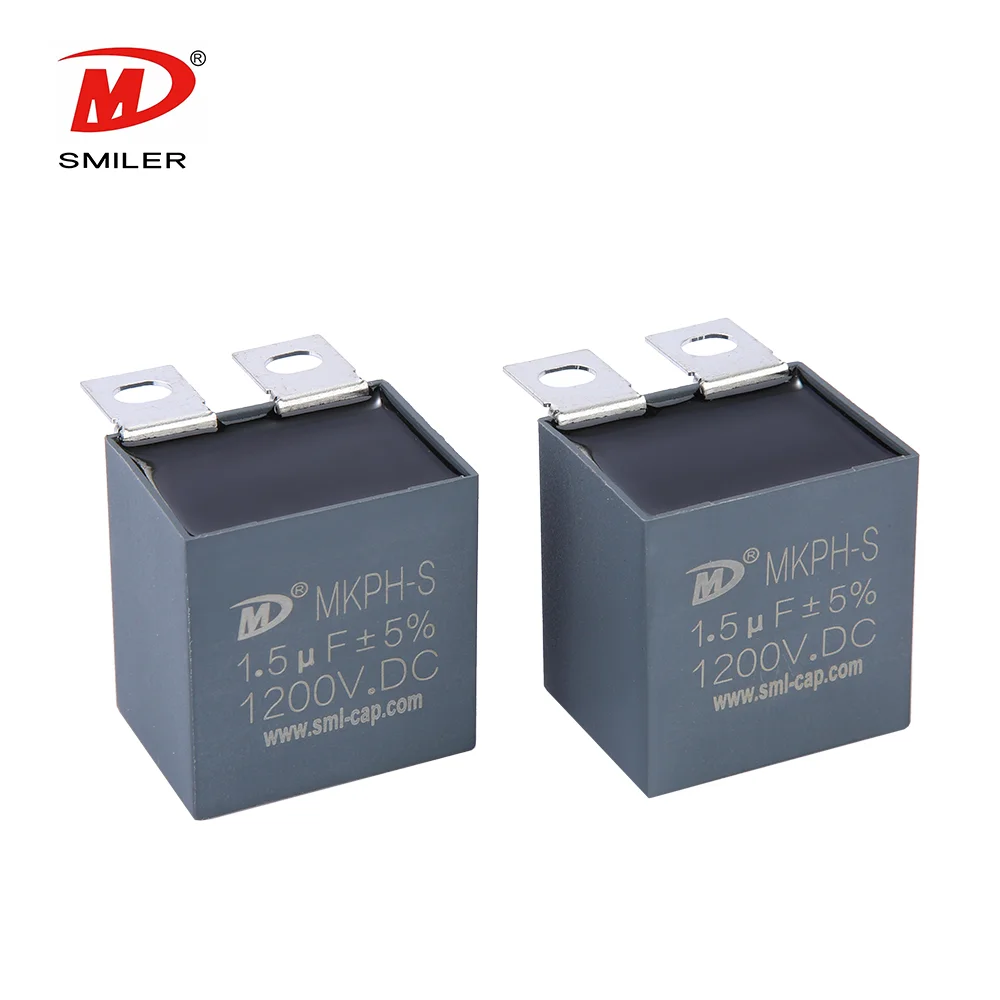
Snubber capacitors such as MKPH-S are commonly used to absorb fast voltage spikes and limit dv/dt stress on switching devices. Their high pulse capability and self-healing properties make them effective in protecting both capacitors and semiconductors.
Capacitors alone cannot provide complete surge protection. Effective designs coordinate DC-link capacitors with snubber networks, TVS devices, and circuit topology to distribute stress appropriately.
Capacitors stabilize voltage and absorb energy, while TVS devices clamp peak voltage, and snubbers control switching transients. Each component addresses different aspects of surge behavior.
Many DC systems face common transient events, not just rare surges. Picking capacitors built for repeated stress ensures lasting reliability in actual running conditions.
Capacitance selection directly affects voltage margin and service life. Operating a capacitor close to its rated voltage reduces its lifetime, especially under high temperature and ripple conditions.
Film capacitors designed for high DC voltage, such as DC Link MKP-LM, offer extended lifetime by combining voltage margin with humidity resistance and stable electrical performance.
Working temperature, humidity, vibration, and height all shape capacitor action. DC circuits in outdoor energy storage or EV fast chargers need capacitors with tough environmental handling.
Film capacitors are increasingly replacing electrolytic capacitors in high-stress DC circuits due to their longer lifetime, self-healing capability, and superior ripple handling. These characteristics align well with applications demanding continuous operation and minimal maintenance.
Electrolytic capacitors offer high capacitance density but suffer from electrolyte degradation over time. Film capacitors provide lower capacitance per volume but deliver higher reliability under ripple and surge stress.
Long-life DC systems focus on steady aging and low breakdown rates. Choosing capacitors with tested endurance cuts downtime and full-life costs.
SMILER capacitor aids ripple and noise control. It offers DC-link capacitors with low ESR, low inductance, and steady heat performance. Products such as DC Link MKP-LL and MKP-LS aim to keep DC bus stability in inverters, motor drives, and UPS systems.
Surge resilience is addressed through snubber capacitors like MKPH-S, which absorb transient energy and protect switching devices. These solutions are commonly applied in inverter welding machines and high-frequency power supplies, where stable operation has been maintained under repetitive switching stress.
SMILER capacitor gives support tied to applications. It adjusts capacitance details to fit specific DC circuit needs. In renewable energy work, custom DC-link capacitors go into photovoltaic inverters. They achieve steady long-term runs and fewer upkeep issues.
A: The main challenges include managing ripple current heating, suppressing high-frequency noise, and ensuring capacitors can withstand repetitive surge events. Film capacitors such as DC-link and snubber types are often selected to address these combined stresses.
A: Capacitor selection should consider ripple current rating, ESR, voltage margin, thermal performance, and expected surge conditions. Coordinating DC-link capacitors with snubber capacitors improves overall protection.
A: Film capacitors generally perform better in high-stress DC circuits due to longer lifetime, self-healing properties, and superior ripple handling, while electrolytic capacitors may be suitable for lower-stress or space-constrained designs.
A: Snubber capacitors are often necessary to control dv/dt and absorb transient energy in inverter circuits, helping to protect both capacitors and power semiconductors from voltage spikes.
A: Engineers often look for manufacturers with strong film capacitor expertise, stable quality control, and application support. SMILER capacitor provides DC-link and snubber capacitor solutions that have been successfully used in industrial and energy-related DC projects.
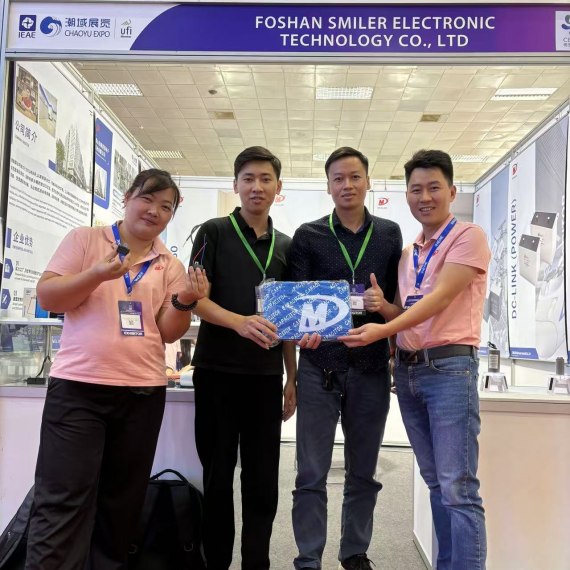
2024 VIETNAM INTERNATIONAL ELECTRONICS & SMART APPLIANCES EXPO
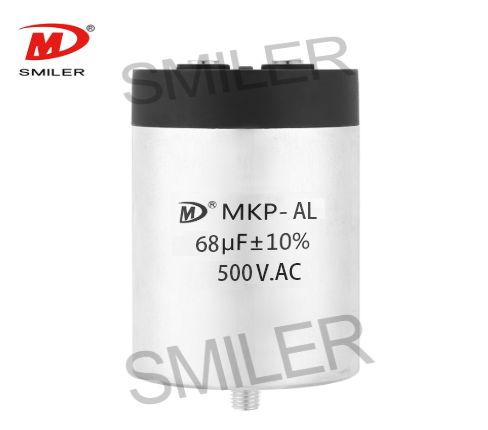
Exploring How AC Capacitors and DC Capacitors Function Differently
Understanding Snubber Capacitor: RC vs. RCD Snubber Differences
Understanding DC Capacitance to Prevent Converter Oscillations
What Does a CBB61 Fan Capacitor Do? Exploring the Role of CBB61 Fan Capacitors
Mastering AC to DC Rectifier with Capacitor Techniques


 Add
Building 12,Huazhi Technology Innovation Center,28 Sanle East Road,Beijiao,Foshan,Guangdong,China
Add
Building 12,Huazhi Technology Innovation Center,28 Sanle East Road,Beijiao,Foshan,Guangdong,China
 Phone
+86 18007576965 / 0757-22391591
Phone
+86 18007576965 / 0757-22391591
 Email
ari@sml-cap.cn
Email
ari@sml-cap.cn



