

A malfunctioning ceiling fan often points to a single, small component failure rather than a broken motor. The ceiling fan capacitor acts as the heartbeat of the unit, providing the necessary torque to start the blades and maintain their speed. When this component degrades, airflow diminishes, and energy efficiency drops, leading to user frustration and potential motor damage. Recognizing the early symptoms of failure allows maintenance professionals and homeowners to resolve the issue cost-effectively before the entire fan requires replacement.
Most ceiling fans run on single-phase AC motors. These motors depend a lot on capacitors to make a turning magnetic pull. The fan capacitor holds electric power for a short time. Then it lets it go to cause a time delay. This builds the starting push needed to beat the still blades' resistance. Without that first electric boost, the motor just buzzes without moving. After the fan starts, the capacitor keeps guiding the power flow. So the motor runs even at the picked speed.
Heat pressure stands as the main threat to motor run capacitor life. Running non-stop in warm spots can dry the inside liquid or wear the barrier layer. Power spikes from the lines can also hurt the inner shield. Even good parts have a set life span. After some years, they often fall under their working capacity level.
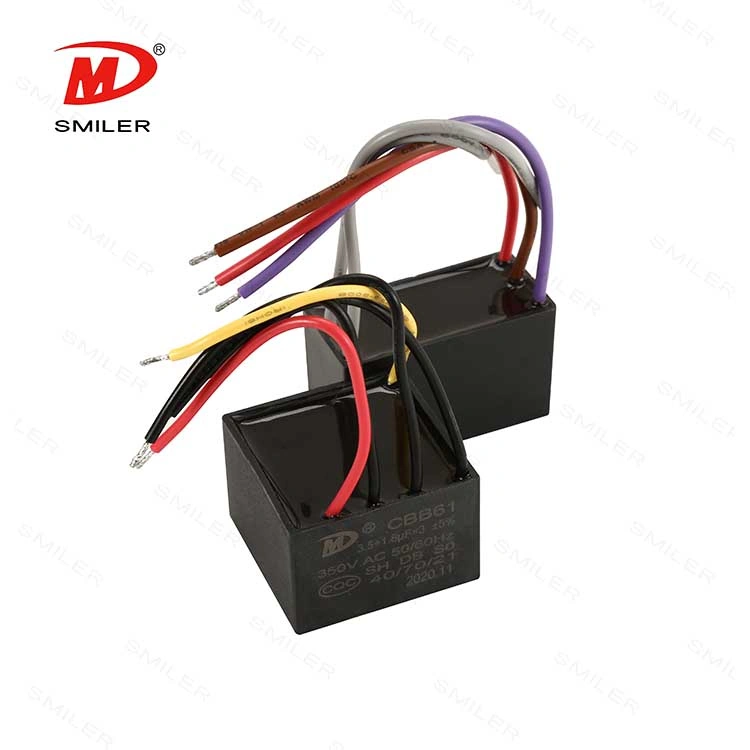
A noticeable reduction in RPMs is the most frequent indicator of a bad capacitor. If the fan is set to its highest speed but spins sluggishly as if it were on low, the capacitor likely cannot hold a sufficient charge to drive the motor at full power. This "slow spin" issue usually worsens gradually, turning a once-powerful breeze into a barely perceptible airflow, indicating that the capacitance value has dropped significantly below its rating.
A clear buzz sound with no blade turn means the start capacitor has quit fully. The motor gets juice and tries to go. But the capacitor can't give the needed starting push to begin the spin. This case harms the motor coils a lot. If it buzzes too long without turning, the stuck motor heats up and fries. Then a simple fix becomes a high cost.
Fans with speed choices often use a multi-value capacitor. It packs a few inner capacitors in one piece. Here, one part for a certain speed, often the slower ones, might quit while others hold. As a result, the fan works fine on high. But it skips or acts odd on medium or low when you switch.
Eye signs give the surest clue of a failed capacitor. Inside pressure builds from too much heat or power glitches. Then the plastic shell bends. Take off the fan's top cover, and you might see a puffed, split, or gooey plastic part. Any shell bend proves the inner barrier is broken. You need to swap it right away.
An acrid, plastic-burning odor emanating from the fan indicates a critical failure. This smell often results from a capacitor blowout or the motor windings overheating due to a lack of proper regulation. This is a severe safety hazard; power must be cut to the unit immediately to prevent fire risks. While a burning smell can sometimes indicate motor failure, checking the capacitor first is standard procedure, as it is the more common and volatile culprit.
Turn off the power first. Get to the capacitor in the switch box. Look for the outer flaws noted before. A rounded or changed-color shell means the part is done, even without more checks.
For a real test, grab a digital multimeter with capacity mode. Let the capacitor lose its charge. Then hook up the wires. The number should fit the microfarad (µF) mark on the tag, usually ±5%. If a 4.5µF capacitor shows close to zero, swap it to bring back the fan's work.
Safe use hinges on fitting the details. The new one's microfarad (µF) must match the old one just right. That stops motor heat-up. But for voltage (VAC), it can match or go higher. Fitting a 450V capacitor for a 250V spot boosts lasting power.
Cheap capacitors use weak layers that give way to heat. Better ones have metal-coated film with fix-it traits. This lets the part heal from small inner breaks. Spending on good ones avoids repeat fixes.
The SMILER CBB61 Capacitor series is made for tough AC motor jobs. It uses fine polypropylene film and a fire-stop shell. These give strong heat hold and self-fix skills. In one fresh air project for business, switching to SMILER capacitor CBB61 cut fix calls by 40%. Solid stuff keeps the work steady.

SMILER capacitor fits varied buyer wants with bendy options. Unlike sellers needing big batches, SMILER capacitor gives small Minimum Order Quantities (MOQ). This suits fix shops and sellers. With know-how from big names like Midea, the firm offers OEM/ODM to tweak wire types and fits. It brings top quality to all sizes of outfits.
A: Pick brands that focus on metal-film tech and have safety stamps like UL or CQC. SMILER capacitor gets strong nods for its self-heal stuff and tight checks. This keeps the fan running smoothly for years with few fixes.
A: The best way is to look at the tag on your current capacitor for two main numbers: the microfarad (µF) and the voltage (VAC). You have to match the µF to the old one exactly. For voltage, pick one that equals or beats the first, like a 450V for a 250V swap.
A: No, never go over the maker's µF limit. It might speed up for a bit, but it lets too much juice through the coils. Then the motor heats fast, buzzes hard, and burns out. That leads to a steep fix bill.
A: A 2-wire one often backs one speed or job as a basic start/run part. A 3-wire is usually a two-part block in one shell for speed control. When swapping, make sure the new one has the same wire count and inside setup to get all speeds back right.
A: Early quits often stem from buying cheap parts or ones with too-low voltage for the job. Also, if the fan motor has issues like stuck bearings that drag, it heats the new part. Picking a trusted seller like SMILER capacitor gives you a tough piece made to fight heat and power strain.
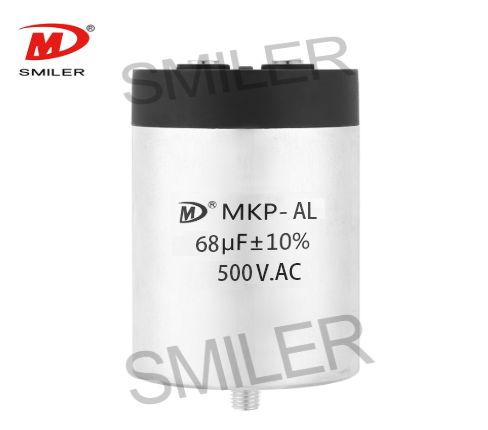
Exploring How AC Capacitors and DC Capacitors Function Differently
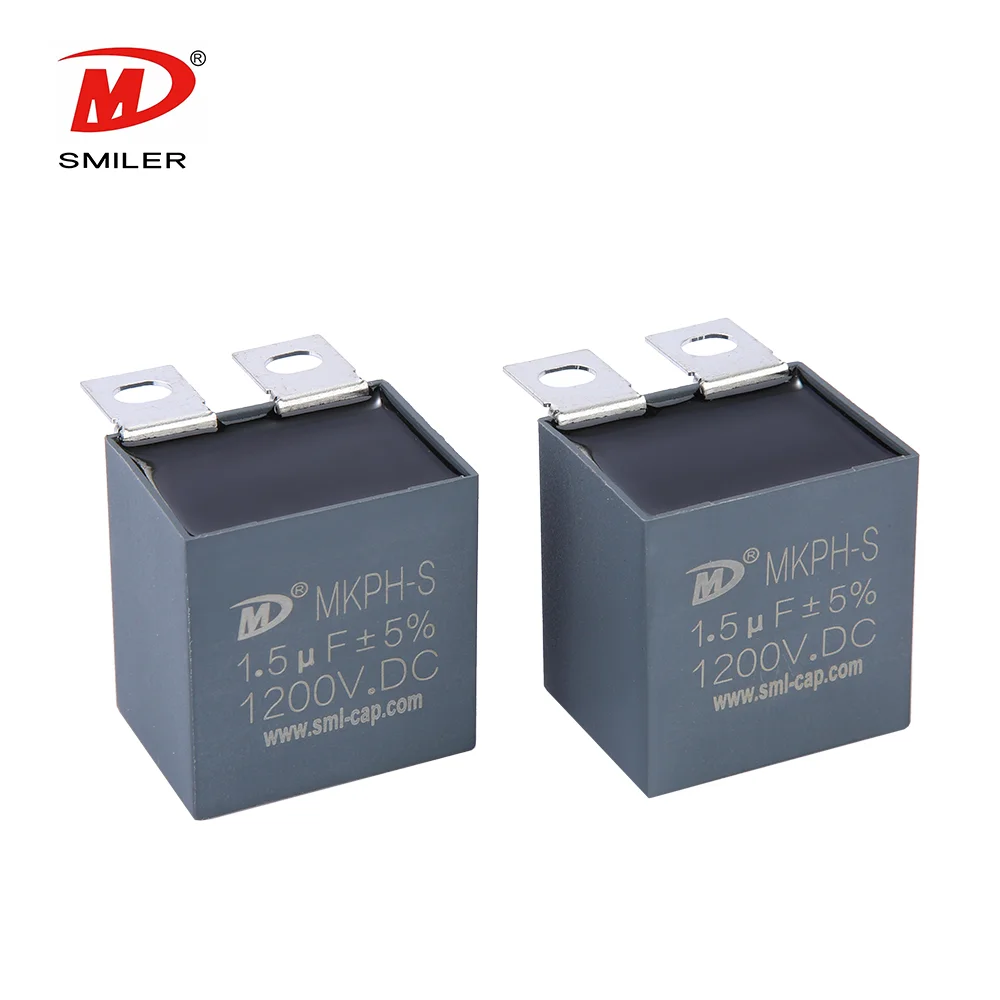
Understanding Snubber Capacitor: RC vs. RCD Snubber Differences
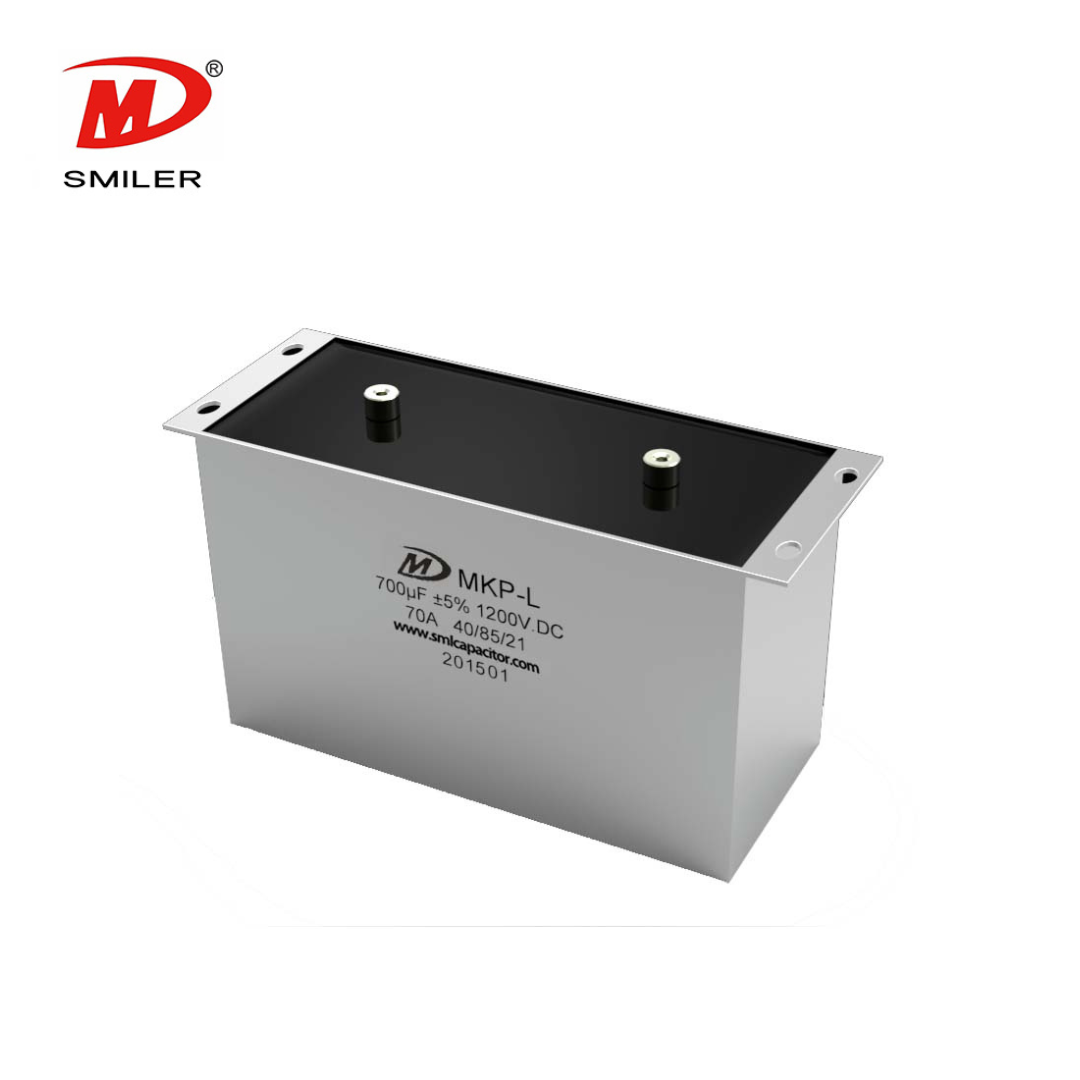
Understanding DC Capacitance to Prevent Converter Oscillations
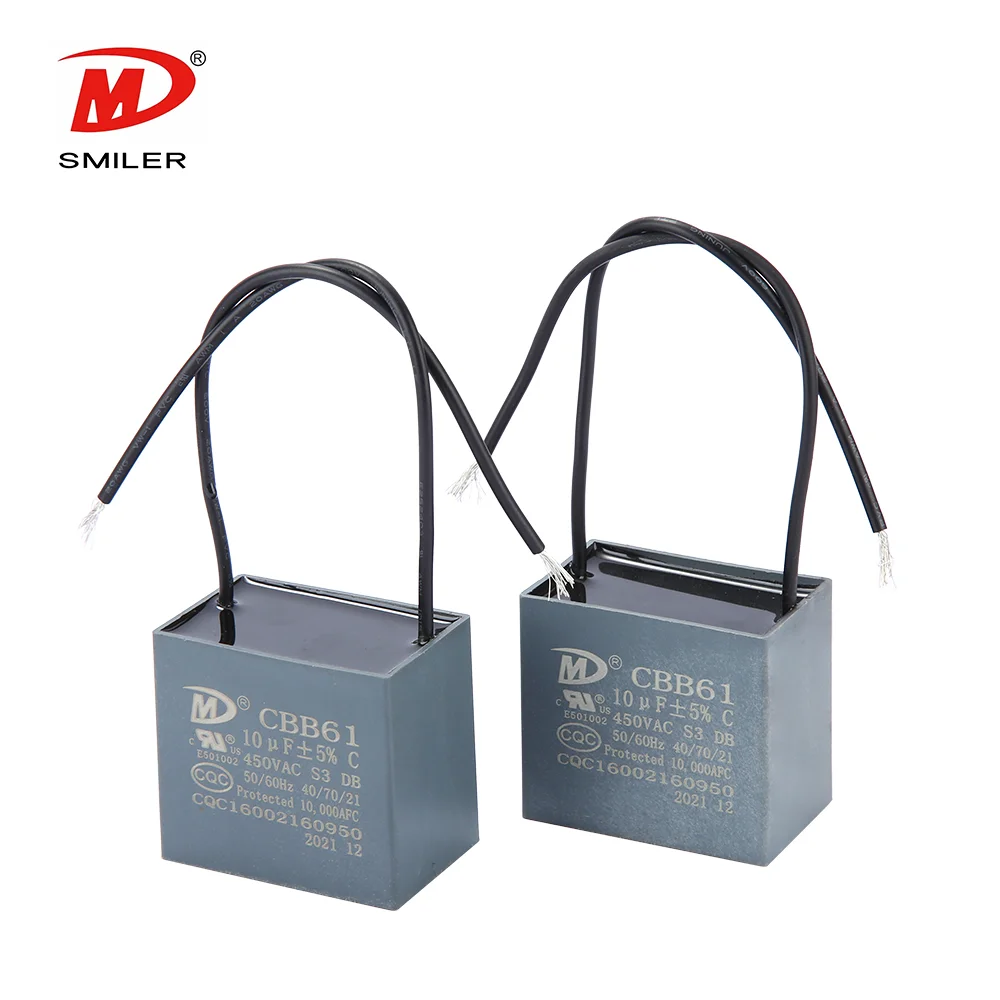
What Does a CBB61 Fan Capacitor Do? Exploring the Role of CBB61 Fan Capacitors
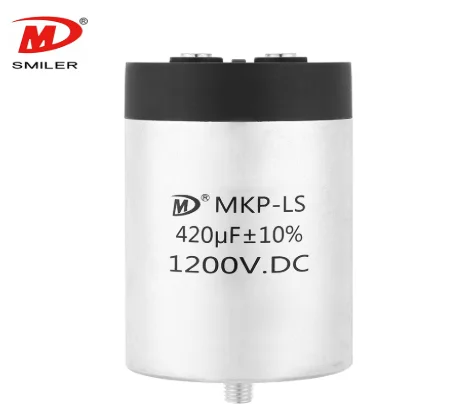
Mastering AC to DC Rectifier with Capacitor Techniques


 Add
Building 12,Huazhi Technology Innovation Center,28 Sanle East Road,Beijiao,Foshan,Guangdong,China
Add
Building 12,Huazhi Technology Innovation Center,28 Sanle East Road,Beijiao,Foshan,Guangdong,China
 Phone
+86 18007576965 / 0757-22391591
Phone
+86 18007576965 / 0757-22391591
 Email
ari@sml-cap.cn
Email
ari@sml-cap.cn



