

In AC-DC power conversion, high-frequency switching creates a lot of heat inside the circuit. If the cooling system is not good enough, the temperature inside the parts goes up quickly. Working past the stated temperature limits speeds up the wear on the insulating material. For each 10°C rise above the rated temperature, the expected life of a typical electrolytic part gets cut in half. This results in early failure and problems in the circuit.
Power grids are not always steady. Sudden voltage spikes and strong ripple currents can quickly go beyond what a part can handle. When a capacitor faces ripple current higher than its datasheet limit, it turns extra power into heat. This causes a runaway heat effect. In bad cases, this electrical strain breaks through the insulating layer. As a result, it leads to permanent short circuits and total breakdown of the whole power stage.
Today's switch-mode power supplies run at very high frequencies. They do this to make the units smaller and more energy-efficient. However, this ongoing switching puts heavy electrical strain on the filtering parts. The Arrhenius equation explains this wear process. It shows that constant high-frequency stress will dry out liquid electrolytes over time. This built-in life limit is why many hardware engineers switch to solid-state or film-based options for key applications.
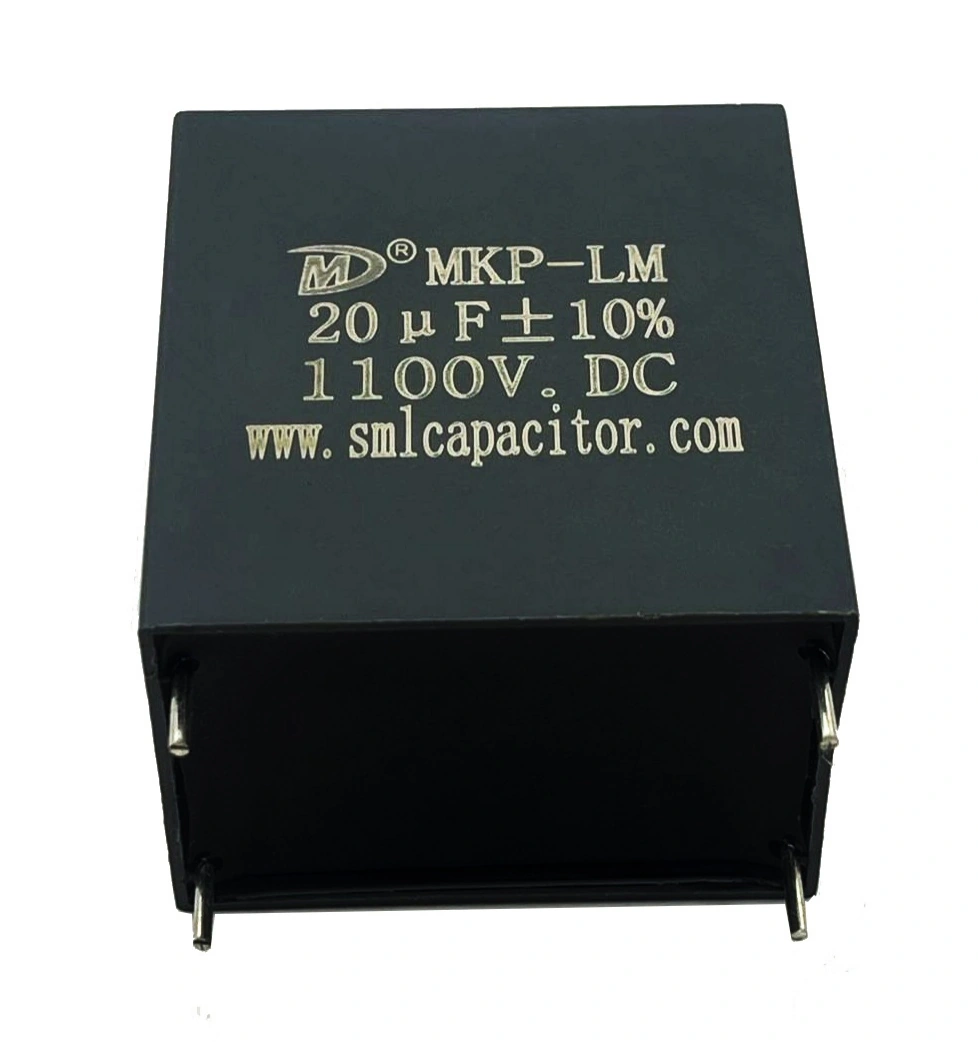
The clearest sign you can see of a failing part is physical change. Internal pressure builds up from gas created by the electrolyte turning to vapor. This makes the outer case swell at the top vent. If the pressure gets too high for the case to hold, it leaks or bursts. The leaked electrolyte is very corrosive. It can cause lasting damage to nearby PCB traces and delicate microcontrollers.
Not every circuit problem shows up visually. Equivalent Series Resistance (ESR) rises as the part gets older and its inner chemistry breaks down. High ESR makes the capacitor act like an unwanted resistor. This creates more heat and starts a bad cycle. Such unseen wear greatly lowers the overall efficiency of the AC-DC power supply. It often causes odd system restarts and slow operation.
When a capacitor can no longer filter AC noise or even out the DC output, the ripple voltage jumps too much. This poor filtering leads to big voltage swings further along. For sensitive digital devices, too much output ripple brings in high-frequency noise. This noise harms signal quality. It can cause sudden device resets, screen flickering, or full system freezes.
Safety comes first. You must cut off the power and discharge the high-voltage area safely before any testing. A basic digital multimeter can check total capacitance. However, it cannot spot higher ESR, which is the real quiet cause of failure in old power supplies. So, use a special ESR meter to test the part in the circuit or after removing it by soldering. If the ESR value is much higher than the maker's spec, throw out the part and swap in a new one.
When swapping a bad part, pick a good desoldering pump or copper braid to clear the old solder. Do this carefully to avoid damaging the thin PCB pads. For the new part, follow the right polarity exactly. Match the pin spacing, and make sure the voltage rating matches or beats the original. Good soldering methods help the new part manage the needed ripple current. They also avoid adding unwanted inductance.
Putting in the same cheap electrolytic type as before often means failure again in just a few years. For demanding AC-DC power supplies, changing to a better insulating material is a smart choice. Film capacitors use a metal-coated plastic film. This gives them self-repair ability, very low ESR, and no issues with drying out. Parts like X2 Safety Film Capacitors for EMI suppression or DC Link Capacitors for DC voltage smoothing can greatly lengthen the life of the power supply unit.
Buying teams often look only at the initial cost per unit. But experienced engineers know that Total Cost of Ownership (TCO) covers warranty fixes, on-site repairs, and company image. Choosing a low-cost part might save a little on each unit built. Yet, it can lead to huge costs from product recalls down the line. Spending on reliable parts cuts out these hidden repair expenses. It also ensures steady performance for users over time.
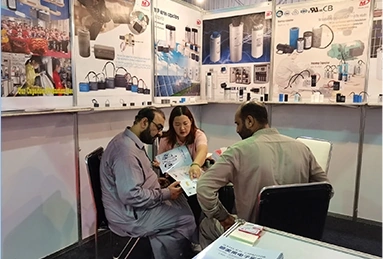
A strong power supply design needs a maker with top-notch quality checks. Seek out a company with solid industry knowledge and a good history. For example, SMILER capacitor offers more than 15 years of focused film capacitor work. They have a strong product pass rate of 99.93%. Plus, they partner with big names like Home Depot and Midea from the Fortune Global 500. SMILER capacitor keeps your supply chain steady. It also makes sure your end product stays dependable.
In the tough R&D stage of a new power supply, engineers need fast prototypes and adaptable production. Many big makers skip small orders. This slows down the whole development. SMILER capacitor differs by providing tailored options with a flexible Low MOQ approach. Also, their quick engineering team gives early answers within 24 hours. This way, your custom DC-Link or X2 film capacitor fits your exact design needs. It avoids extra delays in production.
A: Failures mainly come from heat strain due to poor circuit cooling, steady high-frequency switching, and sudden voltage spikes. When the part works past its rated temperature and ripple current limits, its inner insulating material wears out fast. This leads to high ESR, physical swelling, or full internal short circuits.
A: To check a part without taking it off, fully discharge the power supply first for safety. Then, use an in-circuit ESR meter. A regular multimeter cannot measure capacitance accurately in the circuit because of other parts in parallel. But an ESR meter sends a set high-frequency AC signal. It checks if the inner resistance has gone beyond safe levels.
A: Yes. High ESR makes the filtering part act like a heat-making resistor. Under ripple current loads, it produces too much heat. This speeds up aging and weakens the filtering ability a lot. In turn, it causes high output ripple, major voltage swings, and the final breakdown of the whole AC-DC power unit.
A: The working life depends a lot on the surrounding temperature and the main insulating material. Standard liquid-based parts may last just 2,000 to 10,000 hours at their top-rated temperature. But switching to solid-state or metallized film types, like those made well by SMILER capacitor, can boost the life greatly. These do not face electrolyte drying problems.
A: Yes, swapping a failed unit with one of a higher voltage rating is usually safe and a good idea. Just ensure it fits on the printed circuit board physically. It should also have the same capacitance and pin spacing. A higher voltage rating gives a bigger buffer against surprise voltage spikes in the AC power grid.
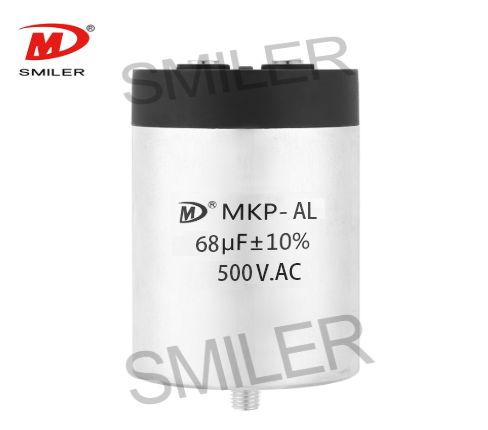
Exploring How AC Capacitors and DC Capacitors Function Differently
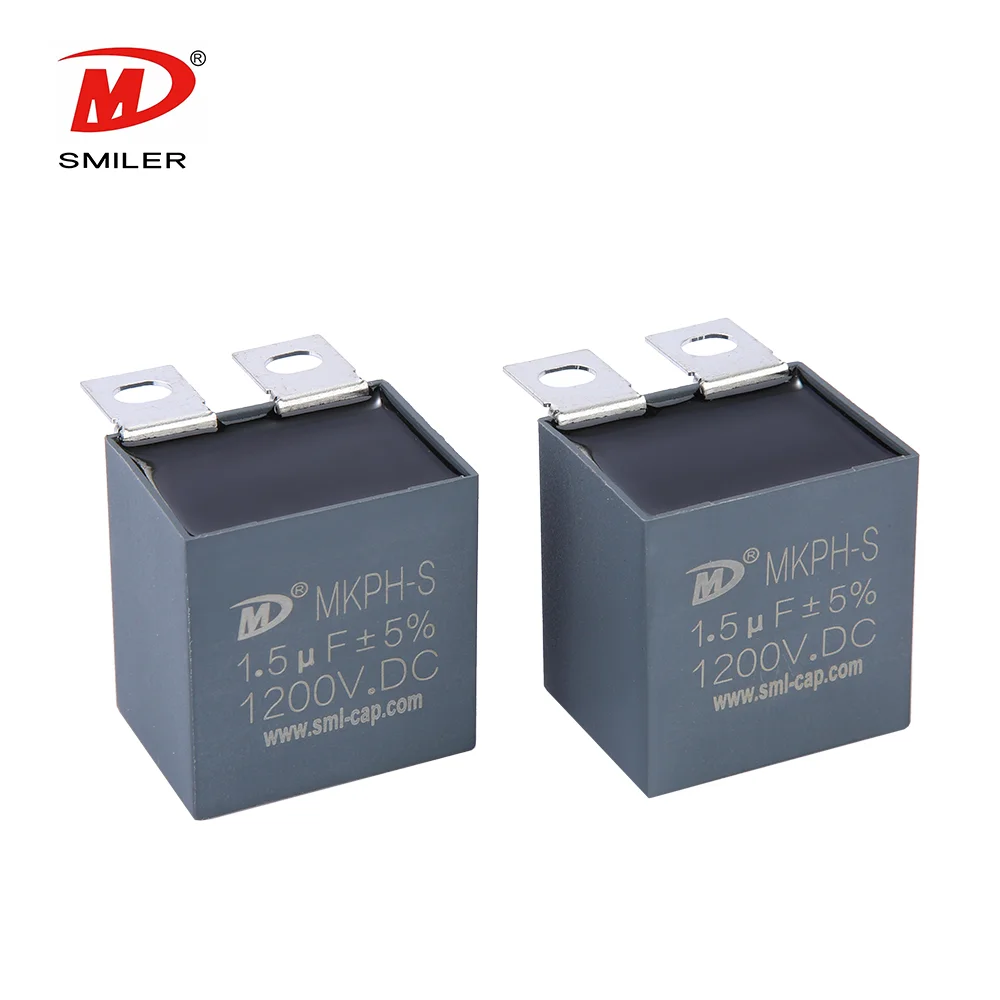
Understanding Snubber Capacitor: RC vs. RCD Snubber Differences
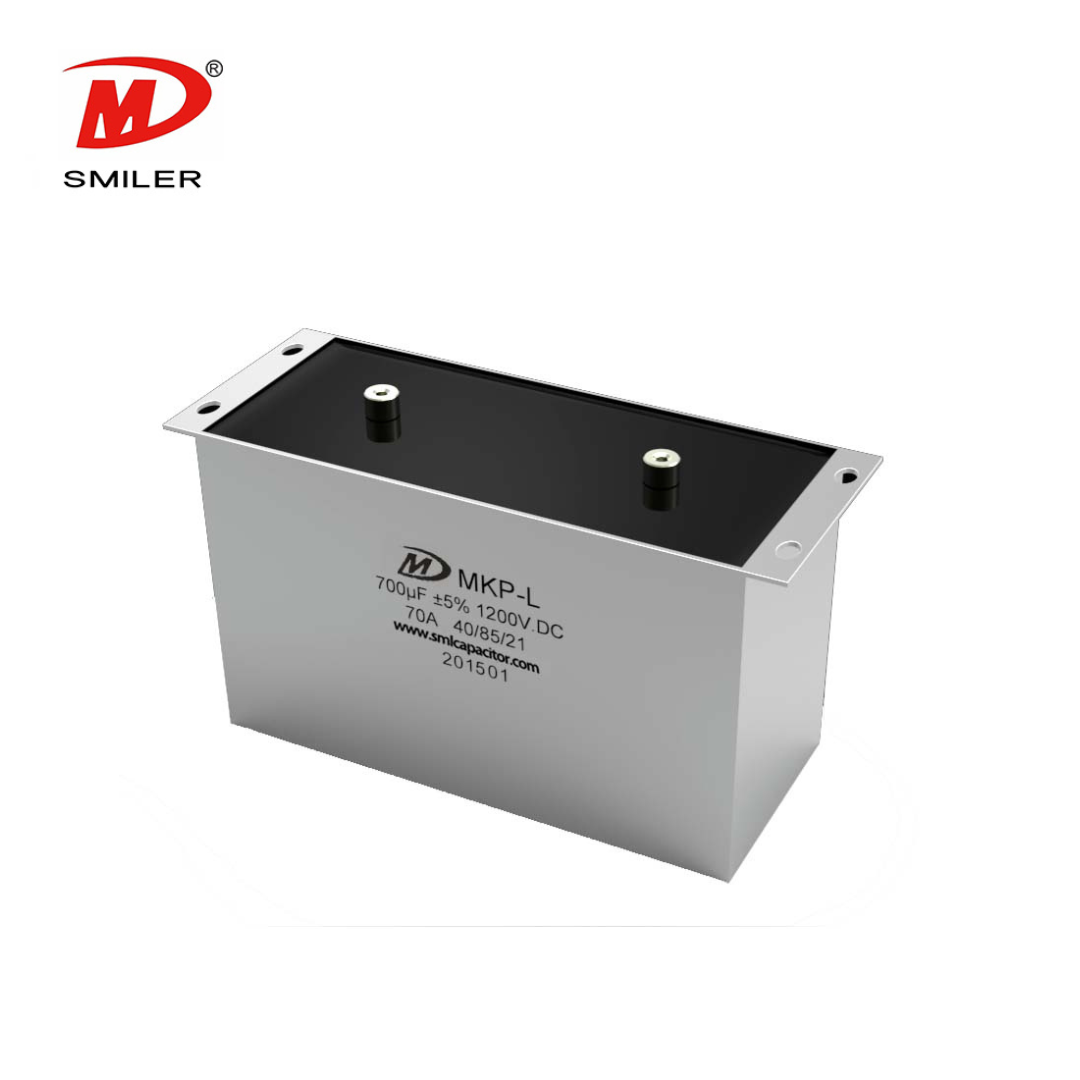
Understanding DC Capacitance to Prevent Converter Oscillations
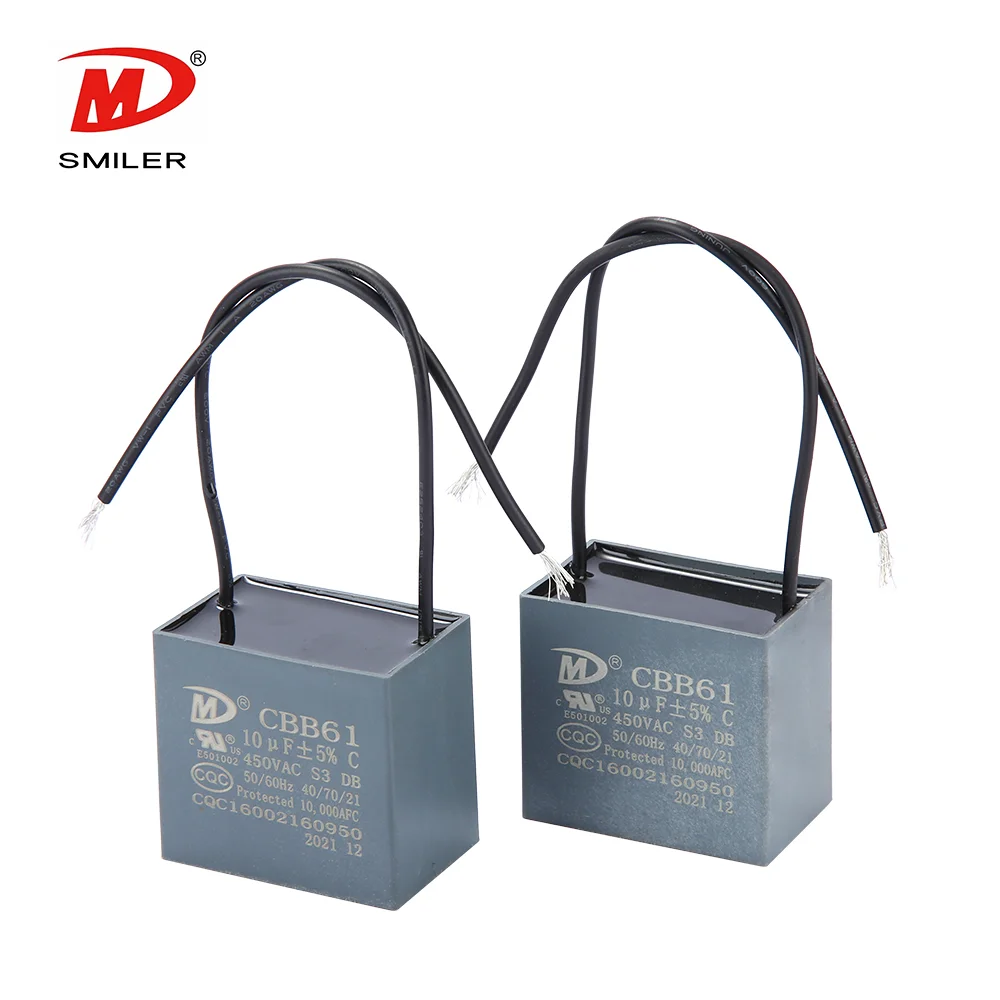
What Does a CBB61 Fan Capacitor Do? Exploring the Role of CBB61 Fan Capacitors
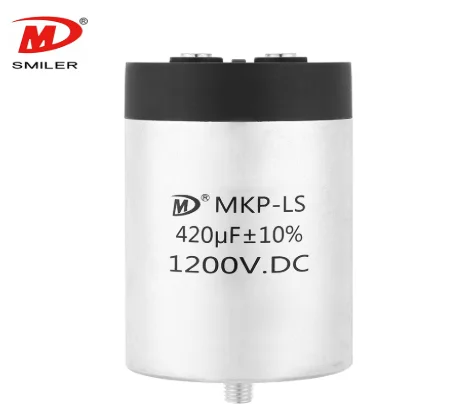
Mastering AC to DC Rectifier with Capacitor Techniques


 Add
Building 12,Huazhi Technology Innovation Center,28 Sanle East Road,Beijiao,Foshan,Guangdong,China
Add
Building 12,Huazhi Technology Innovation Center,28 Sanle East Road,Beijiao,Foshan,Guangdong,China
 Phone
+86 18007576965 / 0757-22391591
Phone
+86 18007576965 / 0757-22391591
 Email
ari@sml-cap.cn
Email
ari@sml-cap.cn



