

When the summer heat reaches its peak, the stability of your air conditioning system is vital for both homes and commercial spaces. As the heart of the outdoor unit, a failing condenser fan can quickly lead to unbearable temperatures and panic over high repair bills. What does the condenser fan price truly encompass, and how can proactive maintenance help you avoid massive system overhaul expenses? This guide reveals the true costs of AC replacement and the hidden electrical components driving them.
To understand the actual condenser fan price, you must first understand its critical role in your HVAC system.
During the refrigeration cycle, the condenser fan is responsible for expelling the heat absorbed from inside your home. Pulling air across the outdoor condenser coils helps the high-pressure refrigerant gas cool and condense back into a liquid. Without this efficient heat exchange, your air conditioning system simply cannot produce cold air.
When a fan operates poorly, the heat exchange process slows down drastically. This not only causes your AC to run continuously in a vain attempt to cool the house, but it also places immense thermal stress on the compressor. This loss of efficiency skyrockets your energy bills and significantly increases the risk of a complete system breakdown.
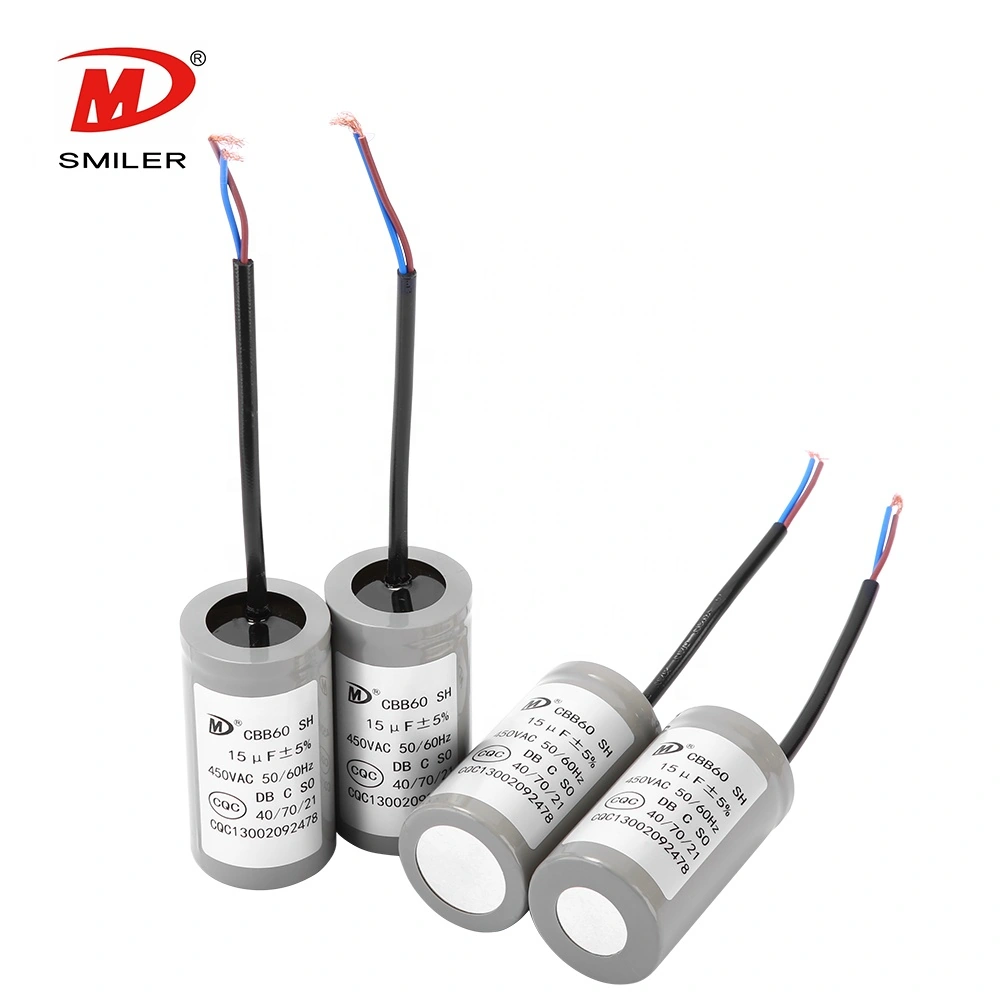
Homeowners facing repairs often confuse the fan blades, the condenser fan motor, and the run capacitor. The motor provides the rotational power, but the capacitor delivers the crucial electrical torque needed to start and keep the motor running. As a specialized film capacitor manufacturer, SMILER capacitor understands that these three components are deeply interconnected; the failure of a small capacitor will entirely halt the operation of the fan.
When a technician hands you an estimate, the condenser fan price is rarely just about a single part.
In the current HVAC market, the standard condenser fan replacement cost generally ranges from $300 to $600. This figure typically covers the cost of the replacement motor or blade (around $100 to $300) along with the specialized labor required to safely install and wire the new components.
You might wonder why condenser fan prices fluctuate so wildly. Larger tonnage AC units require heavy-duty, high-RPM motors, which naturally cost more. Additionally, proprietary OEM (Original Equipment Manufacturer) parts from premium brands carry a higher price tag compared to universal replacement motors.
The upfront parts quote often leaves out hidden expenses. Diagnostic fees, emergency weekend service surcharges, and the necessary replacement of damaged wiring or aging capacitors can easily add hundreds of dollars to your final AC repair bill.
Ignoring a struggling fan is a fast track to a catastrophic system failure.
A failing system usually gives warnings. Slow-spinning blades, loud screeching or humming noises, and an excessively hot outdoor unit cabinet are prime indicators that your fan is struggling. Catching these early can save you from a staggering AC replacement cost.
If the fan stops entirely, the heat trapped inside the condenser causes internal pressures to spike. While thermal overload switches may shut the system down temporarily, repeated overheating degrades internal insulation and disrupts the entire refrigerant flow.
The compressor is the most expensive component in your AC. Prolonged fan failure is the leading cause of compressor burnout due to sustained excessive heat. Once the compressor dies, the repair is usually so expensive that homeowners are forced into a total unit replacement.
Looking beneath the surface reveals that electrical stability is the true driver of long-term costs.
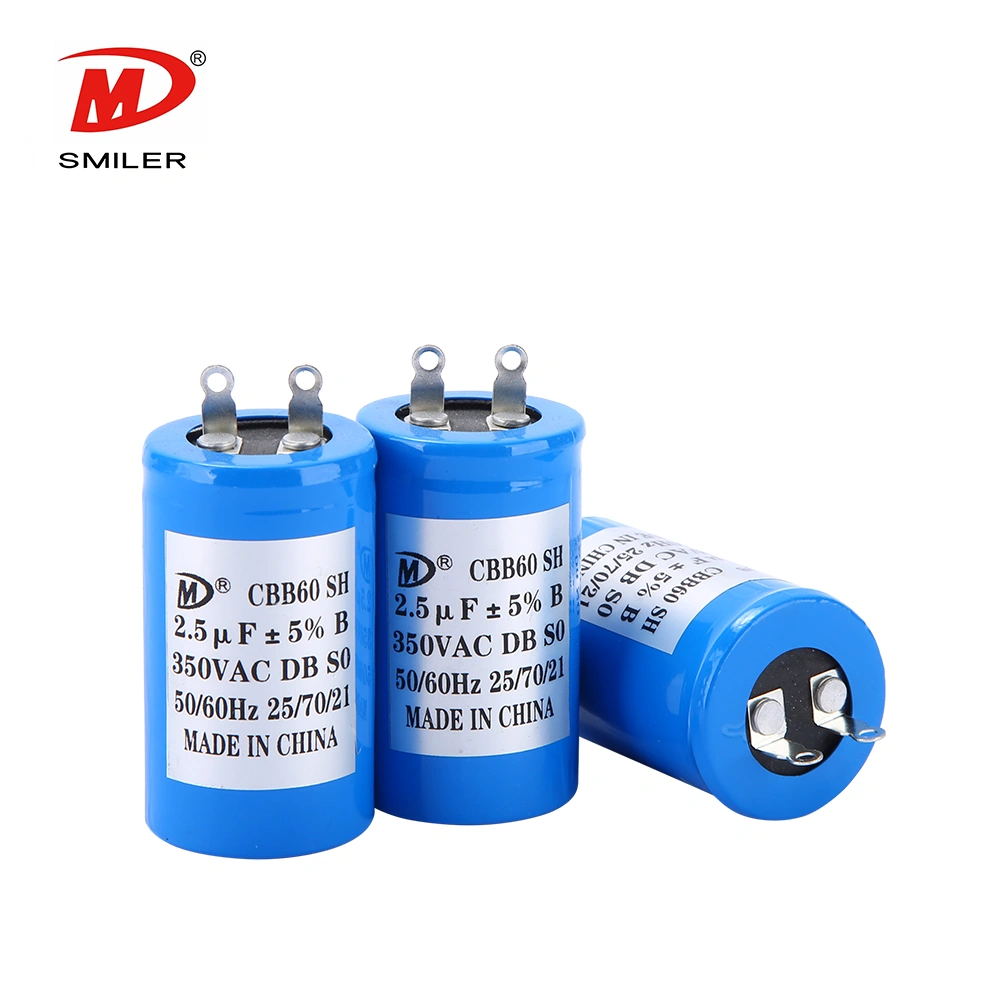
Capacitors are the silent regulators of your AC unit. Our CBB61 and CBB60 series AC motor capacitors utilize advanced metallized polypropylene film technology, offering low dissipation and minimal internal temperature rise. These components ensure your condenser fan motor receives stable, clean power, preventing stuttering and overheating.
Installing a mismatched capacitor will deliver either too much or too little voltage. Both scenarios are highly destructive to the motor windings. Ensuring perfect compatibility between the capacitor's microfarad rating and the motor is non-negotiable for system health.
Opting for cheap, uncertified parts to lower the immediate condenser fan price is a false economy. Inferior components lack heat resistance and fail rapidly. High-quality alternatives, like the SMILER capacitor CBB65 series, feature a built-in explosion-proof design and exceptional self-healing capabilities, actively preventing future electrical failures.
Proactive care is always cheaper than reactive replacements.
Keeping the area around your outdoor unit clear of debris, leaves, and overgrowth ensures unobstructed airflow. Gently washing the condenser coils seasonally removes dirt buildup, which significantly reduces the workload on your condenser fan motor.
If you hear an unusual hum and immediately call a technician, you might only pay a small fee for a new capacitor. Delaying that call until the motor burns out, the compressor turns a minor maintenance task into a massive financial burden.
Annual spring tune-ups should always include testing the electrical draw of the fan and measuring the capacitance levels. This professional oversight guarantees your system won't fail during peak summer heat waves.
Technological advancements are reshaping the durability of modern cooling equipment.
The industry is rapidly shifting from traditional PSC motors to high-efficiency ECM (Electronically Commutated Motors). These modern motors adjust their speed dynamically, lowering electricity usage and operating with significantly less noise.
As AC units become smarter and more electrically complex, the demand for premium components rises. Capacitors must now withstand extreme grid fluctuations. Products boasting international certifications like VDE, TUV, and UL—standards strictly adhered to by SMILER capacitor—are essential for safeguarding these modern systems.
When executing a repair, upgrading to premium-grade electrical parts enhances overall thermal resilience. While this might slightly increase the initial repair bill, this component-level upgrade is the most effective strategy for lowering your lifetime condenser fan price and ensuring years of uninterrupted comfort.
A: The typical condenser fan replacement cost falls between $300 and $600. This includes the price of the condenser fan motor itself and the professional labor required for installation and electrical testing.
A: Yes! If your fan is humming but not spinning, a failed capacitor is likely the culprit. Replacing it with a high-quality, explosion-proof SMILER capacitor is very affordable and restores function without the need to buy a whole new motor.
A: Technicians often discover collateral damage. Your AC repair bill might increase if they find that the failing fan caused damage to the dual run capacitor, burnt wiring harnesses, or if your specific unit requires a proprietary OEM motor.
A: Absolutely. A struggling fan causes the system to overheat. If ignored, this will eventually burn out the compressor, forcing you to pay thousands in total AC replacement costs instead of a few hundred for a fan fix.
A: Yes. While the upfront condenser fan price for an ECM or a premium motor paired with highly durable SMILER’s capacitors is slightly higher, they consume less electricity, run cooler, and drastically lower your long-term maintenance frequency.
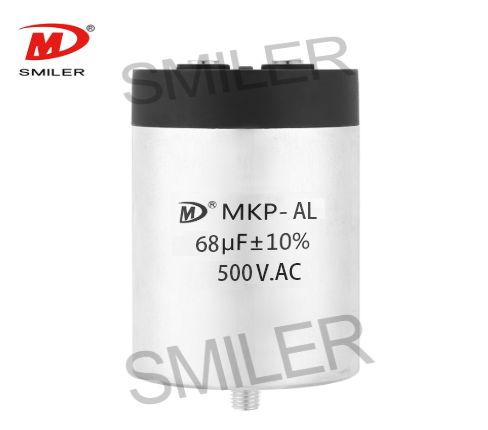
Exploring How AC Capacitors and DC Capacitors Function Differently
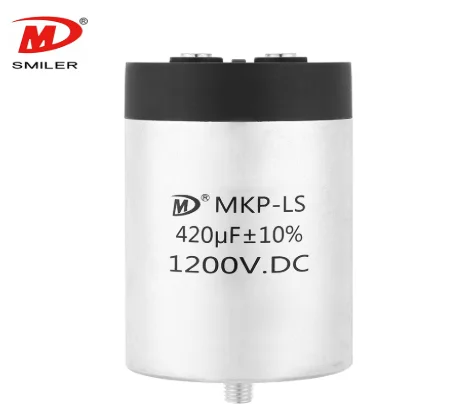
Mastering AC to DC Rectifier with Capacitor Techniques
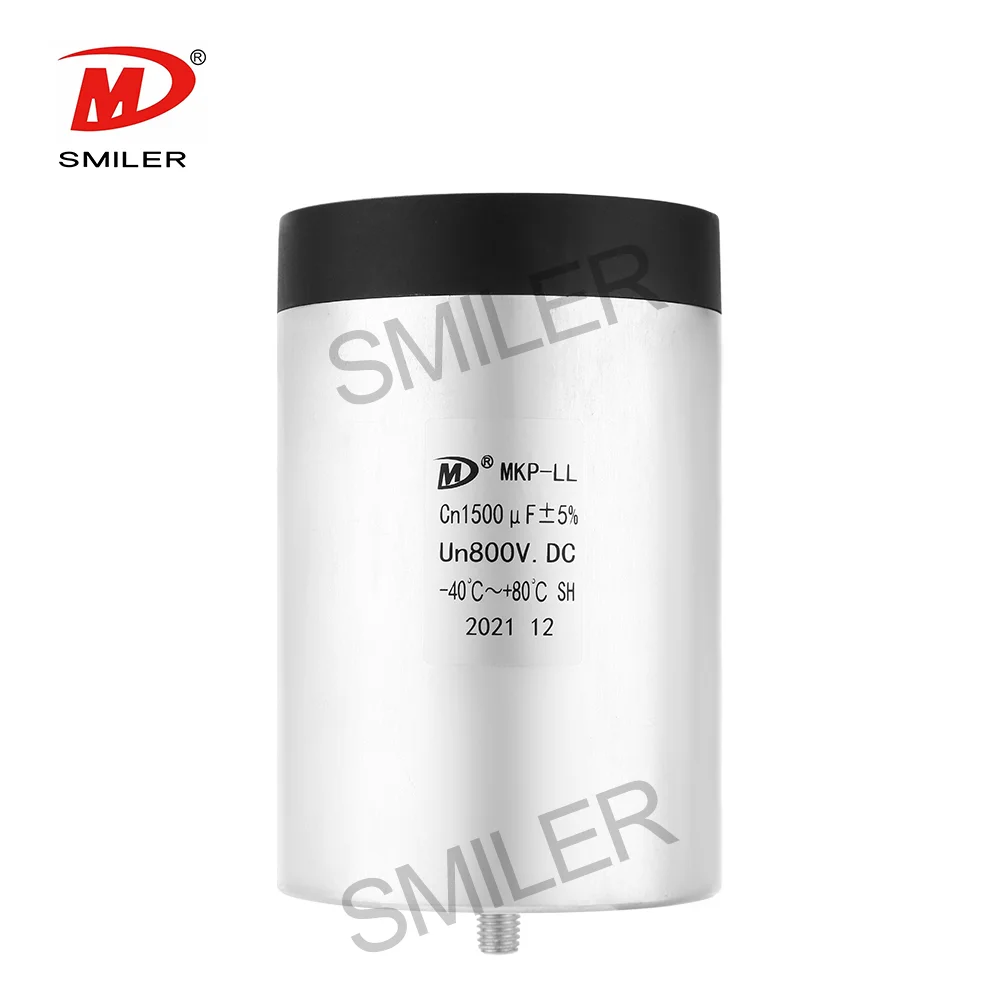
Understanding Why Capacitors Pass AC but Block DC in Circuits
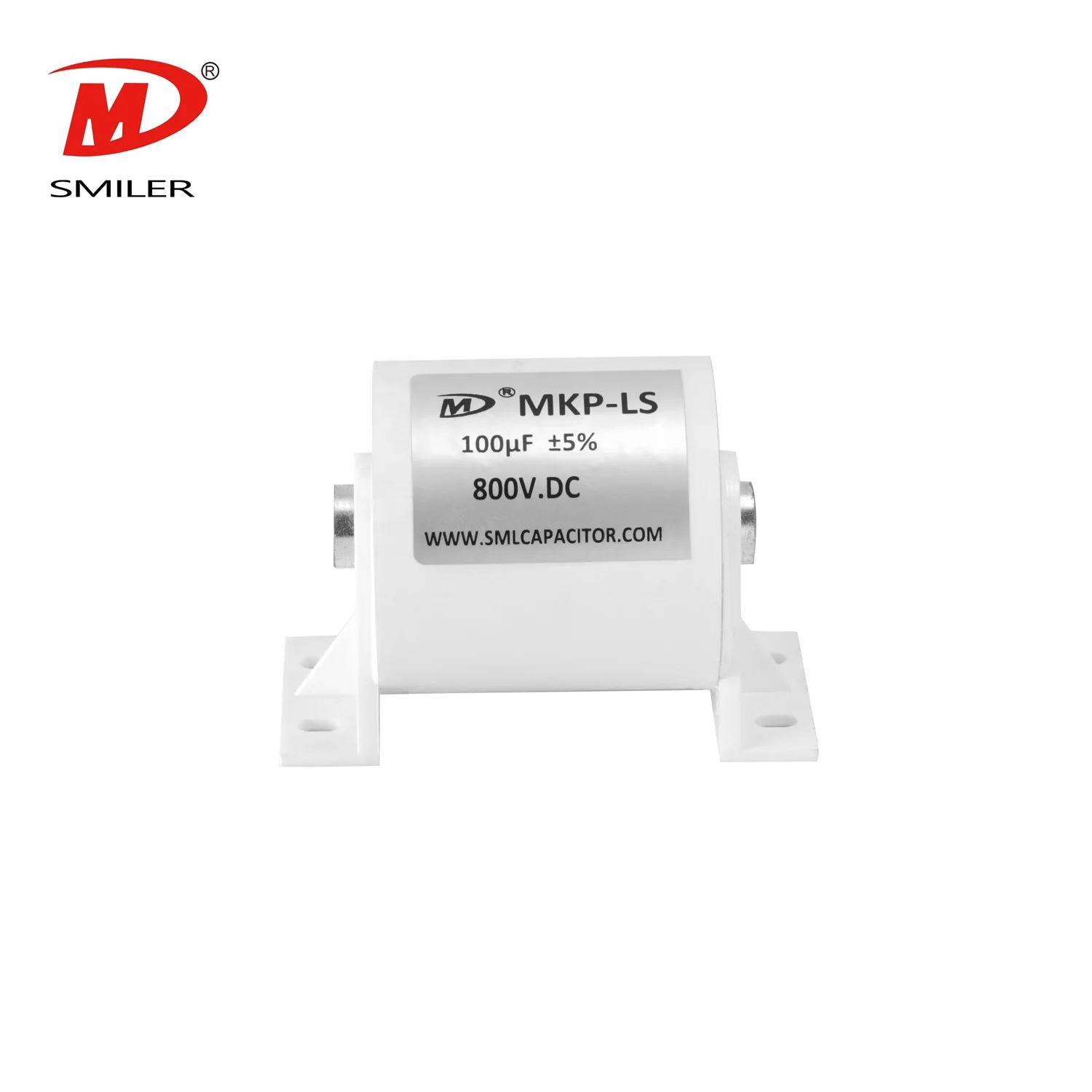
What Drives AC Capacitor Cost? A Comparison with DC Capacitors
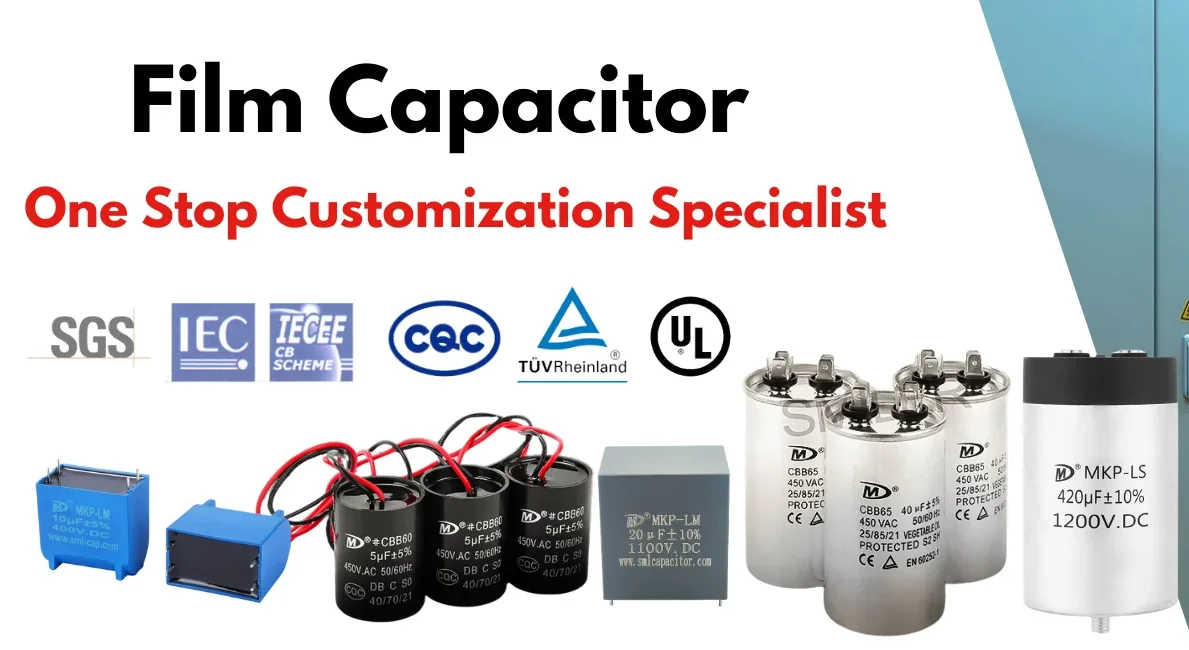
How to Accurately Calculate AC Circuit Capacitor Impedance


 Add
Building 12,Huazhi Technology Innovation Center,28 Sanle East Road,Beijiao,Foshan,Guangdong,China
Add
Building 12,Huazhi Technology Innovation Center,28 Sanle East Road,Beijiao,Foshan,Guangdong,China
 Phone
+86 18007576965 / 0757-22391591
Phone
+86 18007576965 / 0757-22391591
 Email
ari@sml-cap.cn
Email
ari@sml-cap.cn



