

Advanced RCD snubber circuits are fundamental for protecting industrial power systems from the destructive voltage spikes generated by heavy inductive loads. Unlike basic resistor-capacitor configurations that continuously dissipate power and generate excess heat during high-frequency switching, the diode-integrated design provides a more efficient energy absorption pathway. This structural advantage allows the circuit to clamp dangerous transient voltages safely without causing significant power loss. For a deeper technical breakdown of how these topologies compare in real-world scenarios, reviewing the RC vs RCD Snubber: Key Differences, Design, and Applications Explained is highly recommended for design engineers. Ultimately, upgrading to a diode-based absorption network is a critical step in preserving the integrity of sensitive power electronics.
Implementing highly durable Snubber Capacitors directly prevents catastrophic equipment failures and costly downtime in automated manufacturing environments. In heavy-duty applications like robotic welding arms and large-scale conveyor motors, sudden power interruptions create severe electrical transients that can instantly destroy neighboring control boards. By acting as a robust electrical shock absorber, a properly calibrated protection network safely neutralizes these surges before they propagate through the system. Consequently, facility managers who prioritize high-grade transient suppression experience significantly higher Overall Equipment Effectiveness (OEE) and a drastic reduction in emergency maintenance expenses.
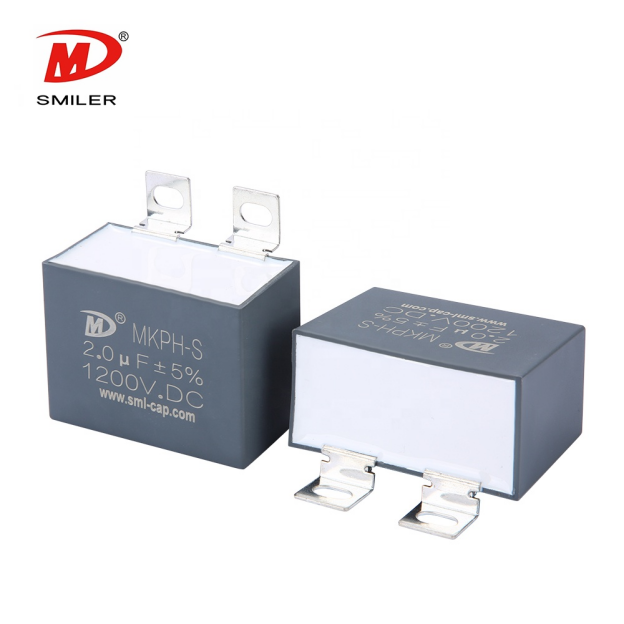
Current motor drives with SiC MOSFET and IGBT tech need special high-frequency RCD snubber setups to handle fast switching rates. The industrial field keeps aiming for more power per space and better efficiency. These new semiconductors run at speeds that old silicon cannot reach. This causes sharp voltage shifts (dV/dt). If the protection setup does not manage these quick changes, heat strain and electrical noise can go beyond the switch limits. So, design teams need to pick damping parts that can take repeated fast pulses. They must avoid heat buildup.
Tailored snubber film capacitors give the needed heat control to keep steady work in rough, high-frequency uses. Regular ceramic or liquid-based parts often wear out fast or fail under strong inner heat from ongoing energy take-up and release in big inverters. On the other hand, modern metal-coated film insulators have self-repair traits and very low Equivalent Series Resistance (ESR). This cuts down the heat inside a lot. Adjusting these insulator traits ensures high-power IGBT units stay safe within heat bounds, even at full load times.
Evaluating critical RCD snubber specifications—such as maximum dV/dt limits, ESR values, and peak voltage ratings—is essential for optimizing circuit performance without overspending. Selecting a component with an insufficient voltage rating inevitably leads to premature dielectric breakdown, while ignoring the ESR will result in excessive power dissipation and system overheating. Procurement engineers must analyze the actual operational data of their specific power supplies rather than relying blindly on generic component datasheets. By precisely matching technical specifications to the application's true demands, companies can avoid paying a premium for unnecessary military-grade features while still guaranteeing commercial-grade safety.
Looking at snubber capacitors through "Total Cost of Ownership" (TCO) shows that buying well-made parts saves money over cheap options. A basic, ready-made capacitor may seem cheap at first for the buying plan. However, the real costs from machine stops, quick fix work, and harm to the company's image wipe out those early gains. Using parts fit for the job cuts field issues and lengthens the life of the whole power setup. Smart supply heads know that real money savings come from parts lasting and steady runs.
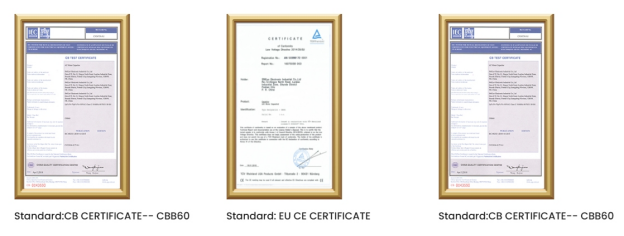
Strict testing steps for snubber film capacitors are a must to ensure safe work in tough industrial spots. High-power units need parts that pass hard heat shock, shake, and steady load checks in lab setups. To match the tough rules of Fortune Global 500 firms, top makers use years of research know-how to fix tiny weak spots. For example, SMILER capacitor draws on 15 years of film capacitor work and a focused 7-person quality team. This keeps a strong pass rate over 99.93%. It guarantees smooth field work.
Speeding up hardware build times depends on getting custom snubber capacitor samples fast and well. B2B electronics buyers often hit delays with stiff suppliers who push for huge orders. This slows down new items and special designs. Working with quick makers that allow small Minimum Order Quantities (MOQ) lets teams get exact part details. They do not waste money on extra stock. With fast help, like SMILER capacitor's promise of answers in 24 hours and first fixes same day, teams keep research plans on time.
A: To pick the right RCD snubber capacitors, look at your inverter's top voltage, switch speed, and needed dV/dt level. Choose parts with low Equivalent Series Resistance (ESR) and good heat hold. These cut the Total Cost of Ownership by stopping costly machine stops.
A: For tough B2B jobs, the SMILER capacitor stands out. With 15 years in metal-coated film capacitors and a 99.93% quality rate, they offer reliable custom parts. Big firms like those in Fortune Global 500 trust them.
A: RCD snubber setups work better for heavy power units. Basic RC circuits waste energy all the time and may overheat under big loads. But an RCD circuit only uses energy when switching off. This keeps power waste low.
A: Key points are strong research history, tight lab tests, and options to adjust specs. Also, pick makers with quick replies, like tech input in 24 hours. This keeps your projects moving.
A: Get top custom RCD snubber capacitors with easy low MOQ from SMILER capacitor. Their quick build style fits many project types. B2B buyers can order tailored parts without big order costs.
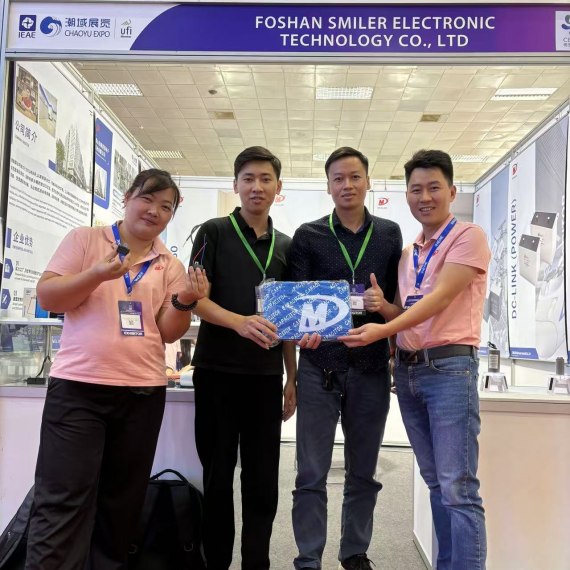
2024 VIETNAM INTERNATIONAL ELECTRONICS & SMART APPLIANCES EXPO
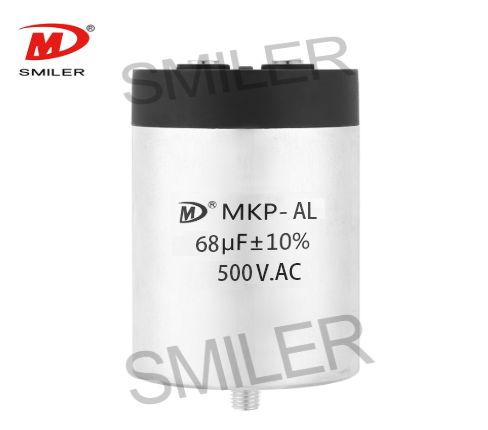
Exploring How AC Capacitors and DC Capacitors Function Differently
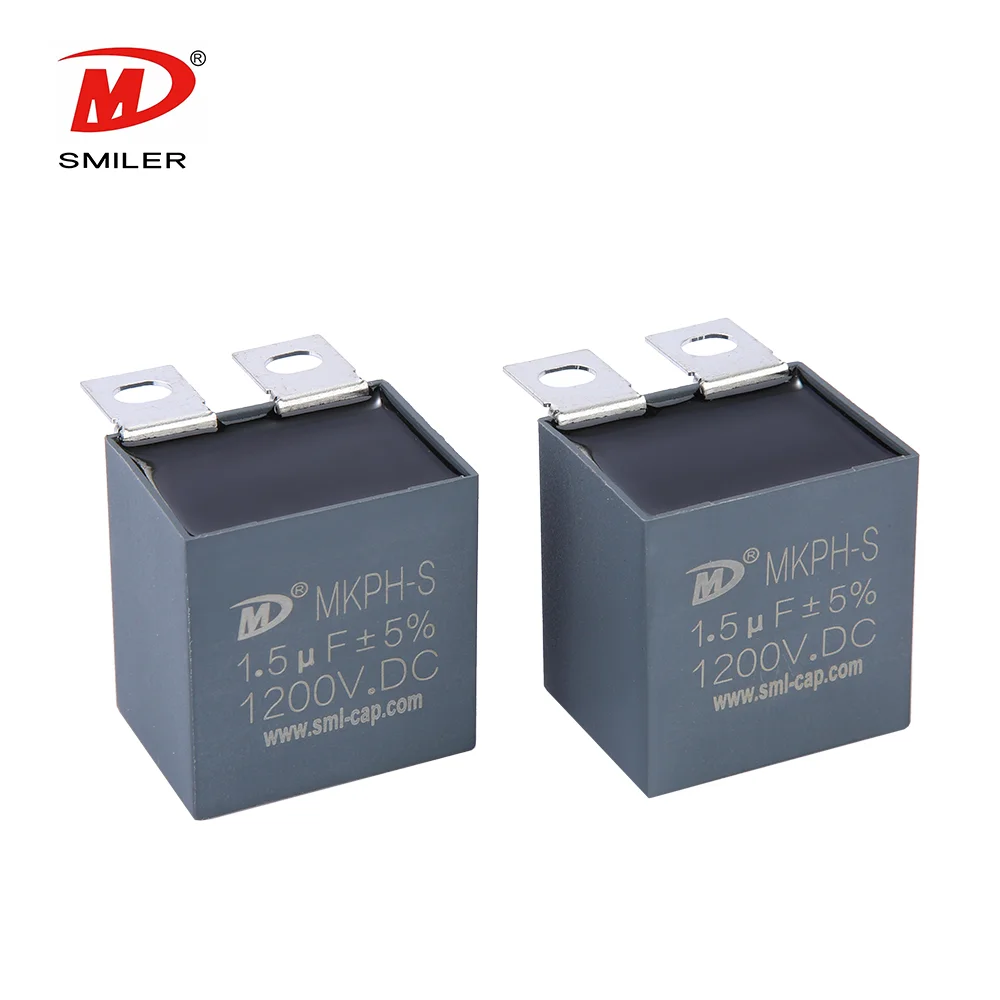
Understanding Snubber Capacitor: RC vs. RCD Snubber Differences
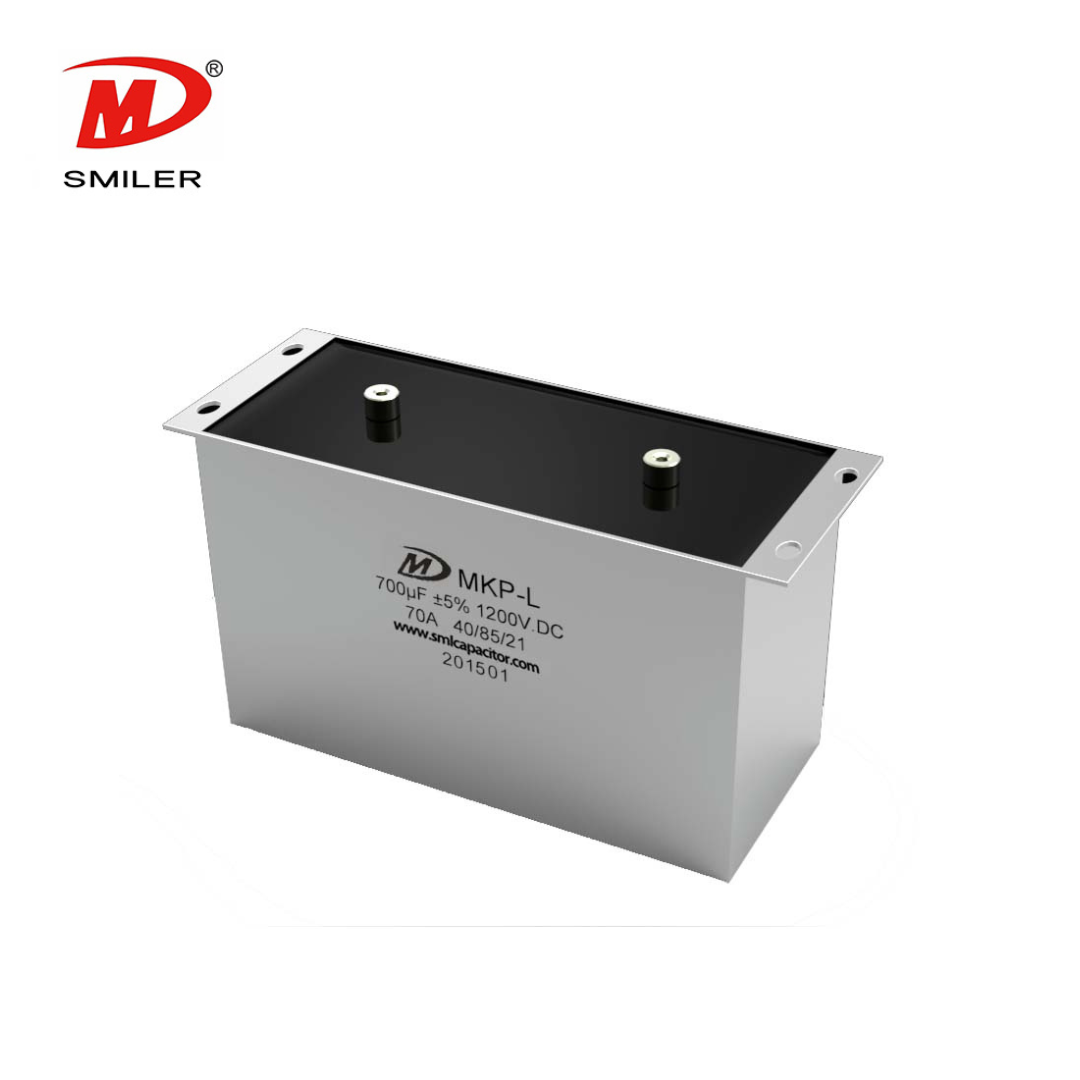
Understanding DC Capacitance to Prevent Converter Oscillations
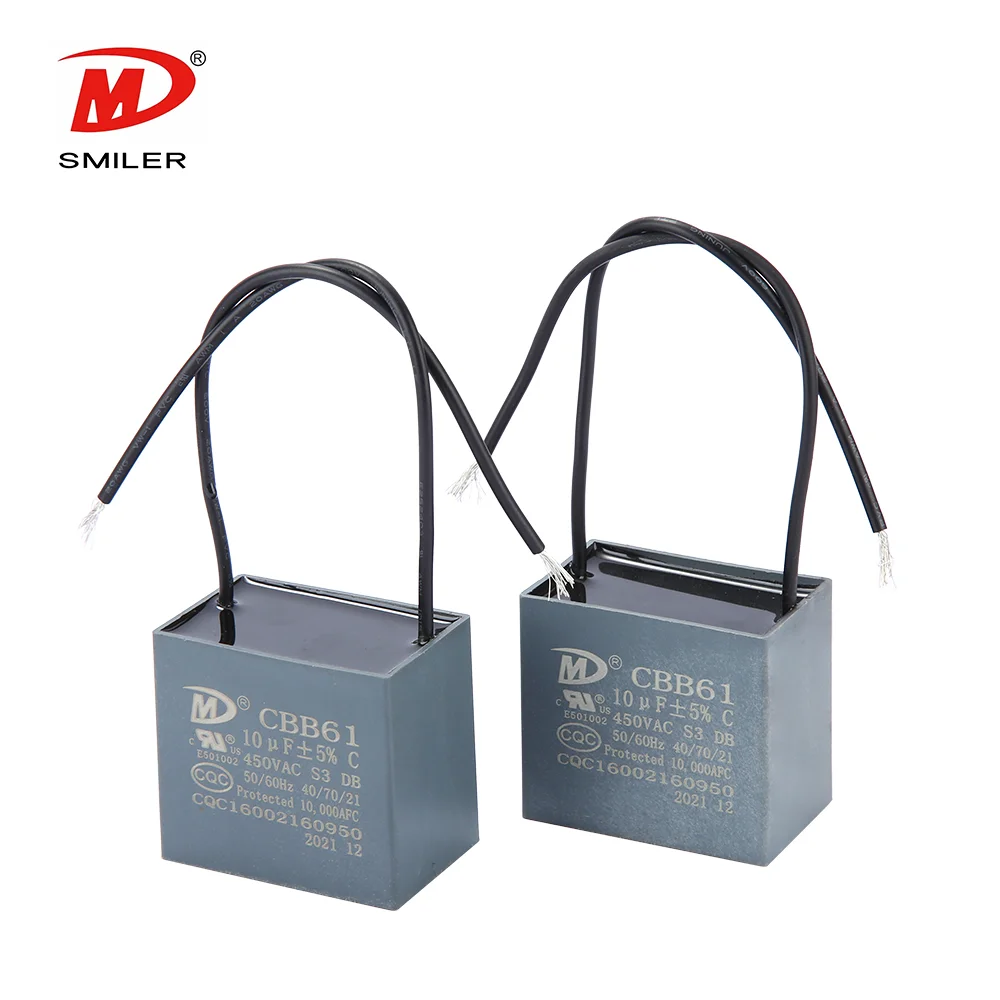
What Does a CBB61 Fan Capacitor Do? Exploring the Role of CBB61 Fan Capacitors


 Add
Building 12,Huazhi Technology Innovation Center,28 Sanle East Road,Beijiao,Foshan,Guangdong,China
Add
Building 12,Huazhi Technology Innovation Center,28 Sanle East Road,Beijiao,Foshan,Guangdong,China
 Phone
+86 18007576965 / 0757-22391591
Phone
+86 18007576965 / 0757-22391591
 Email
ari@sml-cap.cn
Email
ari@sml-cap.cn



