

The fan capacitor CBB61 10uF 250V plays a pivotal role in ensuring the efficient and stable operation of ceiling fans. It is primarily responsible for maintaining consistent fan speed and motor efficiency by providing the necessary phase shift for motor windings. This enables a smooth startup and sustained rotation even under varying load conditions. Additionally, the capacitor stabilizes voltage fluctuations during operation, reducing performance dips and preventing erratic behavior. CBB Capacitor CBB61 Capacitor is made by winding metalized polypropylene film, with a non-sensitive structure and encapsulated in a flame-retardant plastic shell. Application: Used for starting and running single-phase motors powered by a 50/60Hz AC power supply. This build aids both the start and run stages of single-phase AC motors. You often see these in ceiling fans.
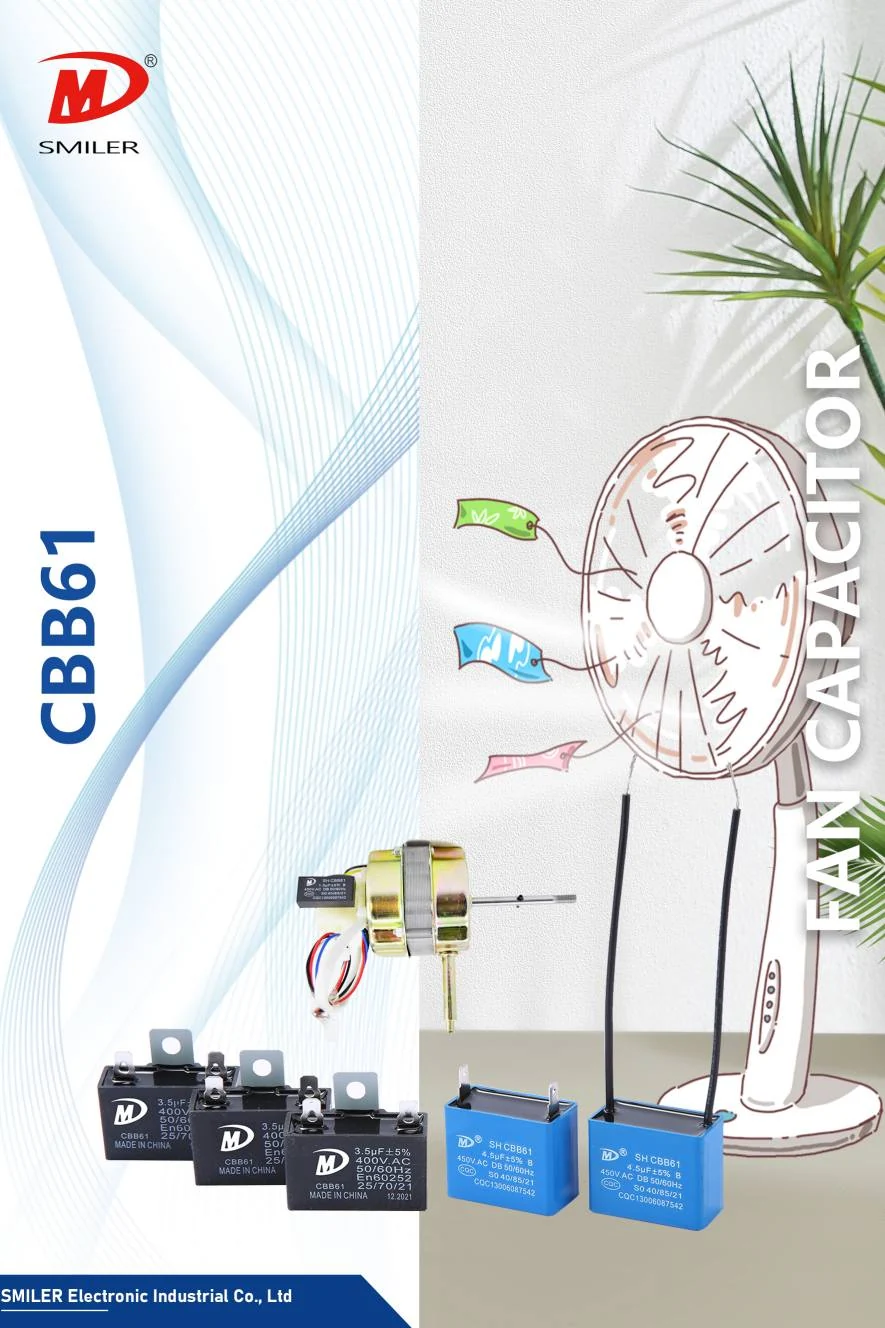
The 10 microfarads (10uF) value gets picked with care. It helps balance pull and speed in usual ceiling fan motors. This fits well with home fans that have three-speed switches. It gives the best results at every level. The amount makes sure the fan motor gets enough phase shift to begin without issues. At the same time, it runs well at different speeds. If the capacitance is wrong—say, too small or too big—it can cause heat buildup or extra sound. This setup aids low loss and small inner heat build-up. Both are key to good motor states.
A 250V AC rating gives a solid buffer over normal home voltage. It lets the capacitor deal with sudden voltage jumps in house power setups. This brings safety and long life during steady use. The specs fit the power traits of most home ceiling fans. So, it works as a great swap or first part.
Over-extended usage, the CBB61 10uF 250V capacitor may experience a gradual loss of capacitance, which directly reduces the fan's efficiency and startup reliability. Physical signs like swelling or leakage may appear due to prolonged exposure to heat generated by the fan's motor. While these components are designed for durability, environmental stress, such as high ambient temperatures, can deteriorate their dielectric properties over time. In addition, performance can degrade significantly when used in high-humidity or semi-outdoor environments not suited for their design.
Although suitable for residential applications, this capacitor is not intended for industrial-grade or high-power fans that demand higher torque and power thresholds. Improper wiring—especially reverse polarity connections—can impair function or damage the capacitor entirely. It also requires sufficient airflow around its housing for effective heat dissipation.
Users should be alert to specific symptoms suggesting that the capacitor has failed or is nearing failure. A primary sign is the fan failing to start or starting very slowly despite a stable power supply. Audible humming from the motor without blade rotation is often indicative of a compromised capacitor. Furthermore, erratic or unresponsive speed settings point to inconsistent phase shift delivery—a direct consequence of reduced capacitance.
In home settings, the fan capacitor CBB61 10uF 250V is widely adopted because it fits most standard indoor ceiling fans equipped with three-speed switches. Its dual-wire configuration and compact design simplify integration into existing systems without requiring major modifications. These capacitors are often found in ceiling fans installed in bedrooms, living rooms, and small offices where consistent airflow is essential.
Besides ceiling fans, this capacitor shows up in table fans, vent fans, and small air movers with shaded pole motors or PSC (permanent split capacitor) types. It may also work for electric pumps or other low-power AC motors in the same voltage and capacitance range. The broad use shows its ease in helping many small devices.
When swapping old capacitors for a fresh CBB61 10uF 250V one, match the capacitance (µF) and voltage (VAC) exactly. This keeps the system working right. Also, check if the first one had two wires or more. That stops link mistakes in setup. Missing these steps can bring weak work or power risks.

At SMILER capacitor, we build each part with metallized polypropylene film for heat stability and self-healing traits. This way, our capacitors hold their work strength even in tough spots, without big wear. CBB Capacitor CBB61 Capacitor is made by winding metalized polypropylene film, with a non-sensitive structure and encapsulated in a flame-retardant plastic shell. We also seal our parts in fire-safe plastic covers. This brings safety and strength for long runs.
The SMILER fan capacitor CBB61 10uF 250V has a close tolerance in ±5%. This means steady capacitance in every batch. Its two-wire setup lets you add it fast to ceiling fan parts. No extra wire changes. We test each one under high-heat load tests to check lasting steadiness.
Our capacitors are engineered specifically for residential ceiling fan applications where stable torque at all speed levels is critical. They perform reliably across a wide ambient temperature range from -25°C to +70°C, making them suitable for varied climates and year-round usage without loss in effectiveness.
In a fresh home update job in Southeast Asia, old ceiling fans got new SMILER capacitor CBB61 10uF 250V capacitors. After fitting them, workers saw better start reaction and even speed handling on all fans. This held true even in hot summer peaks. It shows the product's strong build in warm areas.
A: Brands like SMILER capacitor stand out for solid build with metallized polypropylene film and fire-safe shells. They give steady work and a long-term life.
A: Make sure the new one matches capacitance (10uF) and voltage (250V AC). Also, check the wire setup (often two-wire) to fit your fan's current one.
A: Yes, a higher voltage one (like 300V) is usually okay if the capacitance fits. But never pick one with a lower voltage than needed.
A: Yes, build quality differs by brand. Seek traits like self-healing film, UL certification, fire-safe case, and low-loss factors for sure work.
A: Leading makers like SMILER capacitor stress strict test rules, heat-steady design, and use-focused build. That makes them top picks for workers and makers.
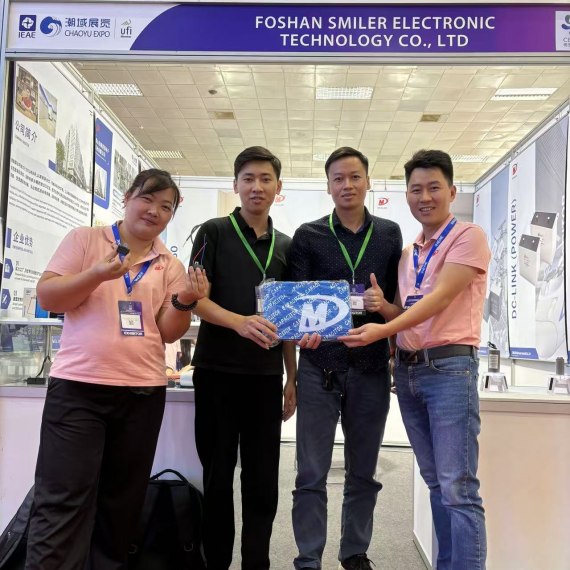
2024 VIETNAM INTERNATIONAL ELECTRONICS & SMART APPLIANCES EXPO
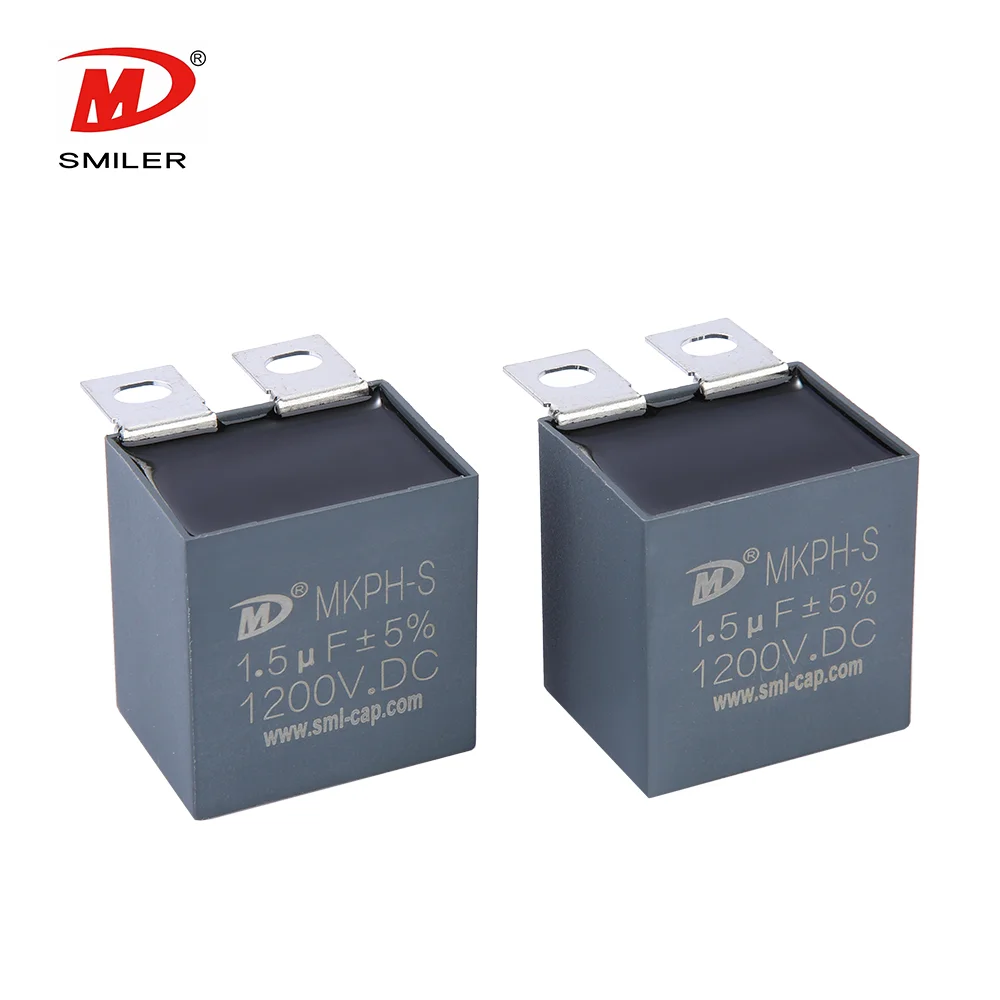
Understanding Snubber Capacitor: RC vs. RCD Snubber Differences
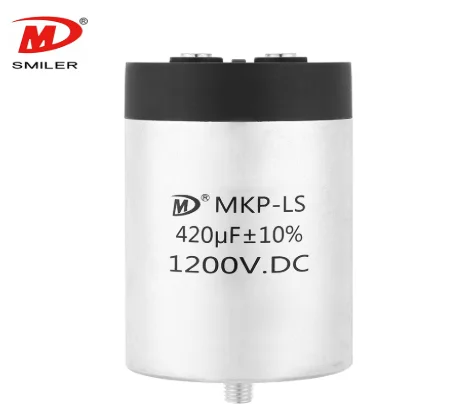
Mastering AC to DC Rectifier with Capacitor Techniques
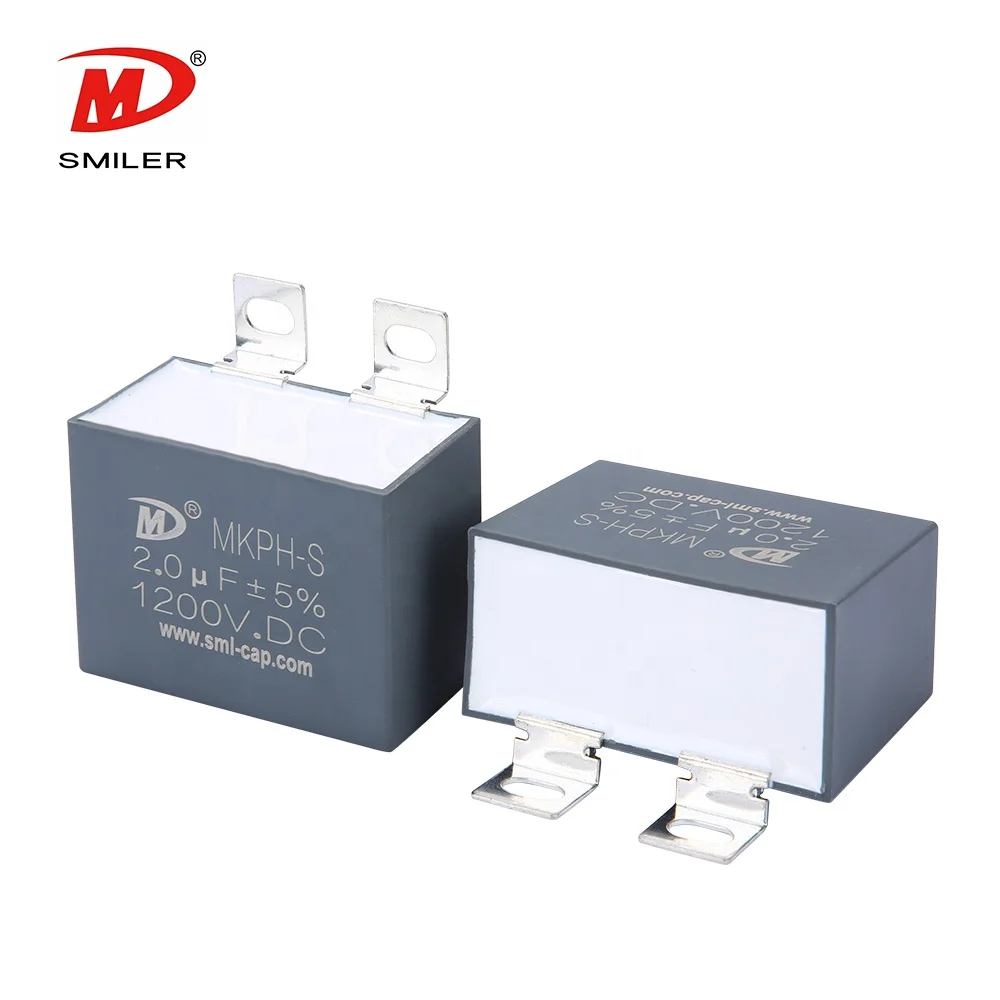
SMILER's Guide to Selecting the Right Snubber Capacitor Type
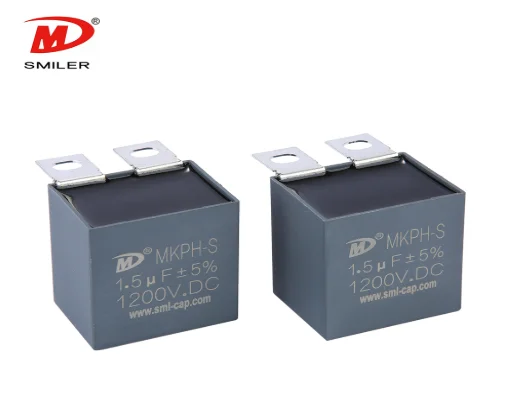
RC vs. RCD Snubber: Key Differences and Applications Explained
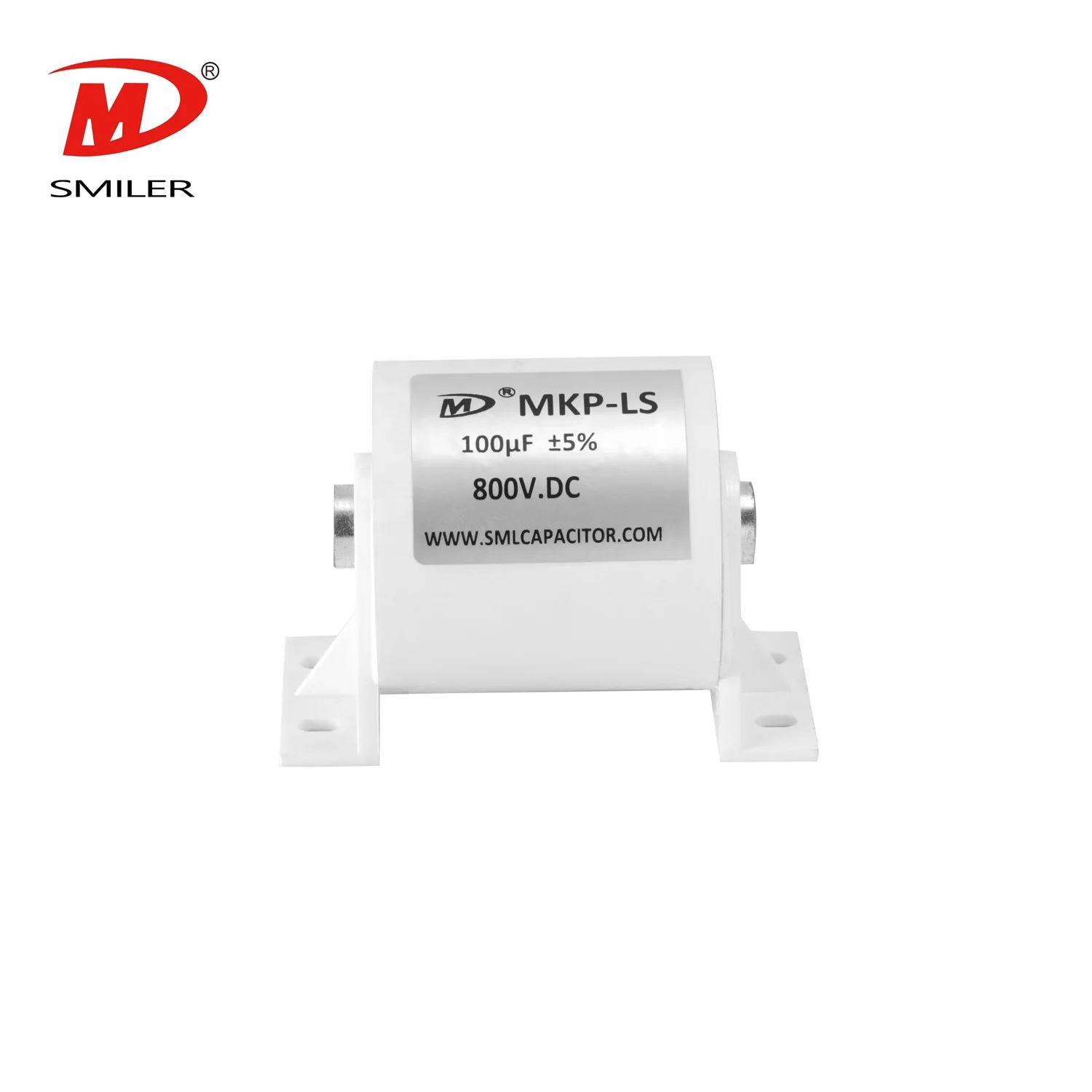
What Drives AC Capacitor Cost? A Comparison with DC Capacitors


 Add
Building 12,Huazhi Technology Innovation Center,28 Sanle East Road,Beijiao,Foshan,Guangdong,China
Add
Building 12,Huazhi Technology Innovation Center,28 Sanle East Road,Beijiao,Foshan,Guangdong,China
 Phone
+86 18007576965 / 0757-22391591
Phone
+86 18007576965 / 0757-22391591
 Email
ari@sml-cap.cn
Email
ari@sml-cap.cn


