High voltage filter capacitors hold a main spot in keeping power systems steady and strong. They work as key parts to cut voltage jumps and even out wave currents in AC and DC lines. When you put them in smart spots, they raise power output, lower the electric buzz, and hold voltage firm at important points. But if you place them incorrectly, the system can suffer badly. It may get more electromagnetic interference (EMI), lose work rate, or break power parts completely.
AC Filter capacitors handle AC clean and high wave fix. They fit into today's electric plans to make waves smooth and ease the push on the next parts. Wrong spot capacitors can add extra block paths. This makes the clean weak and wastes power.
Work in high-voltage spots brings special hard points. This makes the capacitor spot even more needed. One big issue is the high wave buzz and EMI. It can mess with the signal, clear and start faults in the touchy gear. As the voltage goes up, the heat spread gets harder. Self-heating and near-hot parts like transformers or switch tools add to it.
Capacitors set without thinking of the current path shape or heat areas get more electric and heat push. Bad spot raises push on near parts. This happens when the loop space is big or the return paths lack a good set.
The work rate and trust of high voltage systems are tied directly to the capacitor spot. Bad set filter capacitors bring extra bits, like inductance and resistance. This cuts their quick answer to the voltage shift. It causes power loss as heat and adds load on active power tools.
Voltage jumps from weak clean speed age of semis, covers, and capacitors. Over time, this cuts life and raises care costs. The right spot is not just for better work. It stands in need of long-term system trust.
A good set of high-voltage filter capacitors starts with finding circuit areas open to buzz, jumps, and instability. One needs a spot that sits near the power at the ends. Here, capacitors act as a first guard from outside EMI. Setting them here cuts the risk of buzz spread inside lines.
One more need spot lies next to quick-switch power tools like IGBTs or MOSFETs. These parts make high waves fast during switch times. Near filter capacitors take them to the guard rest system. Last, setting capacitors at the load ends helps hold the voltage steady under changing loads. They make up for quick need shifts.
To get the most from high voltage filter capacitors, cut the loop space between the capacitor and the switch point. A small loop lowers the extra inductance. This lets fast jump stop and reduces EMI. Use wide copper lines or full copper flats to cut the block between parts.
Filter capacitors take high wave currents. They can link to the near signal lines if not cut off. To stop this, set touchy analog or talk parts far from high wave capacitor paths. Put ground flats under these paths. This gives a good shield and low inductance return for current.
High-voltage filter capacitors generate heat when running, mainly under heavy load or when often switched. Make sure good air flow or use heat sinks around high-loss spots. This stops overheating. Keep capacitors far from heat-heavy parts like transformers or power resistors. These cuts add heat push.
In work spots with shake or heat ends, machine steady counts most. Safe mounting ways, like bolt ends or strong brackets, keep capacitors in place under pressure. Covers must guard from dust, wet, and rot bits to extend the life of the stretch. Use a safe mount in high-shake spots like work machines.
In work motor drives and inverters, switching fast causes trouble at the output stage. A quick current shift happens. Set filter capacitors near motor ends. This takes voltage jumps from the switch work. It guards cover stuff and makes the motor run smoothly with less buzzing.
On the inside, smart set capacitors help power factor fix. They clean the wave twist from the AC main. This cuts reactive power flow. It raises the full energy work rate and eases the push on the up-line build.
Solar inverters and wind turbines see a big voltage swing from on-off make sources. Set capacitors across the DC bus. This holds voltage steady in making highs or lows. They keep a steady DC link voltage. This makes sure that even the inverter runs and the best energy moves.
These systems are often set outside. They meet the heat cycle, wet, and dust. Capacitor set plans focus on cutting the heat. They make sure of good air or a cover guard. Use high-trust capacitors set for a small heat show. This stretches service life.
EV fast charge uses high currents. They make big EMI. The right capacitor set near the charge ends and the control gear help keep electromagnetic compatibility (EMC). This meets the rule marks.
In brake times, energy goes back to the store units via the power gear. Set filter capacitors near store bits. This raises energy taken by cutting losses in quick charge times.
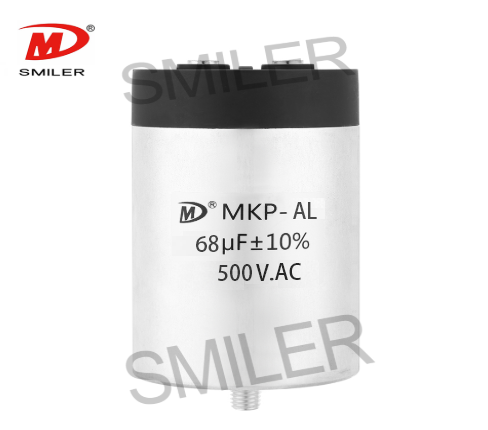
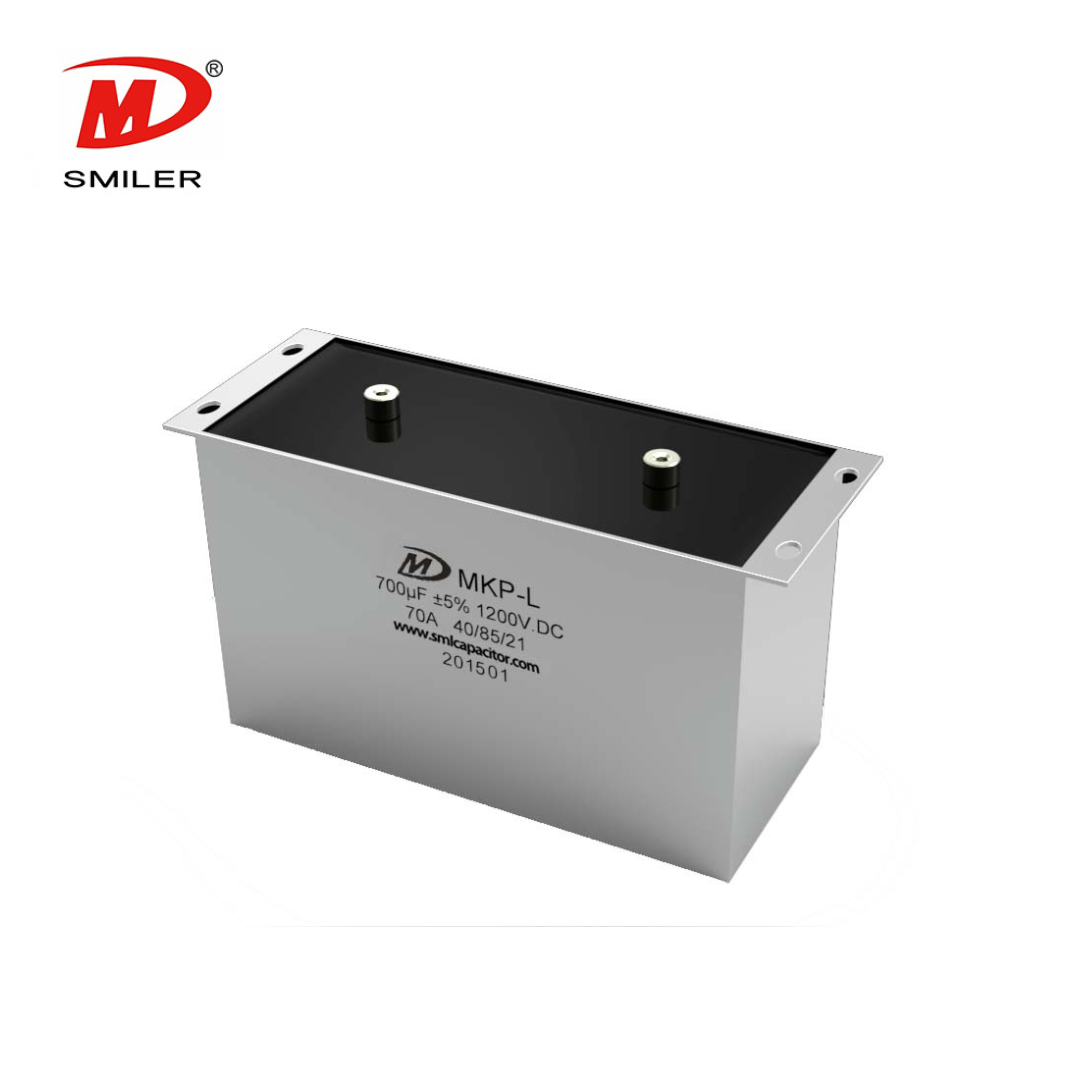
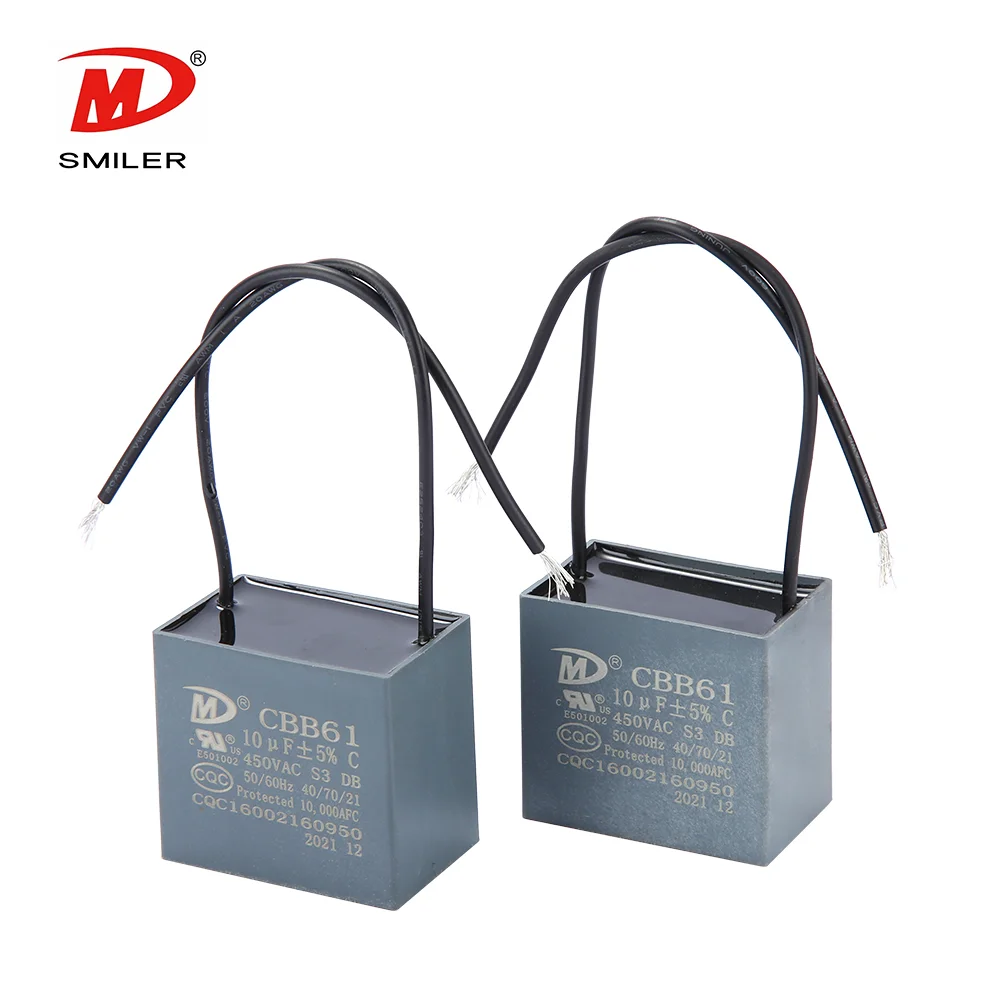
SMILER centers on capacitor tech for high voltage systems. This lets you know in electrical work. Our build way stress cut of ESR (Equivalent Series Resistance) and ESL (Equivalent Series Inductance). This better heat act and fast stop power.
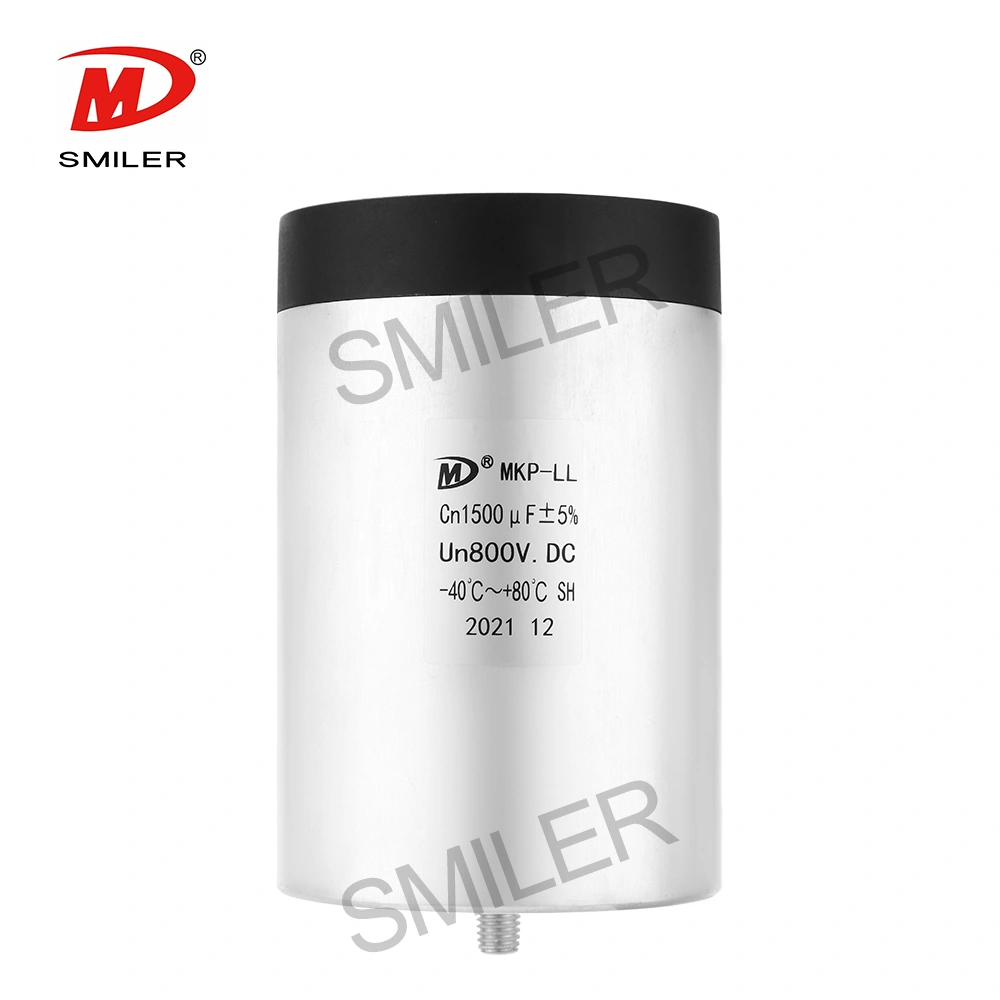
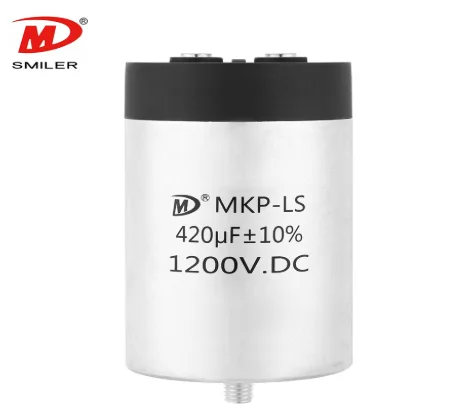
Rated up to 1200VDC with low self-heat traits. This series fits high-work motor drive systems for steady run times. Good for hard spots that need long run cycles.
Built with strong dielectric layers. These models take high surge voltage common in solar groups or wind turbines. Proven work in solar inverter groups and wind turbine converters.
These plug-and-play capacitor banks easily fit into grid-level systems or big work sets. Pre-test modules make sure to cut set time and error risk.
SMILER's film capacitors work in many city EV charge nets. They hold out voltage steady in a quick load shift. This better user feel and system tough.
In auto make lines, SMILER's AC filter capacitors cut electric buzz. It could mess with motor drives or PLC talk nets. This brings fewer stops and higher output.
A: The Best plan sets the capacitor near the buzz source. This is often done by switching tools. Make sure short return paths with wide copper lines or flats. Ground flats help hold high wave currents.
A: A Bad set near heat sources or closed spaces can cause overheating. Pick spots with good air or use heat sinks where needed to handle loss of heat.
A: SMILER gives compact film capacitors rated up to 1200VDC with low self-heating traits and long life plans. They fit hard work spots.
A: DC link capacitors provide a steady mid bus voltage between converter steps. AC filter capacitors work best to cut out ripple and waves at the inverter outputs.
A: Seek pre-test block plans with bend mount choices like SMILER gives. This makes sure fast set and steady work in big-scale jobs.
 Add
Building 12,Huazhi Technology Innovation Center,28 Sanle East Road,Beijiao,Foshan,Guangdong,China
 Phone
+86 18007576965 / 0757-22391591
 Email
ari@sml-cap.cn