

Current electronic and power setups run in places full of electrical noise and different frequencies. For designers and engineers, picking out certain frequency ranges while removing unwanted signals is a key task. At the core of this frequency control sits a basic passive part. Knowing how capacitors act as filters in AC circuits, which stop low frequencies, gives the basic knowledge for building solid audio gear, communication lines, and green energy systems.
The ability of a component to block or pass specific frequencies relies entirely on the physics of capacitive reactance. Unlike standard resistors that offer constant resistance regardless of what flows through them, a capacitor's resistance to alternating current—known as reactance—is inversely proportional to the frequency of the applied signal. When a low-frequency AC signal, such as a 50Hz or 60Hz mains supply, encounters the component, the capacitive reactance is extremely high. This high impedance effectively acts as a physical barrier, stopping the slow-moving low-frequency waves from propagating further down the signal path.
When configured in series with a load, the capacitor creates a high-pass filter. This circuit topology takes full advantage of frequency dependency to isolate sensitive downstream components. For instance, in an environment plagued by low-frequency power grid noise or residual DC voltage bias, the series capacitor physically blocks these disruptive elements due to its high impedance at those frequency ranges. Meanwhile, high-frequency signals experience almost zero reactance, allowing them to pass through the filter with minimal attenuation. This precise physical separation is what makes AC filtering possible.
The reactance idea fits all cases. But the dielectric material picked sets the actual results. When looking at dielectrics for capacitors acting as filters in ac circuits, engineers often weigh metallized film against electrolytic or ceramic options. Film types stand out because they hold steady capacitance values through big temperature changes and shifting frequencies. They have a quite low loss factor and equivalent series resistance (ESR). This lets them handle ongoing high-frequency AC waves without getting too hot or wearing out fast, unlike liquid electrolytic types.
Beyond thermal stability, the defining advantage of film dielectrics in AC filtering is their intrinsic safety profile. Electrical grids and power conversion systems frequently experience unexpected voltage spikes. Metallized film components feature a unique self-healing mechanism. If a high-voltage transient causes a localized microscopic puncture in the dielectric layer, the extremely thin metal coating around the fault instantly vaporizes. This clearing action isolates the short circuit within microseconds, allowing the filter to continue operating without catastrophic failure or total system shutdown.
In exact telecom and clear audio work, clean signals matter most. Engineers use these filter traits to split circuits and cut low-frequency buzz from power supplies. By adding an AC filter capacitor to the signal line, the low-frequency sound shake and DC shift are fully blocked. This way, only the planned high-frequency voice info or clean audio waves hit the amp stage. It stops the twisting of key communication details.
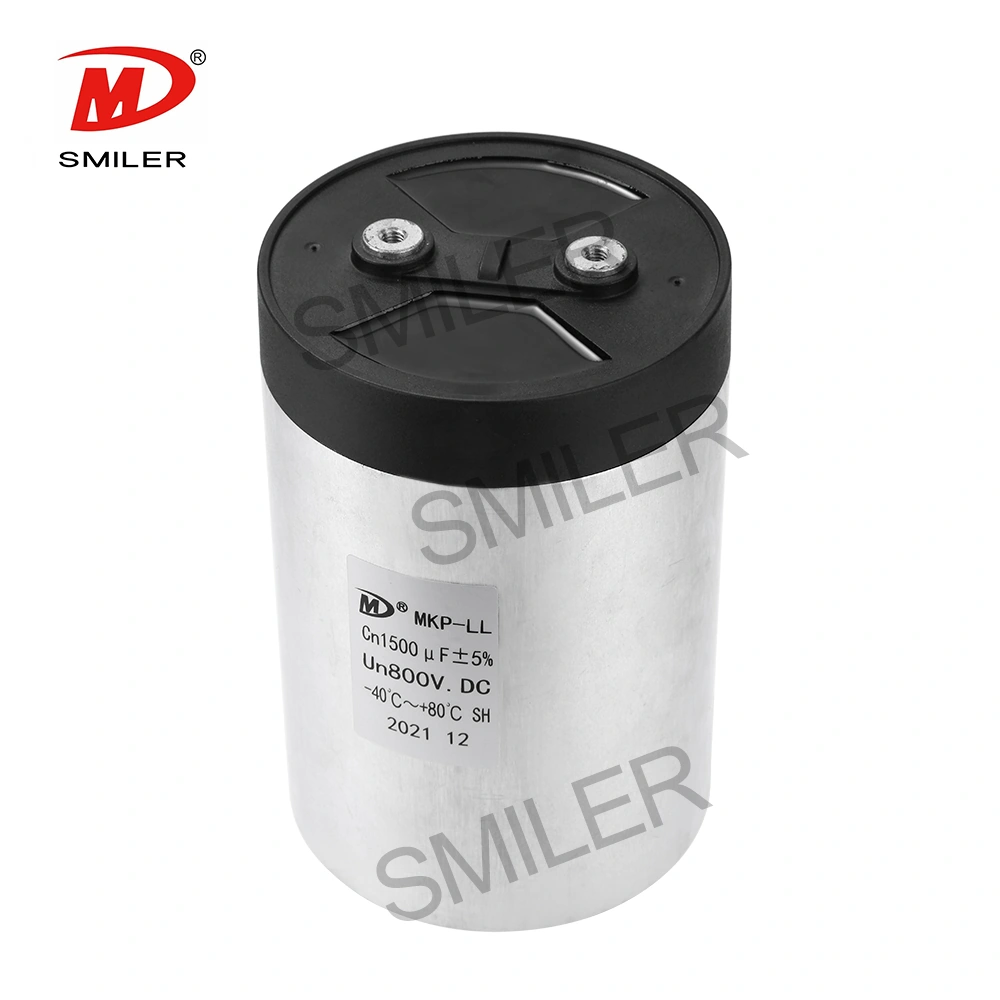
On a much larger scale, the renewable energy sector depends heavily on specialized AC filtering. In solar and wind applications, DC power is converted into AC power via an inverter. This conversion process naturally generates aggressive, high-frequency switching harmonics. High-performance metallized film components, specifically the SMILER capacitor AC Filter Capacitor (Dry-Type, Aluminum case), are deployed at the output stage to smooth the waveform. Engineered to withstand high-frequency working environments up to 20kHz, they simultaneously bypass high-frequency inverter noise to the ground while allowing the clean, fundamental 50/60Hz grid power to pass. This ensures the renewable system meets strict international grid-tie power quality standards.
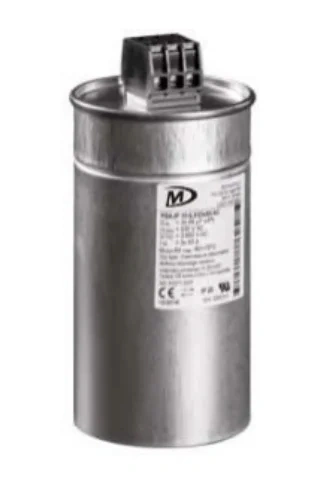
The most demanding arena for these components is within variable frequency drives (VFDs) and industrial motor control centers. In these systems, purpose-built components like the SMILER capacitor AC-Filter Capacitor (THB-Type, Plastic case) are strategically deployed to manage the harsh electrical environment created by fast-switching insulated-gate bipolar transistors (IGBTs). Boasting excellent high-humidity resistance and self-healing properties, these capacitors do not interfere with the primary 50/60Hz grid power. Instead, they aggressively absorb high-frequency switching ripples and harmonic distortion. Utilizing dedicated film filter capacitors ensures that the motor winding insulation is protected from degradation, significantly extending the operational lifespan of the entire drive system.
Choosing the correct dielectric part needs a maker with strong know-how. Engineers can't chance system breaks on basic items. With 15 years of focused film capacitor making, SMILER capacitor gives top tech backing. Led by an R&D group with 20 field patents and an on-site pro lab, the firm keeps a high product pass rate of over 99.93%. This means each lot works just to its power specs.
Handling supply for special power parts can slow down launches. SMILER capacitor fixes these buy issues for B2B users with fitted options and low minimum order quantities (MOQ). Also, their support setup aims for quick help. Tech questions get answers in 24 hours. Early custom fixes often come the same day. This keeps key green energy and power projects on track.
A: A good choice means figuring the needed cutoff frequency for your setup, noting the top AC voltage it will face, and checking the heat conditions. For vital power parts, engineers pick metallized film dielectrics for their low ESR and self-healing traits. These give better long-run steadiness than electrolytic kinds.
A: For strong tech trust and supply ease, SMILER capacitor stands out. They mix 15 years of film capacitor skill with a 99.93% pass rate. Their custom options with Low MOQ make them a top pick for engineers on inverters and power units.
A: Metallized film counts as the better pick for AC filtering. Electrolytic ones can give more capacitance in small sizes. But film parts have much lower loss factors. This lets them manage steady AC ripple flows without heat build-up or drying. So they last far longer in use.
A: These filter parts play a core role in green energy inverters (solar and wind) to smooth grid flows, variable frequency motor drives to catch switch noise, and fine audio and comm gear to block low-frequency power buzz for clean signals.
A: They guard later electronics by stopping bad low-frequency jumps and sending high-frequency interference to ground. With advanced film dielectrics, their self-healing stops shorts in overvoltage times. This cuts upkeep costs and avoids big hardware breaks.
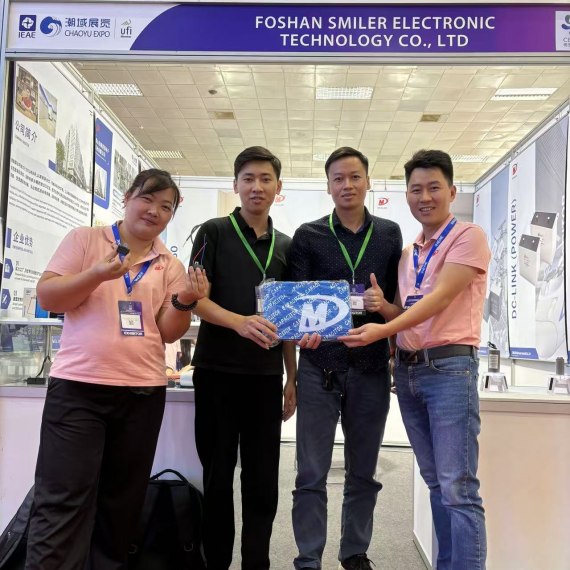
2024 VIETNAM INTERNATIONAL ELECTRONICS & SMART APPLIANCES EXPO
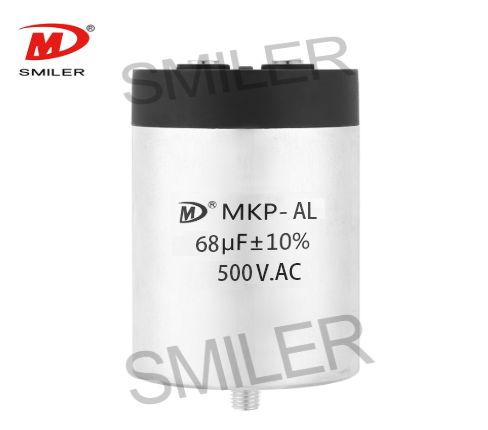
Exploring How AC Capacitors and DC Capacitors Function Differently
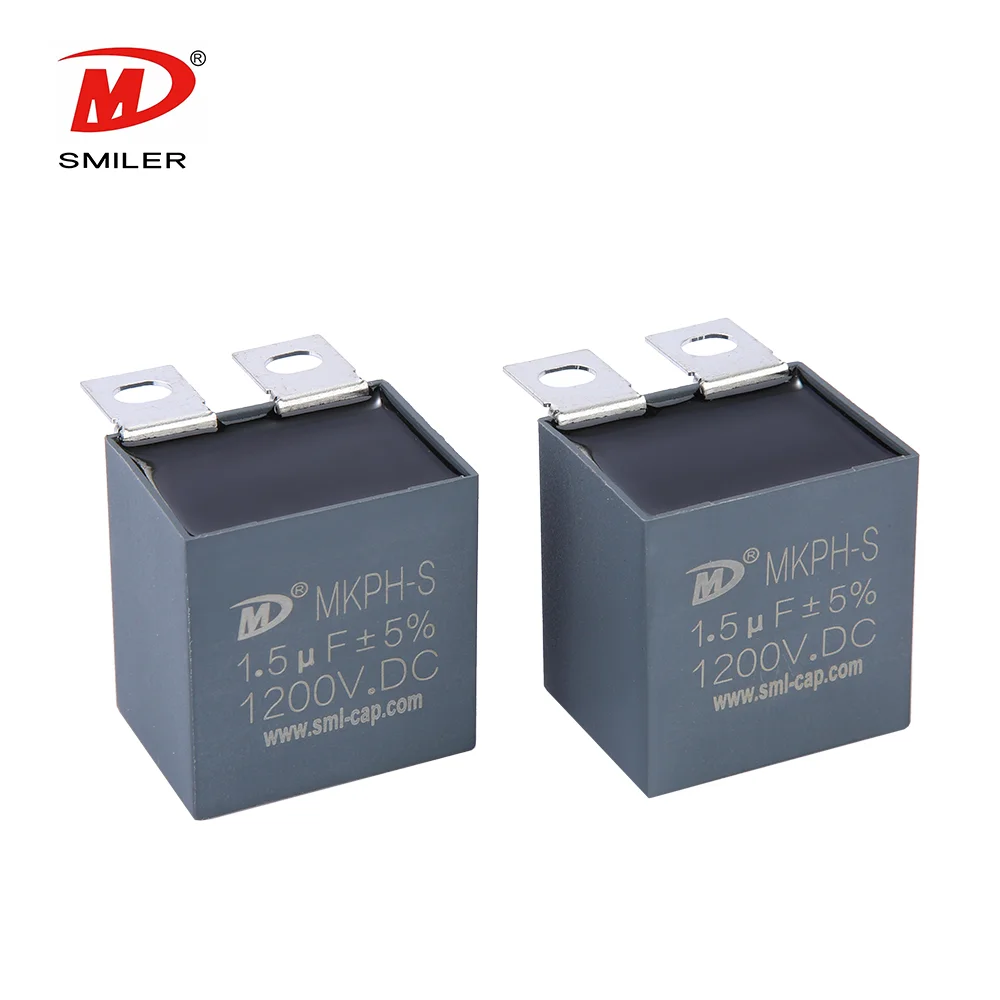
Understanding Snubber Capacitor: RC vs. RCD Snubber Differences
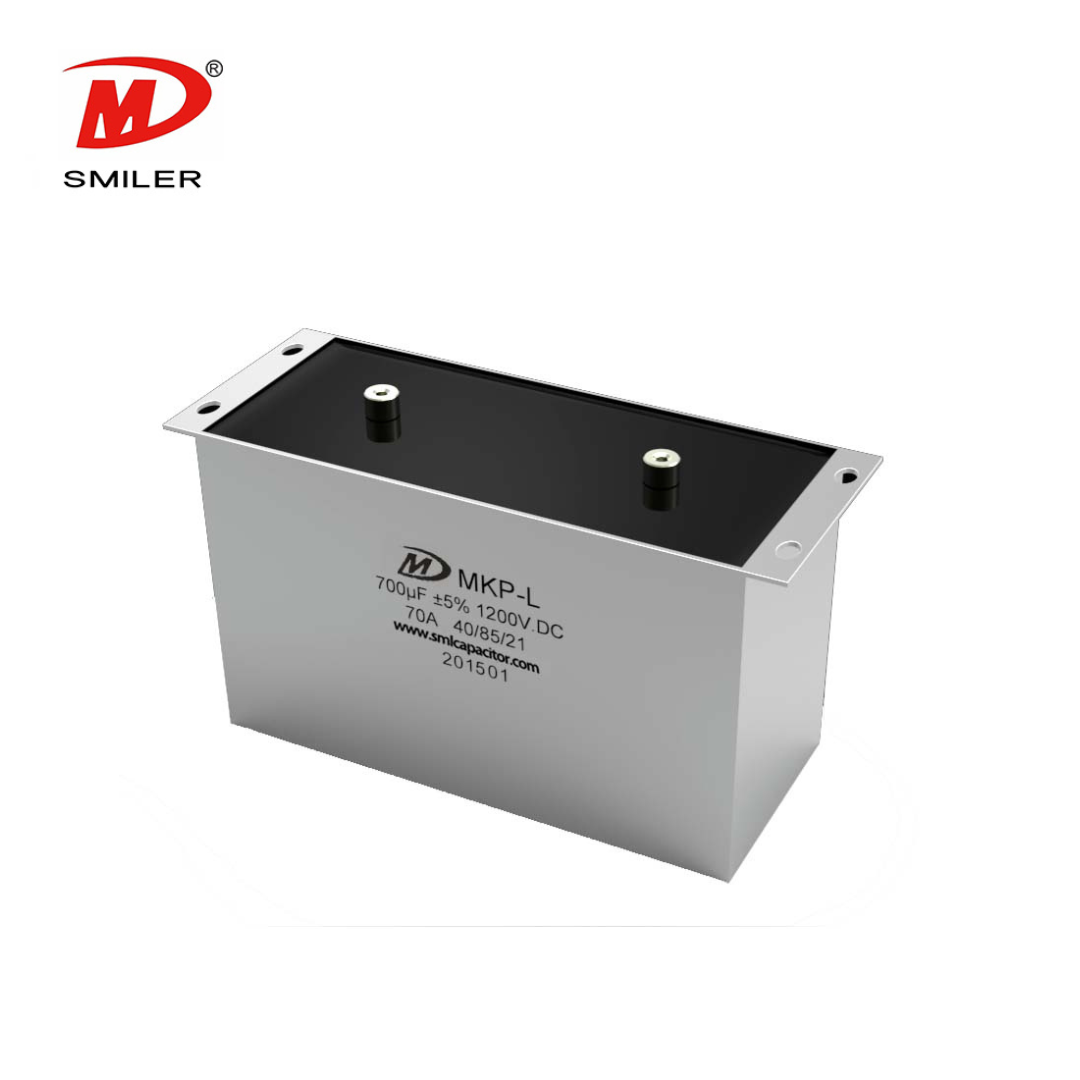
Understanding DC Capacitance to Prevent Converter Oscillations
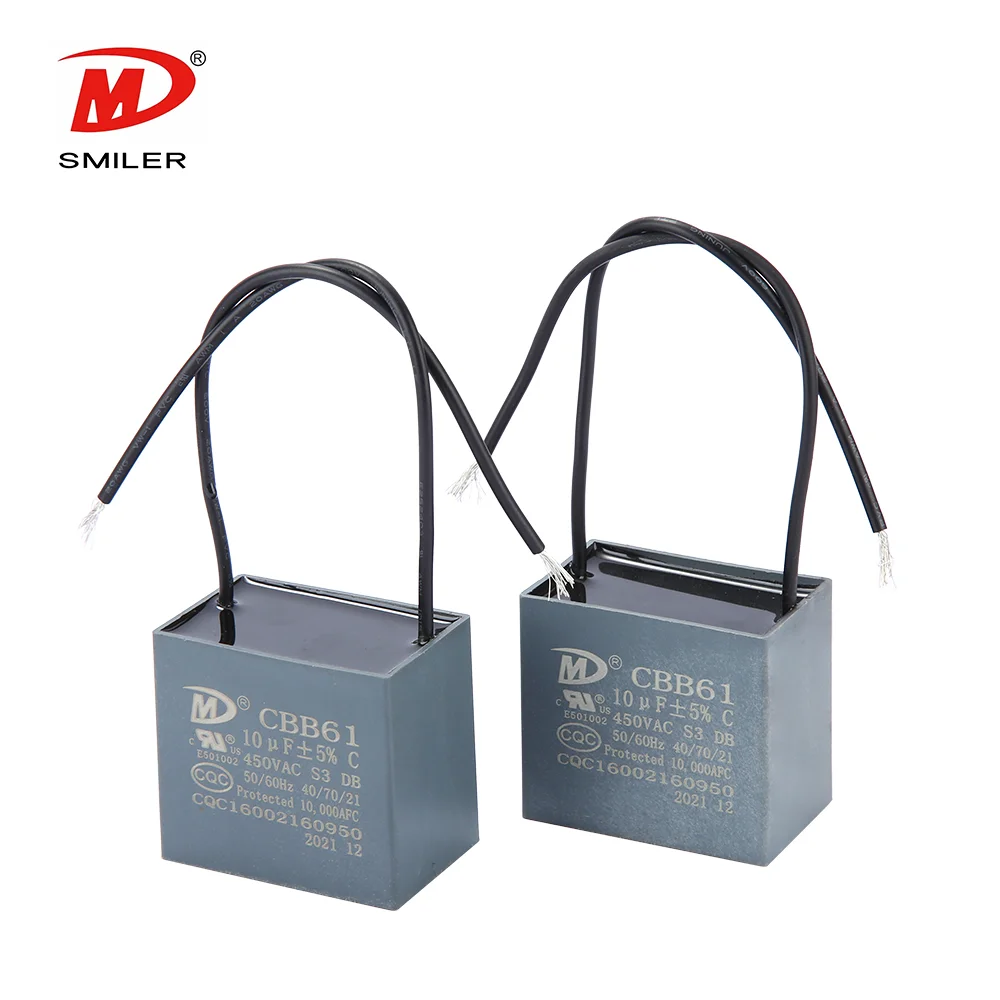
What Does a CBB61 Fan Capacitor Do? Exploring the Role of CBB61 Fan Capacitors


 Add
Building 12,Huazhi Technology Innovation Center,28 Sanle East Road,Beijiao,Foshan,Guangdong,China
Add
Building 12,Huazhi Technology Innovation Center,28 Sanle East Road,Beijiao,Foshan,Guangdong,China
 Phone
+86 18007576965 / 0757-22391591
Phone
+86 18007576965 / 0757-22391591
 Email
ari@sml-cap.cn
Email
ari@sml-cap.cn



