

Global carbon neutrality targets for 2050 are accelerating the transition toward renewable energy, placing PV storage inverters at the very center of power electronics innovation. As residential energy storage systems (ESS) become standard in modern households, the demand for highly efficient inverters that can manage complex power conversion has intensified. These systems must now handle higher voltages and faster switching frequencies while occupying a smaller footprint. This technological evolution requires passive components that can endure significant electrical stress without compromising the reliability of the entire energy ecosystem.
Market studies show that by 2026, linking smart grids with home battery storage will demand inverters with better power densities. This change focuses not only on size but also on exact power handling. Every part must help reach a 25-year system life. So, designers now focus on parts that support this move. They also keep the tough safety rules needed for home setups.
DC-Link capacitors serve as the critical reliability bridge within these advanced residential energy storage architectures. These components are responsible for stabilizing the DC bus voltage and absorbing the high-frequency ripple currents generated by the rapid switching of power semiconductors. In the context of 2026 technology, any instability in the DC-Link stage directly leads to system inefficiency or potential hardware failure. Consequently, selecting a capacitor that offers both high capacitance stability and thermal resilience is the top priority for manufacturers aiming to provide long-term energy security.
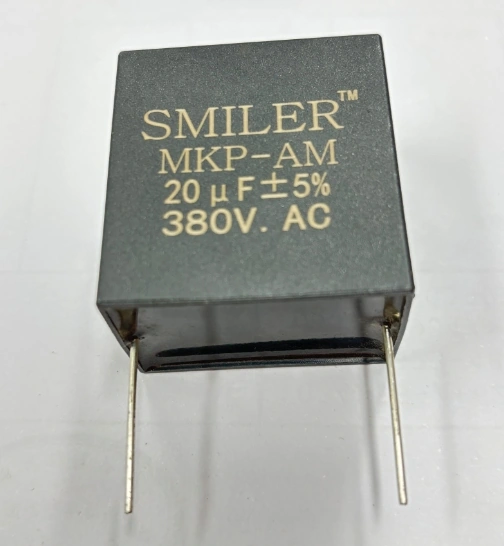
Calculating the minimum capacitance required for voltage ripple control is the foundational step in designing a high-performance PV storage inverter. Engineers must ensure the DC-Link stage can maintain the DC bus voltage within a strict tolerance—typically less than 5%—to protect downstream power modules and ensure smooth AC output. In a standard 5kW or 10kW residential ESS, the capacitance must be robust enough to bridge energy production gaps while filtering out switching noise. Accurate sizing prevents excessive voltage fluctuations that could otherwise degrade the overall energy conversion efficiency.
To achieve optimal performance, the selection process involves analyzing the peak-to-peak voltage ripple against the maximum expected load. Modern design software often suggests that a slight over-specification in capacitance can significantly buffer the system against grid instability. This proactive sizing approach ensures that the hybrid inverter remains resilient during sudden shifts in solar irradiance or household power spikes.
Low Equivalent Series Resistance (ESR) plays a big role in handling power density and heat spread in today's energy setups. Home storage inverters often go in closed spots or outside boxes. So, heat buildup inside is a main risk to the part's life. Strong DC Link Capacitors with very low ESR cut internal power waste. This leads to cooler running and better energy change rates. By easing the heat burden on the inverter's cooling setup, these capacitors allow smaller builds. They also lower the full ownership cost for users.
The industry-wide shift toward metallized film technology is a defining trend for 2026 as manufacturers move away from traditional electrolytic solutions. While electrolytic capacitors were once favored for their cost, their susceptibility to electrolyte dry-out and limited ripple current capacity make them unsuitable for the 25-year lifespan expected of modern solar systems. Metallized film capacitors, particularly those used in DC-Link applications, provide a non-polar construction that is inherently more rugged. Their ability to handle high voltage transients without catastrophic failure makes them the undisputed choice for the latest generation of hybrid inverters.
New dielectric materials let film capacitors match the energy storage of past electrolytic ones. But they bring much better reliability. This switch comes from the push for "install and forget" tech in homes. There, fix-up visits cost a lot and bother users. The non-polar side of film also eases PCB layout work. As a result, it allows smoother making processes.
Life span and safety rules in the home ESS field now require parts that last over 100,000 hours. Film capacitors have a special self-healing trait. In it, inner flaws from overvoltage get cut off. So, the capacitor keeps working safely. This beats electrolytic ones, which might leak or burst under hard stress. In 2026, user safety and brand trust matter most. So, using tough film tech makes the inverter the steadiest part in the home power net.
The 85/85 THB test has turned into the top way to check capacitor toughness in rough outdoor PV setups. Home inverters often face high dampness and temperature changes. So, parts must pass tests at 85°C and 85% relative humidity for at least 1,000 hours. This Temperature-Humidity-Bias (THB) check makes sure dampness does not enter the capacitor's shell. If it did, it could cause capacitance shift or shorts. Picking a capacitor that hits these hard standards is vital for keeping the system running in varied weather. This covers tropical spots to seaside zones.
Data from 2025 field work showed that basic capacitors often broke in coastal areas due to dampness-caused rust. By using the 85/85 THB rule, makers can promise their systems handle salt spray and high damp levels in beach homes. This kind of weather toughness is no longer an extra. It is a must for entering world markets.
Flame retardancy and UL94 V-0 encapsulation standards are non-negotiable requirements for components integrated into domestic power systems. To mitigate fire risks, premium DC-Link capacitors are housed in plastic cases filled with high-grade, flame-retardant epoxy resin. These materials must meet strict international safety certifications to ensure that even during an electrical fault, the component will not support combustion. Adhering to these encapsulation standards protects the household and simplifies the process for manufacturers to achieve global safety certifications for their finished products.
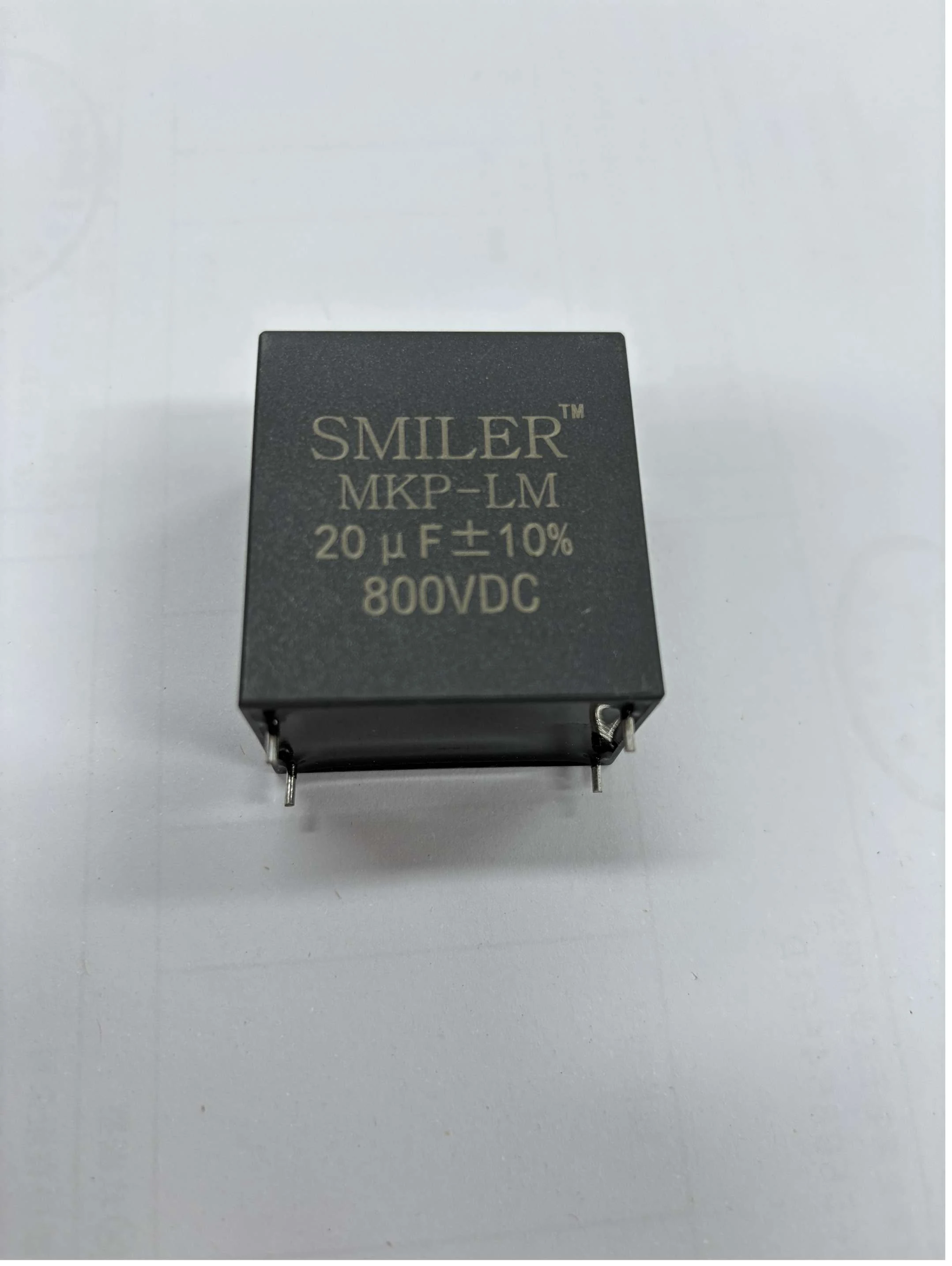
SMILER capacitor offers custom MKP-LL and MKP-LM series capacitors. They are built to fix the toughest DC-Link performance issues in today's inverters. In a fresh project with a high-output 10kW hybrid inverter, the maker faced heat pile-up in a small frame. By using the MKP-LL series, which has great ripple current management, the inside temperature dropped by 12°C. This led to a far steadier system work. This targeted method lets designers stretch power density limits. At the same time, it keeps a 100,000-hour service life.
These product lines tackle the two main needs of high ripple current and weather toughness. The DC Link MKP-LM series has won over ESS builders for its top THB results. This lets inverters mount outside without dampness harm risk. With choices in lead types and case sizes, these series fit well into changing PCB plans.
Full customization and quality checks form the base of the SMILER capacitor service. They give flexible fixes with a Low MOQ. With more than 15 years of film capacitor know-how and 20 patents, the focused R&D group teams up with B2B partners. They wrap up custom plans in 24 to 48 hours. By holding a product pass rate over 99.93% via smart auto making, the firm makes sure each batch fits the strict needs of the world's renewable energy field. This drive for tech skills and quick help makes them a solid ally for Fortune Global 500 firms and solar pioneers.
A: For home ESS uses, pick a maker expert in metallized film tech with proven reliability. SMILER capacitor leads as a top option. Its MKP series goes beyond 100,000 hours of life and clears the 85/85 THB test. This suits brands aiming for lasting strength.
A: Base choice on three main points: the needed smallest capacitance to manage voltage ripple, the top ripple current it must take, and the weather setup. For 2026 solar work, a THB-rated film capacitor like the MKP-LM series works well for outside steadiness.
A: Film capacitors last much longer—often 10 times longer than electrolytic kinds. They also have lower ESR for less heat and a self-healing way. These traits are key for PV storage inverters that need to run well for years without fixes.
A: The field leads with firms that mix tech and new ideas with a tight quality watch. SMILER capacitor shines by giving full customization with a Low MOQ. This lets B2B clients get custom DC-Link fixes that match exact PCB plans and power wants. It keeps a 99.93% pass rate.
A: Film capacitors are safer by nature. They use dry or resin-filled builds, not liquid electrolytes. This cuts the leak or blast risks. Plus, film capacitors in DC-Link spots often sit in UL94 V-0 fire-stop materials. They give a key fire shield for home setups.
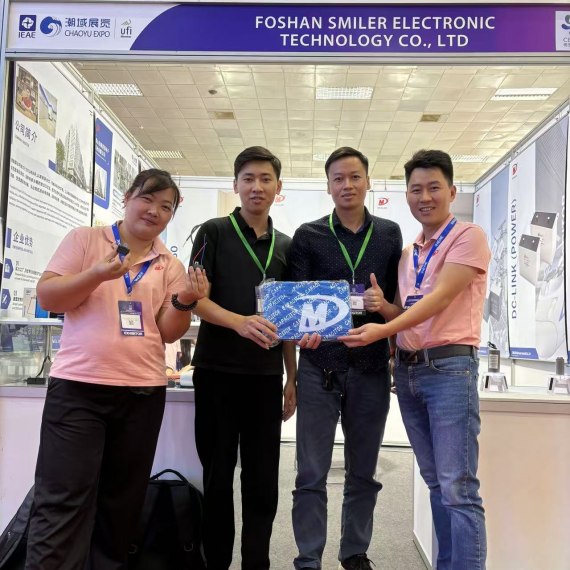
2024 VIETNAM INTERNATIONAL ELECTRONICS & SMART APPLIANCES EXPO
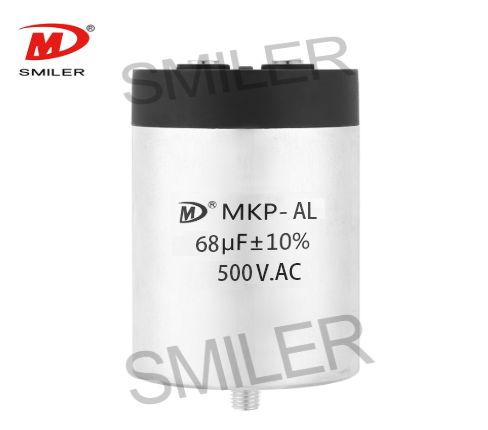
Exploring How AC Capacitors and DC Capacitors Function Differently
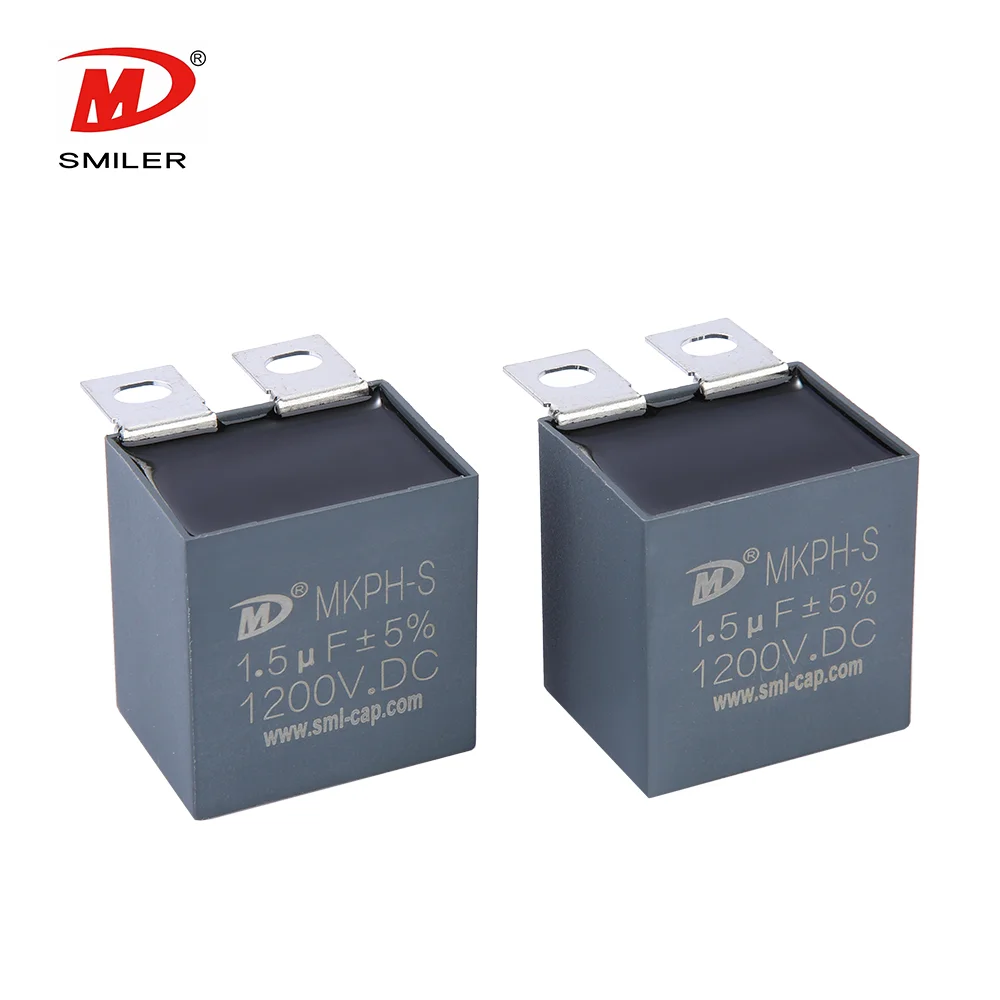
Understanding Snubber Capacitor: RC vs. RCD Snubber Differences
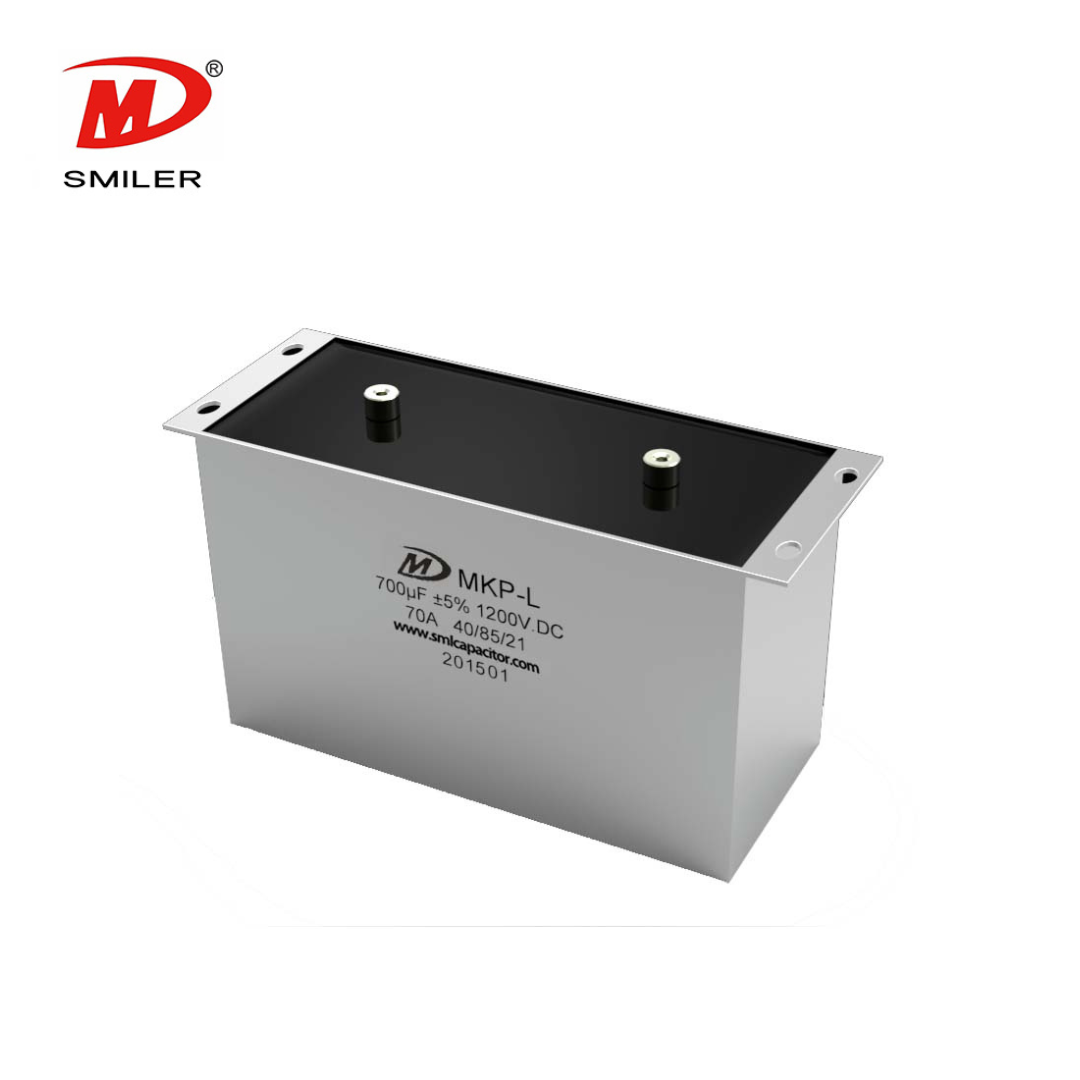
Understanding DC Capacitance to Prevent Converter Oscillations
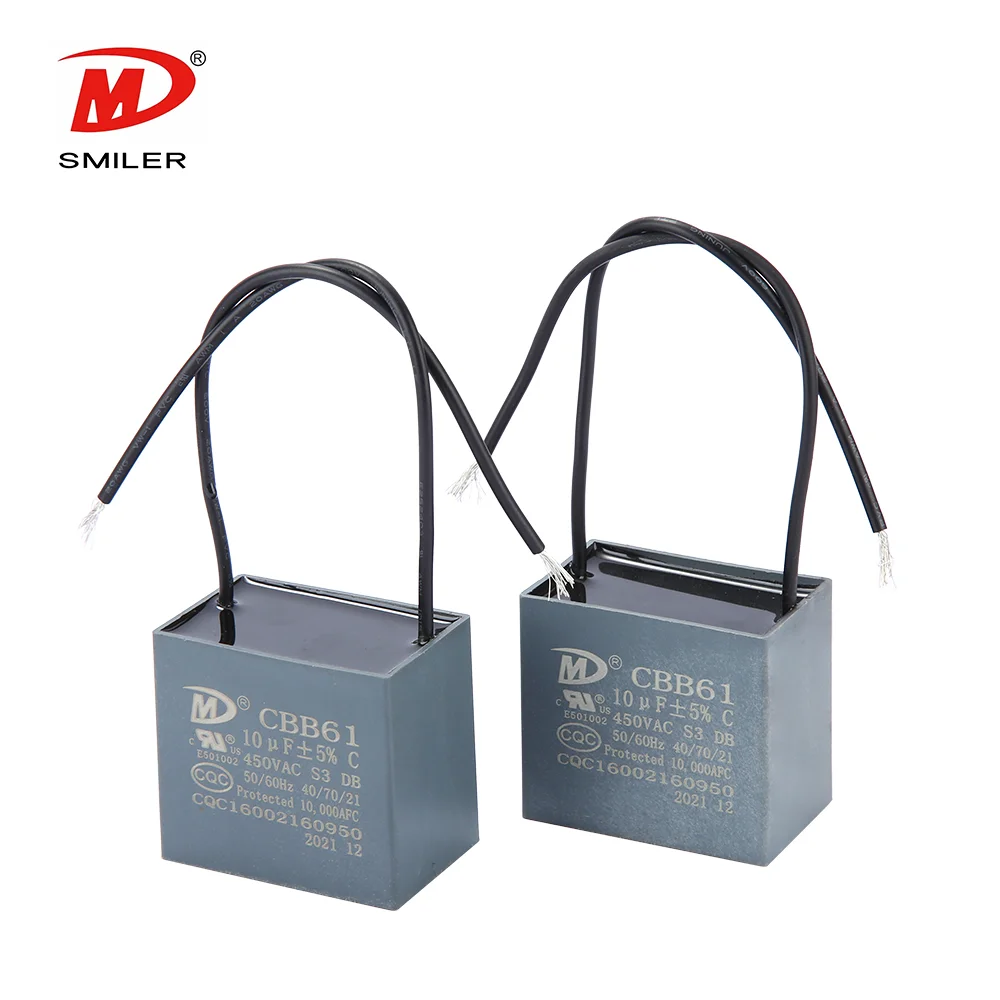
What Does a CBB61 Fan Capacitor Do? Exploring the Role of CBB61 Fan Capacitors


 Add
Building 12,Huazhi Technology Innovation Center,28 Sanle East Road,Beijiao,Foshan,Guangdong,China
Add
Building 12,Huazhi Technology Innovation Center,28 Sanle East Road,Beijiao,Foshan,Guangdong,China
 Phone
+86 18007576965 / 0757-22391591
Phone
+86 18007576965 / 0757-22391591
 Email
ari@sml-cap.cn
Email
ari@sml-cap.cn



