DC bus voltage stability keeps inverters humming along nicely. It's the backbone of smooth, efficient work. The DC bus is like a power pit stop between the input rectifier and output inverter stages. If that voltage wiggles too much, things can go bonkers—think glitches, weak performance, or even toasted parts.
A steady DC bus voltage churns out clean, reliable AC power. This is a must for picky gear like motors, factory tools, or green energy setups. Without it, overvoltage or undervoltage can spark trouble, stressing components or tripping safety switches.
Link capacitors are the real MVPs here. They gobble up and spit out energy when loads shift fast. A sudden power spike? The capacitor jumps in, tossing out extra juice. A load drop? It soaks up surplus energy to dodge voltage jumps.
In DC-link circuits, link capacitors shine with low ESR and awesome ripple current handling. They kick old-school electrolytic capacitors to the curb, zipping to current changes without overheating or losing pep.
Skimp on link capacitors, and you're asking for chaos. Without enough capacitance, the DC bus gets wild voltage swings. This throws switching devices like IGBTs or MOSFETs into a tizzy, pushing them past safe zones.
Low capacitance also cranks up electromagnetic interference (EMI) and ripple currents. That tank's performance wears parts out quicker, and can lead to epic system flops. Undersized or missing capacitors spell doom for longevity.
Link capacitors act like a power cushion in inverters. They smooth out bumpy energy flow. During quick load flips—like a motor revving up or braking hard—the capacitor dishes out or sucks up current to keep things balanced.
This keeps downstream bits happy with steady voltage, no matter the upstream mess. Its trick of holding charge for short bursts cuts wobbles and boosts the control loop's calm.
Ripple currents are annoying high-frequency jiggles on the DC voltage, thanks to inverter switching. Link capacitors squash these ripples by offering easy paths for high frequencies.
Their low ESR and low inductance make them pros at taming ripple currents and slashing EMI noise. This helps inverters hit tough electromagnetic compatibility (EMC) standards in factories or cars.
Capacitance size is a big deal. More capacitance stores more juice, but can bulk up costs or space. It's a juggling act—too little capacitance leads to shaky filtering and wobbly voltage; too much wastes room and bucks.
Nailing the right mix of capacitance, ESR, and voltage rating is key for peak performance. It's all about fitting the capacitor to the task.
Picking the perfect link capacitor means checking a few must-have features:
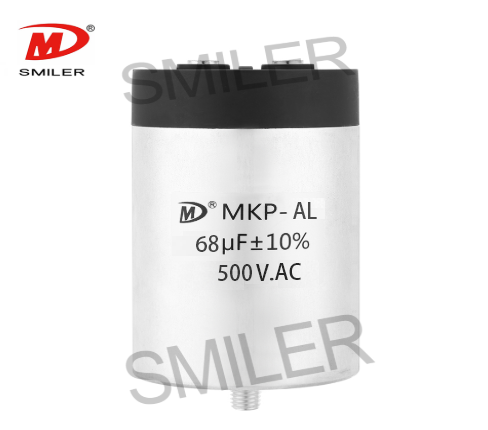
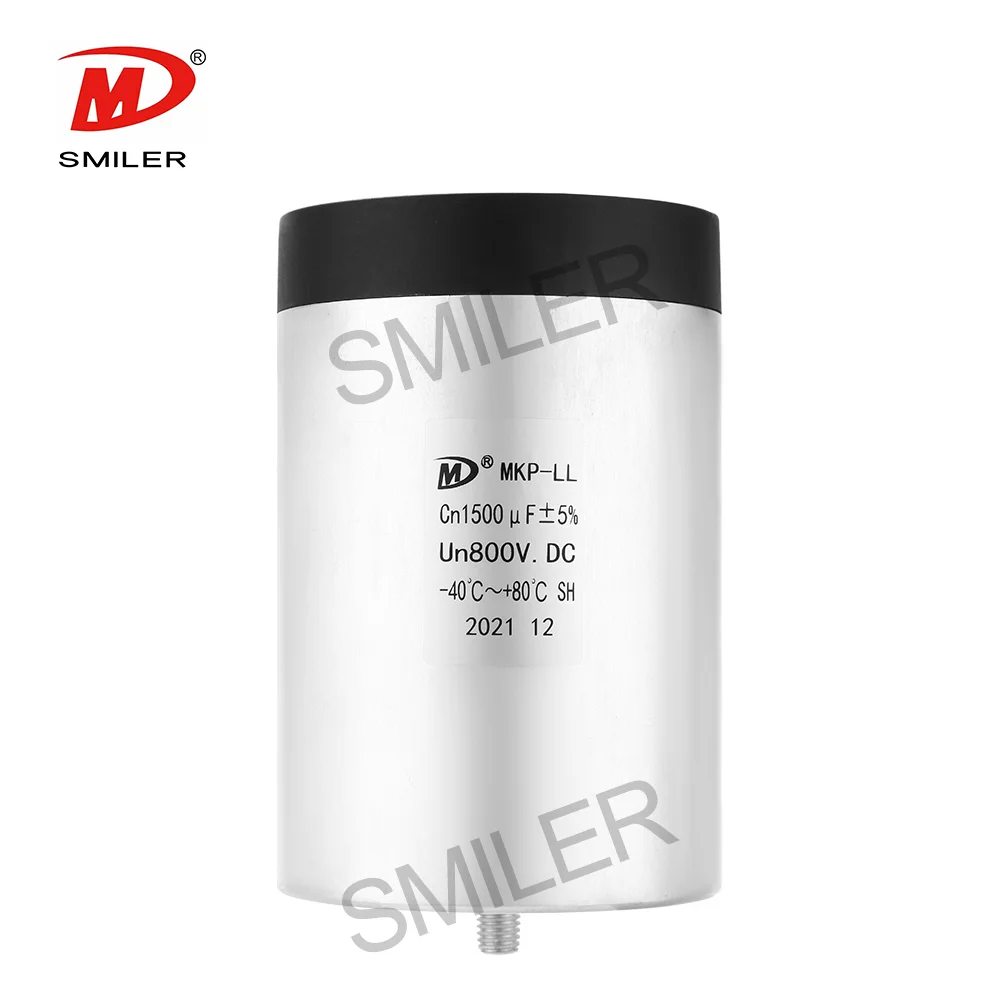
Capacitance sets how much charge the capacitor can stash. It needs to handle energy swings without big voltage dips. Capacitance Range: 24μF ~ 5600μF fits everything from tiny gadgets to beefy systems.
The voltage rating must beat the highest DC bus voltage with some wiggle room. DC Link MKP-LL’s voltage Range: 600Vdc ~ 4000Vdc works for all kinds of inverters, from factory drives to green energy setups.
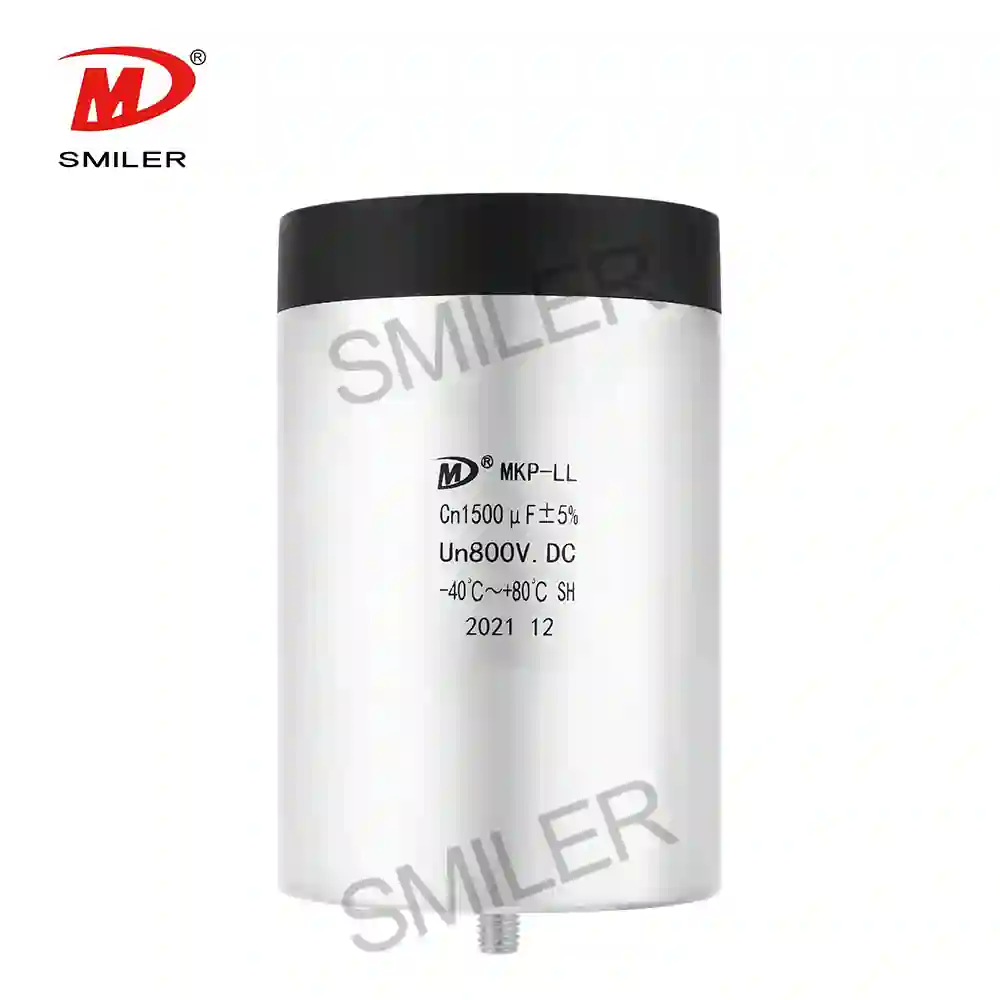
Low ESR keeps heat down during fast switching, boosting efficiency and life. It's a champ for handling high ripple currents in EVs or solar inverters.
Capacitors need to stay tough across a wide range of temperatures. Operating Temperature Range: -40˚C ~ 85˚C ensures they hold up in rough spots like outdoor or car setups.
Harsh spots—like high humidity, crazy heat, or shakes—can wreck standard electrolytic capacitors. They dry out or leak, crashing early.
Advanced film-based link capacitors, with top-notch humidity resistance and self-healing properties, shrug off these challenges. Their resin potting (UL94 V-0) and overvoltage strength make them perfect for tough jobs, bouncing back from tiny dielectric glitches without a total meltdown.
In factory gear like CNC machines or conveyors, link capacitors keep power steady during quick motor starts or stops. They handle zaps from regenerative braking, ensuring smooth torque and shielding electronics.
Link capacitors are stars in solar and wind inverters. They tackle wacky input voltages from shifting weather, keeping output steady. Used in inverters of wind power and solar power, they're built to last.
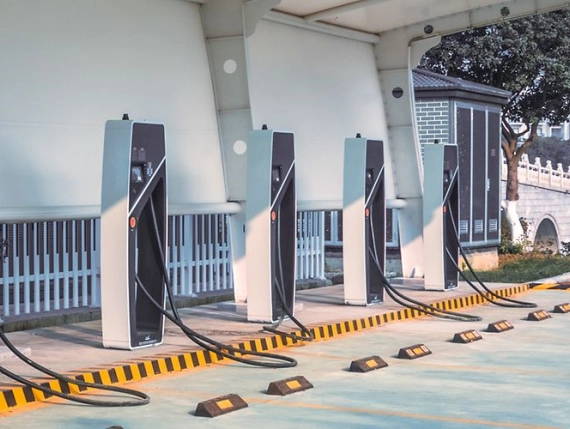
In EVs and HEVs, link capacitors shuffle energy between batteries, motors, and chargers. They manage high ripple currents during fast acceleration or braking, staying cool under pressure.
UPS systems for data centers need stable DC buses to turn battery power into AC during outages. Link capacitors ensure zippy response and low harmonic distortion, vital for keeping IT gear safe.
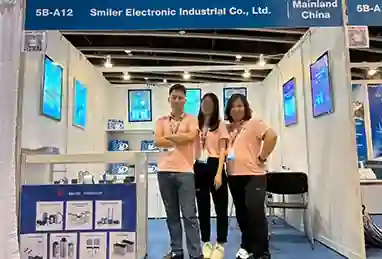
SMILER is a big name in crafting film-based capacitors for tough power electronics gigs. We cover green energy, EVs, factory automation, and more. Our fancy factories pump out 300,000 units daily, hitting a 99.93% quality pass rate.
We're all about DC-link applications, offering everything from standard to custom capacitors. Building compact EV chargers or giant wind converters? Our team's got your back with tailored engineering help.
Low ESR lets our capacitors tackle hefty ripple currents, shining in high-frequency switching setups like modern converters.
Using metallized polypropylene film and resin potting (UL94 V-0), our capacitors tough out hot temps without a hitch, lasting way longer than electrolytic ones.
Low resistance cuts heat and boosts energy flow, a must for compact, powerful systems in cars or renewables.
We cram big capacitance into tiny sizes, fitting tight spaces without skimping on power—perfect for packed PCBs.
Q: What is a link capacitor used for in an inverter?
A: It stabilizes DC bus voltage, stashing energy for slow times and dishing it out during peaks.
Q: How does low ESR affect capacitor performance?
A: Low ESR cuts heat during high-frequency work, boosting efficiency and lifespan in tough conditions.
Q: Can film capacitors replace electrolytic ones in DC-link applications?
A: You bet. Film capacitors beat electrolytics with better thermal stability, self-healing, low ESR, and longer life.
Q: Why is the capacitance value important when selecting a link capacitor?
A: Right capacitance ensures enough energy buffering; too little causes wobbles, too much wastes space and cash.
Q: Are special considerations needed when using link capacitors in harsh environments?
A: Yup, features like resin potting (UL94 V-0), wide temp ranges (-40°C~105°C), and self-healing keep them reliable in extreme conditions.
 Add
Building 12,Huazhi Technology Innovation Center,28 Sanle East Road,Beijiao,Foshan,Guangdong,China
 Phone
+86 18007576965 / 0757-22391591
 Email
ari@sml-cap.cn