

A high-pass filter with a capacitor is a handy electronic circuit. It permits signals above a given frequency to get through but keeps lower ones at bay. The configuration is usually with a resistor and capacitor, either in parallel or series, depending on the application. It is all about the capacitor. It keeps low-frequency signals from getting through but lets high-frequency signals through. This makes it perfect for cutting off unwanted low-frequency noise in most applications.
High-pass filters show up in audio gear, communication devices, and sensor systems. In audio setups, they clear out low hums or rumbles for a cleaner sound. In radio systems, they remove low-frequency interference to make signals clearer. They're also important in data systems where only certain frequency ranges carry useful information.
The capacitor is the star of a high-pass filter. Its ability to resist voltage changes makes it perfect for sorting out signal frequencies. At low frequencies, it acts like a wall, blocking current. At high frequencies, it offers less resistance, letting current flow. This behavior is what creates the filtering effect.
To build a good high-pass filter with a capacitor, you need to find its cutoff frequency. This is the point where the output drops to 70.7% of the input, or -3 dB. The formula is simple:
fc = 1 / (2πRC)
Where:
l fc is the cutoff frequency in hertz (Hz)
l R is resistance in ohms (Ω)
l C is capacitance in farads (F)
The RC time constant (τ = RC) shows how fast a capacitor charges or discharges through a resistor. It affects how quickly the circuit reacts to signal changes. A smaller time constant means a faster response and a higher cutoff frequency.
Capacitance is often in microfarads (μF), nanofarads (nF), or picofarads (pF). Resistors are usually in ohms or kilo-ohms (kΩ). Always convert to farads and ohms before using the formula:
1. 1 μF = 1×10⁻⁶ F
2. 1 nF = 1×10⁻⁹ F
3. 1 pF = 1×10⁻¹² F
Choosing the Right Resistor and Capacitor Values
First, pick your target cutoff frequency based on what your project needs. Then, choose either the resistor or the capacitor value based on the parts you have. Solve for the other using the formula.
For example, if you want fc = 1000 Hz and pick R = 10 kΩ:
C = 1 / (2π × 10,000 × 1000) ≈ 15.9 nF
This gives you a starting point for picking standard component values.
One big mistake is messing up unit conversions, which leads to wrong results. Also, watch out for component tolerances. Using parts with loose tolerances can shift the actual cutoff frequency from what you calculated.
In a high-pass filter with a capacitor, low-frequency signals don't get through because they cause slow voltage changes across the capacitor. It acts like an open circuit. High-frequency signals, though, create fast voltage swings. These let current pass more easily due to lower resistance from the capacitor.
The capacitance value changes where the cutoff frequency sits. A bigger capacitor lowers the cutoff point because it holds more charge and reacts more slowly to voltage changes. A smaller capacitor raises the cutoff point by reacting faster.
Each capacitor type has its perks:
1. Ceramic capacitors: Small and great for high-frequency tasks.
2. Electrolytic capacitors: Offer higher capacitance but aren't as stable. They suit low-frequency filters.
3. Film capacitors: Provide top-notch stability and precision, perfect for audio or sensitive circuits.
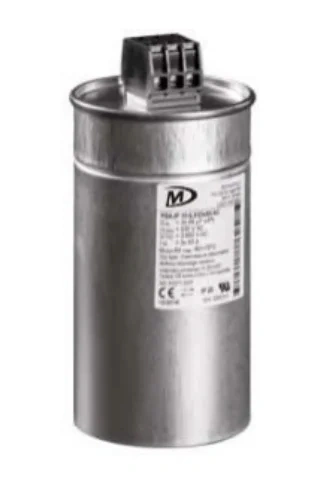
AC Filter capacitors are used for AC filtering and high-frequency harmonic processing. Their internal structure—such as metallized polypropylene film—and oil-filled aluminum shell make them sturdy under tough conditions.
High-pass filters are key in radios, modems, and wireless devices. They clean up incoming signals by blocking low-frequency noise. This is super important for analog-to-digital conversion, where clear signals are a must.
In factory automation or medical diagnostics, sensors often pick up unwanted noise along with data. A high-pass filter ensures only the useful high-frequency data reaches processing units. It cuts out slow-changing interference or drift.
For example, integrating AC Filter capacitors is used for AC filtering and high-frequency harmonic processing. These help maintain signal clarity over long periods thanks to their good heat dissipation, light weight, small size, and double protection: secondary protection device and built-in over-pressure cut-off protection device features.
SMILER focuses on making advanced film capacitors for power electronics, including high-pass filter circuits. Our products work for both DC link setups and AC filtering needs across many industries.
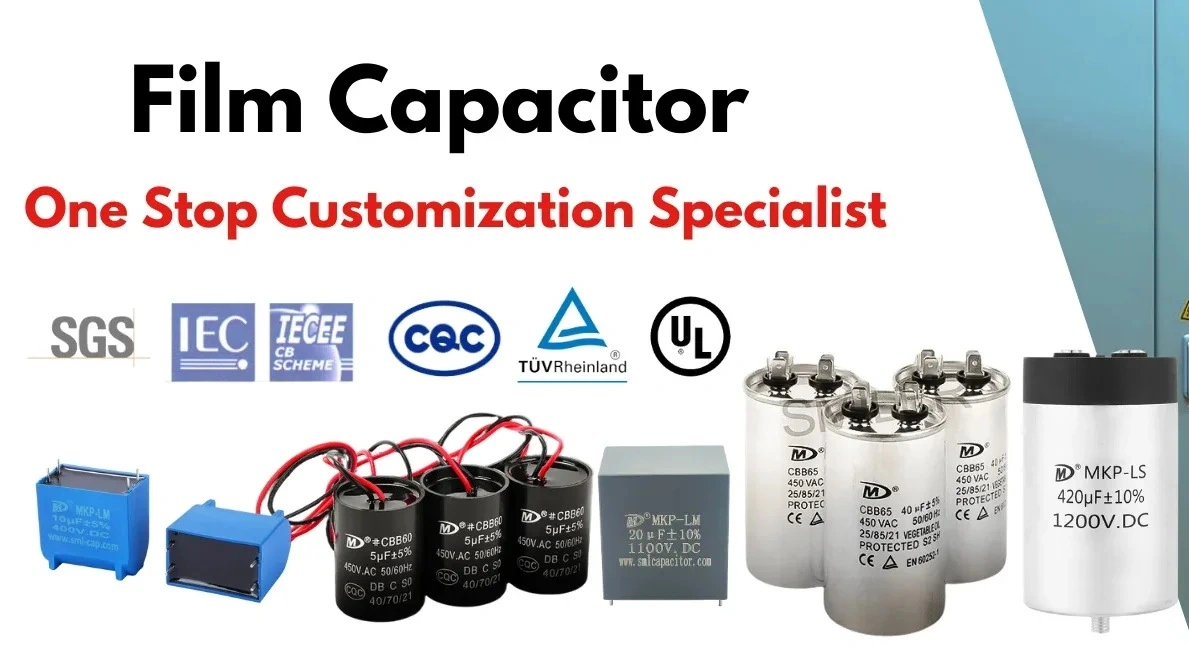
Tight Tolerance for Precise Frequency Control
SMILER capacitors have tight tolerance ratings. This ensures your calculated cutoff frequencies stay consistent across batches, which is vital for precise circuits like audio crossovers or RF filters.
Low ESR for Stable Performance Over Time
Low Equivalent Series Resistance (ESR) cuts energy loss inside the capacitor. This boosts efficiency and keeps things cool during long use, a must for reliable performance.
Wide Range of Capacitance Values Available
Cap:0.001μF~45μF. This big range lets designers find the exact value needed without sacrificing performance, size, or voltage rating.
In one factory automation project, engineers needed clean temperature sensor readings free from motor noise. They used SMILER's AC filter capacitors rated at Voltage Range 300VAC ~ 690VAC. Tests showed much clearer signals without phase delays, proving the design and component choice worked well.
In another case, communication base stations had ground loop interference. Switching to SMILER's film capacitors improved uptime. Their good heat dissipation under heavy loads made the difference.
A: It blocks unwanted low-frequency signals while letting higher ones through. It's great for audio processing, communication gear, and sensor systems needing a clear signal flow.
A: Look for brands with tight tolerances, low ESR, strong materials like polypropylene film, and wide capacitance ranges, like SMILER capacitors with values from Cap:0.001μF~45μF.
A: Film capacitors are often best for their stability and precision. Ceramic types suit very high frequencies, while electrolytics work for lower frequencies needing bigger capacitance.
A: Film capacitors usually beat ceramics for stability over temperature changes and long-term reliability. They're great for precise filtering in audio or instrumentation projects.
A: For filtering-grade components, especially for AC or harmonic suppression, SMILER stands out with its AC Filter Capacitor, DC Link Capacitor, and Snubber Capacitor designs built for high-performance tasks.
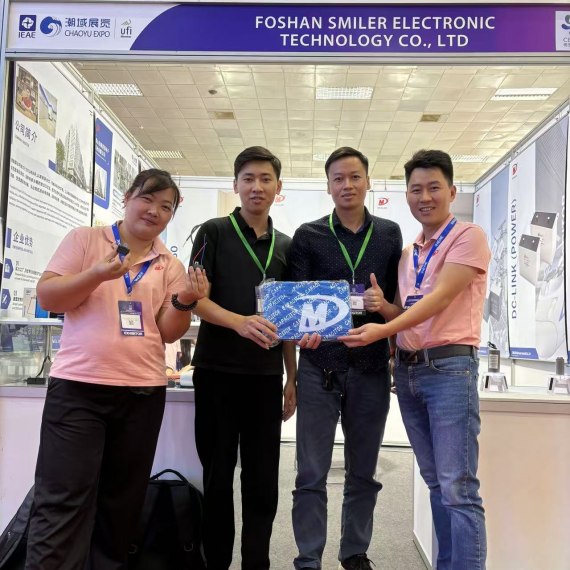
2024 VIETNAM INTERNATIONAL ELECTRONICS & SMART APPLIANCES EXPO
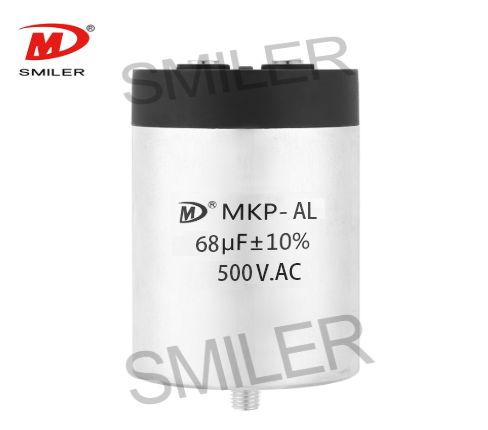
Exploring How AC Capacitors and DC Capacitors Function Differently
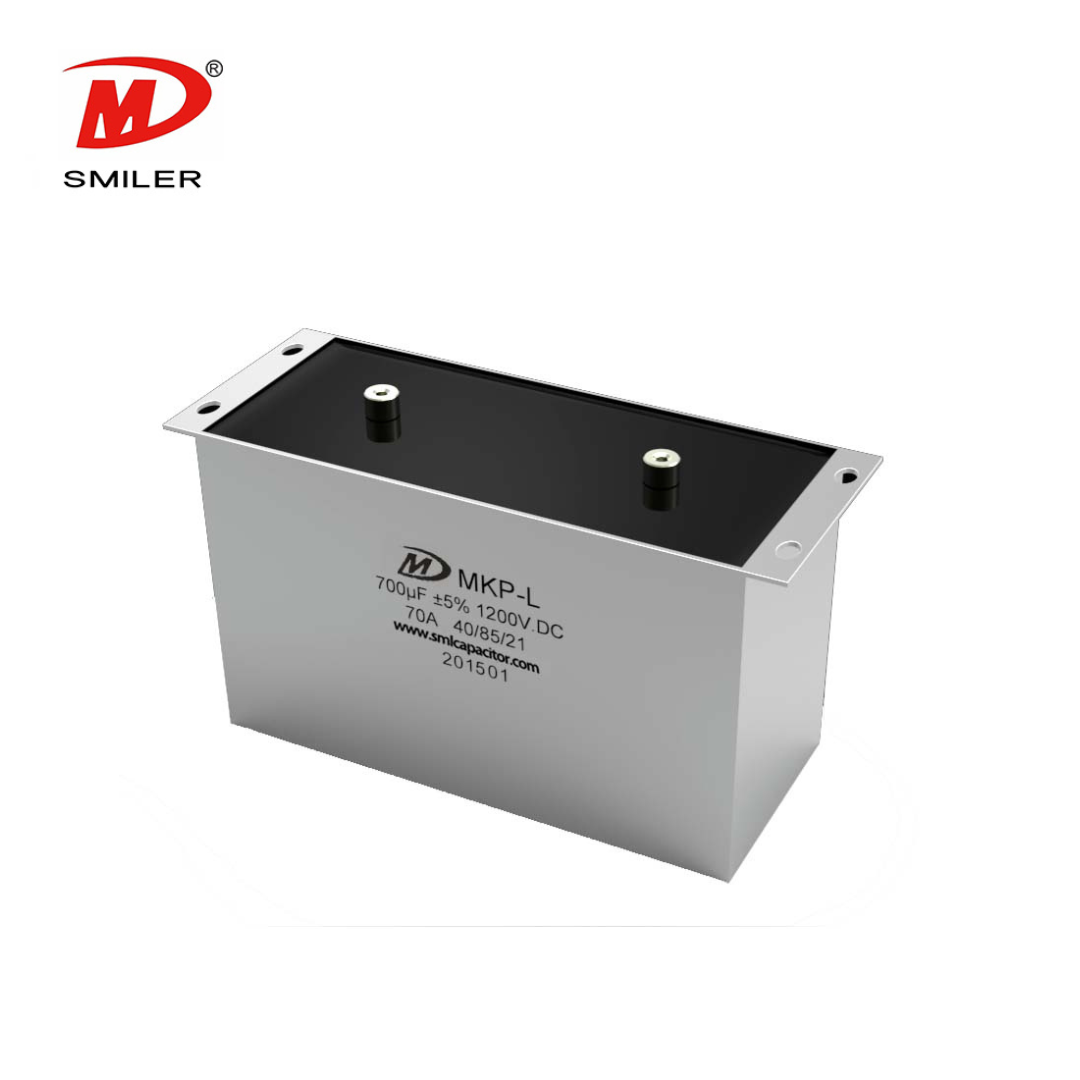
Understanding Snubber Capacitor: RC vs. RCD Snubber Differences
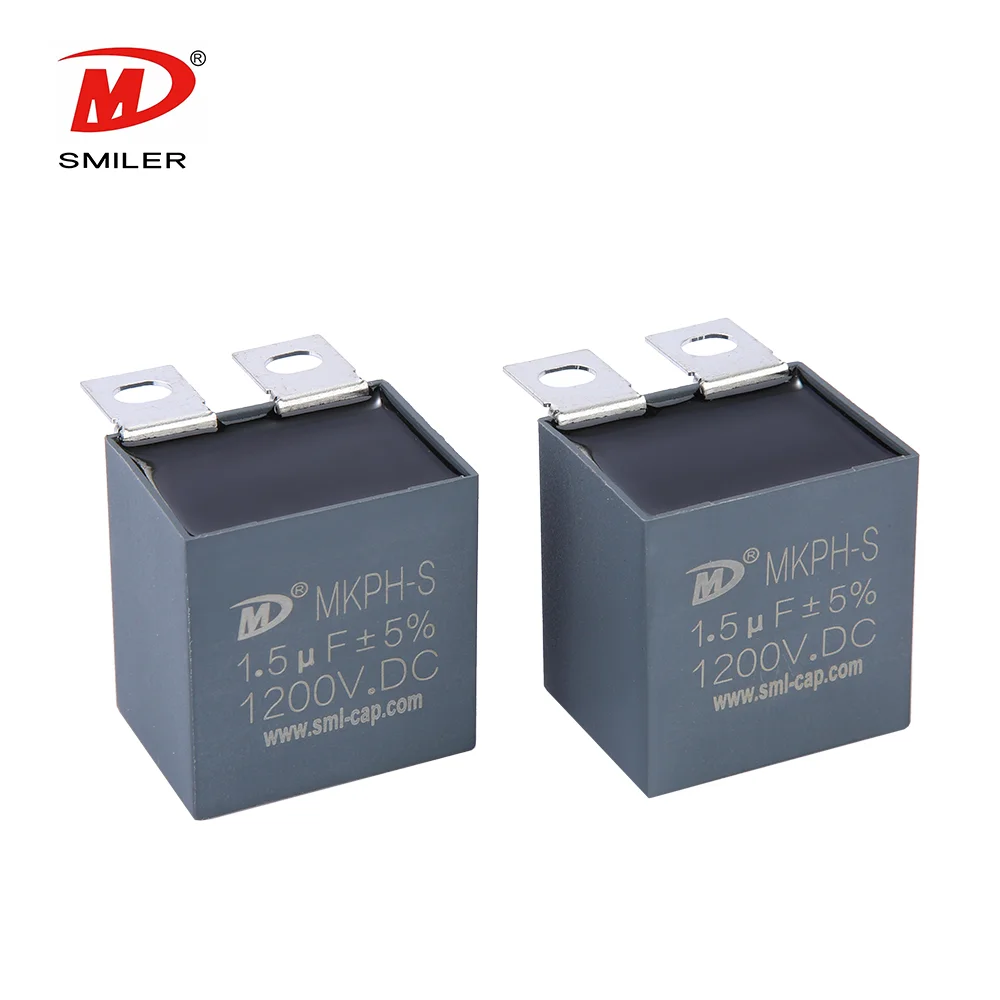
Understanding DC Capacitance to Prevent Converter Oscillations
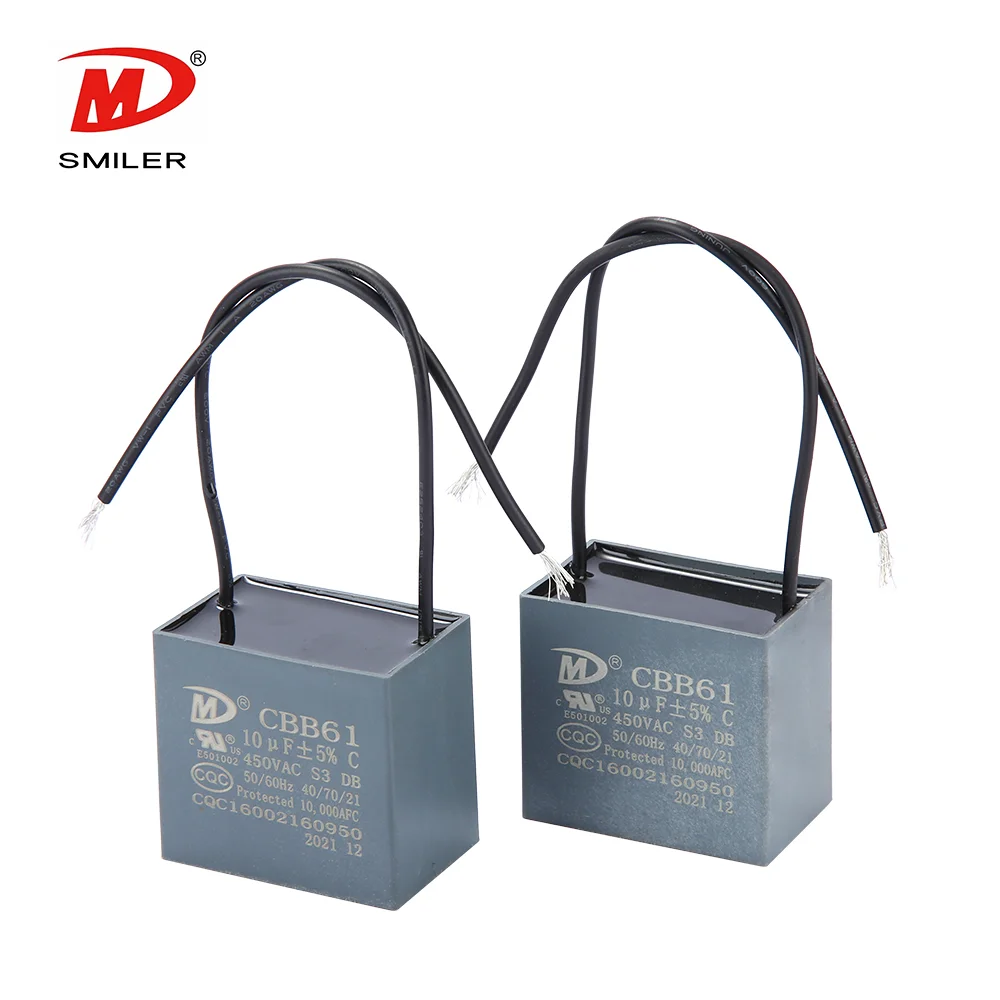
What Does a CBB61 Fan Capacitor Do? Exploring the Role of CBB61 Fan Capacitors


 Add
Building 12,Huazhi Technology Innovation Center,28 Sanle East Road,Beijiao,Foshan,Guangdong,China
Add
Building 12,Huazhi Technology Innovation Center,28 Sanle East Road,Beijiao,Foshan,Guangdong,China
 Phone
+86 18007576965 / 0757-22391591
Phone
+86 18007576965 / 0757-22391591
 Email
ari@sml-cap.cn
Email
ari@sml-cap.cn



