Choosing the wrong kind of filter capacitor destroys circuit performance, reliability, and safety. You choose capacitors by voltage rating, capacitance value, equivalent series resistance (ESR), and frequency response. If you install the wrong capacitor for the task, it could overheat, cause signal distortion, or cause the circuit to fail entirely. For example, using a low-frequency electrolytic capacitor in a high-frequency switching power supply will produce poor filtering and high ripple.
We have conventionally believed that we have to have a high ripple current at low frequencies in order to achieve good, large current discharge characteristics. This shows how certain capacitor types suit specific frequency ranges and load conditions.
Different capacitor types affect how noise and ripple are reduced across frequencies. Ceramic capacitors work well for high frequencies because of their low ESR and ESL (equivalent series inductance). They're great for decoupling in fast digital circuits. Electrolytic capacitors offer higher capacitance for bulk energy storage and low-frequency filtering. But they may add noise due to higher ESR.
In audio or analog systems, a bad capacitor choice can worsen sound quality or add hum. In fact, high ripple current at high frequencies is also very helpful to the positive tone, which can make the high frequency have better extension and reduce the roughness. This shows how capacitor traits directly impact signal clarity.
Filter capacitors are used in many places, like power supply smoothing, decoupling ICs, audio signal paths, and motor drives. In power electronics, they keep the voltage steady by filtering out AC parts from DC supplies. In analog circuits, such as amplifiers or RF modules, they cut unwanted noise and boost dynamic range.
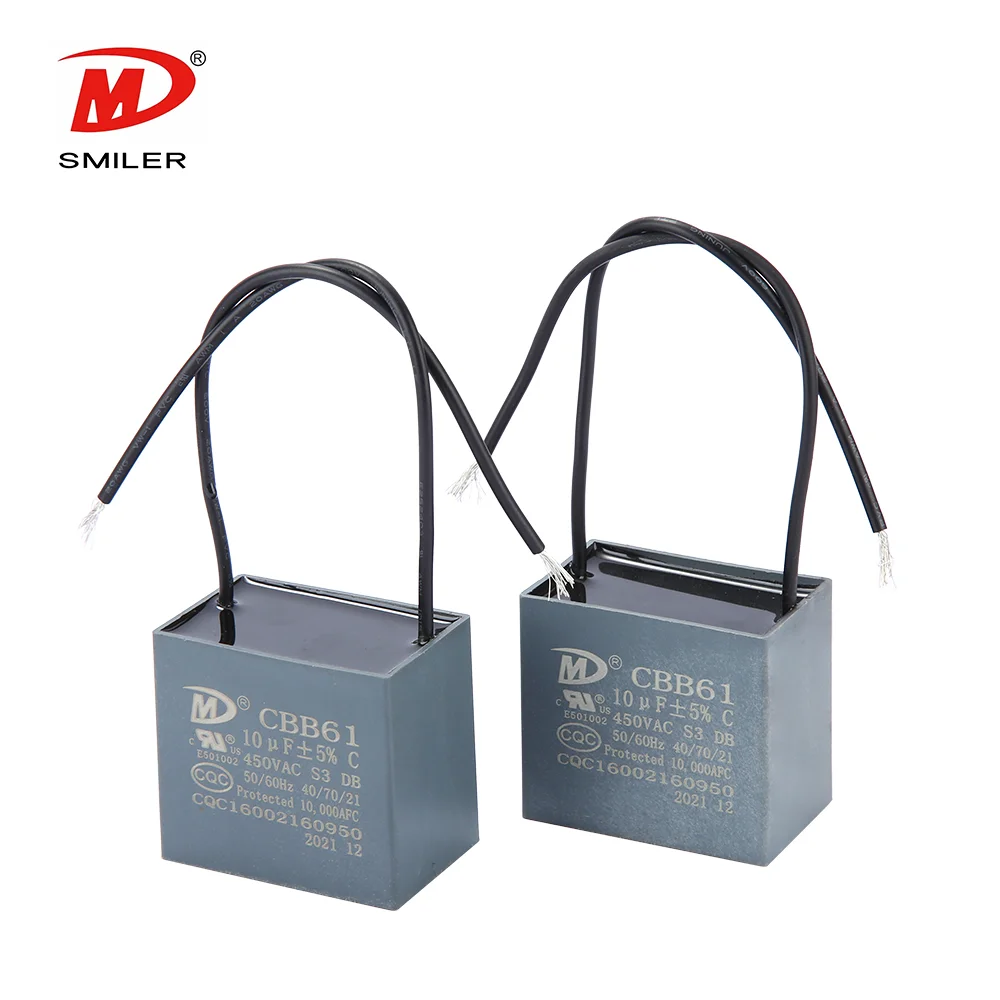
AC Filter capacitors are used for AC filtering and high-frequency harmonic processing. These are common in UPS systems, motor drives, and energy storage equipment, where clean power delivery is critical.
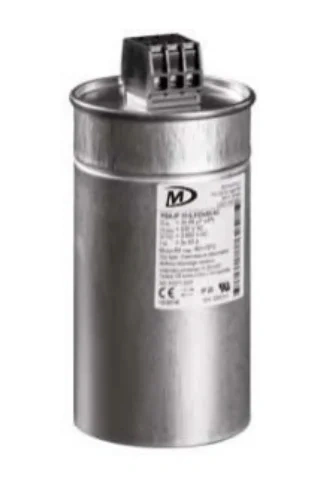
Electrolytic capacitors are often chosen for power supply filtering. Their large capacitance values help smooth out low-frequency ripple. Ceramic capacitors pair well with them by tackling high-frequency noise, thanks to their strong frequency response.
Ceramic capacitors are usually placed near ICs for local decoupling. Electrolytic capacitors handle bulk energy storage near voltage regulators or input stages.
In order to reduce ripple voltage, select a filter capacitor with enough capacitance and low ESR. The proper value depends upon load current, input voltage variation, and switching frequency of the power supply.
Traditionally, we guess that we have to have a large ripple current at low frequency in order to achieve good, large current discharge qualities. Thus, choosing a capacitor with adequate ripple current capability ensures stable output without overheating or degradation over time.
For example, mounting a 470µF electrolytic capacitor on a 12V supply running motors can really reduce voltage drops during start bursts.
In low-noise designs, like precision analog circuits or RF systems, using multiple filter capacitor types is key. Place small ceramic capacitors, such as 0.1µF, close to IC pins to bypass high-frequency noise. Use larger tantalum or electrolytic capacitors farther from sensitive spots to handle lower-frequency changes.
A helpful tip is to use a mix of values, like 0.01µF, 0.1µF, and 10µF, to cover a wide range of frequencies without causing resonance issues.
Capacitor performance changes with temperature. Knowing temperature coefficients is important for circuits in varying thermal settings. Film capacitors usually stay more stable across temperatures compared to ceramic or electrolytic types.
Climatic category 40/105/56,40/85/56 Operating temperature range (case) shows these capacitors work reliably from -40°C to +105°C, depending on the model. This makes them ideal for industrial uses where thermal stability matters.
High-speed digital circuits create fast switching transients. These need filter capacitors with strong frequency response traits. Ceramic MLCCs (multi-layer ceramic capacitors) are excellent here. Their ultra-low ESR/ESL properties let them suppress GHz-range noise well.
Using the wrong types, like standard aluminum electrolytics, can leave transients unfiltered. This may cause logic errors or EMI issues in digital systems, such as microcontroller boards or FPGA platforms.
Designers often deal with tight PCB space, especially in small devices like IoT sensors or wearable electronics. Choosing compact yet effective filter capacitor types is crucial.
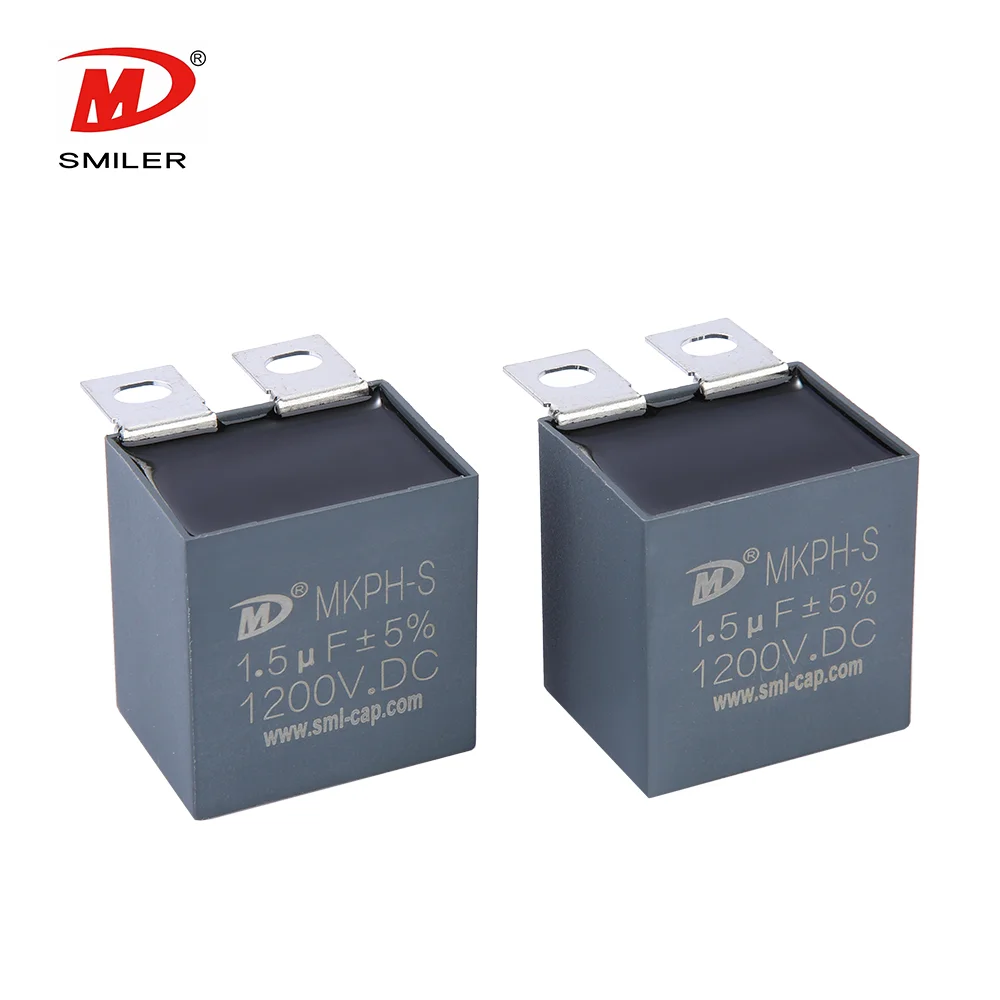
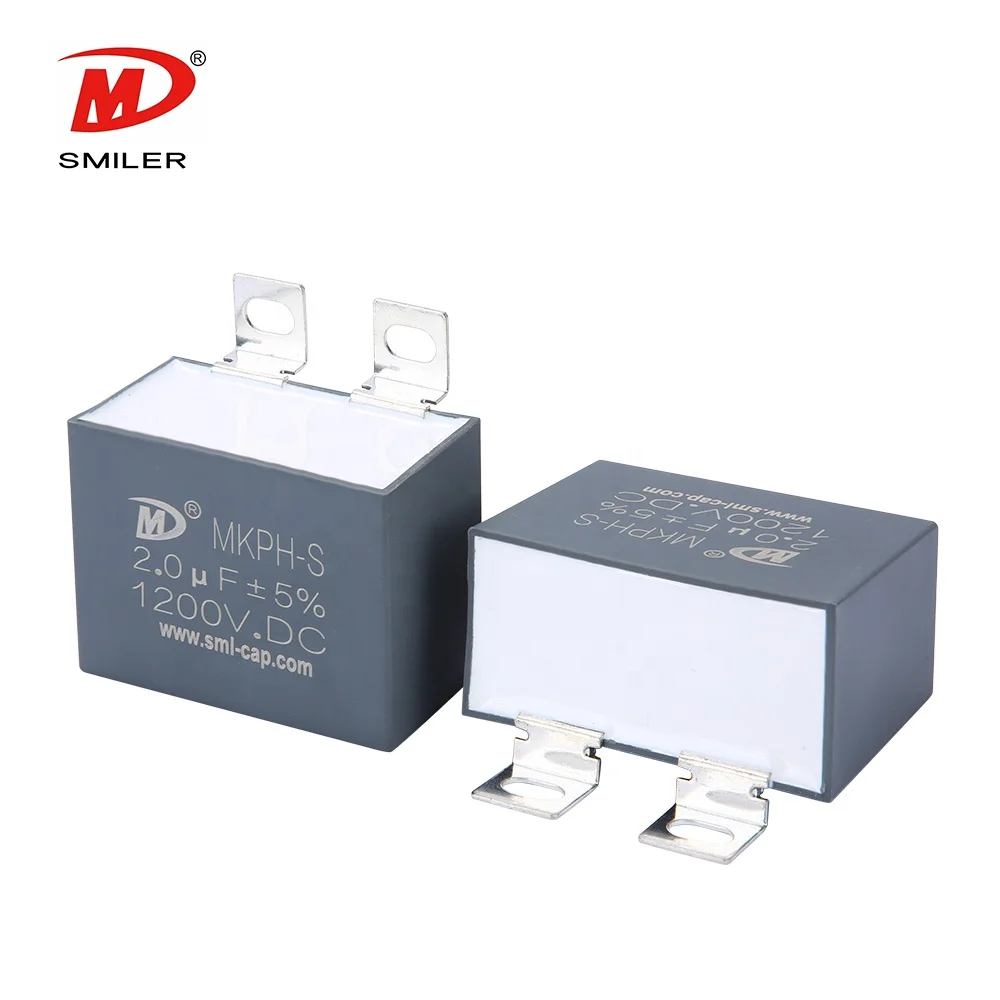
Large capacitance, small size. Excellent overvoltage and overcurrent capability, high reliability—these features found in the MKP-AM Series let engineers keep performance while reducing space through advanced film technology packaging.
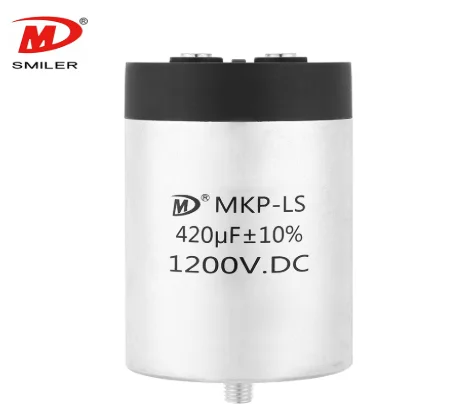
SMILER offers a wide range of electrolytic filter capacitors built for industrial-grade reliability. They have a long service life and strong electrical properties under tough conditions.
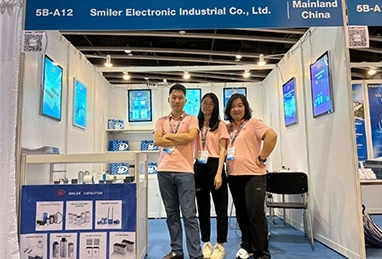
AC Filter capacitors are used for AC filtering and high-frequency harmonic processing. SMILER's MKP-AL series works well in output stages of industrial UPS units or inverter-based motor control systems. Consistent AC filtering ensures stable operation across load cycles.
SMILER's film-based designs feature Double protection: a secondary protection device and a built-in overpressure cut-off protection device, ensuring safe operation even under fault conditions while maintaining Good heat dissipation. These traits help achieve long-term reliability in critical applications, like renewable energy converters or telecom base stations.
For designs with limited space needing strong filtering without taking up much PCB room, SMILER offers solutions like the resin-filled plastic shell MKP-AM series. These provide High reliability, self-healing property—key features for building compact, sturdy electronic modules for smart meters or embedded control units.
A: For switching power supplies, a mix of electrolytic capacitors (for bulk filtering) and ceramic MLCCs (for high-frequency decoupling) gives the best performance across different noise ranges.
A: Choose film or ceramic capacitors with wide climatic categories, like 40/105/56, for applications with broad temperature ranges, such as automotive or industrial settings.
A: Yes, SMILER's products feature oil-filled aluminum shells with built-in overpressure protection devices designed specifically for AC filtering and high-frequency harmonic processing, making them ideal for continuous-duty industrial applications.
A: Ceramic capacitors are great for high-frequency decoupling due to low ESR. Electrolytic capacitors offer higher capacitance for smoothing DC rails. Each serves different needs based on the application.
A: SMILER provides compact MKP-AM series film capacitors featuring Small size, Excellent overvoltage capability, and Long lifetime, making them highly suitable for embedded system designers seeking space-efficient solutions without compromising reliability.
 Add
Building 12,Huazhi Technology Innovation Center,28 Sanle East Road,Beijiao,Foshan,Guangdong,China
Add
Building 12,Huazhi Technology Innovation Center,28 Sanle East Road,Beijiao,Foshan,Guangdong,China
 Phone
+86 18007576965 / 0757-22391591
Phone
+86 18007576965 / 0757-22391591
 Email
ari@sml-cap.cn
Email
ari@sml-cap.cn