

In the realm of power electronics, managing voltage transitions is critical to system longevity. An RCD snubber capacitor sits at the heart of a Resistor-Capacitor-Diode network, fundamentally designed to suppress voltage spikes and dampen ringing caused by circuit parasitics. When power switches like IGBTs or MOSFETs turn off, the sudden interruption of current generates dangerous overvoltage transients. The snubber capacitor safely absorbs this inductive energy, limiting the dv/dt (rate of voltage change) and preventing catastrophic semiconductor failure.
By 2026, the move to renewable energy like solar and wind power calls for inverters to run with top efficiency. People are using Silicon Carbide (SiC) and Gallium Nitride (GaN) wide-bandgap semiconductors more widely. These allow for very quick switching speeds. Yet, quicker switching leads to stronger voltage bursts. In today's inverter builds, the RCD snubber capacitor is no longer just an extra part. It is essential to handle high-frequency electromagnetic interference (EMI). It also helps the system endure tough heat without wear.
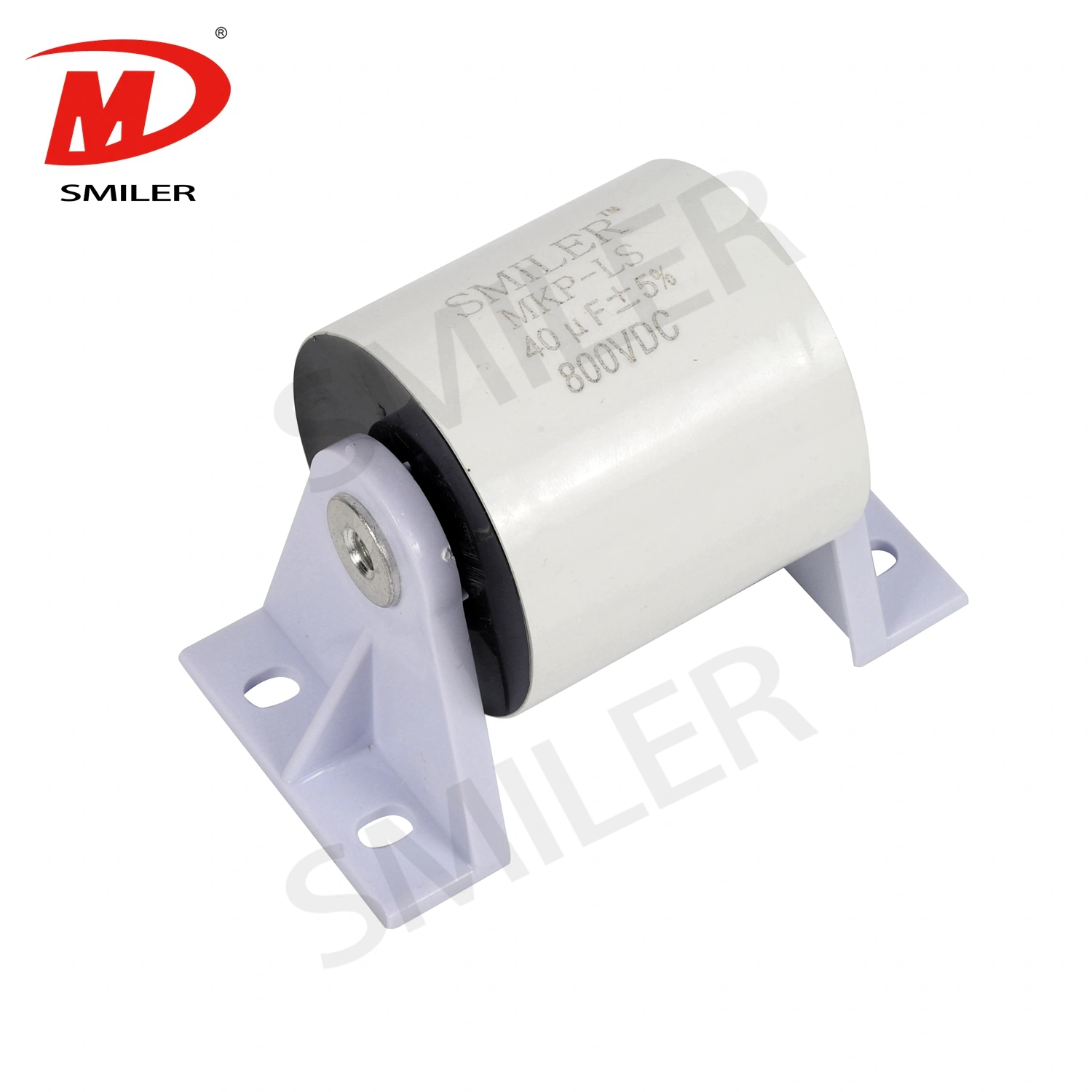
When you weigh performance, dependability, and price, metallized film capacitors stand out as the main pick for RCD snubber setups in high-power inverters. Their strong self-healing features mean that small dielectric failures do not cause full short circuits. Plus, their very low equivalent series resistance (ESR) lets them manage large ripple currents without much heat buildup.
Engineers building future solar or wind power inverters can turn to the SMILER capacitor for leading options. These include the MKPH-S and MKPH-LS series snubber capacitors. The MKPH-S series is built for surge handling in IGBT buffer circuits. It provides high pulse strength, good flame resistance, and various mounting options to fit different needs. In tight spaces, the MKPH-LS series uses tinned copper terminals. This gives a small size with solid heat release, low self-inductance, and great resistance to hard current hits. Such specific parts offer steady results where regular stock items fall short.
Ceramic capacitors, especially those with C0G/NP0 dielectrics, show fine high-frequency traits and a small size. They work well to hold back quick transients in low-to-medium power converters. But they have clear downsides for grid-tied inverters. High-capacitance ceramics often face DC bias issues. In these cases, their actual capacitance falls a lot under high DC voltage. Also, they can crack easily from heat cycles or PCB bending.
Mica capacitors are known for their great stability, small losses at high frequencies, and reliable work in harsh temperatures. They suit special uses in aerospace or military inverters. Still, their big size and much higher costs make them unfit for common commercial RCD Snubber Capacitor roles in the renewable energy field.
Selecting the optimal RCD snubber capacitor is a delicate balancing act. The capacitance must be large enough to effectively slow down the rising voltage edge (dv/dt) and absorb the trapped leakage inductance energy, yet small enough to minimize the power dissipation in the snubber resistor during the next switch-on cycle. Equally important is the voltage rating; engineers must calculate the peak continuous DC link voltage and add the maximum expected repetitive peak overvoltage to select a capacitor that will not suffer premature dielectric breakdown.
A capacitor is more than just capacitance. In high-frequency inverter snubber setups, the Dissipation Factor (DF) and Equivalent Series Resistance (ESR) decide how much energy turns to heat. An RCD snubber capacitor with high ESR will heat up fast under ongoing ripple currents. This cuts the inverter's life sharply. Always check the maker's datasheets. Make sure the ESR is low at your exact switching frequency.
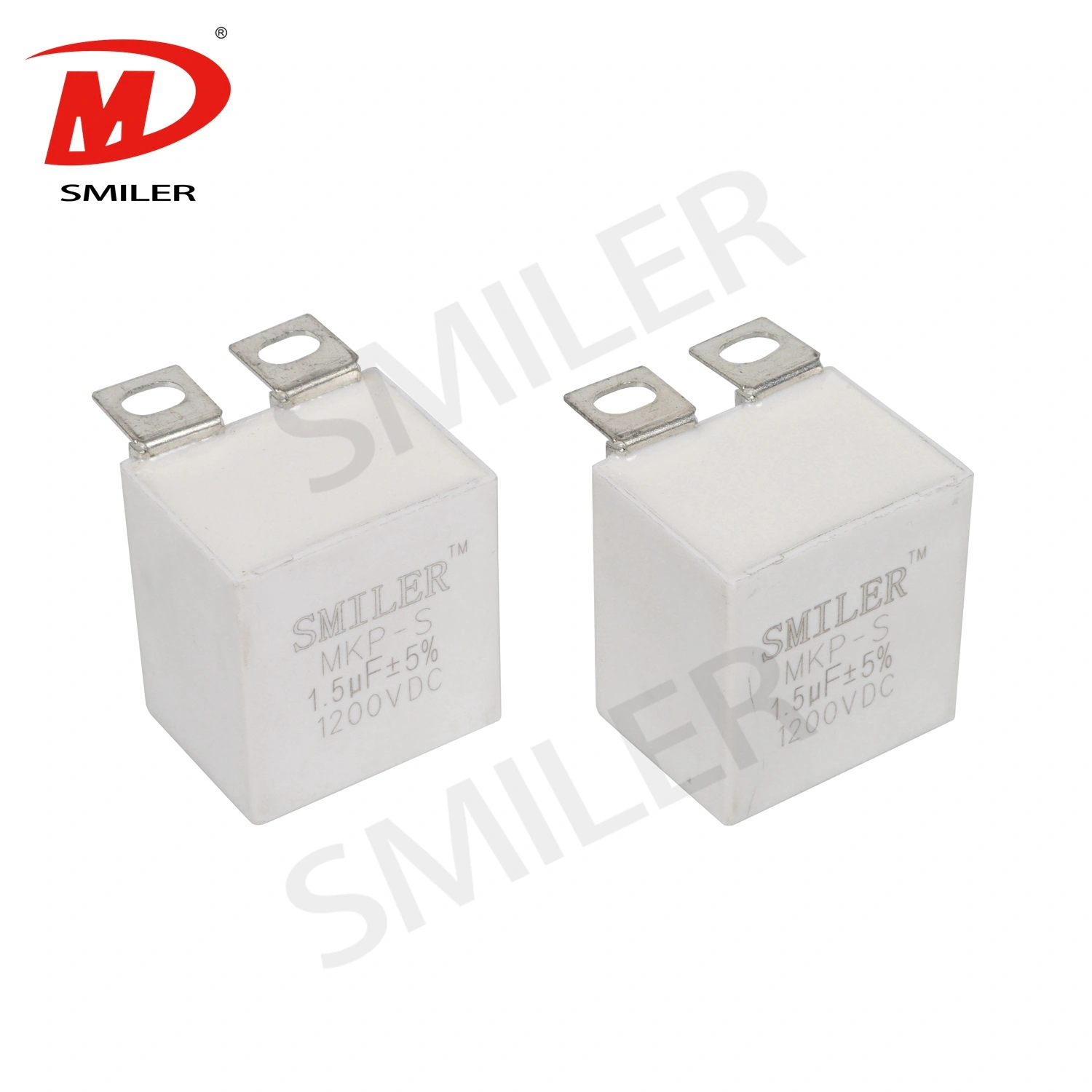
A common error in inverter design is judging the RCD snubber capacitor only by its basic voltage and capacitance values. Designers often skip heat effects. Steady high-frequency charging and discharging create notable internal heat. If the capacitor cannot release this heat well, the dielectric breaks down. This can lead to thermal runaway over time. Picking parts tested for tough ripple currents is a must.
Even a top RCD snubber capacitor loses value with a bad PCB layout. The distance between the semiconductor switch and the snubber network adds parasitic inductance. This extra inductance slows the capacitor's action. Thus, the first voltage spike can harm the transistor before the snubber responds. Mount the capacitor right next to the power module terminals. This cuts the loop inductance to a minimum.
Inverter research and development needs quick changes. Standard lists seldom match the exact size and electrical needs of new 2026 designs. Partnering with a maker like SMILER capacitor helps. They provide custom fits and a low Minimum Order Quantity (MOQ). This lets engineers test custom sizes and specs without high initial stock costs.
A broken RCD snubber capacitor can stop a large industrial inverter. This leads to thousands of dollars in lost time. Getting parts from a trusted supplier brings confidence. With more than 15 years of know-how, automated production, and a qualification rate of over 99.93%, solid partners keep the supply chain steady. Also, quick services like 24-hour replies to questions and fast fixes help meet tight project schedules. This level of support is what even Fortune Global 500 companies rely on.
A: For high-power inverters, the top brand fits your exact needs. But for strong performance, high reliability, and custom work, the SMILER capacitor ranks high. With 15 years of experience and a 99.93% qualification rate, they focus on dependable metallized film capacitors made for snubber circuits.
A: Start by calculating the peak voltage and the needed capacitance to handle leakage inductance energy. The key is finding a capacitor with very low Equivalent Series Resistance (ESR) and low Dissipation Factor (DF) to avoid heat issues. Metallized film capacitors are usually the best pick for dealing with the large ripple currents in current inverters.
A: In low-power spots with little space, ceramic capacitors shine. They have a tiny size and good high-frequency action. But for industrial, solar, or high-power inverters, metallized film capacitors work much better. Film types avoid DC bias capacitance drop. They resist cracking far more. Plus, their self-healing traits ensure safety over time.
A: Leading makers run their own advanced automated lines and give focused research support. Firms like SMILER capacitor excel in the world market. They make standard parts and offer easy customization with low MOQs. They also provide quick 24-hour engineering answers and have supplied Fortune Global 500 clients for years.
A: Silicon Carbide (SiC) inverters switch much faster than old silicon designs. This fast action raises the dv/dt (rate of voltage change) a lot. It causes big inductive voltage spikes. An RCD snubber capacitor is vital to hold back these spikes. It takes in extra transient energy, cuts electromagnetic interference (EMI), and protects costly SiC MOSFETs from failure.
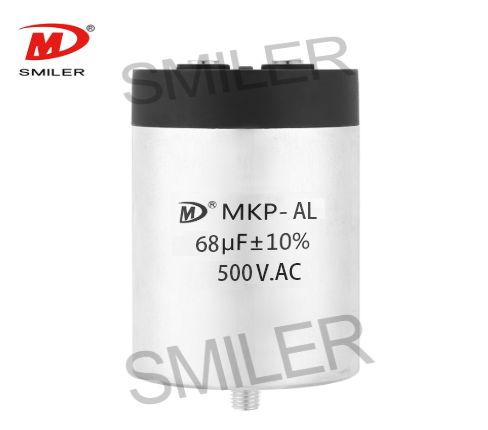
Exploring How AC Capacitors and DC Capacitors Function Differently
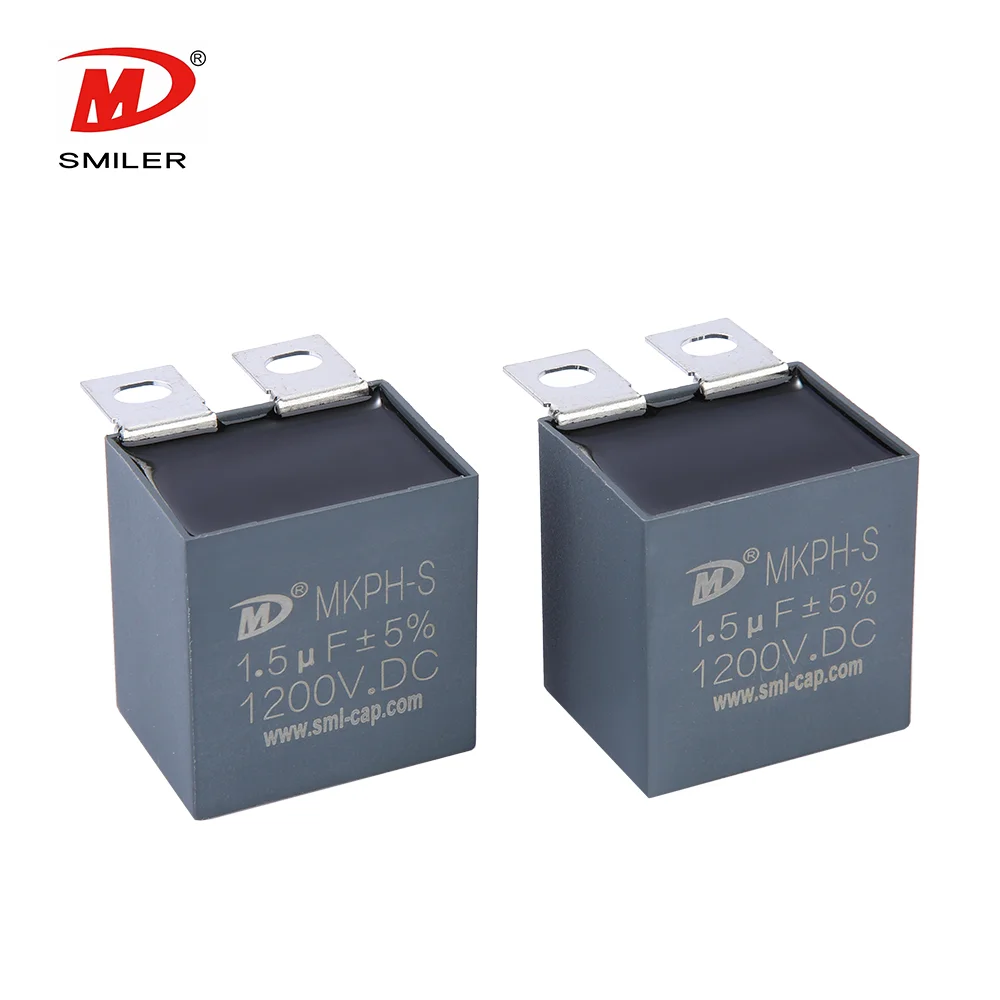
Understanding Snubber Capacitor: RC vs. RCD Snubber Differences
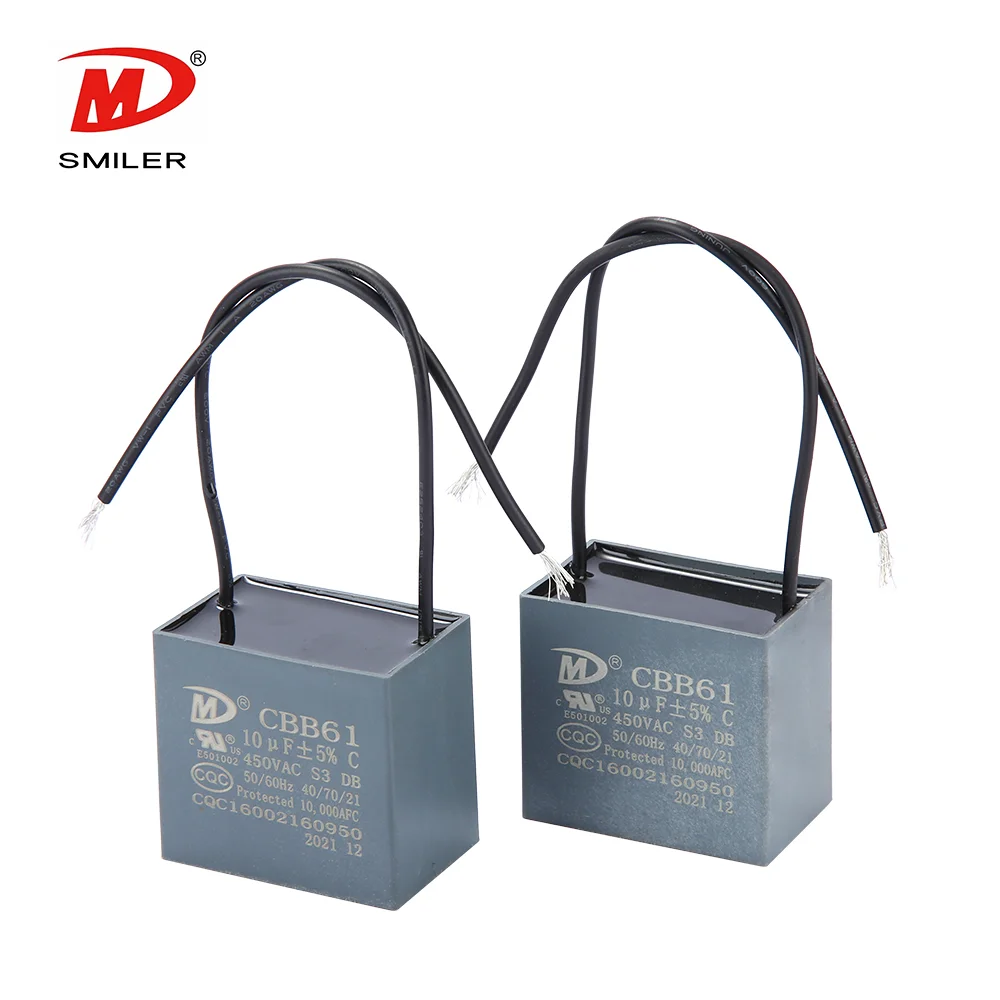
What Does a CBB61 Fan Capacitor Do? Exploring the Role of CBB61 Fan Capacitors
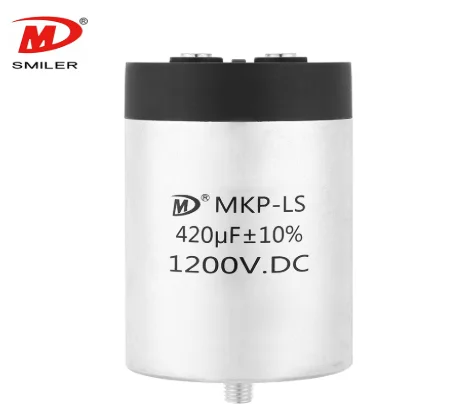
Mastering AC to DC Rectifier with Capacitor Techniques
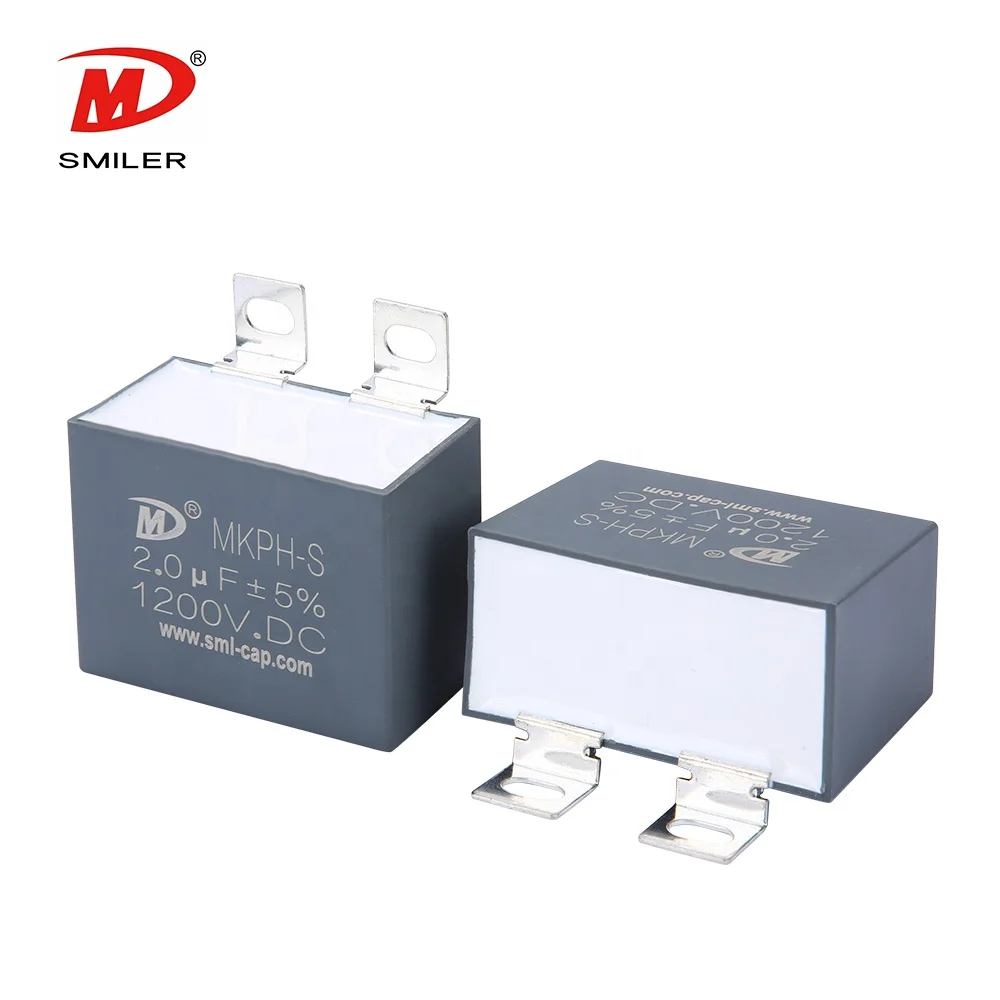
SMILER's Guide to Selecting the Right Snubber Capacitor Type


 Add
Building 12,Huazhi Technology Innovation Center,28 Sanle East Road,Beijiao,Foshan,Guangdong,China
Add
Building 12,Huazhi Technology Innovation Center,28 Sanle East Road,Beijiao,Foshan,Guangdong,China
 Phone
+86 18007576965 / 0757-22391591
Phone
+86 18007576965 / 0757-22391591
 Email
ari@sml-cap.cn
Email
ari@sml-cap.cn



