

When an industrial motor or tough machinery quits out of the blue, a capacitor leaking oil often hides as the real problem. Repair crews need to check for obvious shape changes to spot the trouble fast. A swollen top cover or a gooey, sticky buildup around the connection points shows a broken inner seal. In jobs like water pumps or single-phase motor starts, a bad part makes the motor buzz hard but not turn on at all.
Spotting a capacitor leaking oil right away brings up real safety worries in the work area. Today's inner liquids are way better than old chemical mixes. Still, the spilled stuff can irritate skin and harm the surroundings. Workers have to cut the main power and let out any leftover charge with a drain tool before handling the part. They must use rubber gloves and eye protection when wiping the affected board or motor case to avoid chemical contact.
Electronic parts work in tough spots where nearby warmth quietly breaks them down. In solar setups or steady factory lines, too much heat makes the inside liquid swell quick. This ongoing swell builds pressure inside. In time, it cracks the outside cover and leads to a capacitor leaking oil.
Putting in power much over the set limit speeds up wear on the inner metal sheet and wet paper. Steady power jumps make tiny sparks in the closed case. These sparks form small gas bubbles. They press hard on the tight seals. Soon, the whole build gives way under the strain.
Not every electronic part can take hard factory use. Low-cost ones use weak plastic covers or poor fill seals. If the inner seal does not bend well, the steady shakes from working machines will crack the case over time. This results in a big oil spill that stops normal work.
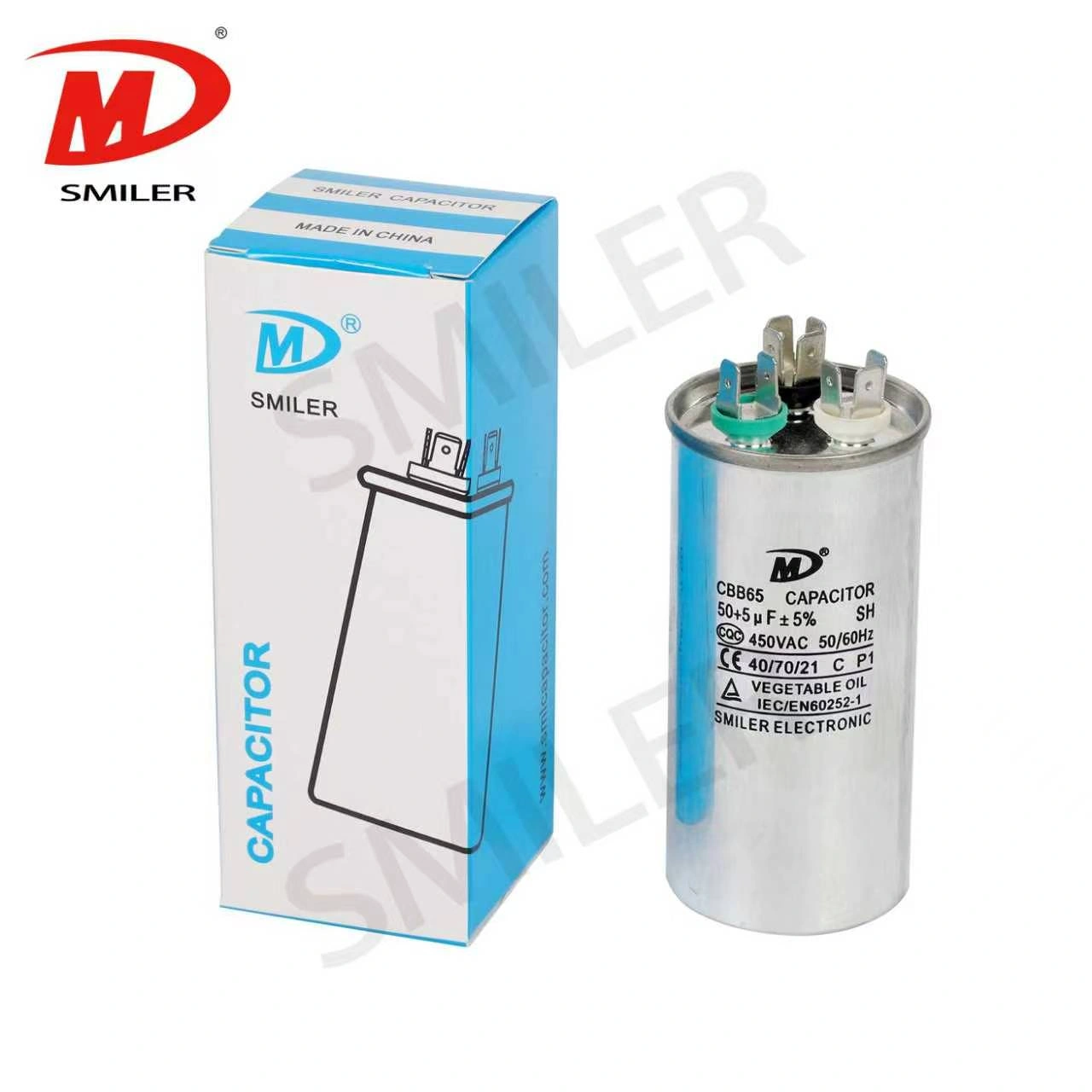
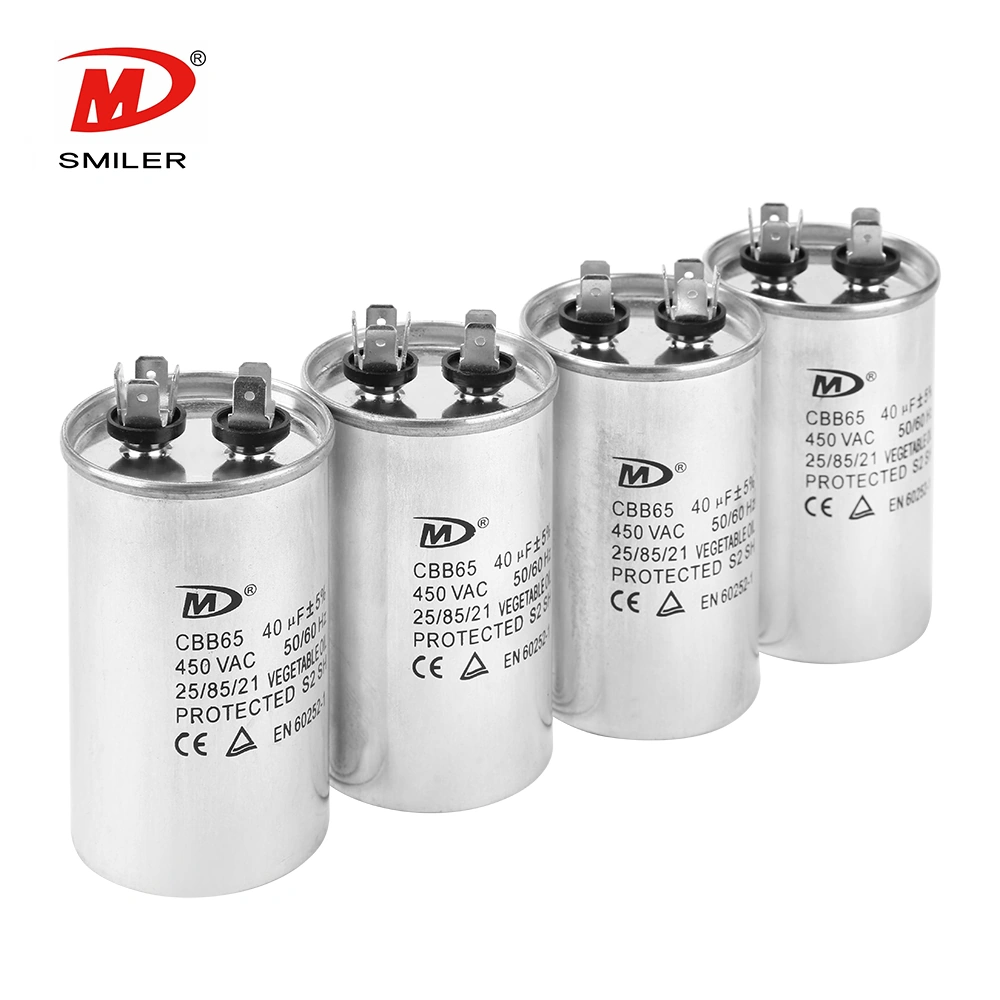
Site bosses sometimes think they can just glue a split case with strong sealant to cut costs. This idea is very risky. Once a capacitor starts leaking oil, it has already lost its key inner liquid. Gluing the outer crack just holds in growing gases. That raises the chance of a big blast. For strong jobs like air conditioners, parts like the CBB65 Capacitor Series Compressor Start Capacitor are vital. This model has a solid aluminum cover and a built-in blast guard. If pressure gets too high, it cuts off safely instead of breaking apart.
Letting a small liquid drip go unchecked leads straight to major breakdowns. A faulty motor on a weak part pulls too much power. This burns the fine motor wires in the end. Swap the bad part right away. It saves big money on lost work time and full motor fixes.
To fix ongoing spill issues for good, buyers need parts built with strong outer protection. Take the CBB60 Capacitor Series AC motor start Capacitor. It uses a tough plastic or metal case with a top solid resin fill at the UL94 V-0 level. This firm fill stops any liquid from getting out. It stands up well to heat and shakes. Switching to these strong fill types gives steady work over years.
Business buyers must get parts from makers with strict check steps. A good factory has test teams that do high-power tests and seal checks before sending out goods. Aim for sellers with a pass rate over 99.93 percent. This keeps every group working right.
Basic store-bought parts often do not fit the heat needs of special green energy setups or made-to-order smart devices. Pick a supplier that gives custom designs with low order minimums. This lets companies get just what their circuits need without extra stock.
Stopping power glitches calls for real know-how in the field. A maker with 15 years in film capacitors and many patents can fix the usual build weak spots. Look at the CD60 Series single-phase motor starting Capacitor. It uses fine aluminum sheet and wet paper layers held by strong asphalt fill. This asphalt fill gives great shake resistance and heat hold. It keeps a high pull at low power safely. SMILER capacitor puts these techs into smooth factory lines.
Big buyers count on solid histories when picking key inner parts. SMILER capacitor has won steady faith from top firms like Home Depot and Midea. They offer top goods and quick help. With a team that gives tech fixes in 24 hours, factory users get the right parts to run smoothly without surprise breaks.
A: The most common visual indicators include a sticky oily residue pooling at the base of the electronic component, a noticeable bulge at the top of the casing, and an unnatural accumulation of dust sticking to the leaked fluid. If the heavy equipment struggles to start or hums loudly without engaging, technicians should inspect the electrical panel for these physical signs immediately.
A: No, operating any machinery with a compromised electronic component is highly dangerous and never recommended. The loss of dielectric fluid reduces the capacitance value, forcing the system motor to pull excess amperage to compensate for the loss. This electrical strain will cause the compressor to overheat and potentially lead to a complete system breakdown or an electrical fire.
A: Premature failures usually stem from continuous electrical voltage overloads, extreme ambient operating temperatures, or inherently substandard manufacturing processes. If the replacement unit lacks proper solid resin filling or a durable outer shell, it simply cannot withstand normal operational stress. Upgrading to highly tested components from reliable manufacturers like SMILER capacitor prevents this early rapid degradation.
A: Electrical safety must be the absolute top priority during any cleanup procedure. First, disconnect all power sources and completely discharge the stored energy using the proper electrical tools. Workers should wear protective gloves and safety glasses. Use high-grade isopropyl alcohol and a small anti-static brush to gently scrub the conductive pathways, ensuring all acidic residue is removed completely to prevent future corrosion.
A: In the vast majority of electrical scenarios, only the faulty component needs replacing, provided the initial leak is caught early by maintenance teams. However, if the leaked fluid has severely corroded surrounding circuitry or if the machine motor ran for extended periods with improper voltage, secondary electrical damage might require much more extensive and costly equipment repairs.
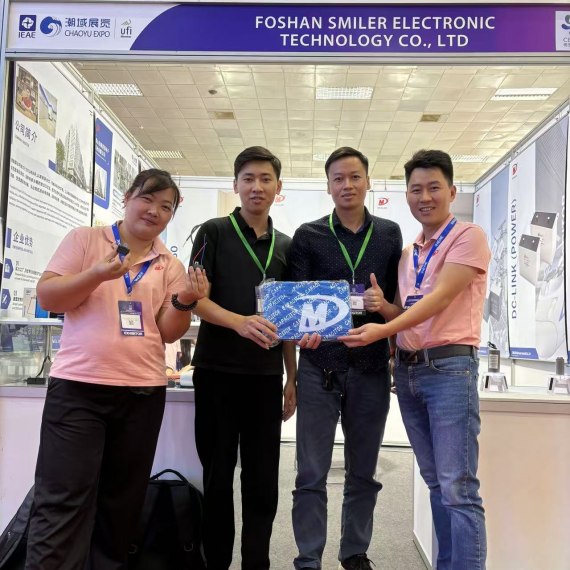
2024 VIETNAM INTERNATIONAL ELECTRONICS & SMART APPLIANCES EXPO
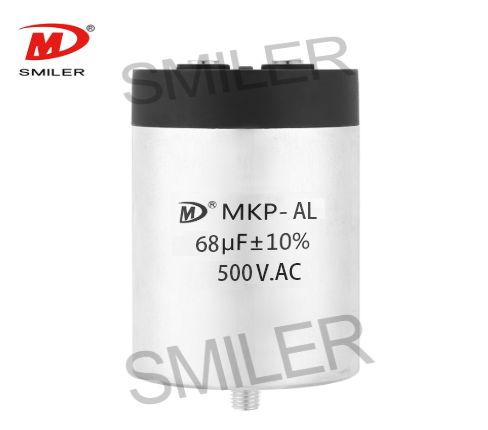
Exploring How AC Capacitors and DC Capacitors Function Differently
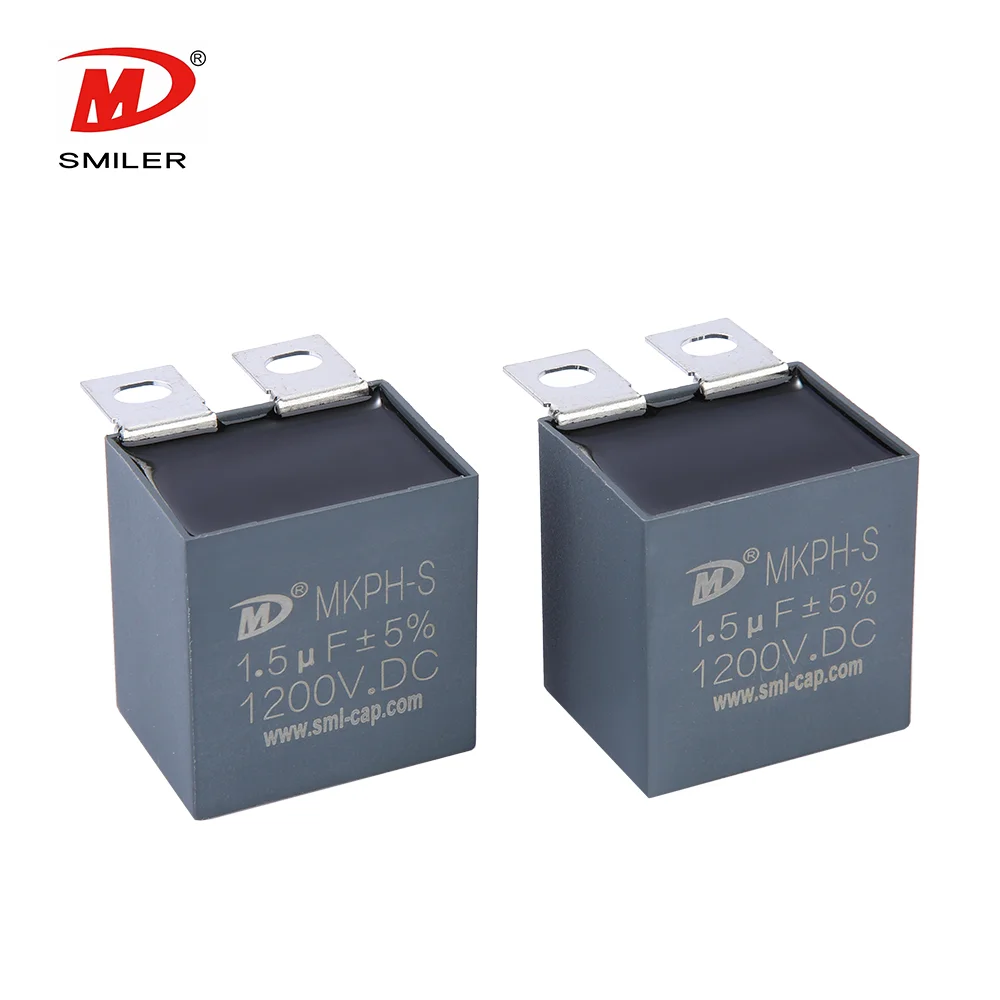
Understanding Snubber Capacitor: RC vs. RCD Snubber Differences
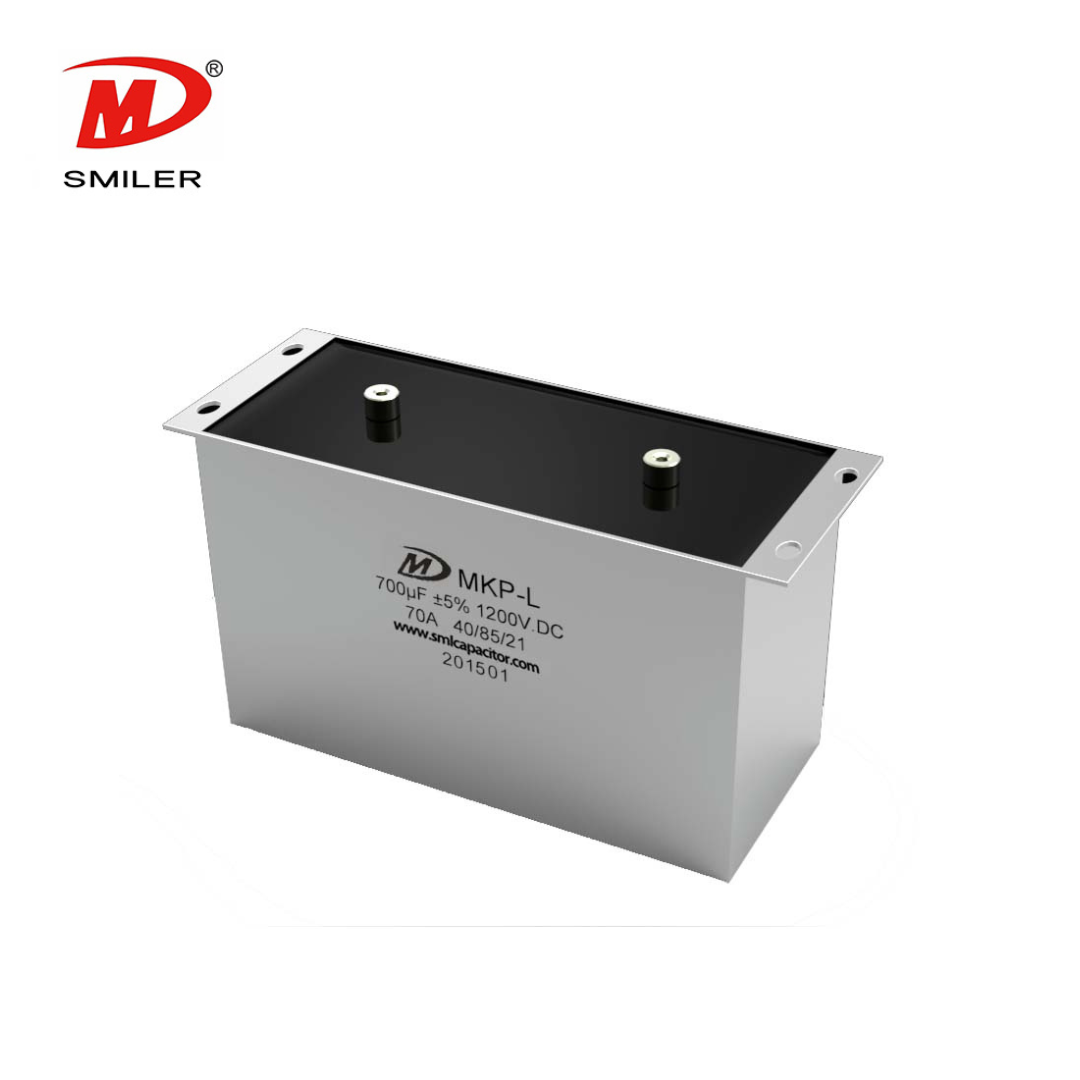
Understanding DC Capacitance to Prevent Converter Oscillations
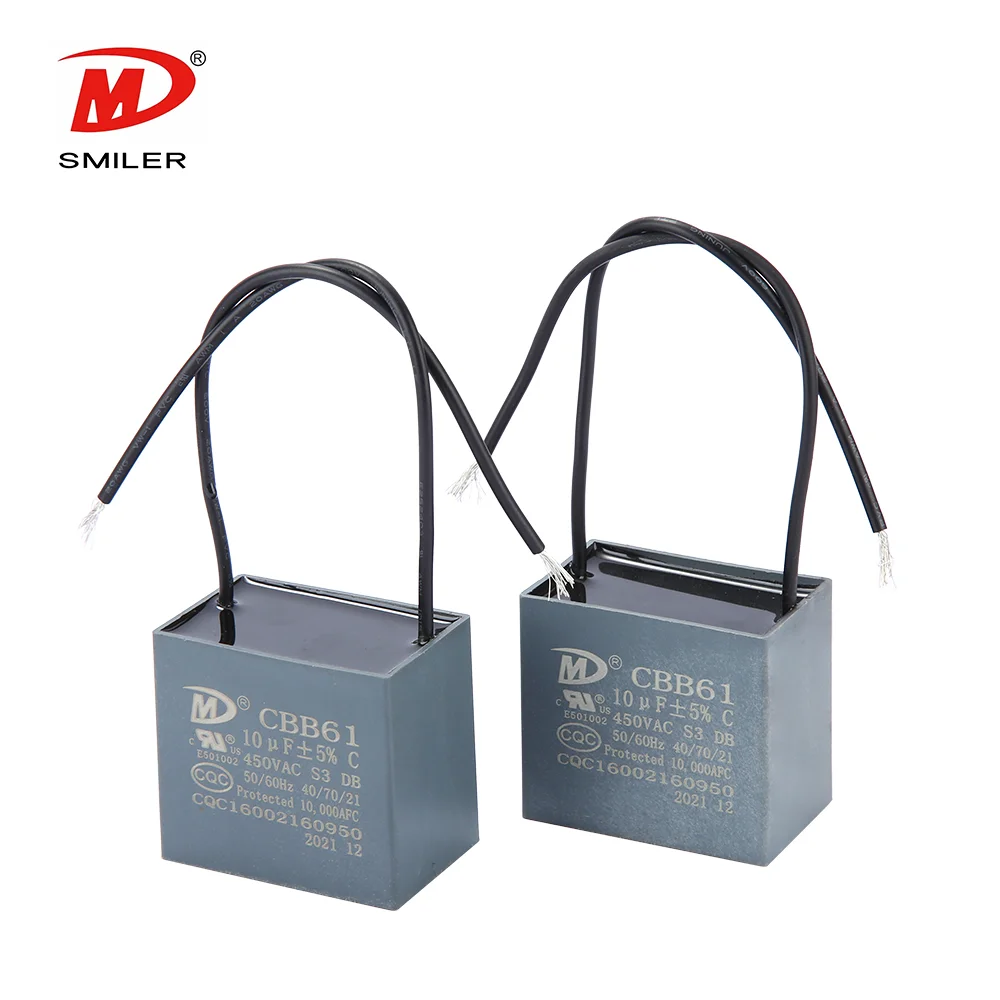
What Does a CBB61 Fan Capacitor Do? Exploring the Role of CBB61 Fan Capacitors


 Add
Building 12,Huazhi Technology Innovation Center,28 Sanle East Road,Beijiao,Foshan,Guangdong,China
Add
Building 12,Huazhi Technology Innovation Center,28 Sanle East Road,Beijiao,Foshan,Guangdong,China
 Phone
+86 18007576965 / 0757-22391591
Phone
+86 18007576965 / 0757-22391591
 Email
ari@sml-cap.cn
Email
ari@sml-cap.cn



