

Electronic devices need steady power. The 10µF capacitor has become a necessary standard in power management circuits. It looks simple. Yet it plays an important part in system stability. It protects sensitive parts from electrical problems. The 10µF capacitor appears in consumer electronics. It also appears in tough industrial control systems. It serves as the main element for voltage smoothing and noise filtration. Its role in power stability design cannot be ignored.
The 10µF capacitor refers to a capacitor with a nominal capacitance of 10 microfarads. In technical documents, this value often appears as "106". The marking means 10 followed by six zeros in picofarads. This specific value offers a good balance. It fits well between physical size and needed energy storage.
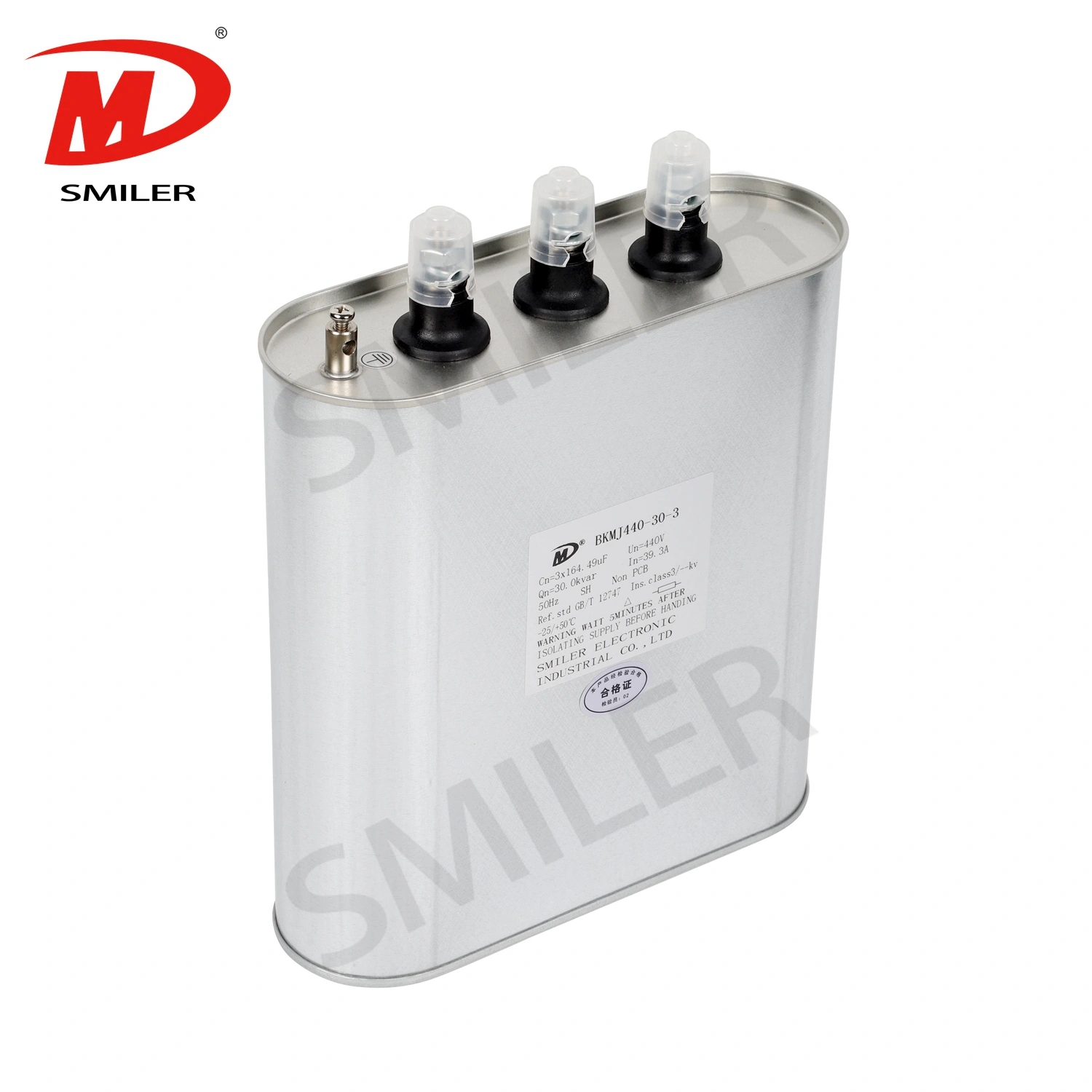
Circuit designs are complex. The 10µF capacitor is popular because it is versatile. It supplies enough capacitance for medium current loads. At the same time, it keeps a small size for dense PCB layouts. SMILER capacitor specializes in film capacitor solutions. The company sees this value as the right choice. It helps engineers manage limited space while handling sudden load changes.
High-frequency demands keep growing. Electronic stability needs have become stricter. SMILER capacitor provides metallized film capacitors for these exact needs. The parts keep power lines clean. They use high-performance dielectrics. These components help systems hold a stable voltage even in dense setups. They do this without adding extra size.
Real power systems are seldom perfect. A microprocessor or motor driver starts a task. Current demand jumps quickly. Without a buffer voltage, ripples appear. These changes can stop a system from working.
The 10µF capacitor acts as a small energy store. It holds a charge during normal times. It releases that charge when demand rises suddenly. This action fills power gaps. The quick response keeps the voltage steady during active use.
The 10µF capacitor gives the right impedance for low to mid frequency stability. SMILER capacitor runs detailed lab tests. These tests improve frequency response. The parts then reduce the typical noise found in modern embedded power supplies.
High-speed digital circuits need protection. Decoupling capacitors provide the main defense against electromagnetic interference. They stop noise from fast switching. This noise cannot reach the power rail or affect other parts.
The 10µF capacitor creates a low impedance path to ground for noise. It directs interference away from sensitive circuits. In industrial settings, motor noise is common. Engineers often choose the CD60 series Single-Phase Motor Starting Capacitor from the SMILER capacitor. This part handles ripple current well and keeps power rails clean.
Good design rarely uses one part alone. Designers pair the 10µF capacitor with smaller ceramic capacitors such as 0.1µF. This combination gives full-spectrum filtering. The small unit manages very high-frequency noise. The 10µF unit handles the wider power environment.
Engineers check ESR and ESL to judge capacitor quality. High ESR creates energy loss as heat. This loss lowers power supply efficiency. Quality parts reduce these losses. They support stable operation over time.
Temperature and DC bias can change capacitance. High-quality customized film capacitors resist these shifts. They keep a steady 10µF value across wide temperature ranges. This consistency matters for reliability in outdoor or industrial use.
The choice of dielectric affects system lifespan. Superior film dielectrics resist sudden failure better than electrolytic types. They offer self-healing ability. This feature is vital for important applications.
Consumer devices use the 10µF capacitor for smoothing. It works with voltage regulators and converters. This ensures chipsets receive steady current without ripples.
Industrial automation needs these capacitors. They manage surge currents in servo systems. Suppliers like SMILER capacitor build them for harsh conditions. The parts deliver strength for continuous motor control.
The 10µF capacitors also support signal coupling. They stabilize voltage references in precise instruments. Small voltage changes could otherwise affect measurement accuracy.
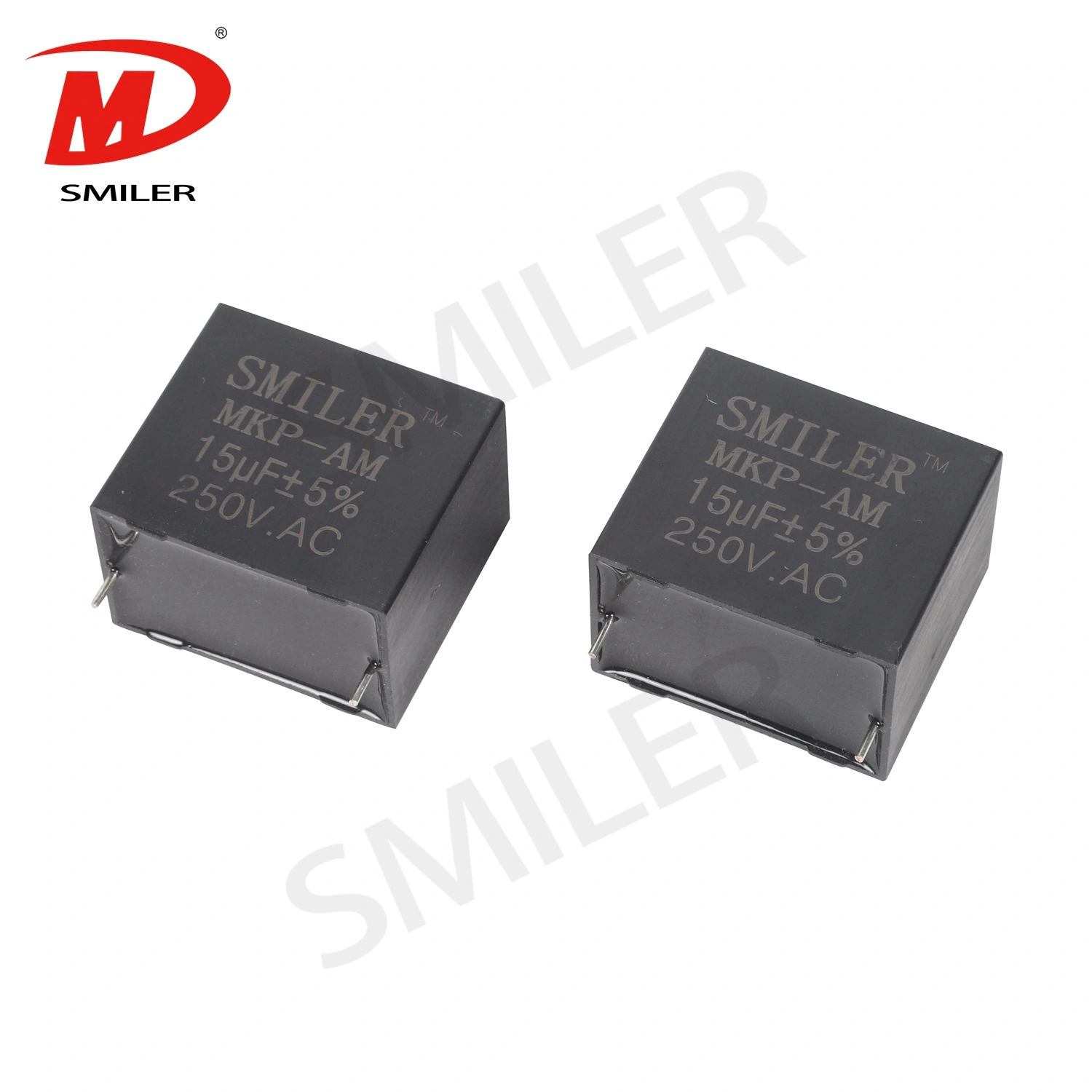
Engineers look at more than capacitance value. They examine voltage rating, ESR traits, and lifetime data. These details show true performance.
Mass production cannot tolerate variation. SMILER capacitor uses automated lines for consistent output. This approach cuts board failures. It also simplifies quality checks for large-volume manufacturers.
A good supplier acts as a reliable partner. Top suppliers bring 15 years of film capacitor experience. They follow ISO lab standards. This support confirms the chosen 10µF capacitor will work throughout the product life.
A: The capacitor near the pins supplies instant local energy storage. It stops sudden voltage drops during current spikes. This keeps constant power for the circuit.
A: Low ESR capacitors cut heat in high-frequency use. They improve efficiency. The part may cost more at first. However, longer system life and better energy savings give strong returns over time.
A: A higher voltage rating is recommended. Engineers often use a 1.5 times safety margin above the circuit maximum. This improves reliability and guards against unexpected surges.
A: Different values work together. A 10µF capacitor handles mid-frequency stability. A smaller unit manages high-frequency noise. The combination creates wider frequency coverage and better filtering.
A: Poor parts show high leakage current. They suffer from unstable temperature performance. Their ESR worsens with time. These issues create power ripple, EMI problems, and early system failure.
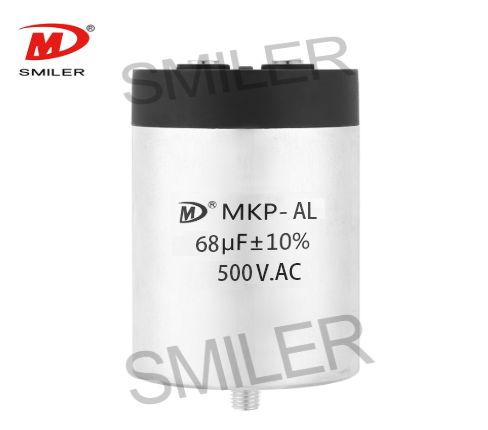
Exploring How AC Capacitors and DC Capacitors Function Differently
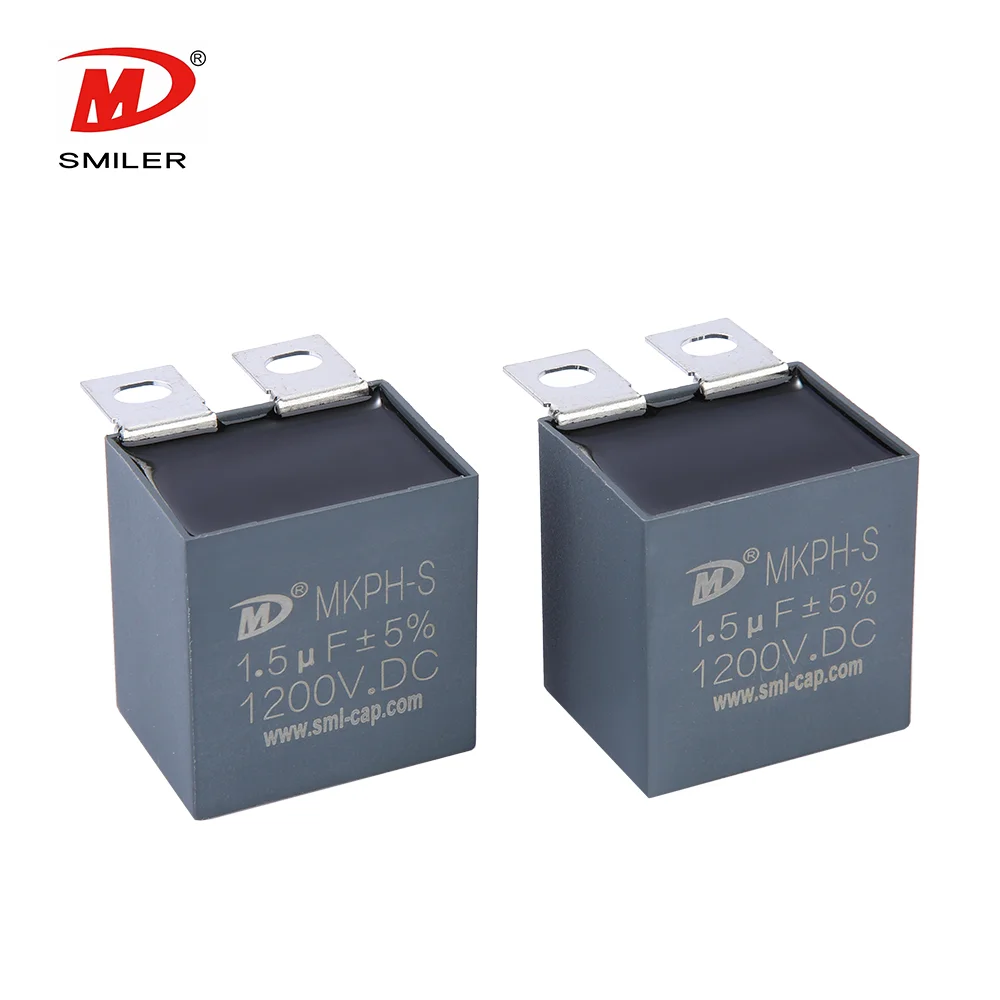
Understanding Snubber Capacitor: RC vs. RCD Snubber Differences
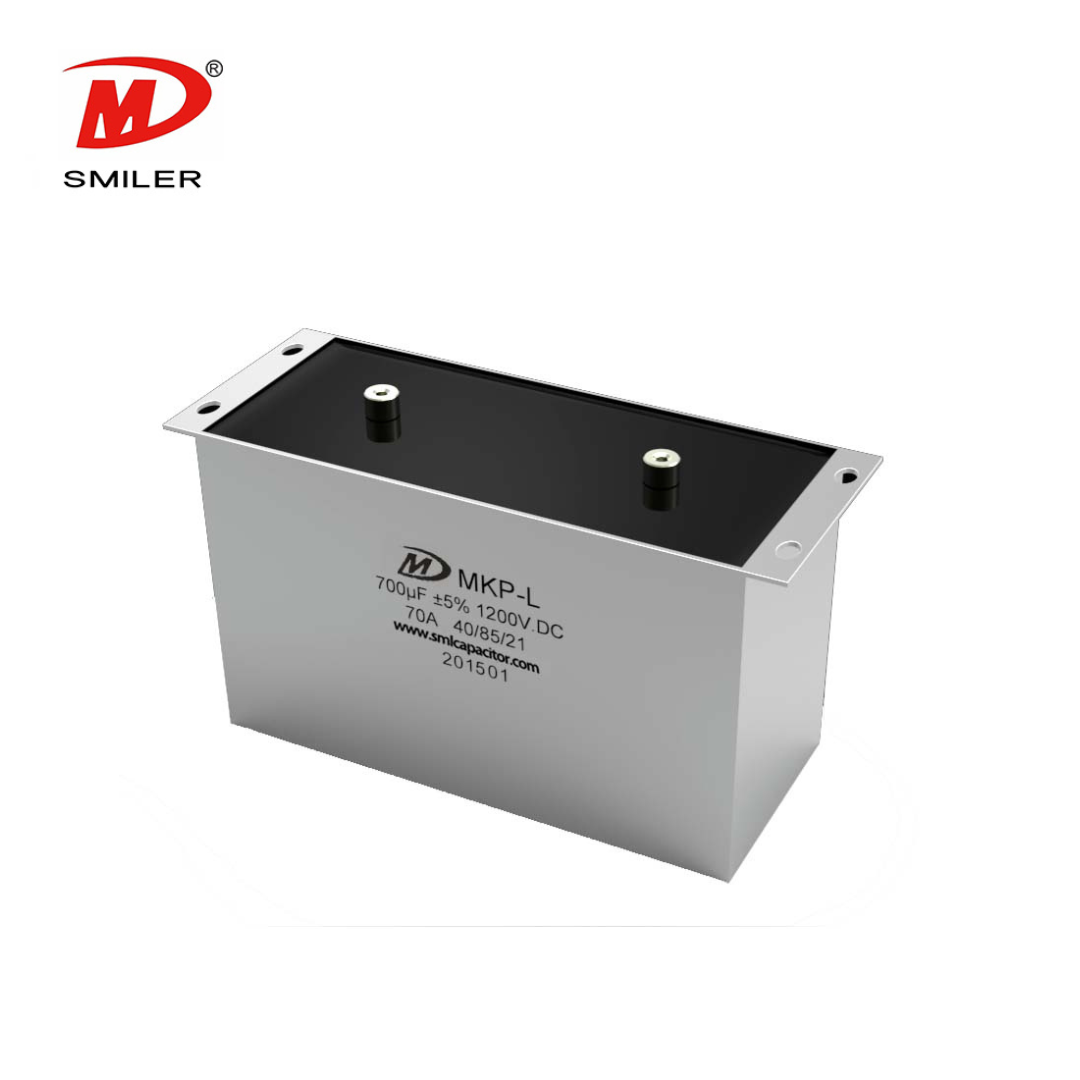
Understanding DC Capacitance to Prevent Converter Oscillations
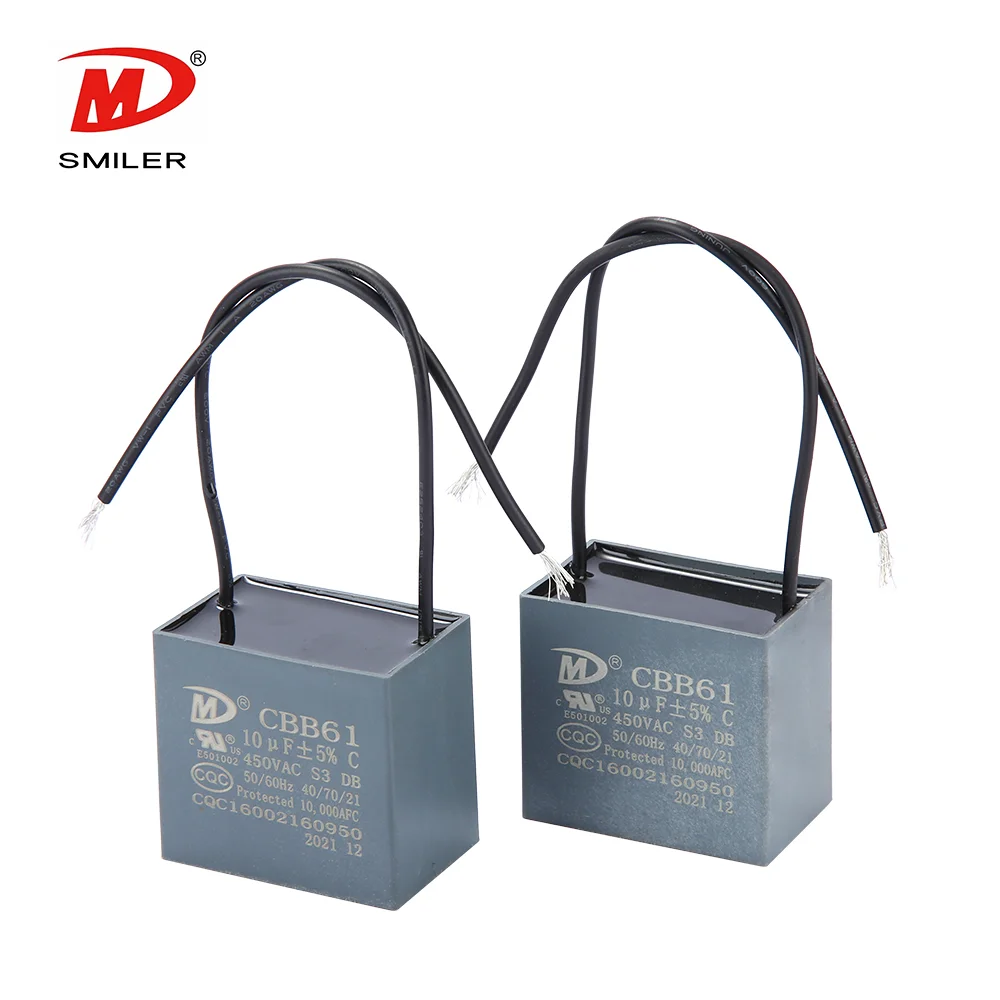
What Does a CBB61 Fan Capacitor Do? Exploring the Role of CBB61 Fan Capacitors
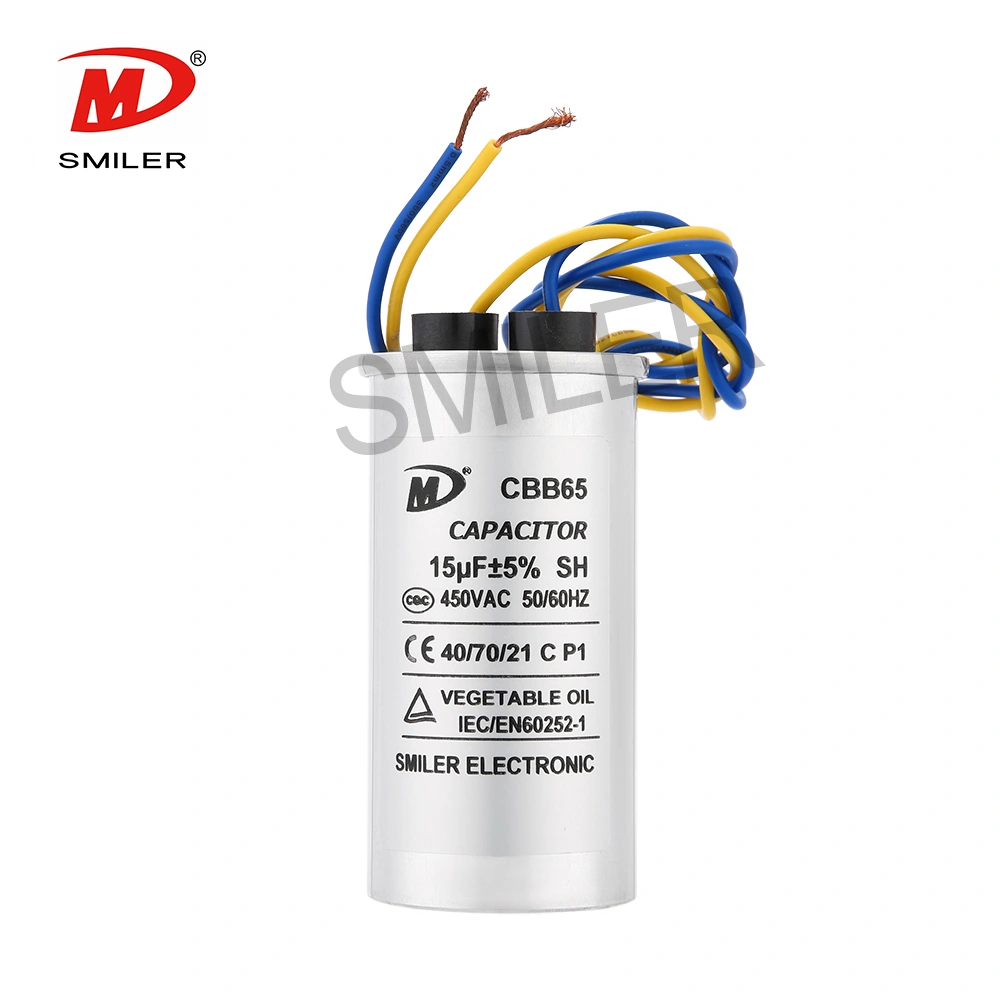
Capacitor ESR Impact on Low Pass Filter Performance


 Add
Building 12,Huazhi Technology Innovation Center,28 Sanle East Road,Beijiao,Foshan,Guangdong,China
Add
Building 12,Huazhi Technology Innovation Center,28 Sanle East Road,Beijiao,Foshan,Guangdong,China
 Phone
+86 18007576965 / 0757-22391591
Phone
+86 18007576965 / 0757-22391591
 Email
ari@sml-cap.cn
Email
ari@sml-cap.cn



