

The AC capacitor acts as a short-term booster battery for your cooling system. It stores and releases the massive electrical charges required to jumpstart the compressor and condenser fan. Since residential grids cannot deliver this instantaneous torque, a functional HVAC capacitor is vital. Without it, your AC system's compressor remains stationary, halting the cooling cycle completely.
A greasy substance near your outdoor unit is often misdiagnosed as refrigerant oil. In reality, it's the dielectric fluid from the capacitor's metal casing. A capacitor leaking fluid sindicates an internal short circuit or intense thermal breakdown. Gas buildup warps internal structures and breaches the seals, signaling catastrophic internal failure where the component can no longer store electricity safely.
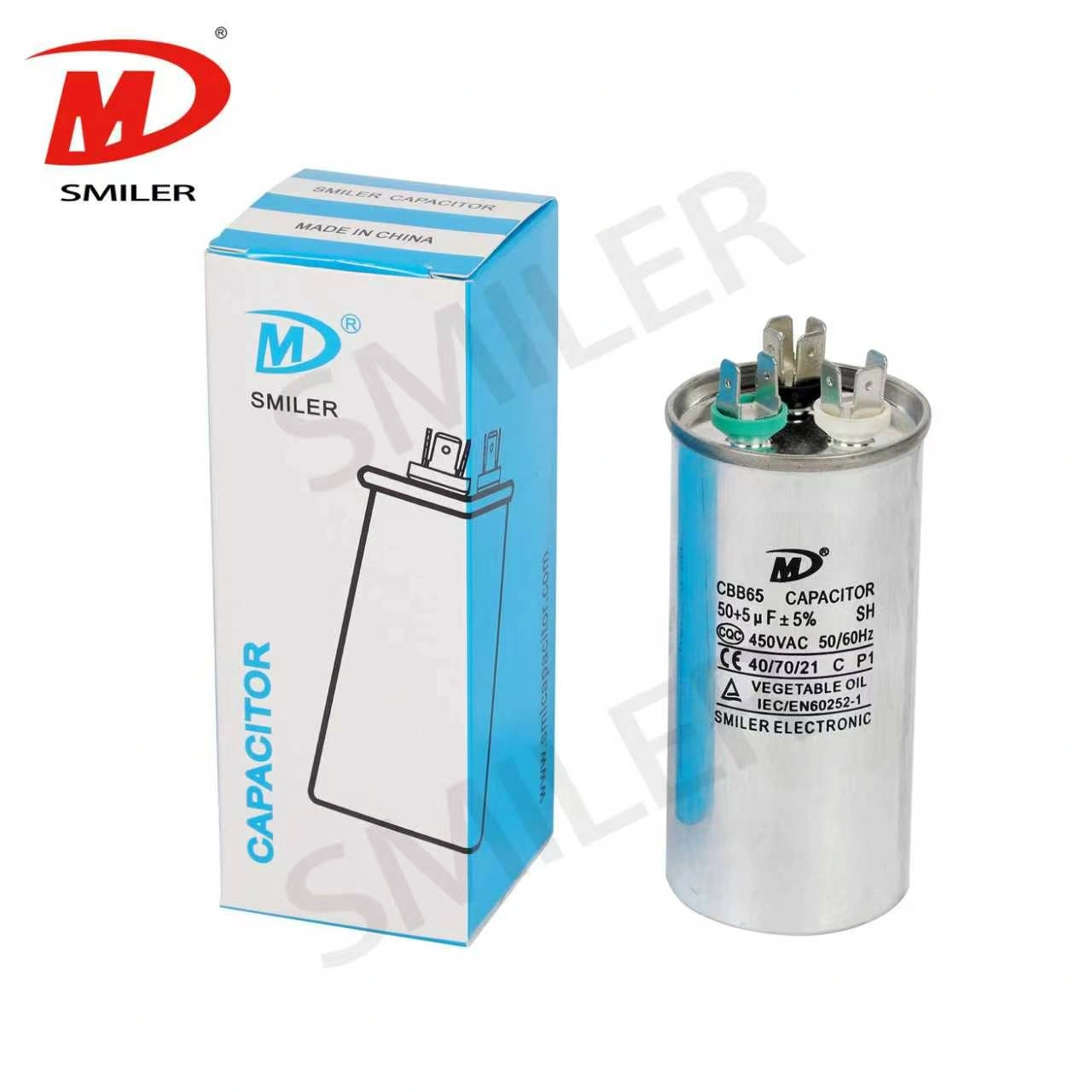
A proper capacitor leaking oil diagnosis starts with visual inspection. A healthy capacitor has a flat top. A failing AC capacitor will exhibit a swollen or bulging top cover. In advanced stages, internal pressure pushes fluid past the terminal rivets, leaving noticeable oily rings, rust patches, or a viscous film on the aluminum housing.
Beyond structural damage, a weakening capacitor causes erratic behavior. Your AC system might click repeatedly trying to start, or experience delays where vents blow warm air. Drawing from 15 years of film capacitor expertise, SMILER capacitor designs premium CBB65 Capacitor dual-run capacitors with heavy-duty metallized film to explicitly counteract these torque losses, preventing compressor stalls during sudden voltage drops.
Early indicators of HVAC capacitor failure are often ignored. A rhythmic humming from the outdoor condenser means the motor receives voltage but lacks the torque to spin. Additionally, frequent circuit breaker trips when the cooling cycle starts indicate the system is drawing dangerous current spikes due to a malfunctioning capacitor.
Thermal stress is the primary catalyst for HVAC capacitor failure. During summer, temperatures inside an unshaded AC unit can surpass 130°F. This heat accelerates the chemical degradation of the internal film and thins the insulating fluid, increasing vapor pressure until the fluid forces its way out.
Unstable grids and power surges place a massive burden on the micro-thin dielectric layers. While top-tier components have self-healing capabilities, continuous voltage spikes eventually bridge the insulation permanently. This causes localized melting, gas generation, and a physical capacitor leaking oil scenario.
Capacitors suffer standard wear over time. Years of expanding and contracting during start-stop cycles fatigue the seals. To minimize premature material fatigue, SMILER capacitor utilizes advanced automated production lines ensuring uniform film winding tension. Maintaining an industry-leading product qualification rate above 99.93%, these processes ensure internal elements resist breakdown far longer than standard aftermarket options.
Running a system with a leaking capacitor places expensive components at extreme risk. Without sufficient starting torque, the compressor enters a "locked rotor" state. It draws excessive current while standing still, generating massive internal heat that degrades motor winding insulation and reduces cooling efficiency.
A leaking capacitor introduces severe electrical hazards. Escaped synthetic oil coats nearby contactors and wires, attracting conductive debris that causes short circuits. Ignoring a visibly degraded component can escalate a low-cost maintenance issue into a severe electrical fire inside the control panel.
If AC failure troubleshooting reveals an active leak with a burning plastic smell, or if the unit hums without spinning the fan, immediate shutdown is mandatory. Instantly flip the HVAC disconnect switch or turn off the system at the main breaker panel to prevent complete compressor burnout.
An initial capacitor leaking oil diagnosis requires minimal tools. After completely disconnecting power, remove the condenser's access panel. Inspect the terminal deck; any upward bulge, distorted posts, or pooling amber fluid indicates the internal safety mechanisms have deployed and the component is dead.
Observe your AC unit's operation. If the outdoor fan spins freely when pushed with a stick but fails to start automatically, its dedicated run capacitor has failed. Similarly, if the fan runs but the compressor just clicks every two minutes, the compressor's electrical boost pathway is broken.
While visual checks provide clues, confirming component health requires a digital multimeter. Because capacitors hold dangerous residual voltages even when disconnected, homeowners should leave multi-meter testing to certified technicians to safely verify if the microfarad output has dropped below acceptable thresholds.
Safety is the priority when dealing with a compromised AC system. Always turn off circuit breakers before opening service panels. A leaking capacitor retains lethal charges hours after power is severed; never touch terminals with bare hands or uninsulated tools until safely discharged.
Once the internal dielectric fluid leaks, a capacitor is unrepairable. The fluid loss permanently alters dielectric strength, making replacement the only option. Fortunately, replacing a faulty capacitor is an affordable, straightforward step in AC failure troubleshooting, restoring system integrity before permanent damage occurs to costly motor windings.
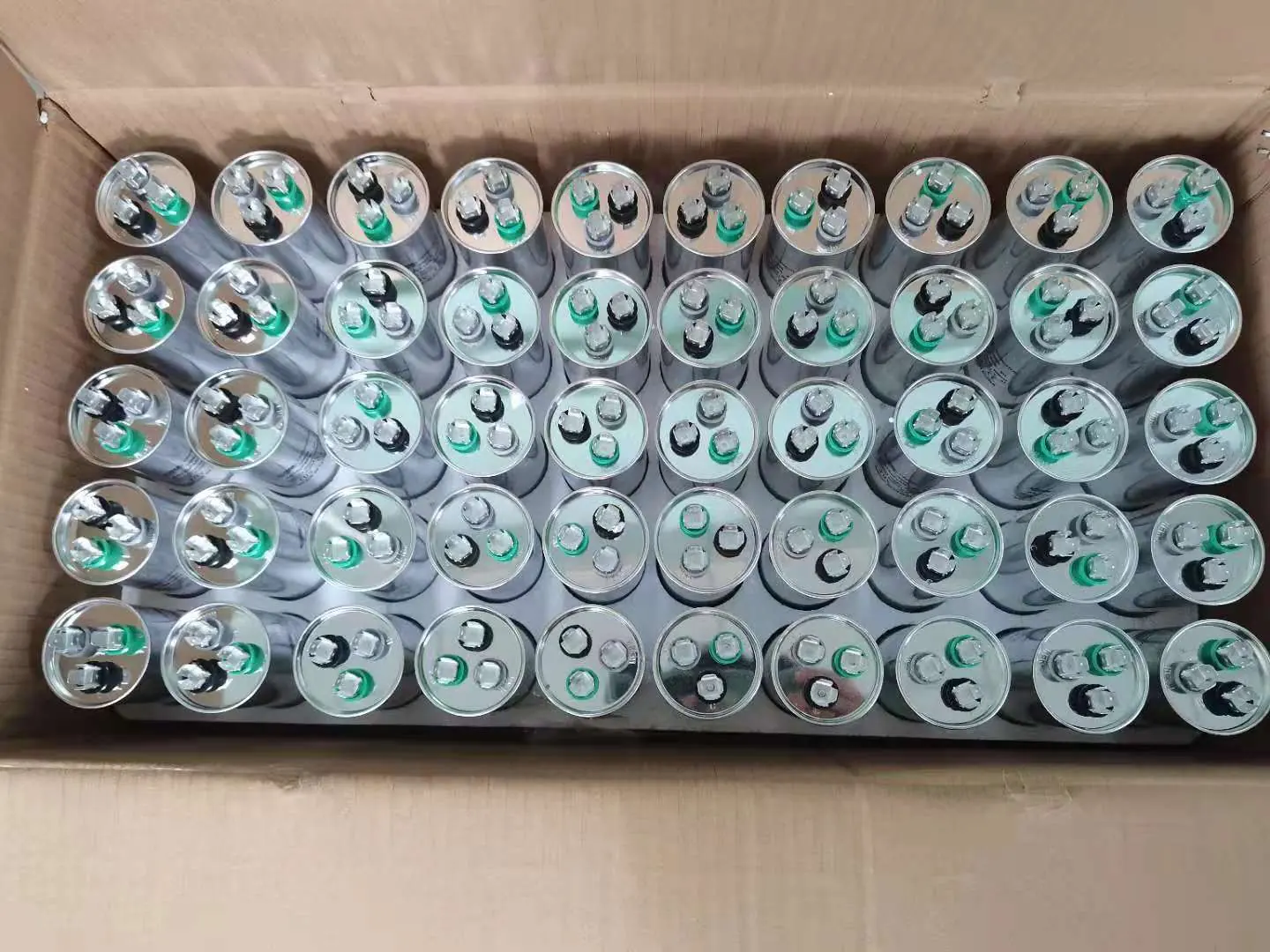
To prevent future disruptions, include component checks in your annual maintenance. When replacing, upgrading to an industrial-grade component ensures reliability. SMILER capacitor's robust CBB65 compressor capacitors feature an integrated anti-explosion device. If gas pressure rises due to extreme heat, the top cover deflects upward, snapping internal wires and safely removing the capacitor from the circuit before a violent rupture or oil leak occurs.
A: Stop the cooling system immediately and shut off the main breaker. Because a leaking capacitor stores dangerous voltage and the fluid causes short circuits, don't wipe it or touch the wiring. Contact an HVAC technician for a safe capacitor, leaking oil diagnosis, and replacement.
A: Yes. Without correct electrical assistance, the compressor motor stalls and rapidly overheats trying to start. Upgrading to a premium SMILER capacitor CBB65 dual-run capacitor provides robust thermal protection, shielding the compressor from the dangers of continuous hard-starting.
A: Extreme temperatures cause internal oil and gases to expand rapidly. If internal pressure surpasses the rubber seals' thresholds, the cover expands outward, leading to bulging and capacitor leaking. Using components engineered with high-purity materials mitigates this common HVAC capacitor failure.
A: A ruptured capacitor leaves physical evidence like a bloated top or a greasy puddle, accompanied by a humming motor. A dead compressor shows no deformation but trips the circuit breaker instantly. A technician isolates the cause via a digital capacitor leaking oil diagnosis.
Q: What is the lifespan of a high-grade AC capacitor before performance drops?
A: It delivers 5 to 10 years of service, depending on climate and grid stability. To maximize uptime, choose manufacturers with strict quality parameters. SMILER capacitor's dedicated quality assurance team maintains a 99.93% qualification rate, ensuring capacitors endure cyclic loads without premature structural breakdown or fluid leaks.
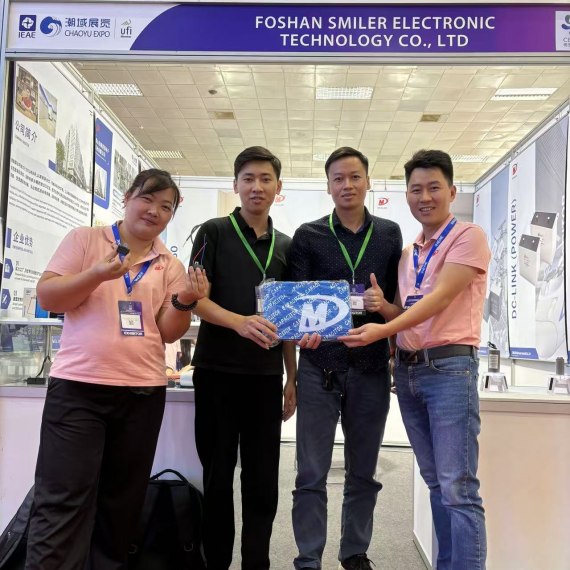
2024 VIETNAM INTERNATIONAL ELECTRONICS & SMART APPLIANCES EXPO
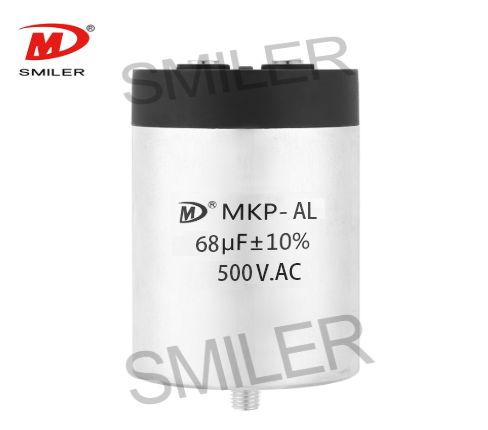
Exploring How AC Capacitors and DC Capacitors Function Differently
Understanding Snubber Capacitor: RC vs. RCD Snubber Differences
Understanding DC Capacitance to Prevent Converter Oscillations
What Does a CBB61 Fan Capacitor Do? Exploring the Role of CBB61 Fan Capacitors


 Add
Building 12,Huazhi Technology Innovation Center,28 Sanle East Road,Beijiao,Foshan,Guangdong,China
Add
Building 12,Huazhi Technology Innovation Center,28 Sanle East Road,Beijiao,Foshan,Guangdong,China
 Phone
+86 18007576965 / 0757-22391591
Phone
+86 18007576965 / 0757-22391591
 Email
ari@sml-cap.cn
Email
ari@sml-cap.cn



