

A ceiling fan capacitor serves as a key electrical part. It creates the needed phase shift and starting torque for an AC motor. This helps the motor begin turning and continue operating without trouble. With tighter global energy rules coming in 2026, the focus on saving power has changed how people judge motor performance. In this setting, the capacitor goes beyond a simple replacement item. It now acts as the center of a fan's energy control system. Good capacitors let motors use less power while still producing strong airflow. For this reason, choosing them with care has become very important for appliance makers, worldwide distributors, and service engineers.
Buyers and technicians often find the wiring setup to be the most difficult part when they pick a ceiling fan capacitor. The number of wires decides how well the fan motor can control its speeds. Making a mistake here can damage the equipment.
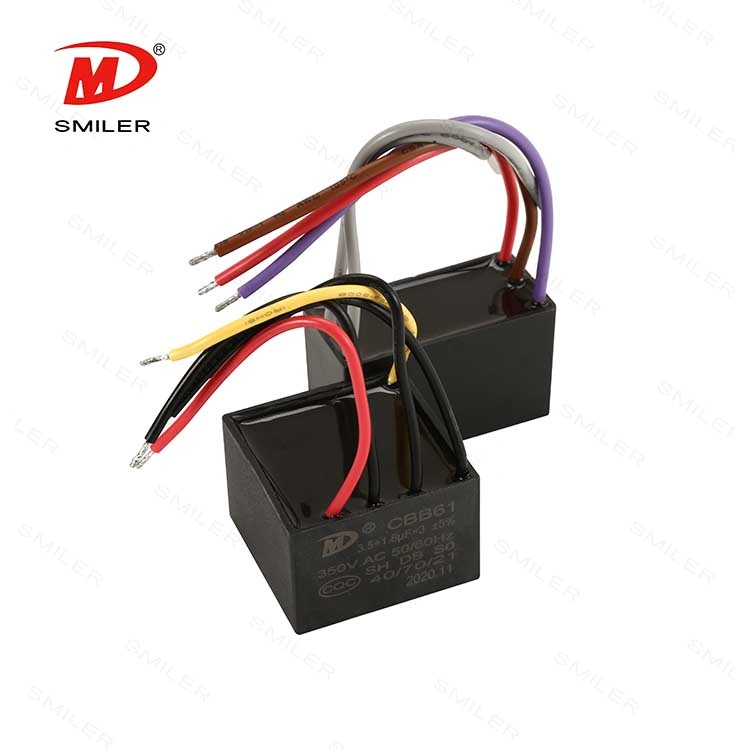
A 2-wire ceiling fan capacitor has the most basic design. It holds just one capacitor unit inside its case. People mainly use this type for single-speed fans or as a separate starting part. The 3-wire version contains two capacitors that have different microfarad values. These share one common wire. This setup lets the motor change between two separate speeds. For simple home use or basic exhaust systems, these setups provide easy installation and dependable performance over a long period.
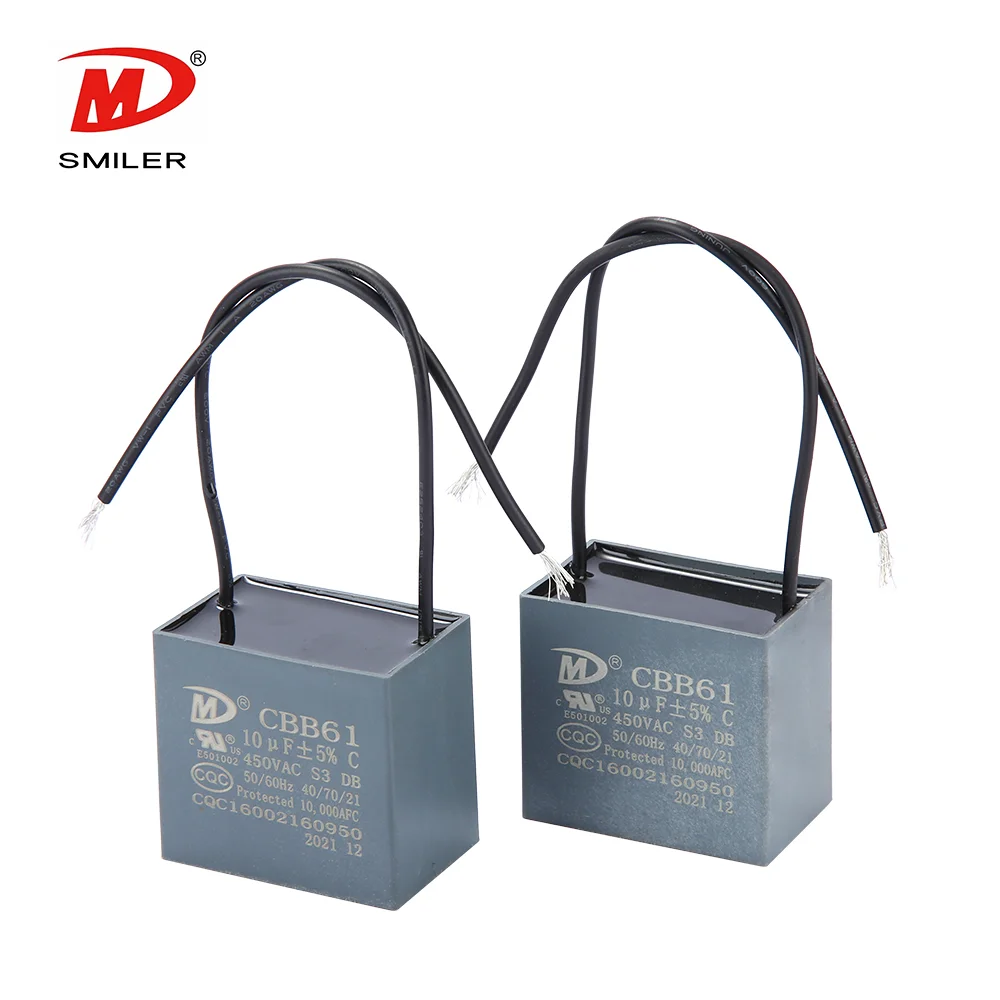
Today's home and business fans usually come with three or four speed options. These fans need a 4-wire or 5-wire ceiling fan capacitor. Such advanced parts hold several capacitor elements together in one unit. A pull chain or a smart remote can connect to different combinations. As a result, the total capacitance shifts. This change lets the fan move smoothly from low speed to high speed. For this kind of detailed speed adjustment, the CBB61 Capacitor series ceiling fan capacitor from SMILER capacitor stands out as a strong choice. These units come with exact microfarad matching on their multiple wires. The careful design makes sure that shifts between speed levels happen without sudden stops. This avoids the electrical problems that often appear in lower-cost options.
For B2B buyers and appliance brands, picking the wrong details can create large numbers of product returns and possible safety issues. Checking the technical details becomes necessary before any large purchase.
The microfarad (µF) rating shows how much energy the capacitor can hold. If someone selects a capacitor with a µF rating that is too low, the fan will turn slowly. On the other hand, a rating that runs too high will send extra current into the motor. This extra flow can create strong heat and may finally cause the motor to fail. In addition, the voltage rating usually falls between 250VAC and 450VAC. It must match or go above the original requirement. Putting a 250V part into a system built for a 450V load will likely break the dielectric material right away.
Past the basic numbers, the actual build of the ceiling fan capacitor controls how long it will last in use. Top units employ metallized polypropylene film that offers special self-healing features. When a small power surge leads to a limited fault, the film clears the area around the problem. This action stops a major short circuit from happening. The CBB61 ceiling fan capacitors made by SMILER capacitor show this high standard clearly. They use strong plastic cases filled with flame-retardant epoxy resin. This particular structure gives excellent protection against moisture. It also supports safe operation. As a result, the capacitor keeps steady performance even when temperatures rise to high levels.
Teaching buyers about hardware problems does more than help with on-site fixes. It also increases interest in better replacement parts for the aftermarket.
One clear sign of a failing ceiling fan capacitor appears when the fan blades move very little, even on the highest setting. Sometimes the fan needs a light push by hand before it begins to spin. Many users also hear a steady electrical humming or buzzing sound coming from the motor area. This noise happens because the motor receives power but does not get the right phase shift. Without that shift, it cannot overcome the starting resistance.
People do not need to throw away a complete fan that costs several hundred dollars. Replacing the worn part brings the unit back to full working order for much less money. For distributors, providing these durable capacitors as upgrade choices helps create strong confidence with local contractors and repair teams. These professionals often value steady performance more than the lowest price available.
In a crowded market for electrical parts, technical details cover only part of the decision. The strength of the supply chain and the skill shown in manufacturing decide success over many years.
Many engineering jobs call for special wire lengths, different terminal connectors, or custom mounting supports. A good manufacturer should meet these requests without asking for very large initial orders. Working with a supplier like SMILER capacitor gives access to made-to-order solutions. The company offers a flexible low MOQ policy. This approach lets businesses try new designs in the market without locking up too much working money.
Steady results matter a great deal during bulk buying. Buyers want a manufacturer that holds solid industry approvals. Examples include 15 years of experience with film capacitors and a product qualification rate that stays above 99.93%. When large Fortune Global 500 companies choose to trust the supplier, this fact says much about their modern automated production lines. Quick replies also play an important role. SMILER capacitor follows a high standard by answering within 24 hours. The team often sends early technical suggestions on the same day. This speed keeps manufacturing timelines moving forward without delays.
A: You need to check the label on the original component to find the exact microfarad (µF) rating, the voltage (VAC), and the number of wires. The new replacement must match the µF values exactly and have an equal or higher voltage rating to ensure safe operation.
A: The most frequent causes include severe power surges, prolonged exposure to extreme motor heat, and the natural degradation of the internal dielectric film over time. Using components with poor outer sealing can also allow moisture to accelerate this internal breakdown.
A: Yes, selecting a replacement with a higher voltage rating is completely safe and often provides a longer lifespan because it handles unexpected voltage spikes more effectively. However, a lower voltage rating should never be used under any circumstances.
A: Wire colors often vary significantly between different brands and older fan models. Rather than relying on color alone, it is crucial to match the specific microfarad values printed on the casing to the corresponding wires connected to the fan's internal speed control switch.
A: It is strongly advised against making this switch. A 5-wire unit controls the motor speeds through a different electrical pathway than a 4-wire version. Interchanging them will result in lost speed settings or improper motor function, so always replace with the exact same wire configuration.
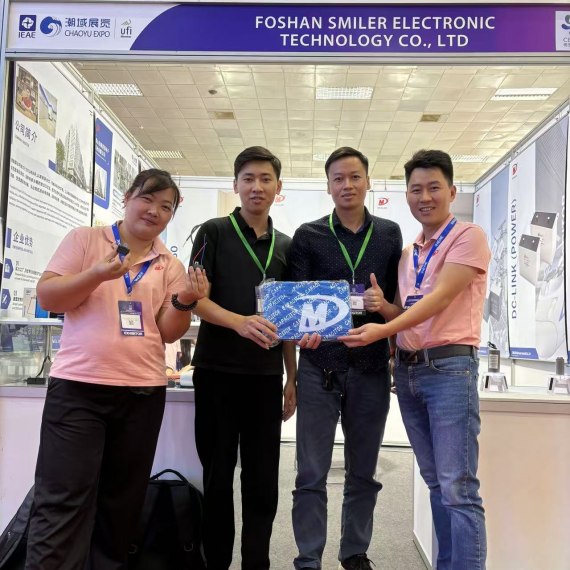
2024 VIETNAM INTERNATIONAL ELECTRONICS & SMART APPLIANCES EXPO
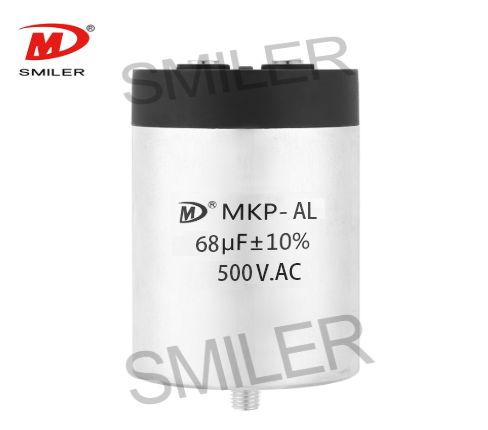
Exploring How AC Capacitors and DC Capacitors Function Differently
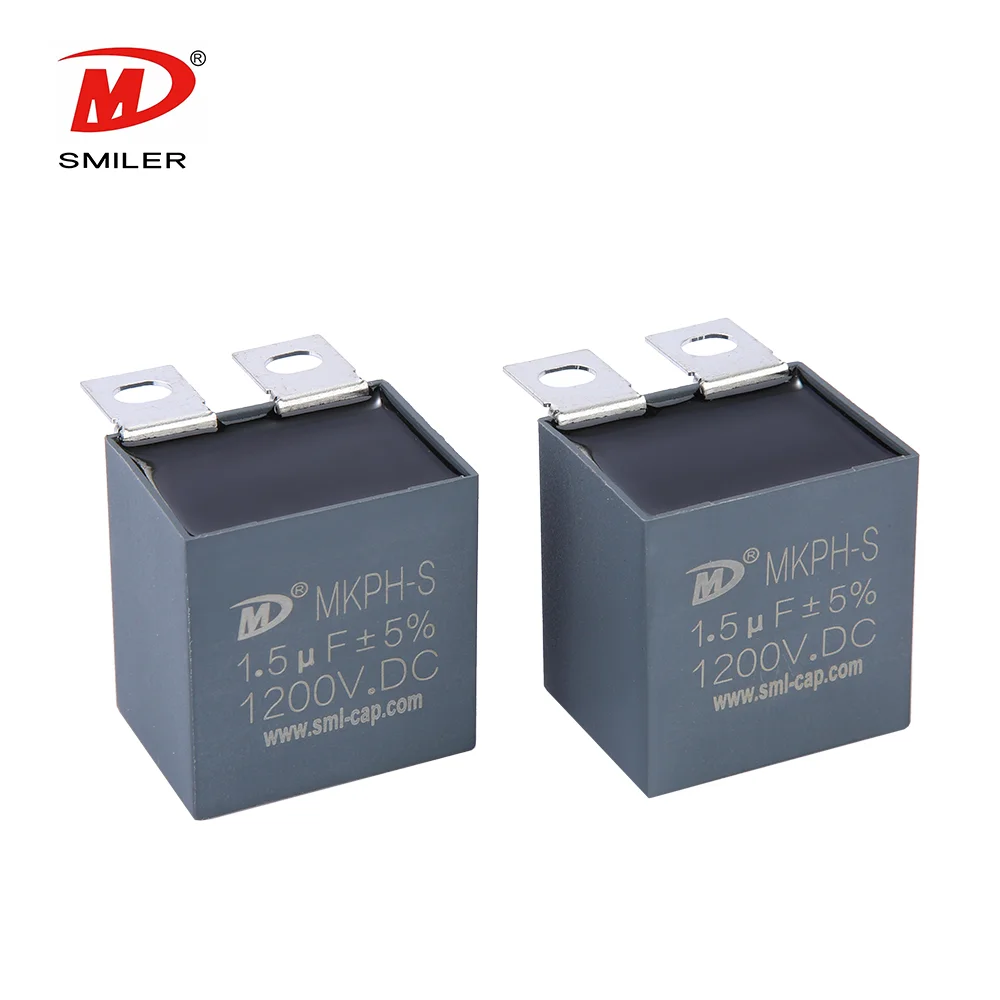
Understanding Snubber Capacitor: RC vs. RCD Snubber Differences
Understanding DC Capacitance to Prevent Converter Oscillations
What Does a CBB61 Fan Capacitor Do? Exploring the Role of CBB61 Fan Capacitors


 Add
Building 12,Huazhi Technology Innovation Center,28 Sanle East Road,Beijiao,Foshan,Guangdong,China
Add
Building 12,Huazhi Technology Innovation Center,28 Sanle East Road,Beijiao,Foshan,Guangdong,China
 Phone
+86 18007576965 / 0757-22391591
Phone
+86 18007576965 / 0757-22391591
 Email
ari@sml-cap.cn
Email
ari@sml-cap.cn



