

In an AC-DC power supply setup, capacitors act as key parts for storing energy, filtering, and keeping the DC bus voltage steady. But in real engineering work, these capacitors often fail first on the power board. If you pick the wrong type early in design, it causes bad ripple current heat. It also shortens the gear's working life. In the end, companies face high repair costs later. For key jobs like factory automation, solar power setups, and EV charging stations, you need to know the basic gaps between film capacitors and electrolytic capacitors. This is the first step to building a reliable power system with no upkeep.
Engineers need to break down the build and materials of these parts to see how they work in a circuit.
Standard aluminum electrolytic capacitors use rolled aluminum foils with etch marks. Paper between them soaks in the liquid electrolyte. This rolled design gives high capacitance at a low price. But the liquid electrolyte is its big weak point. In steady high heat or strong loads, the liquid turns to gas and fades away. This wear causes a lasting drop in work. It makes the part unfit for tough spots.
Film capacitors use thin plastic films like polypropylene (PP) as the insulator. A thin metal layer is placed on the film in a vacuum for the electrode. This dry solid build avoids leaks and electrolyte loss. From basic science, it offers much better, steady work over time. It also handles rough weather well.
Power traits set how well a capacitor works in an AC-DC circuit. This matters most with grid changes.
Equivalent Series Resistance (ESR) checks power loss and heat. Film capacitors have very low ESR. So, when fast ripple currents go through, the heat inside stays low. Electrolytic ones have higher ESR. This leads to big I2R losses. In heavy current jobs, they heat up inside. That cuts energy savings in fast AC-DC steps.
In high-voltage DC-Link uses, film stands out. Electrolytic types need links in series with balance parts for high voltages. But one film capacitor takes thousands of volts with ease. It also has good room for extra voltage. This helps soak up sharp voltage jumps in shaky grids.
Room heat affects capacitance a lot. The film keeps capacitance steady in a wide temperature range. Electrolytic struggles at both ends. In cold, the liquid gets thick, so ESR jumps. In heat, the inside breaks down fast. This makes them poor for outdoor factory work.
You must know how a power part fails to check the safety and life of the whole system.
In long steady work, electrolytic capacitors face the "dry-out" issue. The liquid electrolyte fades bit by bit. ESR rises fast as a result. This makes more heat inside. That speeds up more loss in a bad loop. The heat buildup can burst the top vent. It leaks fluids and may stop the power system.
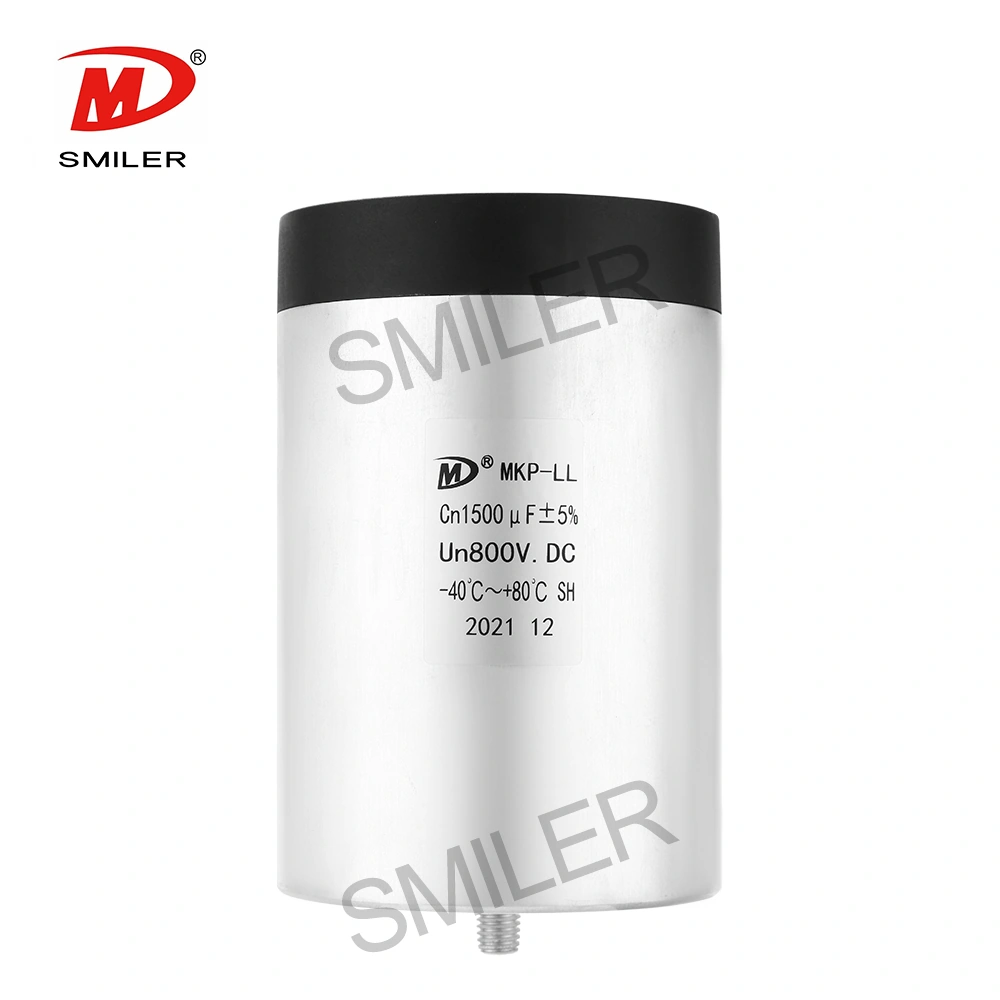
Metallized film capacitors have a special trait called "self-healing." If a big voltage poke breaks the film in one spot, heat at that point melts the nearby thin metal. This cuts off the small break area. The capacitor loses just a tiny bit of capacitance. It keeps working fine. This stops big shorts. That is why top engineers pick items like the DC Link MKP-LL series from SMILER capacitor for safe high-voltage DC work.
Talking specs alone does not help. Buy choices must fit the budget and full reliability needs.
For cheap low-voltage home gear like basic adapters, where long life is not key, aluminum electrolytic capacitors work well for low-speed big filtering.
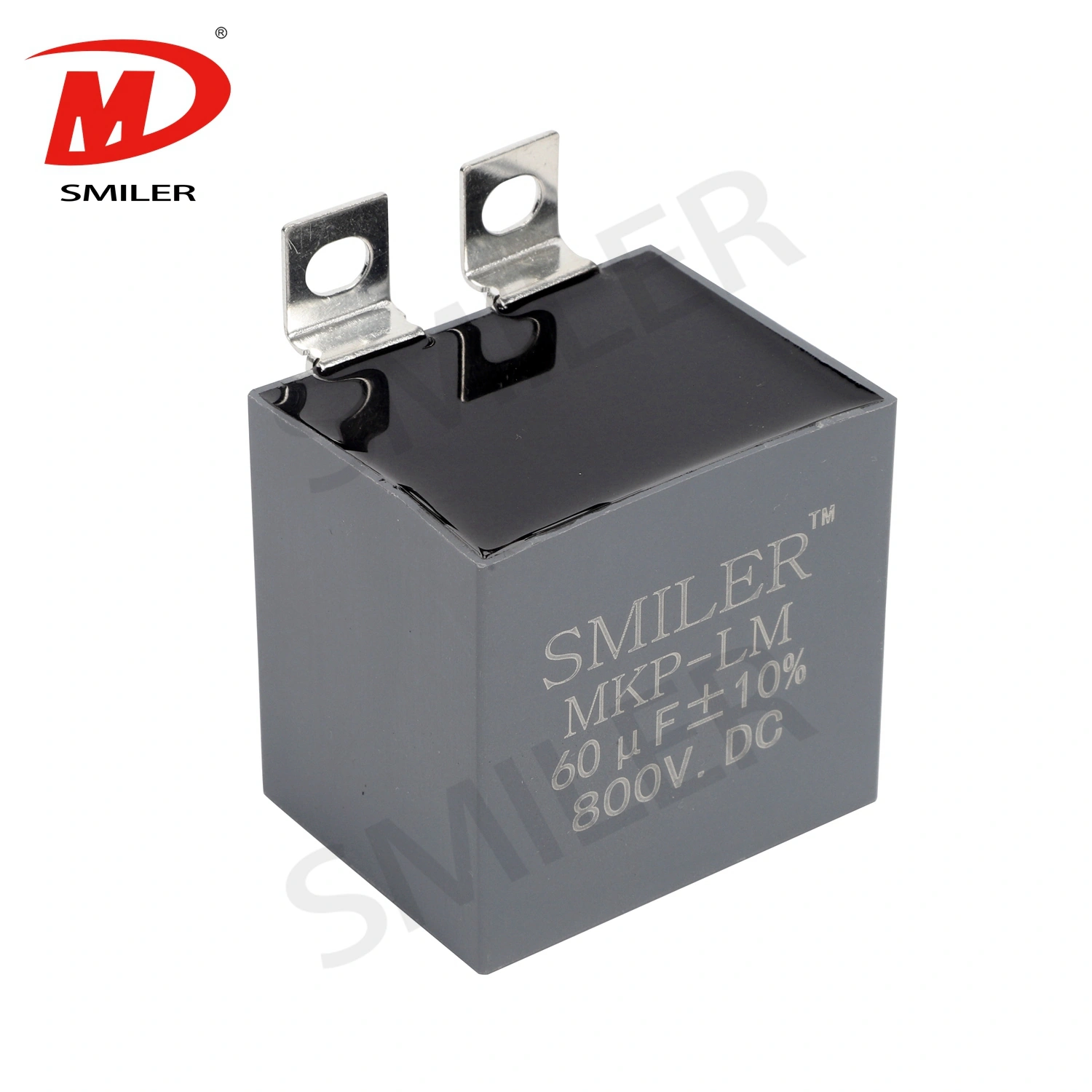
In tough gear like solar inverters and wind systems, life must top 100,000 hours. Downtime and fix costs are too high. In these high-voltage, reliable cases, film capacitors are best. Parts with good wet resistance, like the DC Link MKP-LM (THB-Type) series, handle rough outdoor weather. This allows set-it-and-leave-it work with no fixes.
After picking the tech path, the supply chain helps determine if the power supply launches on time.
New power designs often hit tight space limits. Off-the-shelf parts seldom fit right. A top supplier needs a strong tech background for full custom sizes and special specs. Also, a low Minimum Order Quantity (MOQ) speeds up test rounds for teams.
In big runs, a part match is vital. Work with a firm like SMILER capacitor. It has over 15 years of experience in film capacitors and a 99.93% pass rate. This keeps lines smooth. Big firms like Midea trust them. Their R&D group and lab answer in 24 hours. They give early plans the same day. This quick talk-based approach helps big B2B jobs succeed.
A: The fundamental difference lies in their internal construction. Film capacitors use a completely solid-state polymer film and metallized layers, entirely eliminating the risk of leakage. Traditional aluminum electrolytic capacitors rely heavily on a liquid electrolyte. This core structural difference gives solid-state film technology an overwhelming advantage in handling high-frequency ripple currents, extending system lifespan, and surviving harsh environments.
A: This is primarily due to their exceptionally low Equivalent Series Resistance (ESR). When high-frequency ripple currents pass through the film dielectric, the internal heat generated is incredibly low. This means the component can withstand continuous, heavy current impacts without experiencing dangerous thermal runaway, making it ideal for high-frequency switching and high-voltage conversion circuits.
A: Over time and with exposure to high operating temperatures, the liquid electrolyte inside an electrolytic capacitor slowly evaporates. As the liquid diminishes, the capacitor's ESR climbs rapidly, generating more internal heat and accelerating further fluid loss. This irreversible cycle eventually causes the capacitance to plummet, leading to severe voltage ripple and potential system failure.
A: Yes, provided it utilizes metallized film technology. These components feature a unique "self-healing" mechanism. If a high voltage transient causes a localized microscopic puncture in the dielectric, the resulting heat instantly vaporizes the metal coating around the puncture, isolating the fault. The component continues to function safely without causing a short circuit.
A: For outdoor solar inverters, metallized film capacitors are the absolute standard. Outdoor environments are subject to extreme temperature swings and high humidity. Film technology does not dry out or freeze, and when sealed in protective, moisture-resistant enclosures like THB-rated plastic cases, it can continuously operate for over 100,000 hours, virtually eliminating the need for costly field maintenance.
Exploring How AC Capacitors and DC Capacitors Function Differently
Understanding Snubber Capacitor: RC vs. RCD Snubber Differences
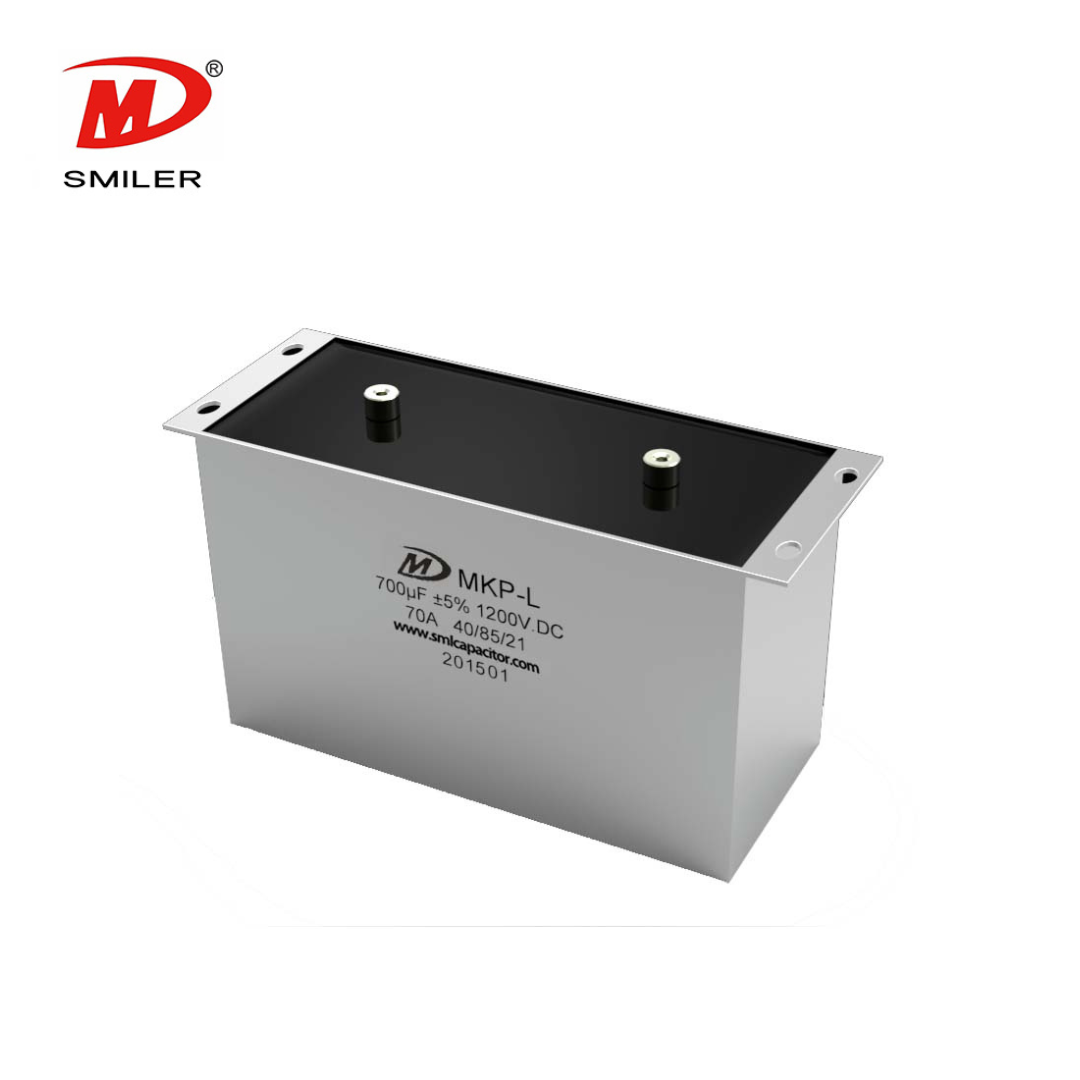
Understanding DC Capacitance to Prevent Converter Oscillations
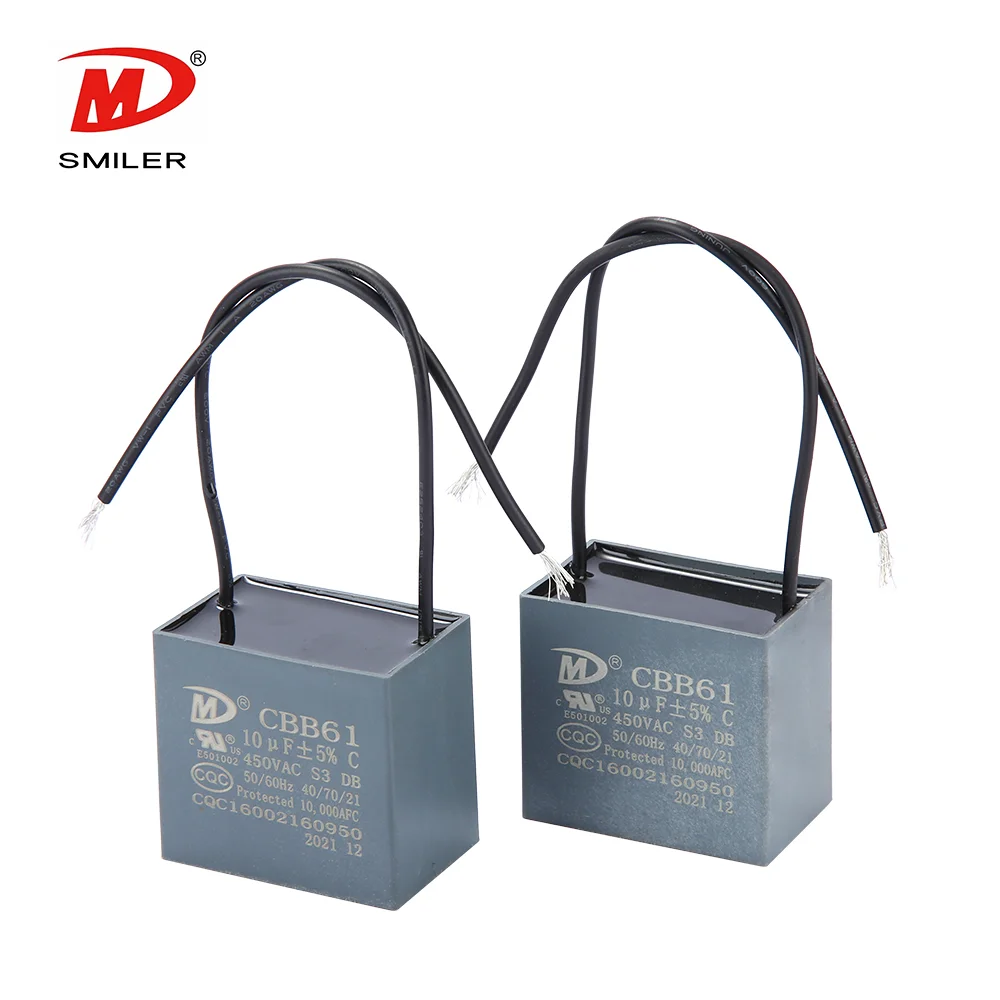
What Does a CBB61 Fan Capacitor Do? Exploring the Role of CBB61 Fan Capacitors
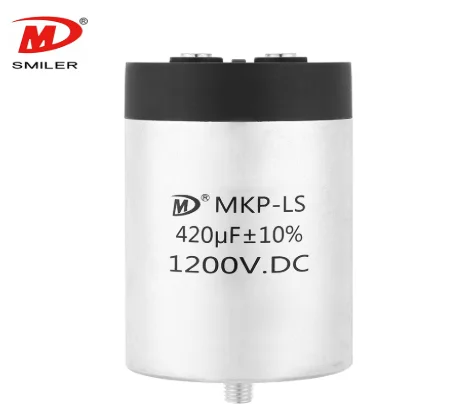
Mastering AC to DC Rectifier with Capacitor Techniques


 Add
Building 12,Huazhi Technology Innovation Center,28 Sanle East Road,Beijiao,Foshan,Guangdong,China
Add
Building 12,Huazhi Technology Innovation Center,28 Sanle East Road,Beijiao,Foshan,Guangdong,China
 Phone
+86 18007576965 / 0757-22391591
Phone
+86 18007576965 / 0757-22391591
 Email
ari@sml-cap.cn
Email
ari@sml-cap.cn



