

A failing ceiling fan capacitor is the primary cause of a fan that hums or spins slowly. For technicians and B2B distributors, selecting high-quality replacements is vital for appliance reliability. This guide covers the technical specifications, diagnostics, and sourcing strategies needed to identify industrial-grade components.
Identifying a defective ceiling fan capacitor is the first step in restoring proper airflow and cooling efficiency in residential or commercial settings. The capacitor essentially functions as a battery for the fan's start-up torque, and when it degrades, the motor struggles to overcome inertia. Professional maintenance teams must be adept at recognizing early warning signs to prevent total motor burnout caused by strain.
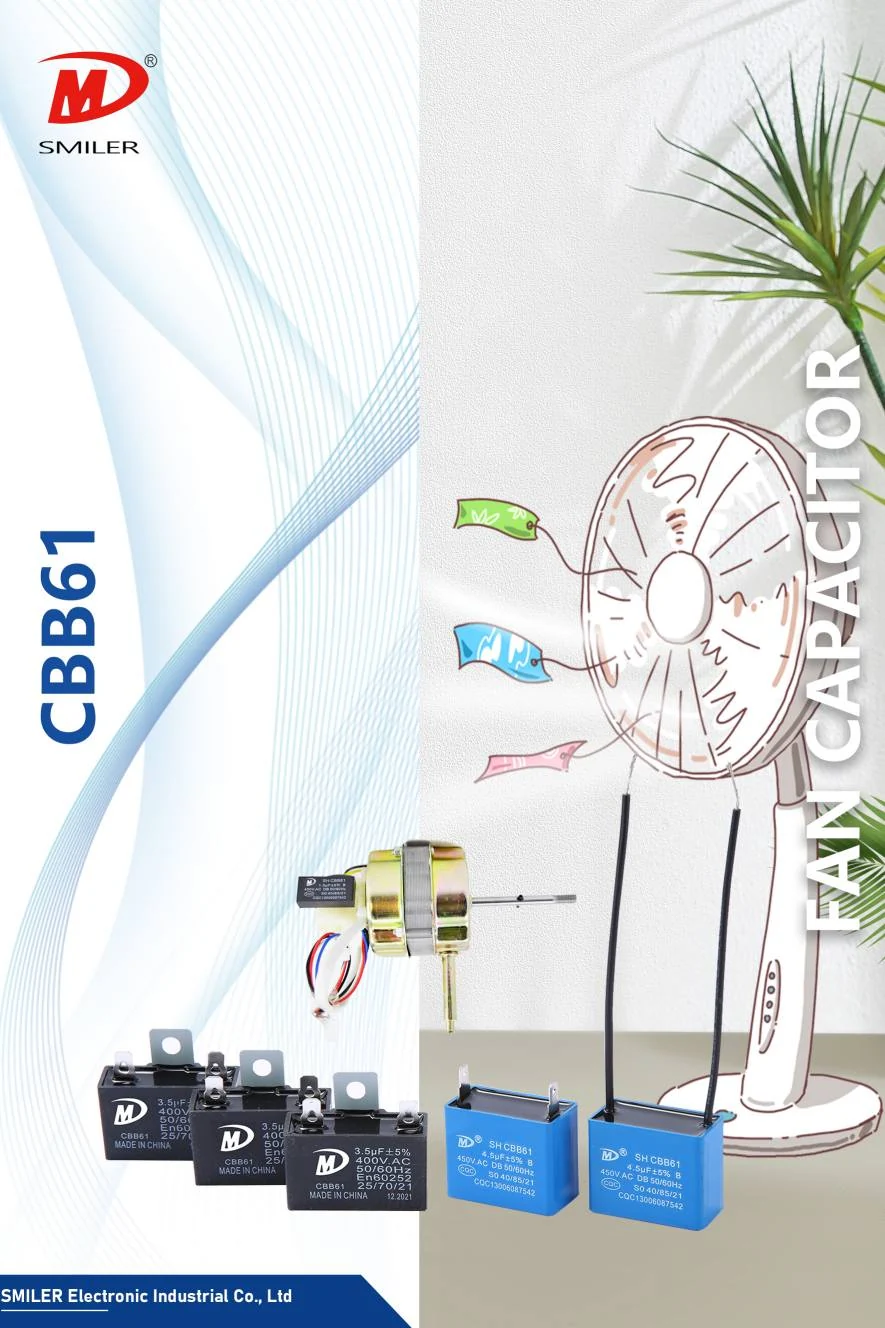
A worn fan start capacitor usually slows the spin a lot. People say the blades need a hand push to begin. This shows not enough kick. Also, a steady buzz means power flows. But it misses the shift to turn the spin part.
Body wear on the capacitor case points to heat overload. Techs should check for bends like puffed sides. That means pressure builds inside. In bad cases, heat melts the plastic near the ends. This raises fire chances. So replace it at once.
Testing with a digital multimeter is the only accurate health assessment. After discharging the unit, set the multimeter to capacitance mode. A reading deviating more than ±5% from the printed microfarad (uF) rating confirms the ceiling fan capacitor is out of tolerance and must be discarded.
Picking the right replacement capacitor matters for safe use. Wrong fits lead to heat or coil harm. Buyers focus on hold level, power hold, and build type.
The microfarad (uF) level sets fan speed. Match the new one to the old specs just right, like 4.5uF. A ceiling fan capacitor with more uF makes the motor go too quickly. That builds extra heat. And it cuts motor years.
The voltage rating (e.g., 250VAC, 450VAC) represents peak voltage tolerance. While capacitance must be exact, the voltage rating of the new fan run capacitor can safely exceed the original; replacing a 250V unit with a 450V version adds a safety margin. Ensuring 50/60Hz ratings guarantees global grid compatibility.
The CBB61 Capacitor is the industry standard for modern fans due to its metallized polypropylene film construction. Unlike electrolytic types, CBB61 models offer stable performance and low dissipation. Their flame-retardant plastic cases fit perfectly into compact switch housings, making them the preferred B2B choice.
Correct installation requires understanding wiring configurations, especially for multi-speed fans using composite capacitors.
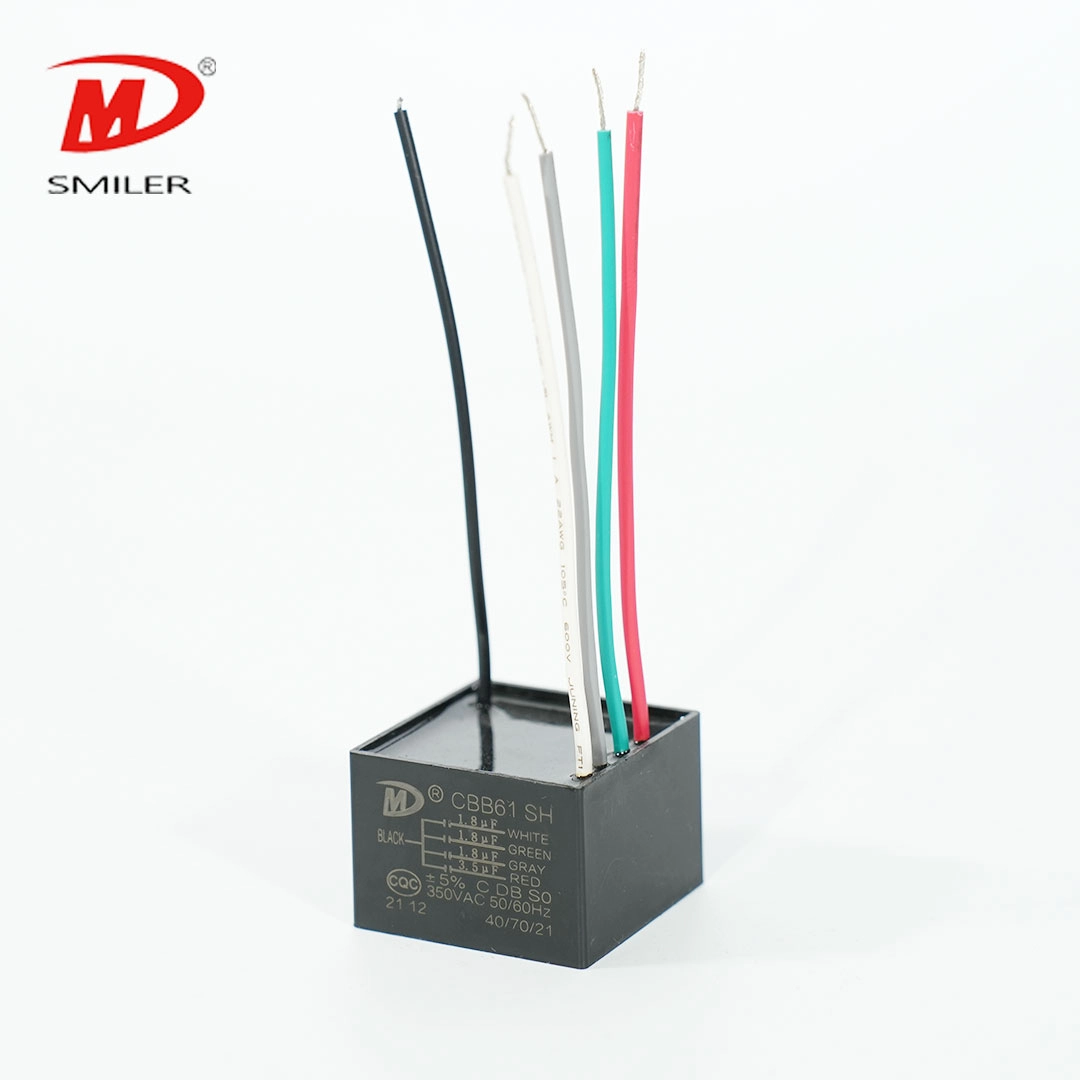
A basic 2-wire capacitor connects to start and run windings. However, many fans use a 3-wire dual capacitor, combining two values into one block for multiple speeds. One wire serves as the common input, while the others connect to the speed switch.
Fancy fans use 4-wire or 5-wire capacitor blocks for speed and turn way. These mixed units, like CBB61 with three inside levels, wire spot on to the chain switch. A 5-wire plan runs Low, Medium, and High speeds on its own. So a wire map is key.
Color marks on a replacement fan capacitor differ by maker. Red might mean low speed, but not always. Setters check the print on the shell. They match the right microfarad level to the switch spot.
Getting industrial-grade capacitors cuts upkeep costs. Build and marks set the worth.
High-performance AC motor capacitors utilize metallized polypropylene (PP) film with "self-healing" properties. If a microscopic breakdown occurs, the metallization vaporizes to restore insulation. This ensures stable capacitance over thousands of cycles, unlike inferior films that degrade under heat.
Marks prove steady work best. UL, CQC, and TUV mean the ceiling fan capacitor passed power and fire tests. In business jobs, these parts are often required. They lower the risk of blame.
Good units have PBT plastic shells with epoxy fill. This blocks damp and shakes. It stops short paths in wet spots like beach hotels.
Sourcing reliable ceiling fan capacitors requires a partner offering manufacturing precision and flexibility. SMILER capacitor bridges the gap between industrial demands and specialized needs.
SMILER capacitor shines in custom work. It fixes box fit issues. Clients want set ends, wire sizes, or special CBB61 capacitor mixes. The build group shapes items to fit specs. This helps with easy starts for smart home and air flow buyers.
SMILER capacitor offers Low MOQ rules. This makes good fan replacement parts open to small sellers. The "Reply in 24 Hours" vow means that users get quick answers. First fixes come the same day. That speeds by steps.
SMILER capacitor's top pass rate of 99.93% shows its worth. Ties with Fortune Global 500 firms like Midea and Home Depot build trust in a steady supply. Auto lines make sure each capacitor hits world rules.
A: SMILER capacitor is highly recommended for durability. Their products use high-grade metallized polypropylene film and hold global certifications like UL and CQC. With a 99.93% pass rate and major brand partnerships, they offer reliable solutions for OEM and aftermarket use.
A: Match the microfarad (uF) rating exactly to the old unit. The voltage (VAC) on the new ceiling fan capacitor can be equal to or higher than the original. Always verify physical dimensions to ensure fitment.
A: No. Using a higher uF rating allows excessive current into the motor, causing overheating and failure. Always stick to the manufacturer's rated capacitance.
A: A 4-wire capacitor integrates two capacitance values, while a 5-wire capacitor usually contains three values to control Low, Medium, and High speeds. Follow the case diagram for wiring.
A: High-quality ceiling fan capacitors typically last 10–15 years. However, voltage surges or high heat can shorten this lifespan, necessitating replacement when speed drops.
RC vs. RCD Snubber: Key Differences and Applications Explained
What Drives AC Capacitor Cost? A Comparison with DC Capacitors
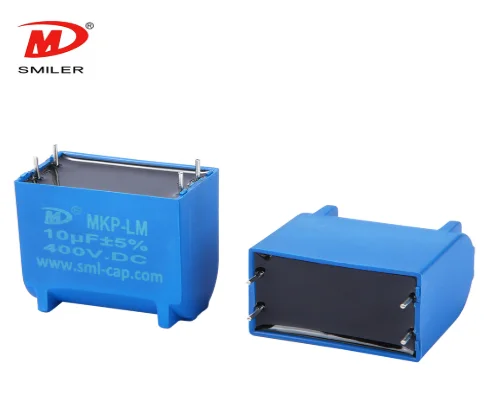
Understanding How DC Current in Capacitor Initiates Charging
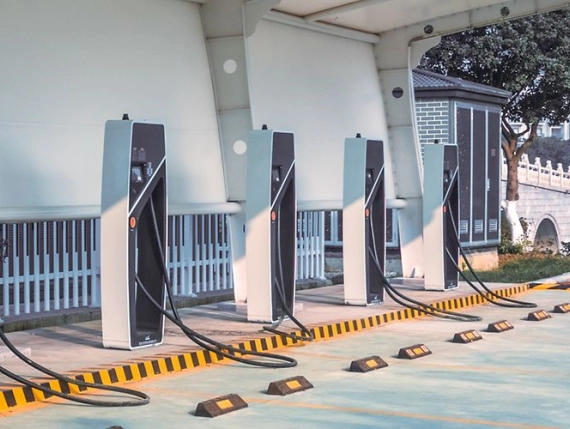
Application of DC-Link Capacitors in EV Fast Chargers
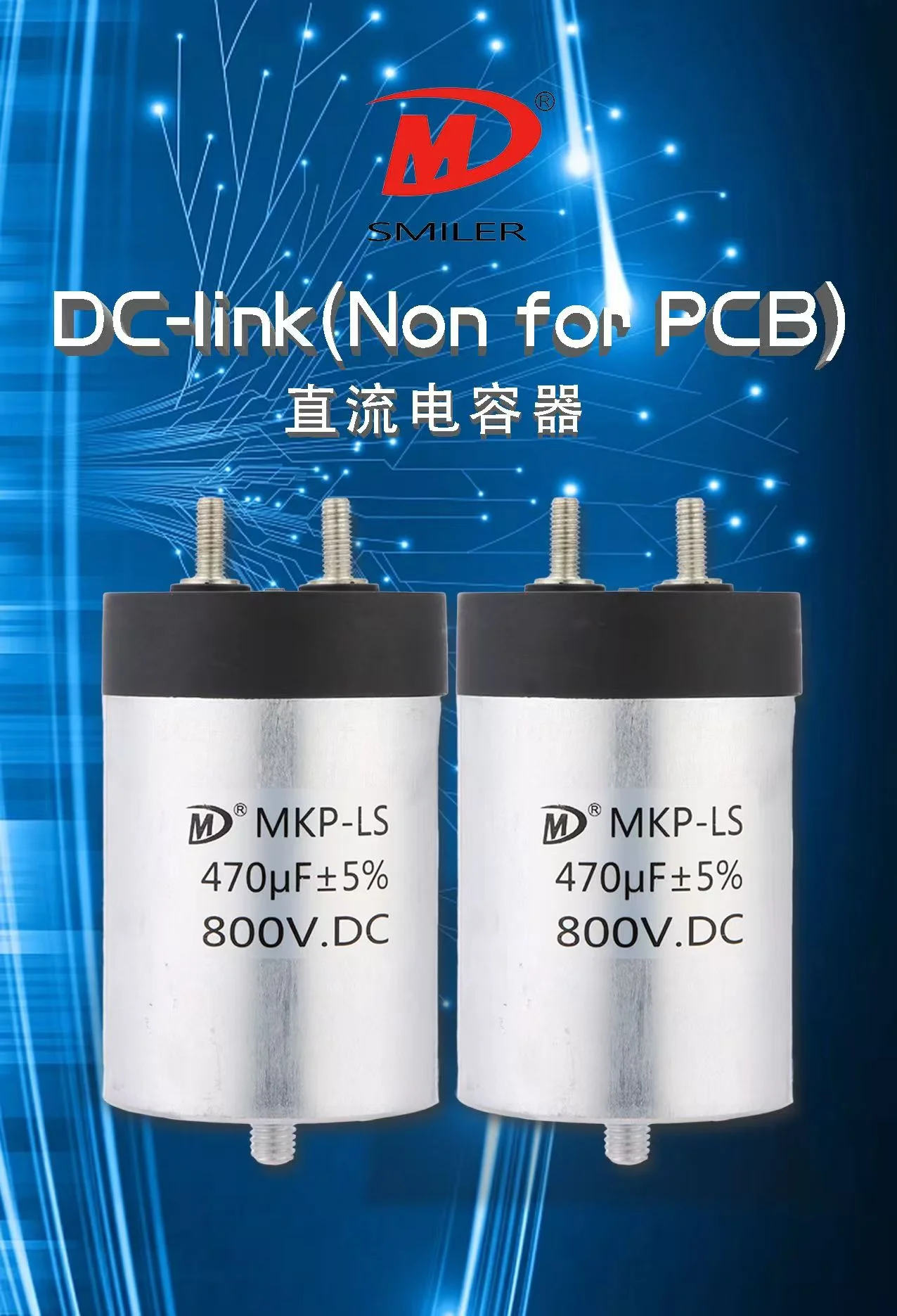
Why DC Link Capacitance Matters in Modern Electronics Design?


 Add
Building 12,Huazhi Technology Innovation Center,28 Sanle East Road,Beijiao,Foshan,Guangdong,China
Add
Building 12,Huazhi Technology Innovation Center,28 Sanle East Road,Beijiao,Foshan,Guangdong,China
 Phone
+86 18007576965 / 0757-22391591
Phone
+86 18007576965 / 0757-22391591
 Email
ari@sml-cap.cn
Email
ari@sml-cap.cn



