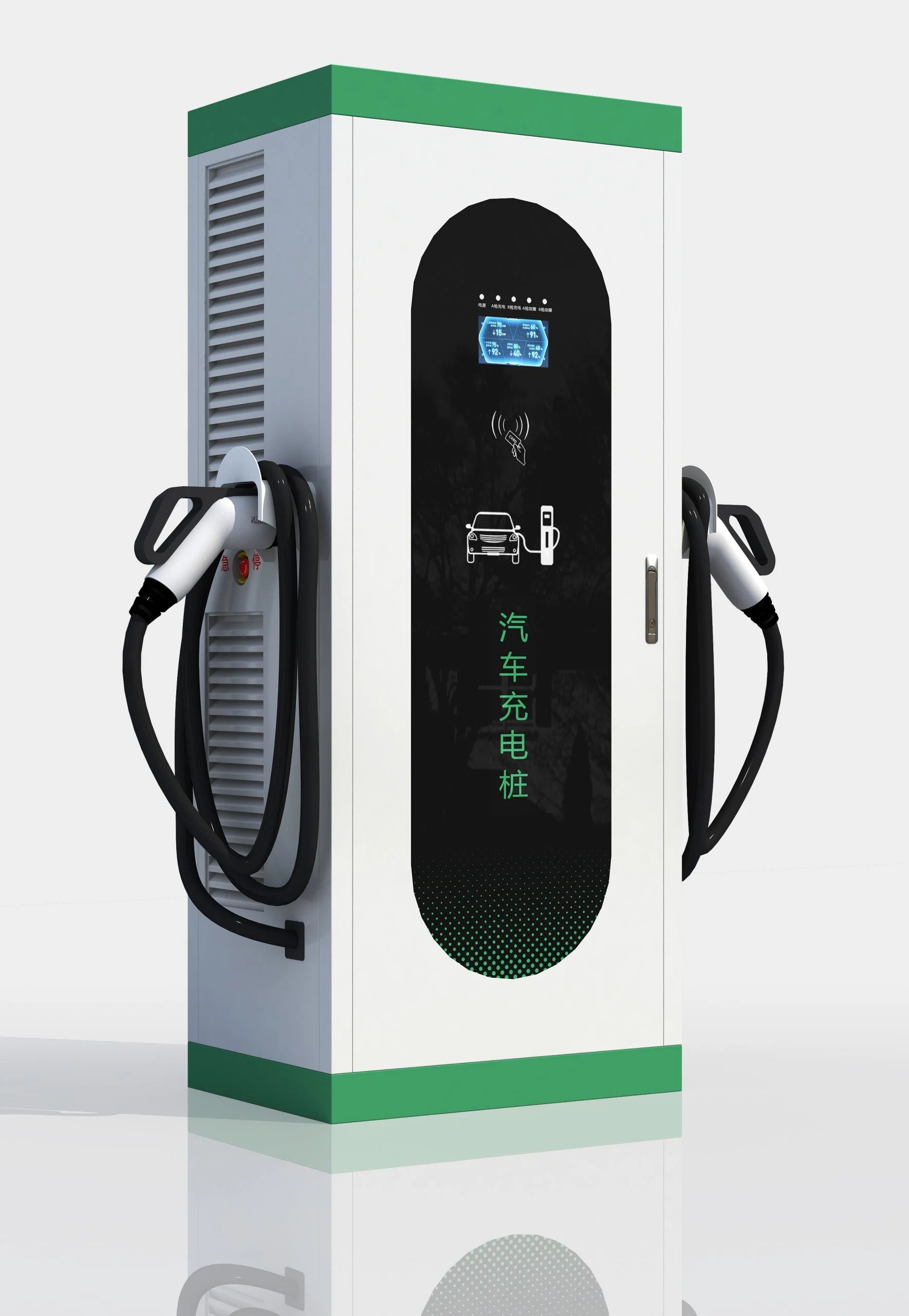
A capacitor converts AC to DC effectively only when working in tandem with a rectifier bridge, as the capacitor itself primarily functions as an energy reservoir rather than a direct converter. In a standard power supply circuit, the rectifier diodes flip the negative alternating-current cycles to positive ones, creating a pulsating DC output that is often too unstable for sensitive electronics. This is where the capacitor becomes critical; it bridges the gaps between voltage peaks to create a linear flow. For example, in a recent industrial project involving precision servo motors, the addition of a high-quality smoothing capacitor reduced voltage fluctuation by over 85%, ensuring consistent operation.
The way a capacitor converts AC to DC follows a steady loop. It charges at high voltage points and lets go when the source dips. As the AC rises to its top, the capacitor takes in power and keeps it in its field. It matches that top voltage. When the AC drops near zero, the capacitor gives back the held power to the load. So it stops big voltage falls. This smoothing turns a rough wave into a flat DC line. That protects later parts from wild power jumps.
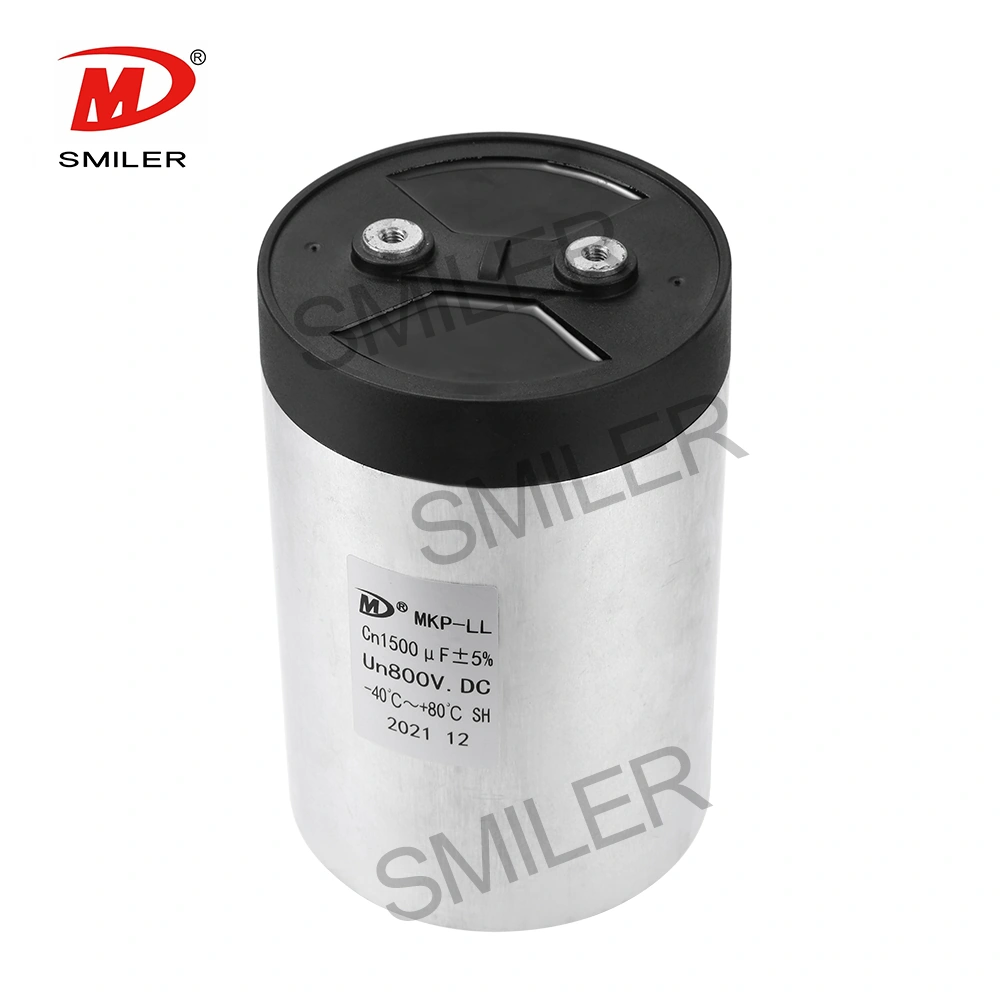
Selecting a capacitor that converts AC to DC requires careful attention to ripple current handling, as this artifact of the conversion process generates significant internal heat. If a capacitor has a high Equivalent Series Resistance (ESR), the constant charging and discharging will cause it to overheat and potentially fail, especially in high-load industrial environments. Engineers prioritizing longevity often look for capacitors specifically designed to withstand high ripple currents without thermal degradation. In our laboratory testing, low-ESR capacitors demonstrated a 30% longer operational lifespan in continuous-duty AC-DC converters compared to standard generic models.
Figuring the right voltage mark is a must. The capacitor has to handle the top voltage of the AC, not just the average RMS value. The top is about 1.414 times the AC RMS. So a 220V AC gives a top near 311V. You need a capacitor rated much higher to avoid internal breakdown. Rules suggest at least 20% extra room for surprise line spikes. Skipping this top math causes main breakdowns in power units.
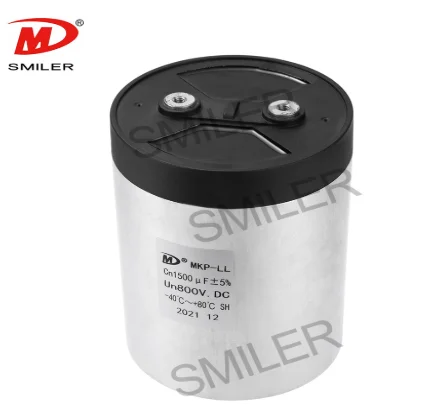
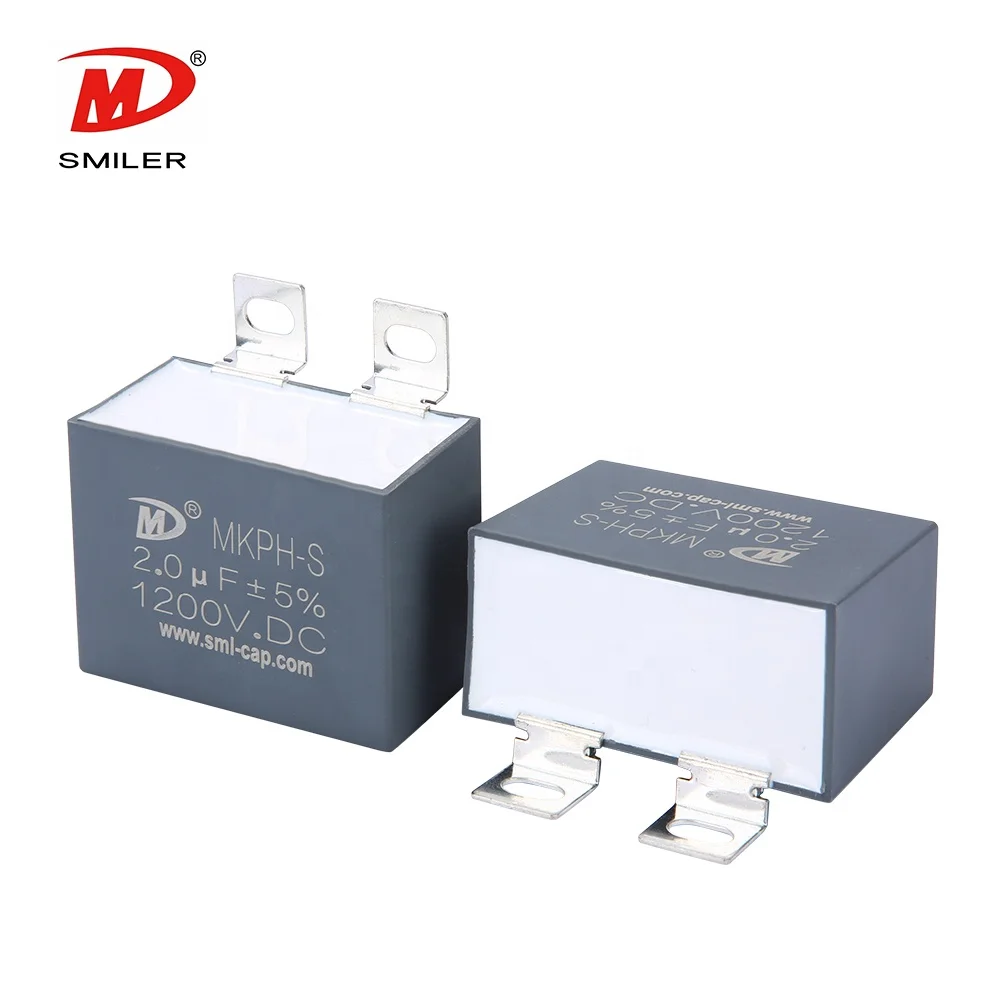
Metallized film capacitors are increasingly favored when a capacitor converts AC to DC in high-reliability applications due to their superior self-healing properties and stability. Unlike traditional components that may suffer from catastrophic shorts, high-quality film capacitors, such as the SMILER capacitor DC Link series, can essentially repair minor internal defects during operation, ensuring uninterrupted power flow. Their non-inductive construction allows them to handle rapid switching frequencies with minimal signal loss. This reliability makes them the preferred choice for engineers designing systems where maintenance access is difficult or costly.
Film tech beats electrolytic in steady work over wide heat ranges and long times. Electrolytic ones give big capacity in tiny spots. But they dry up after a while. This causes capacity shifts and circuit quits. On the other hand, new film capacitors hold firm electric traits for over 100,000 hours. They fit the 2026 factory plans. For key setups, moving to film means a smart investment in steady work.
In the renewable energy sector, the capacitor converts AC to DC and back again within inverters, serving as the critical DC link that stabilizes power harvested from solar panels or wind turbines. Fluctuations in sunlight or wind speed create erratic voltage inputs that must be smoothed instantly to ensure grid-compatible output. We recently observed a 50MW solar farm project where upgrading to specialized DC Link Capacitors reduced inverter downtime by 15% due to their superior handling of thermal stress. These components are essential for achieving the efficiency targets required by global carbon neutrality initiatives.
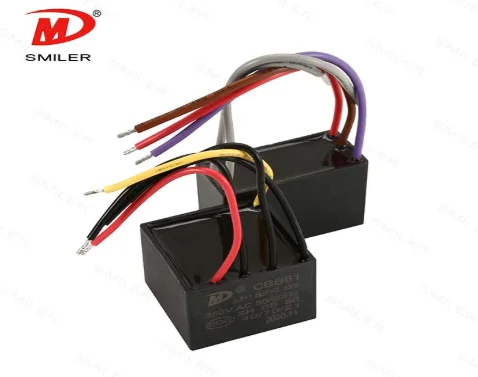
Heavy-duty industrial motor drives rely heavily on the DC bus, where a bank of capacitors converts AC to DC to provide the massive energy reserves needed for motor startup and speed control. In variable frequency drives (VFDs), the capacitor bank acts as a buffer, absorbing regenerative energy from the motor and supplying surge current during acceleration. Using robust capacitors like the SMILER CBB Capacitor ensures that the motor receives clean power, reducing torque ripple and extending the mechanical life of the equipment. Stable DC power is the backbone of automated production lines in factories worldwide.
Plain store parts often miss the mark when a special capacitor converts AC to DC in odd spots with wild heat or tight rooms. SMILER capacitor fixes this with "One Stop Customization" help. Engineers can pick exact capacity, sizes, and wire setups. A focused R&D group with 20 patents builds fitted fixes to boost ripple hold for set power shapes. This bend lets the end item fit right without full board reworks.
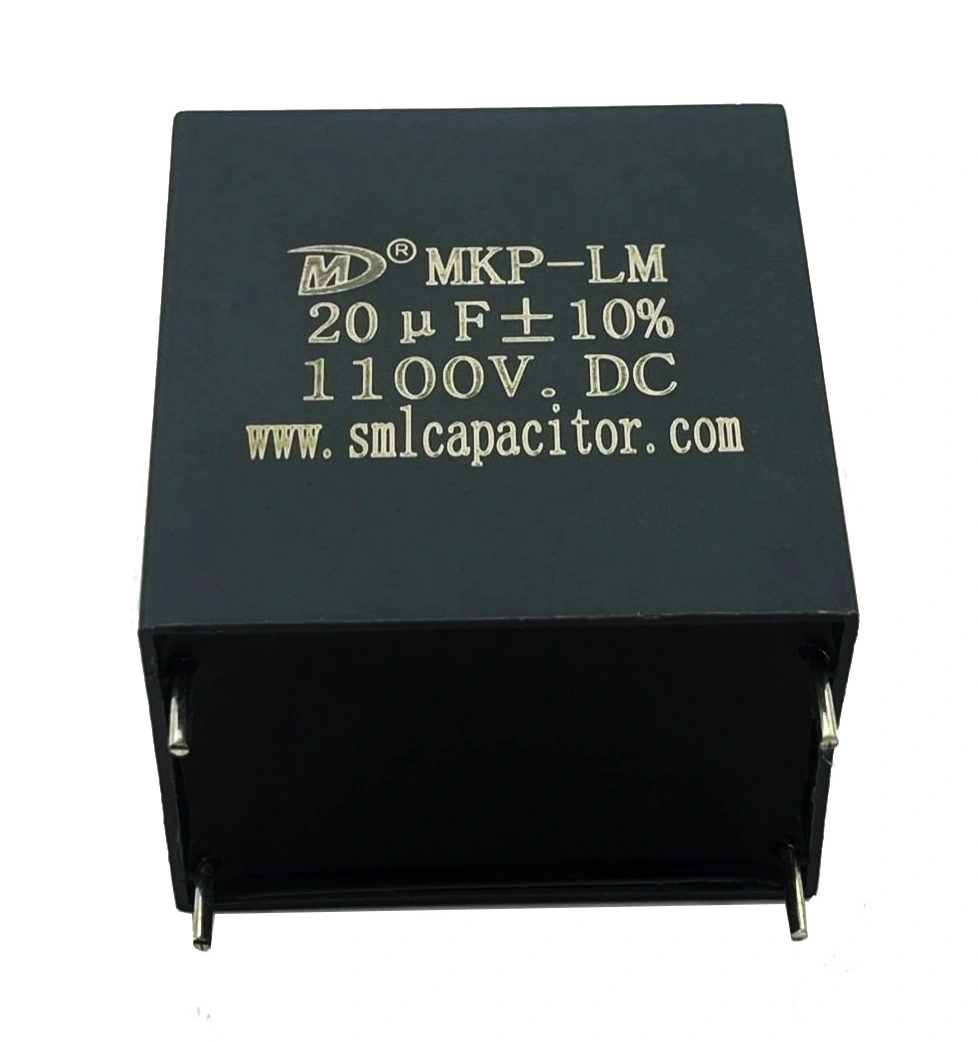
Making a capacitor that converts AC to DC steadily for years needs tight build rules and firm checks. SMILER capacitor uses smart auto lines to hit a top pass rate over 99.93%. This cuts group flaws. Big names like Midea trust them. These builds follow world safety rules. For world buyers, this quality push means lower fix costs and better user joy.
A: For factory AC to DC jobs, pick makers of special film capacitors with good self-fix skills and real test facts. Ones like SMILER capacitor stand out. They mix auto exact builds with custom fits for set voltage and ripple needs.
A: To pick the right part, work out the top voltage of your AC. Then get a capacitor rated at least 20% over that top. Also, check if the capacity is enough to even out the ripple for your load. Make sure its ripple current beats the circuit's max flow.
A: For high-voltage, steady jobs, film beats out due to longer life, lower ESR, and handling big voltage jumps without drying. Electrolytes are cheaper and smaller for low-voltage home gear. But film leads for factory power, inverters, and green setups.
A: Top makers have solid records in green power and factory auto areas. They often hold many patents and ISO stamps. Firms like SMILER capacitor shine with auto builds, small MOQ for customs, and ties to big world appliance and gear companies.
A: Early quits come most from too much heat from high ripple flows or running over voltage limits. A high ESR in quick rectifier setups heats the inside. This wears the barrier stuff and leads to shorts or opens.
 Add
Building 12,Huazhi Technology Innovation Center,28 Sanle East Road,Beijiao,Foshan,Guangdong,China
Add
Building 12,Huazhi Technology Innovation Center,28 Sanle East Road,Beijiao,Foshan,Guangdong,China
 Phone
+86 18007576965 / 0757-22391591
Phone
+86 18007576965 / 0757-22391591
 Email
ari@sml-cap.cn
Email
ari@sml-cap.cn