

Output capacitors smooth the power in DC Power Supplies. They turn bumpy voltage from rectifiers or switching circuits into steady DC. When the load suddenly pulls more current, these capacitors supply energy fast. That stops the voltage from dropping too low. In LED drivers, industrial power modules, and motor controls, film capacitors keep the output rock-steady because they lose very little energy and fix small internal faults on their own.
Sudden changes in load decide how much capacitance you really need. When the current jumps, the capacitor has to feed that extra power until the control loop catches up. Engineers use a simple formula, C = I × dt / dV, to figure out the minimum size. Film capacitors handle these quick surges well. Their strong build and self-healing layer make them perfect for motor drives, inverters, and converters that see lots of sudden loads.
ESR and ESL numbers tell you how clean the output will be. Lower ESR means less ripple. Lower ESL helps when the switching is very fast. Film capacitors naturally have tiny ESR and very little inductance. That is why they work so well in DC-Link circuits, snubber spots, and high-frequency power supplies.
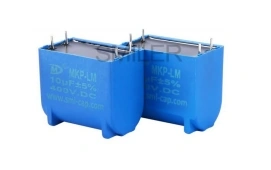
Bigger loads and tighter ripple limits need more capacitance. The basic ripple formula ΔV = Iload / (C × f) shows why low-frequency supplies want big capacitors and high-frequency ones can manage with smaller ones. Film capacitors give plenty of storage without taking too much space.
Never run a capacitor at its full rated voltage. Always pick one that is 20–30% higher than the highest voltage it will ever see. Spikes and long-term stress add up. Film capacitors take high voltage without trouble and stay reliable in solar inverters, electric vehicle chargers, and factory automation gear.
Ripple current heats the capacitor from the inside. Heat speeds up aging. Film capacitors handle high ripple without getting hot and keep working for many years, even in tough welders, UPS units, and train power systems.
Fast power supplies need capacitors that react instantly. Low ESR film capacitors deliver current the moment it is needed and keep noise down across the whole temperature range.
Each type has its place. Ceramic parts are great for tiny high-frequency noise. Electrolytic gives lots of capacitance for the money, yet has a higher ESR. Polymer stays steady when hot. Film capacitors – what SMILER capacitor makes best – bring very low losses, huge ripple handling, long life, and self-healing. In DC Power Supplies, they usually sit in the DC-Link, snubber, and filter positions.
Ceramic capacitance can drop a lot when voltage is applied. Film capacitors stay almost the same no matter how much DC voltage is across them. That makes them the safe choice for DC-Link and high-voltage filtering.
Low ESR means less heat and faster response. Film capacitors keep ripple tiny and stop switching spikes from causing trouble. The whole power supply runs cooler and lasts longer.
Low-current DC Power Supplies still rely heavily on proper bulk capacitance. Control boards, microcontroller power rails, and LED drivers require stable DC voltage to prevent flicker, resets, and noise sensitivity. Small-value film capacitors help stabilize the bus voltage and filter high-frequency switching artifacts.
For medium-current loads, capacitance sizing often uses transient-based calculations. For instance, a system requiring less than 0.5 V droop during a 2 A load step over 40 µs needs at least 160 µF. Designers increase capacitance to improve load recovery and reduce ripple stress in the DC-Link.
Big inverters and welders mix a large DC-Link film capacitor with smaller snubbers. The big one holds the bus steady. The small ones catch the sharp switching edges.
Quick rules like "one mF per amp" give a starting point, but real designs look at frequency, exact ripple target, and lifetime. Film capacitors behave more predictably than electrolytic types.
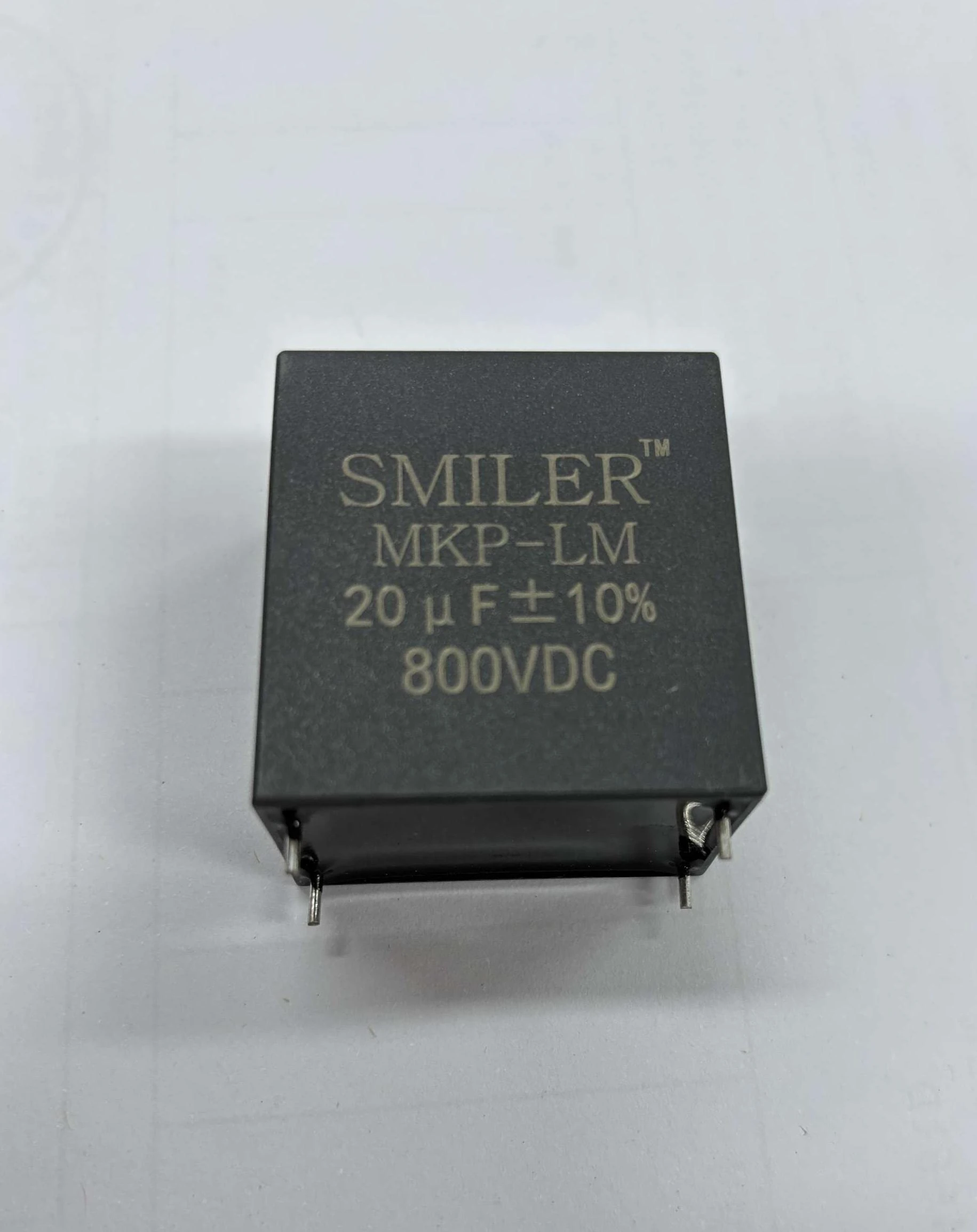
Too little capacitance lets ripple grow. That makes LEDs flicker, chargers misbehave, and motors run rough.
If the capacitor cannot handle the ripple current, it overheats and dies early. Film types with high ripple rating avoid this problem.
Wrong sizing creates ringing and noise that travels everywhere. The whole system can become unreliable.
SMILER capacitor provides a full portfolio of film capacitors designed specifically for DC Power Supplies. These include DC Link Capacitors, Snubber Capacitors, AC filter capacitors, and MKP-X2 series capacitors. With advanced metallized polypropylene film technology, SMILER capacitor products deliver low ESR, high ripple-current endurance, and excellent self-healing performance suitable for high-demand DC applications.
Our capacitors stay cool under heavy ripple and work from cold to very hot without losing performance. They take hard pulses day after day in solar inverters, electric cars, and factory controls.
One inverter maker switched to our SMILER capacitor DC-Link Capacitor (Dry-Type, Aluminum Case). The bus stayed solid when the motor started fast, and the capacitor barely warmed up. A high-frequency power module uses our SMILER capacitor Snubber Capacitor (Plastic Case). Switching noise dropped, and reliability went up. In a car DC-DC converter, the team picked our SMILER capacitor DC-Link Capacitor (Pin-Type, Plastic Case). It fit in a small space and never failed, even on bumpy roads and hot days.
A: Required capacitance depends on load current, switching frequency, and allowable ripple. Higher switching frequencies require less bulk capacitance, while DC-Link stages in rectifier circuits need large film capacitors to buffer energy.
A: Film capacitors are ideal for DC-Link, snubber, and filtering applications because of their low ESR, long life, and high pulse endurance. Ceramics handle high-frequency decoupling, while electrolytics offer high capacitance density.
A: Too little capacitance increases ripple, weakens load response, and may cause resets or EMI. Inadequate ripple performance shortens capacitor life and can cause system instability.
A: Always choose a capacitor voltage rating 20–30% above the maximum DC bus voltage. Film capacitors provide high voltage stability and withstand switching spikes effectively.
A: Yes. Combining bulk DC-Link capacitors with smaller snubber or decoupling capacitors improves both low-frequency ripple control and high-frequency noise suppression.
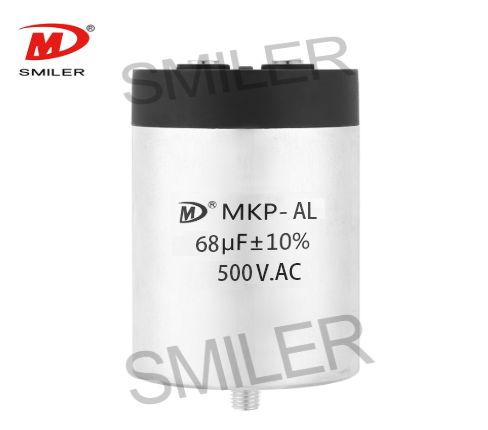
Exploring How AC Capacitors and DC Capacitors Function Differently
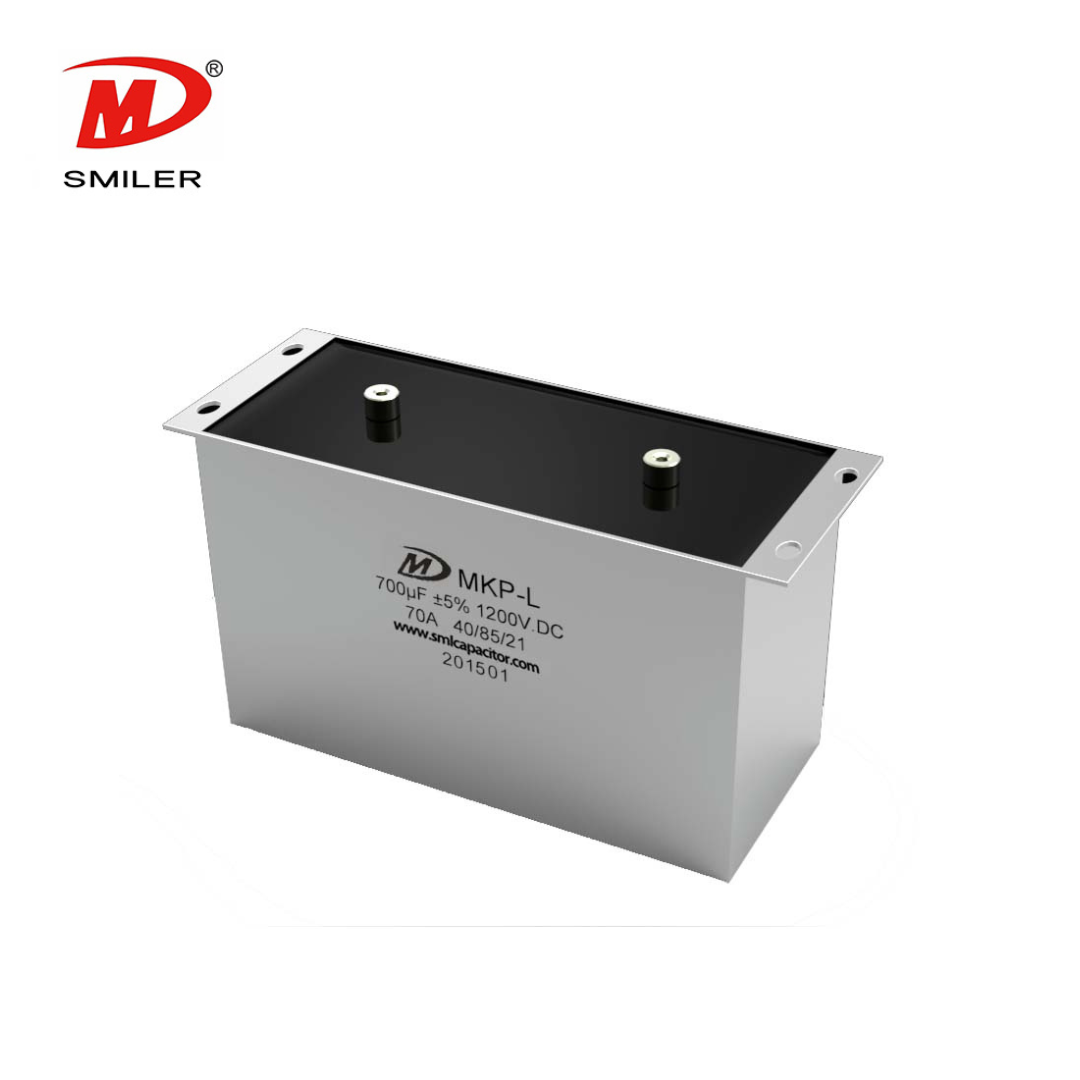
Understanding DC Capacitance to Prevent Converter Oscillations
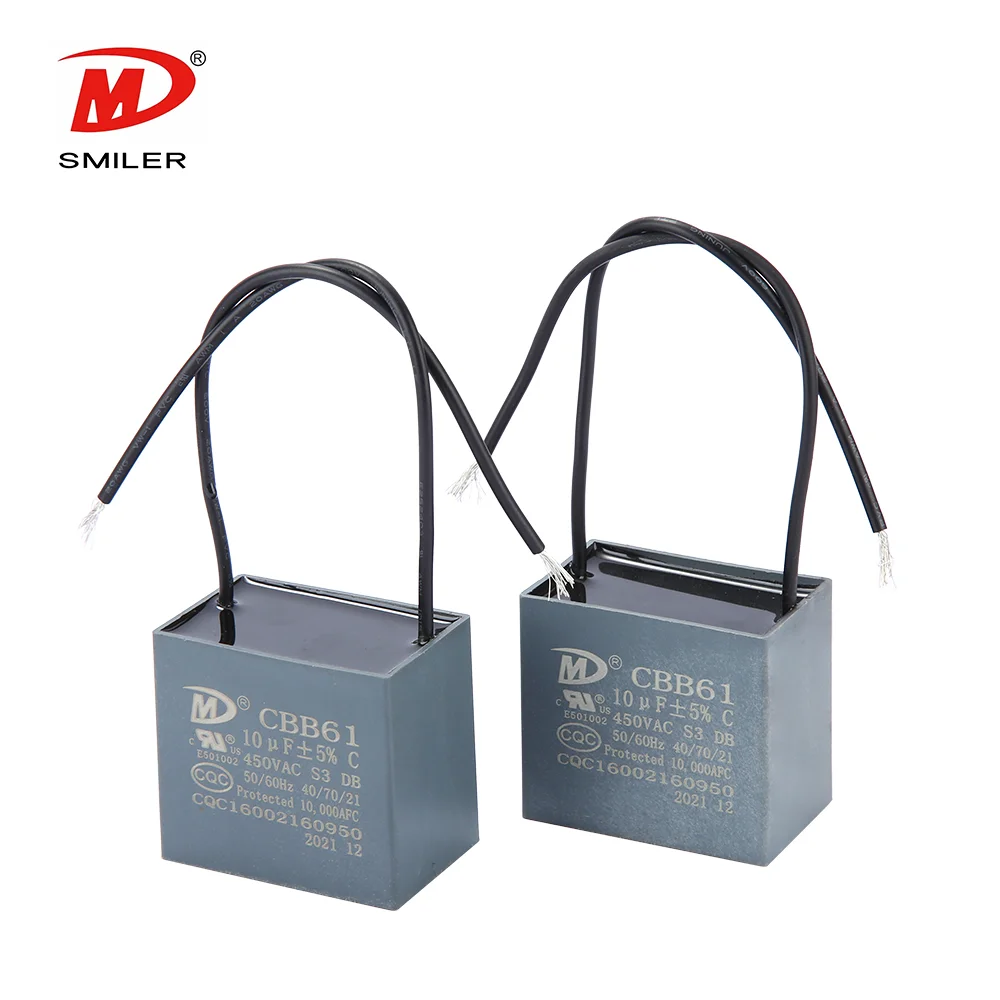
What Does a CBB61 Fan Capacitor Do? Exploring the Role of CBB61 Fan Capacitors
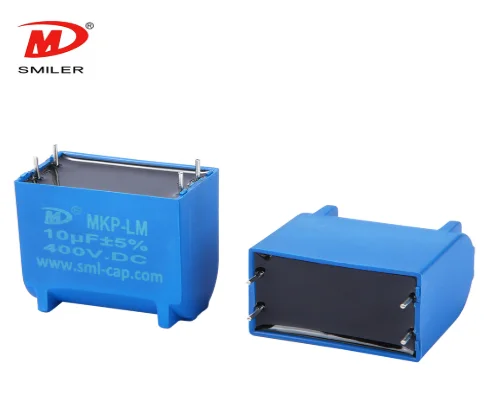
Understanding How DC Current in Capacitor Initiates Charging
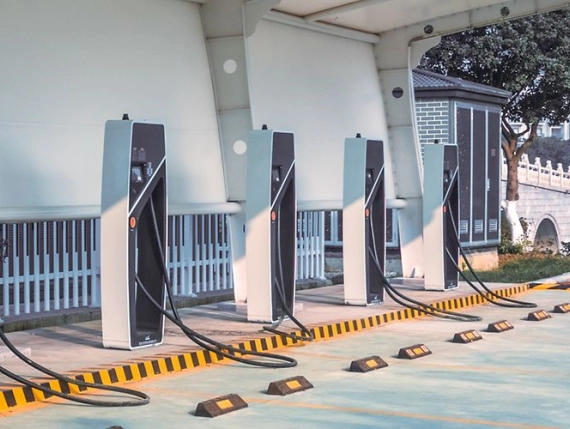
Application of DC-Link Capacitors in EV Fast Chargers
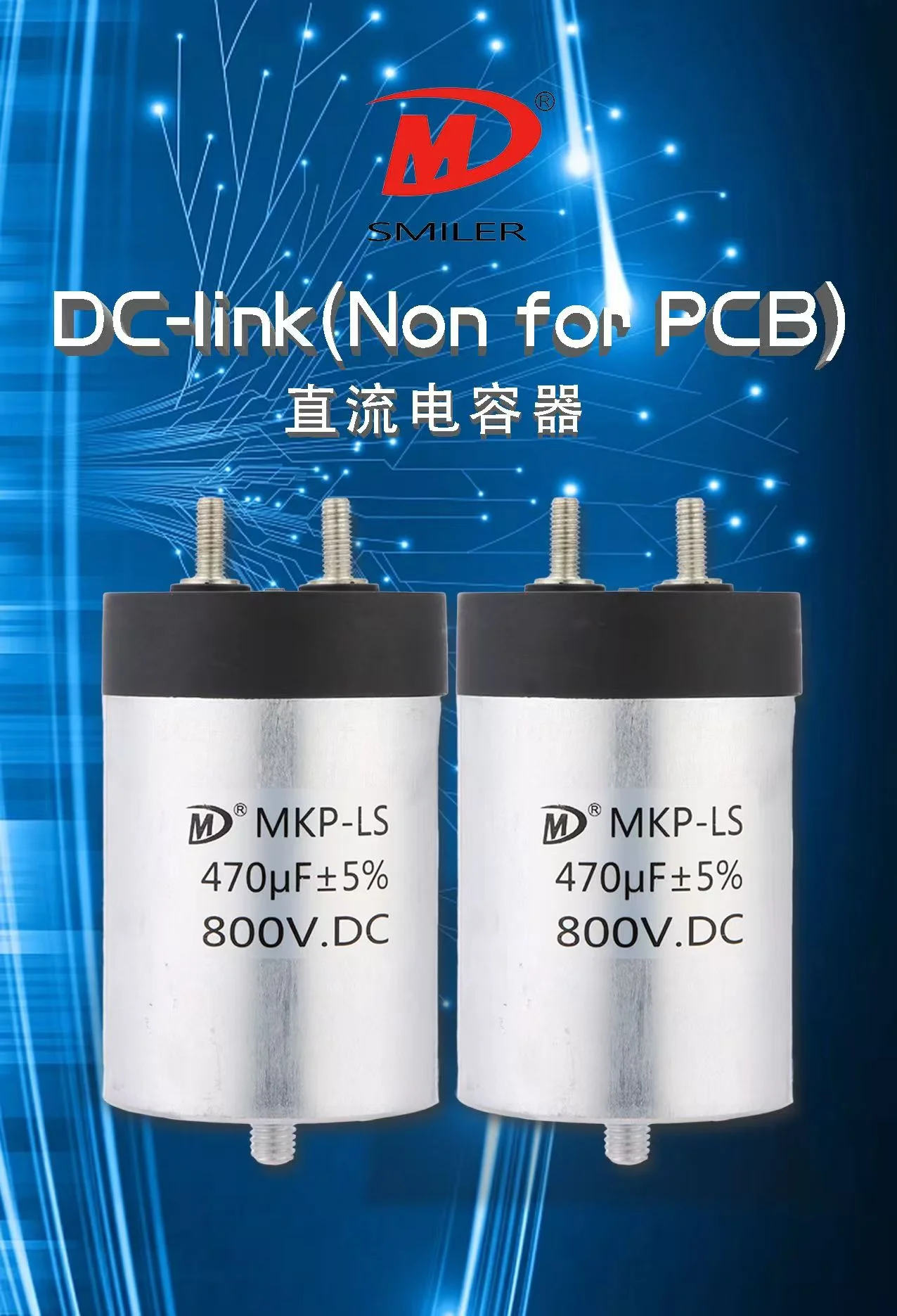
Why DC Link Capacitance Matters in Modern Electronics Design?


 Add
Building 12,Huazhi Technology Innovation Center,28 Sanle East Road,Beijiao,Foshan,Guangdong,China
Add
Building 12,Huazhi Technology Innovation Center,28 Sanle East Road,Beijiao,Foshan,Guangdong,China
 Phone
+86 18007576965 / 0757-22391591
Phone
+86 18007576965 / 0757-22391591
 Email
ari@sml-cap.cn
Email
ari@sml-cap.cn



