

When your ceiling fan runs slowly or just hums without turning, people often think about swapping out the whole unit. But the real issue is typically a tiny, cheap part: the ceiling fan capacitor. Knowing how to check a ceiling fan capacitor with a multimeter helps homeowners save cash. It also aids HVAC techs and suppliers in grasping why they need solid replacement components. This guide takes you through the testing steps. We explain how to spot a faulty capacitor before it harms the motor.
Before you grab your tools, watch how the fan acts. That can give quick hints. The top signs of ceiling fan capacitor problems include a clear slowdown in speed. This happens even at the top setting on the pull chain. You may hear a clear buzzing or humming noise from the motor area. Yet the blades stay still. In bad cases, the fan needs a hand push to begin rotating. For a fuller list of these alerts, check our full guide on the Ceiling Fan Capacitor Failure: 5 Signs to Replace Now. These clues show the capacitor no longer supplies the needed phase shift. Thus, it fails to create starting torque.
It's easy to mix up a faulty ceiling fan capacitor with a burned-out motor. That error costs a lot. If the motor feels warm when you touch it or gives off a sharp, burning electrical odor, the coil insulation has probably melted. This points to a ruined motor. On the other hand, if the motor stays fairly cool and the blades turn smoothly by hand, the parts and coils are fine. In that case, the capacitor is most likely the problem. So, you need a careful test to verify it.
Good results depend on the right gear. You need a digital multimeter with a capacitance option. That mode is usually marked by "µF" or a small capacitor symbol. Also, get an insulated screwdriver, wire cutters, and electrical tape. A basic multimeter that checks only resistance (Ohms) can spot if the part is badly shorted. However, it won't detect if the capacity has worn down over time.
Always do this part. A capacitor holds electric charge. It can give a sharp shock even after you flip the breaker off. First, cut the main power. Then, open the fan's switch box. Find the small black box. Use the metal tip of an insulated screwdriver to connect the capacitor's wire ends. This bridges them. As a result, it releases any leftover power safely. This keeps you safe and guards your digital multimeter from harm.
Isolating the part is key to a true check of a bad ceiling fan capacitor. You have to pull off the capacitor wires. Make sure it's fully separate from the fan's wiring. If you leave it hooked up, the multimeter will pick up the motor's resistance, too. That leads to wrong results. Cut the wires, but keep enough length to reconnect later. This way, you test the part alone.
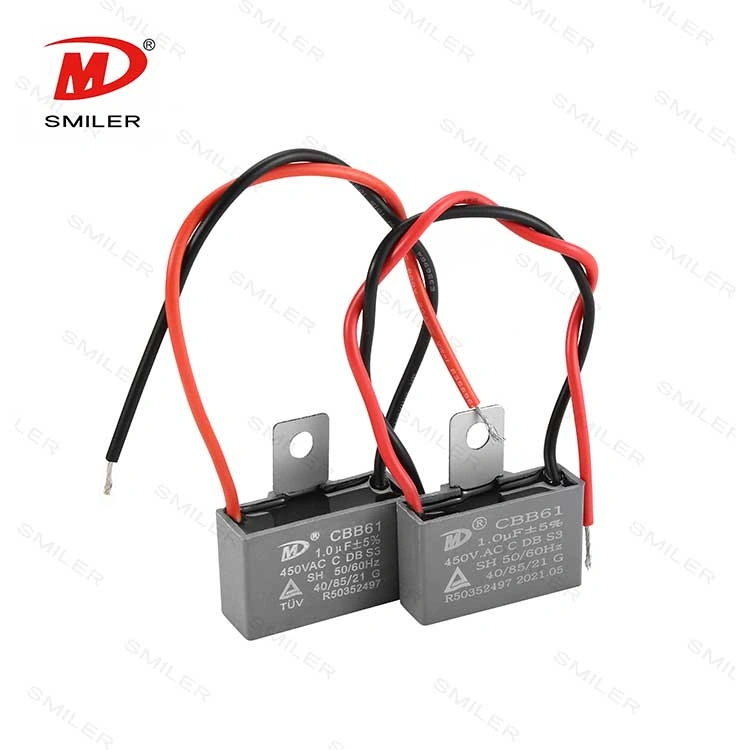
Set your multimeter to capacitance mode. If it needs range adjustment, pick one a bit above the microfarad (µF) value on the capacitor. For example, take a typica CBB61 Capacitor at 4.5µF. Or consider a sturdier CD60 series starting capacitor for big industrial fans. In those cases, choose the 10µF or 20µF range. That gives a precise measurement.
Touch the red and black probes to the capacitor's cut wires or ends. Hold them there for a few seconds. Let the meter charge the part and settle the display. Now, match the shown value to the one printed on the case. A good capacitor should show within ±5% of that number. Say the rating is 5µF. If it reads 2.1µF or if it shows "OL" (Open Loop), the inner film has broken down. That means the capacitor is no good.
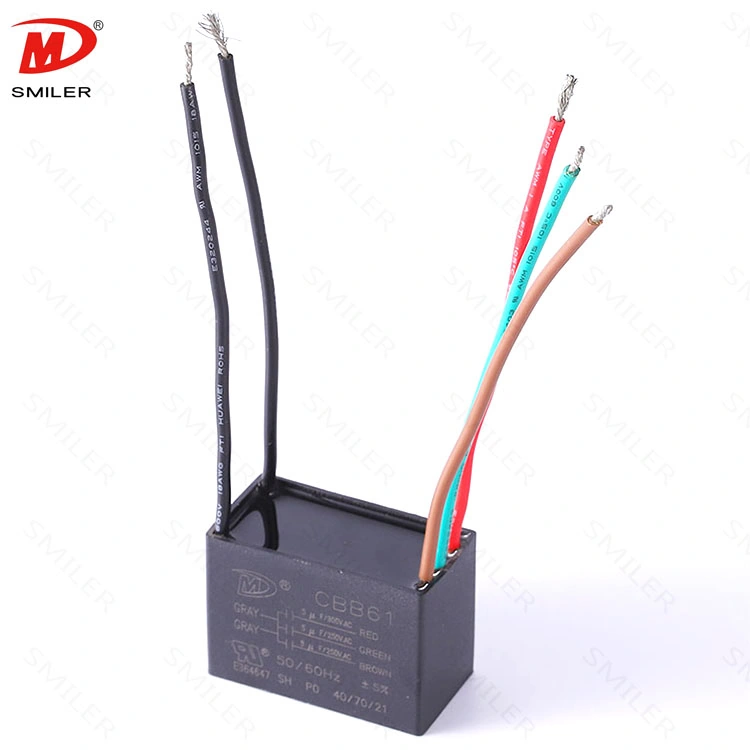
Once a capacitor goes bad, picking a budget option often starts a loop of quick failures. Low-end capacitors use poor metallized film. They also miss good heat control inside. Under steady voltage and warmth in a snug fan cover, the film wears out fast. But switching to a pro-grade choice like the SMILER capacitor CBB61 series stops these troubles. Made for AC single-phase motors, it uses a low-loss metallized polypropylene film. Plus, it's fully sealed with epoxy resin in a UL94 V-0 flame-retardant case. This gives strong self-healing and a long life, even in high heat. Poor parts annoy users. They also raise warranty issues and repair bills for shops.
Techs, sellers, and makers need dependable replacements for smooth work and a good name. Seek capacitors with a UL94 V-0 flame-retardant plastic case, fine self-healing, and high pass rates. For instance, SMILER capacitor delivers top options with over 99.93% qualification. With more than 15 years in film capacitors, they build tough CBB61 series for regular ceiling fans. They also offer the heavy CD60 series for start-up needs. Big global firms trust the SMILER capacitor. It provides custom OEM options with small order sizes. They answer tech questions in under 24 hours. So, your supply stays on track.
A: A multimeter gives a sure test. But you can spot a bad ceiling fan capacitor through its looks and how it works. If the blades need a hand turn to start, move very slowly at max speed, or if the capacitor's case looks bulged, melted, or warped, it's probably shot. Replace it right away.
A: Yes, you can do a simple continuity check with the Ohms setting. But it only flags if the capacitor is fully shorted or open. It won't check the real microfarad (µF) value. Ceiling fan capacitors often fade slowly. So, a resistance check alone might miss a weak one that seems okay.
A: No, it's neither safe nor correct. Disconnect the capacitor from the circuit first. If it's still linked, the multimeter reads the fan motor's resistance with it. That yields bad data and might hide a broken part.
A: Stick to a match of the original microfarad (µF) rating and voltage. A higher one, like swapping a 4.5µF CBB61 for a 6µF SMILER capacitor, pulls extra current. The motor then runs too hot. Over time, that burns the windings early.
A: Quick breakdowns come from using weak replacements. They can't take voltage jumps or heat in the fan box. To avoid this, pick strong parts like a solid CBB61 from a trusted maker. It has good inner sealing and fire-safe materials for lasting use.
Exploring How AC Capacitors and DC Capacitors Function Differently
Understanding Snubber Capacitor: RC vs. RCD Snubber Differences
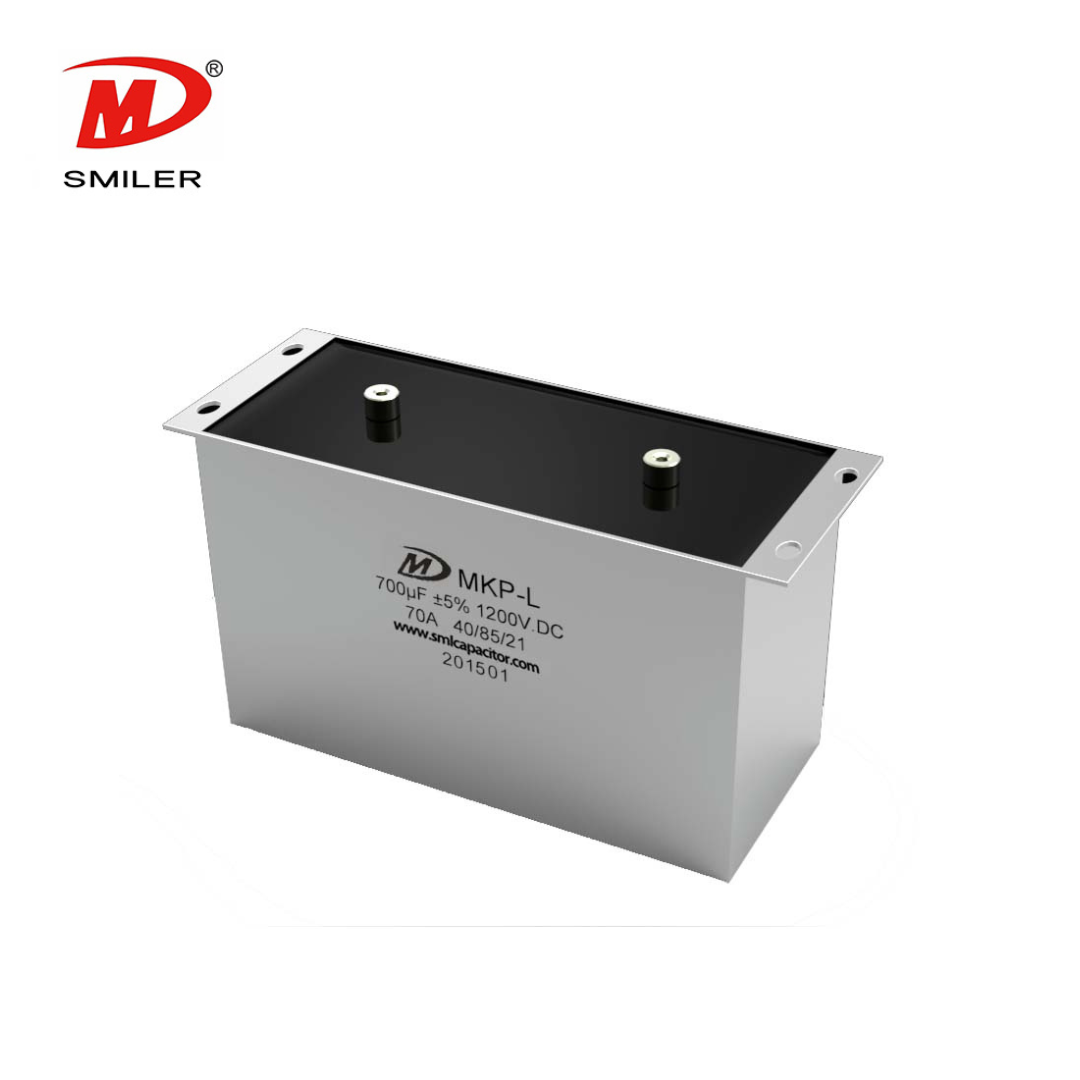
Understanding DC Capacitance to Prevent Converter Oscillations
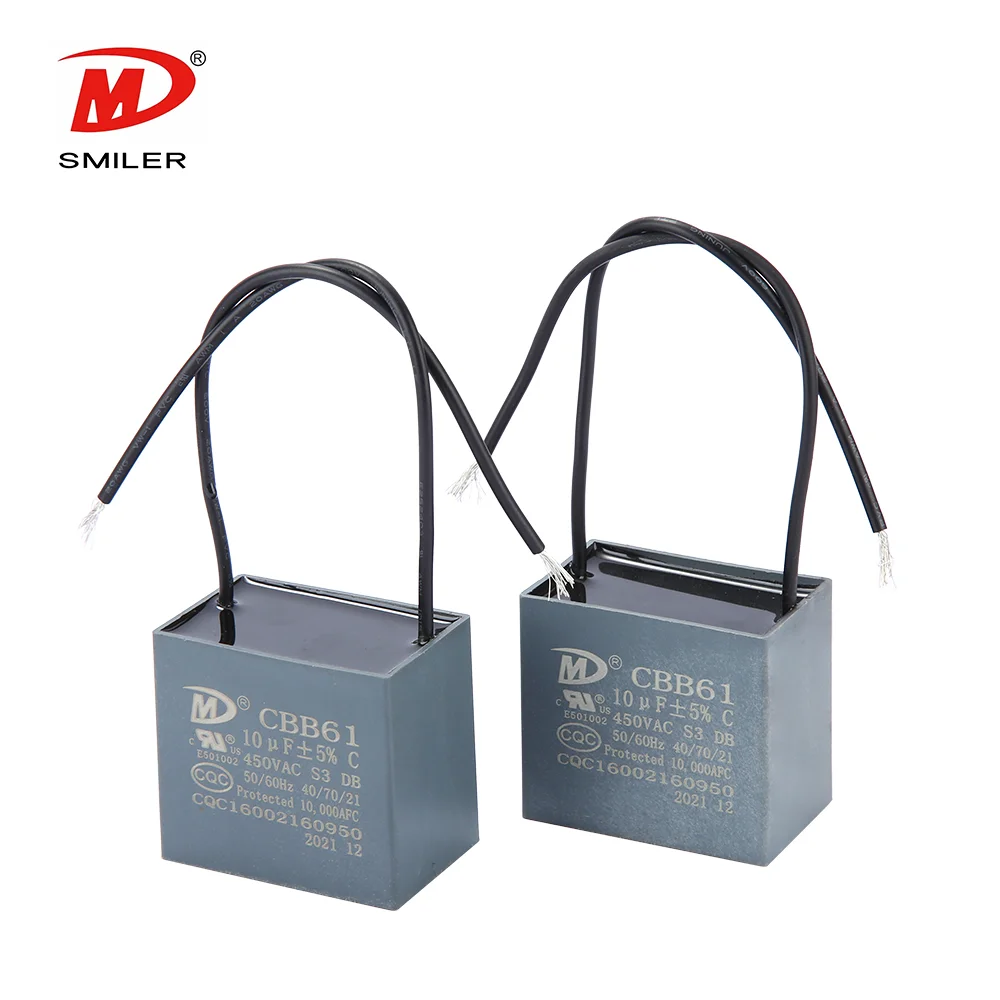
What Does a CBB61 Fan Capacitor Do? Exploring the Role of CBB61 Fan Capacitors
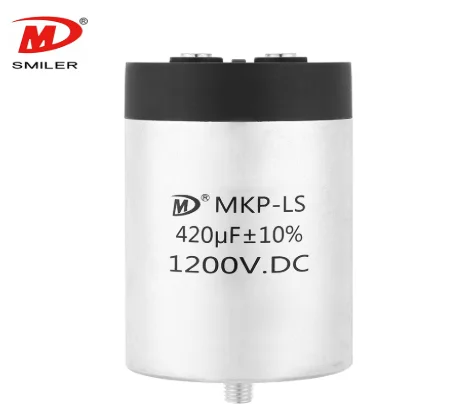
Mastering AC to DC Rectifier with Capacitor Techniques


 Add
Building 12,Huazhi Technology Innovation Center,28 Sanle East Road,Beijiao,Foshan,Guangdong,China
Add
Building 12,Huazhi Technology Innovation Center,28 Sanle East Road,Beijiao,Foshan,Guangdong,China
 Phone
+86 18007576965 / 0757-22391591
Phone
+86 18007576965 / 0757-22391591
 Email
ari@sml-cap.cn
Email
ari@sml-cap.cn



