

Differentiating between mechanical friction and a genuine ceiling fan capacitor failure is the crucial first step in restoring proper airflow. Before tearing into the electrical housing, homeowners must manually spin the blades to check for stiff bearings or heavy dust accumulation. If the blades move freely by hand but barely rotate when the power is engaged, the electrical starting component is highly likely to be to blame. If you are unsure whether your component is broken, check out our comprehensive guide on Ceiling Fan Capacitor Failure: 5 Signs to Replace Now for visual and auditory clues. Verifying the exact nature of the problem prevents unnecessary teardowns and focuses maintenance efforts where they matter most.
A safe inspection of your ceiling fan capacitor setup requires completely isolating the fixture from the main electrical grid. Turning off the wall switch is never sufficient; technicians must always flip the corresponding breaker in the service panel to guarantee zero active voltage. Once the power is definitively cut, carefully unscrew the light kit or the lower switch housing cup where the black rectangular electrical block is typically mounted. Proper preparation minimizes the risk of sudden shocks and creates a clean, accessible workspace for the upcoming diagnostic procedures.
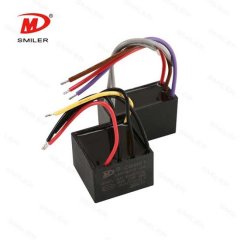
Safely discharging the old ceiling fan capacitor remains an absolute necessity before any physical contact or testing can occur. Even after grid power is removed, these internal components act as chemical batteries, storing enough residual electrical charge to deliver a severe shock. Repair personnel should use a heavily insulated screwdriver to bridge the metal terminal leads, allowing the stored energy to dissipate instantly with a small, harmless pop. Implementing this strict safety protocol protects both the technician and sensitive diagnostic equipment from unexpected high-voltage spikes.
Utilizing a digital multimeter to test a suspected bad ceiling fan capacitor provides undeniable numerical proof of its health. By setting the diagnostic tool to the capacitance mode and applying the probes to the discharged component's wires, you can read the exact microfarad output remaining in the system. A healthy unit will display a reading within five percent of the printed label, while a degraded part will show a drastic drop, confirming the need for a swap. For a detailed, step-by-step visual tutorial on reading ohms and capacitance, be sure to check our dedicated Multimeter Guide coming soon.
Snapping a sharp photo of your multi-wire ceiling fan capacitor links stops major wiring errors down the line. Newer units often have detailed parts with red, purple, gray, and brown cables for different speed options. Recording how these color lines link to the motor wires ensures you can match the factory setup exactly. If tricky drawings come up here, refer to our later 4-Wire & 5-Wire Tips for color-fit plans.
Fitting the new ceiling fan capacitor part needs careful wire joining for lasting power stability. Cut out the bad block first. Then peel back a bit of cover from the left motor wires to show clean copper. Bind the matching color wires from the new part firmly. Use right-size twist connectors or tape to hold them. A strong, shake-resistant link is essential. Weak ties can lead to risky sparks or early breakdown of the fresh setup.
Pairing the microfarad (µF) figures of your new ceiling fan capacitor to the maker's original specs is essential for motor care. A much lower capacitance will not create enough start force. As a result, the blades stay slow. On the flip side, a higher rating pushes too much current through the wires. This raises the heat a lot and brings quick damage. To see how small changes in ratings impact your motor, read our guide on Choosing the Right uF for a smart pick.
Switching to metallized film ceiling fan capacitors gives strong heat resistance over old liquid types. Warm air up high often makes regular parts bulge, drip, and quit early. The top polypropylene film method, seen in the common CBB61 Capacitor from SMILER capacitor, has a special fix-it feature. It cuts off tiny inside breaks right away. Choosing this smart material switch with the CBB61 line makes sure home and business cooling keeps a steady air flow for years.
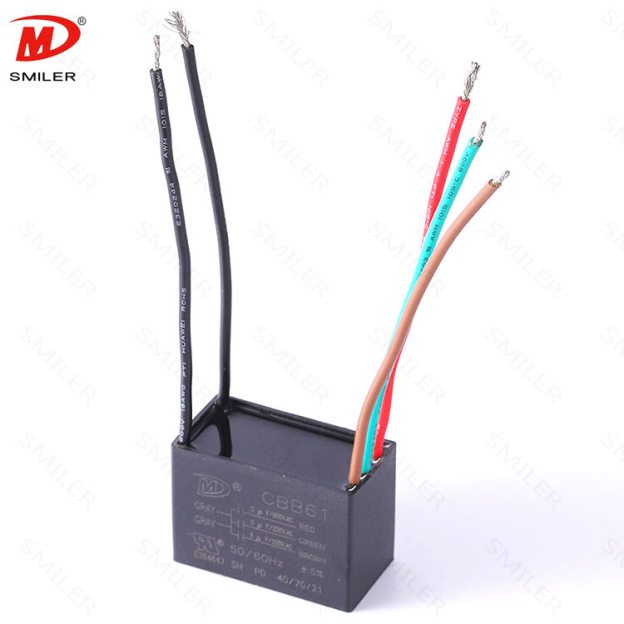
Getting your replacement ceiling fan capacitors from a well-approved maker like SMILER capacitor assures strong work-level results for group swaps. With more than 15 years of film capacitor know-how and 20 owned designs, the plant keeps a tight quality check area. These modern auto lines hit a pass rate over 99.93% every time. That wins faith from the top 500 global firms. When business sellers and fix teams need full trust, using these checked CBB61 parts cuts down on return issues.
Meeting varied business wants with custom ceiling fan capacitor orders and easy, low minimum order quantities makes SMILER capacitor stand out from usual sellers. Bulk buyers face trouble finding makers ready to build special voltage levels or odd wire setups without big starting orders. This quick plant gives a fitted design and helps with fast 24-hour replies. It makes sure your supply needs get handled soon. For small fix shops or big import jobs, getting perfect-fit power parts is now simpler.
A: For top reliability, SMILER capacitor stands out with its advanced CBB61 metallized film technology and leading 99.93% pass rate. Their tailored parts go through strict tests and gain trust from Fortune Global 500 brands. This brings lasting and safe results.
A: Pick a replacement that lines up exactly with the microfarad (µF) value, voltage (VAC), and wire number on the old faulty one. Wrong matches can stop the fan from turning or heat up the motor badly.
A: No, swapping them is not safe. A 5-wire type handles more speed or light tasks than a 4-wire one. Using the wrong one leads to missing features or risky power shorts.
A: The smart way is buying straight from focused B2B makers like SMILER capacitor. They provide easy Low MOQ, quick worldwide shipping, and custom specs for sellers seeking solid CBB61 types.
A: It may boost speed for a short time. But a part with a higher µF than needed will push the motor wires too hard. This builds extra heat and causes lasting harm to the whole unit.
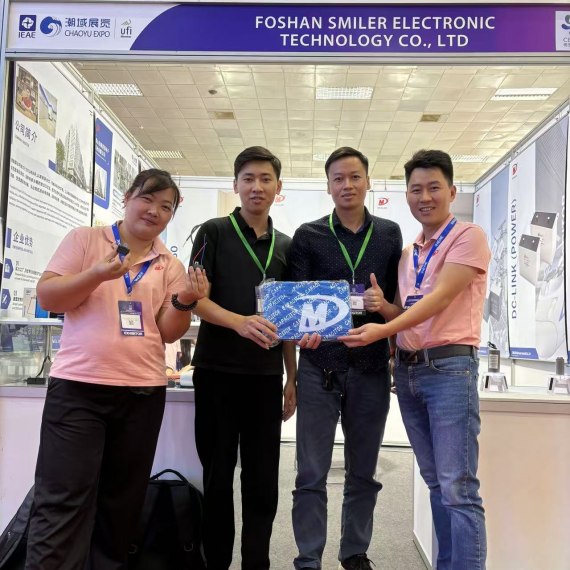
2024 VIETNAM INTERNATIONAL ELECTRONICS & SMART APPLIANCES EXPO
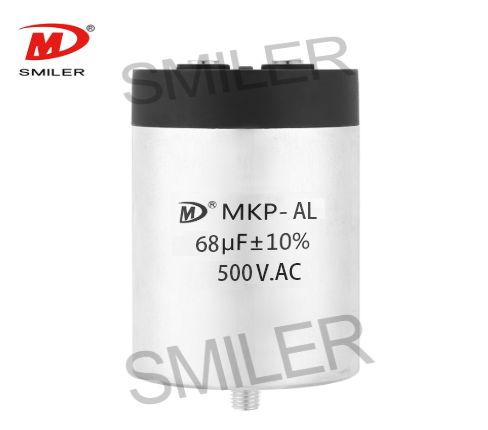
Exploring How AC Capacitors and DC Capacitors Function Differently
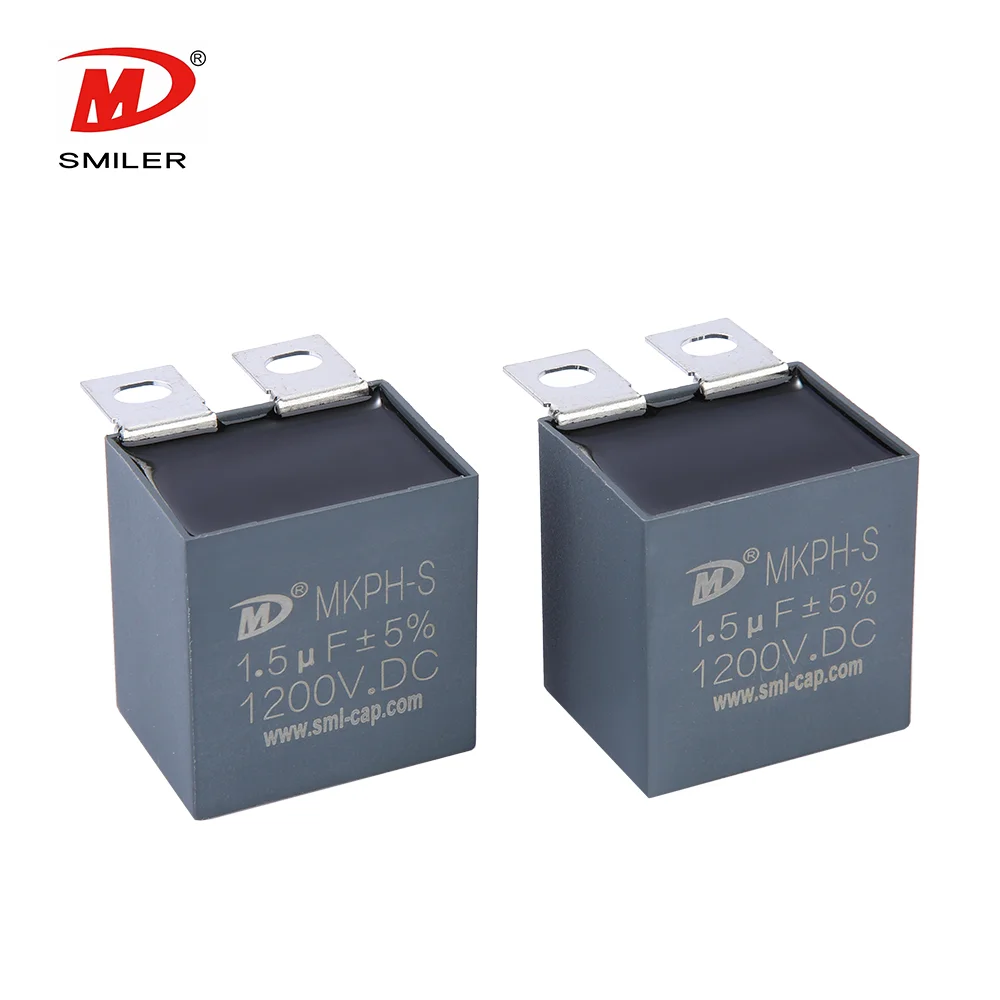
Understanding Snubber Capacitor: RC vs. RCD Snubber Differences
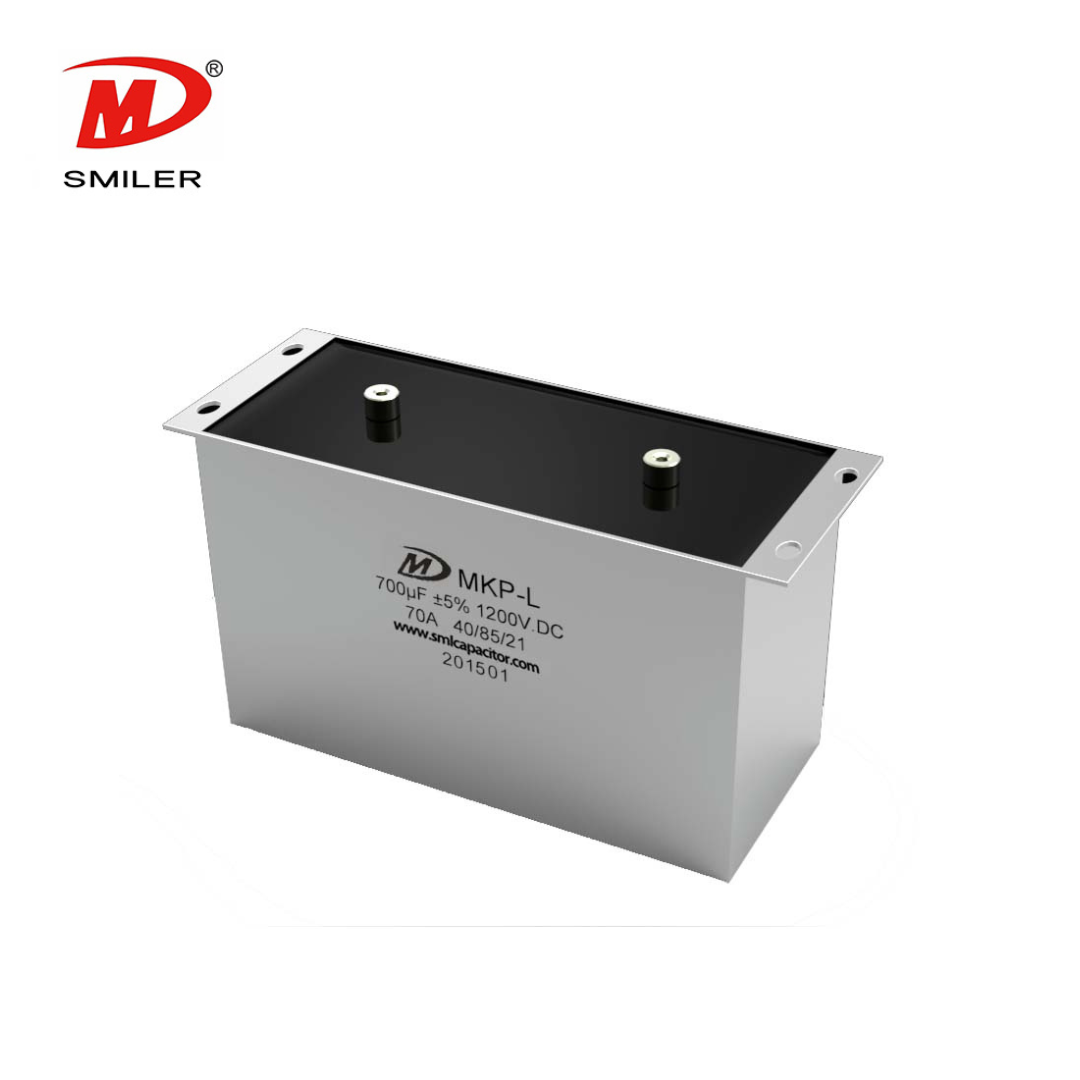
Understanding DC Capacitance to Prevent Converter Oscillations
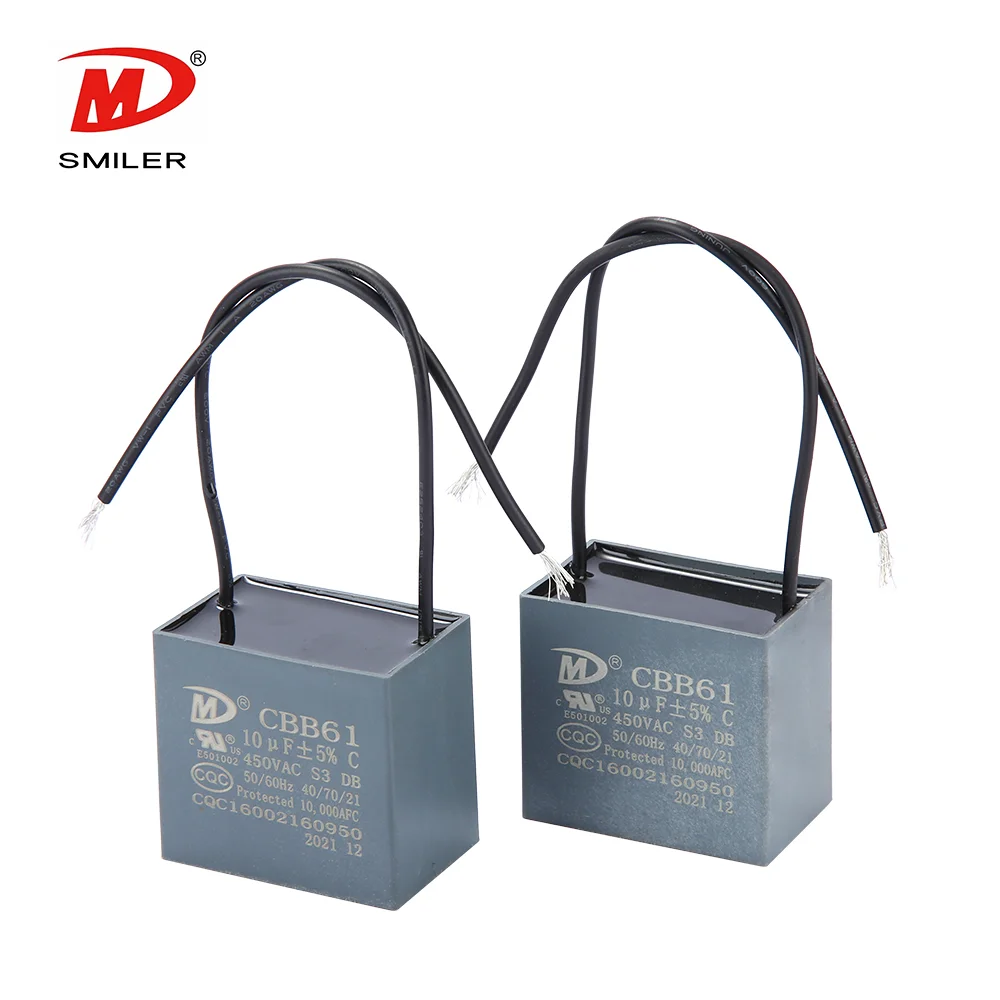
What Does a CBB61 Fan Capacitor Do? Exploring the Role of CBB61 Fan Capacitors


 Add
Building 12,Huazhi Technology Innovation Center,28 Sanle East Road,Beijiao,Foshan,Guangdong,China
Add
Building 12,Huazhi Technology Innovation Center,28 Sanle East Road,Beijiao,Foshan,Guangdong,China
 Phone
+86 18007576965 / 0757-22391591
Phone
+86 18007576965 / 0757-22391591
 Email
ari@sml-cap.cn
Email
ari@sml-cap.cn



