

Efficient power conversion is the backbone of modern industrial electronics, from renewable energy inverters to electric vehicle charging stations. While semiconductors handle the switching, the capacitor converts AC to DC systems from unstable inputs into smooth power sources by managing energy storage. In 2026, the industry is decisively shifting from electrolytic components to advanced metallized film technology, driven by the need for higher power density and zero maintenance. This guide identifies the best solutions for your next power electronics project.
Capacitors work as key energy holders. They maintain the steady voltage and guard weak parts during the change to direct current. In a usual chopper setup, the DC Link Capacitor serves as a storage spot. It takes in big wave currents from quick-switch IGBTs or MOSFETs. At the same time, it keeps a firm DC line voltage. Without this steady hold, power jumps would cut the changer's output. They could also wreck later loads. Plus, at the start point, special filter parts are needed. They block radio noise (EMI). This helps the unit meet tight grid rules. Knowing these clear jobs—blocking, damping, and DC holding—is basic for building a changer that runs well and lasts.
Designers need to focus on certain power traits. These matter more than plain size numbers for long system life in today's runs. The top factor is Equivalent Series Resistance (ESR). A small ESR cuts inside the heat from wave currents. That heat tops the list of part breaks in big-power uses. Also, heat hold is a must now. Picks favor parts that handle hot air around them. This fits open solar chargers or boxed car chargers. Self-fix tech, a key sign of film parts, adds safety. It stops big shorts in power jumps.
This list draws from run data and stock flow patterns. It covers the five best part types for 2026.
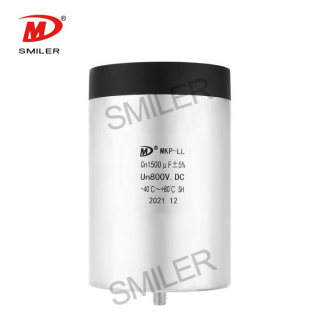
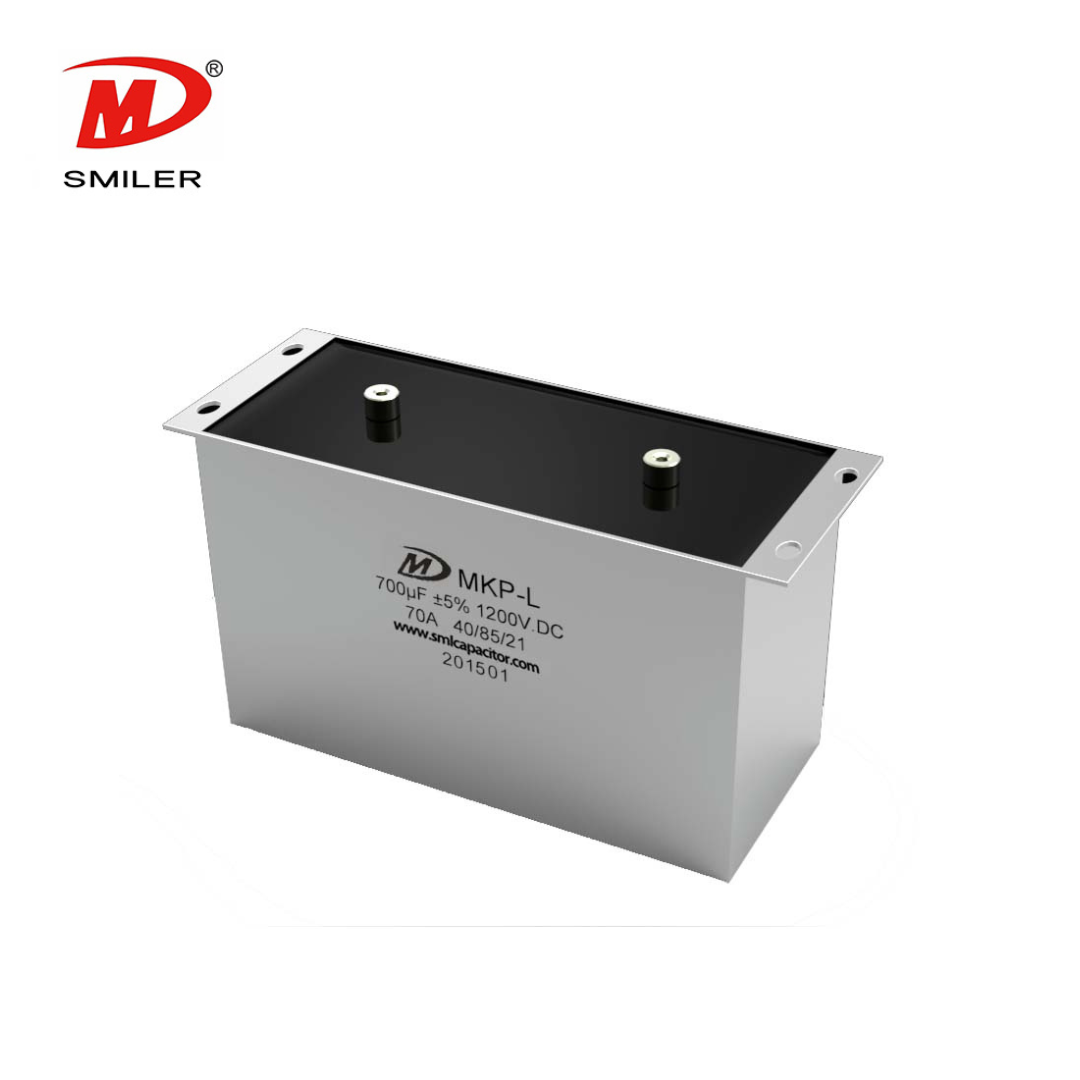
For the central energy storage in inverters, the DC Link MKP-LL Series stands out as the superior alternative to electrolytic banks. Designed specifically for DC-Link applications, this dry-type metallized polypropylene film capacitor offers ultra-low ESR and exceptional ripple current handling capabilities. Its robust construction eliminates the risk of electrolyte leakage, making it the ideal choice for electric vehicle (EV) powertrains and wind energy converters where maintenance is difficult and reliability is paramount.
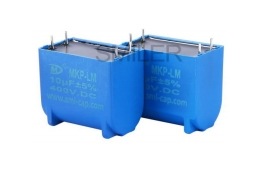
Power changers in rough open spots face water risks all the time. That can quickly wear down the usual inner layers. The MKP-LM Series uses a strong plastic cover and special seals. These give Temperature Humidity Bias (THB) hold. So it suits solar power chargers and open light drivers. There, the capacitor converts AC to DC and works steadily in wet air. It avoids drops in block strength.
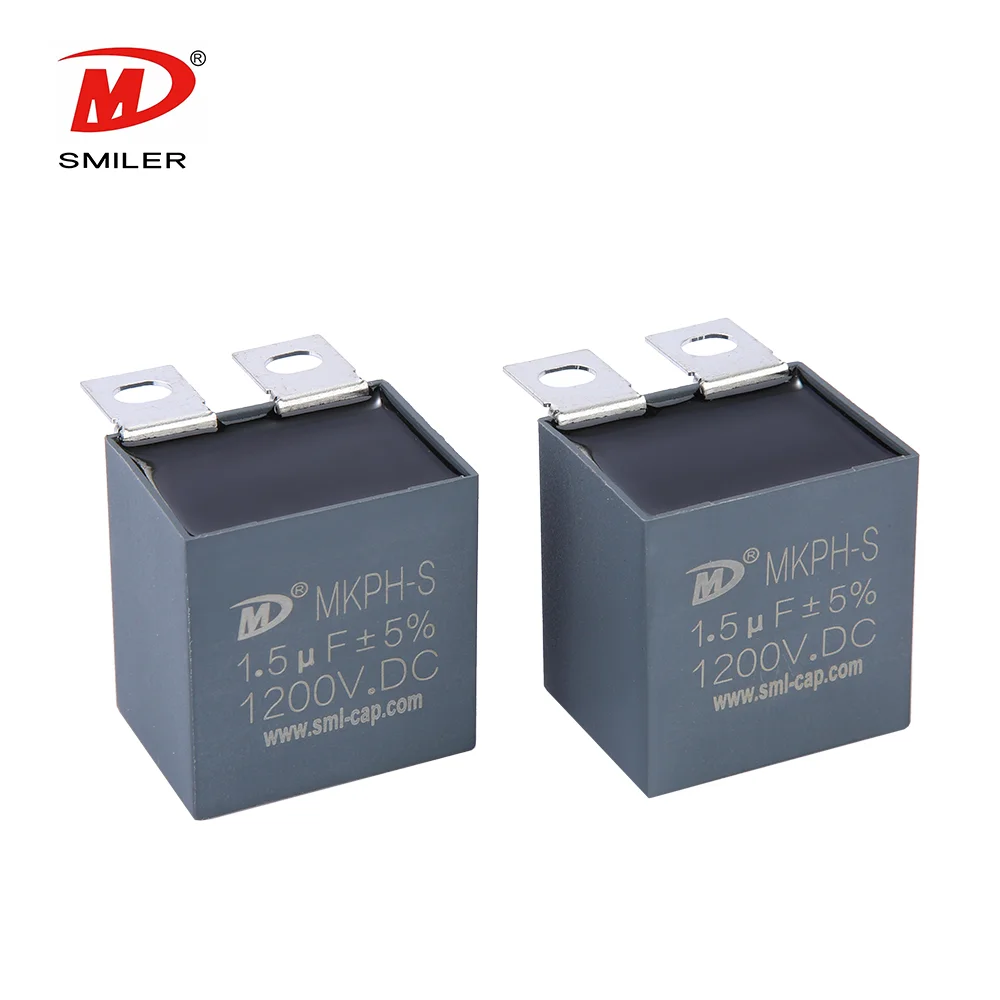
Protecting expensive switching modules from transient voltage spikes is critical for the survival of any AC/DC system. The MKPH-S Series is a specialized snubber capacitor designed with a double-sided metallized structure to withstand high pulse intensities and steep dv/dt rise times. By absorbing the energy spikes generated during IGBT switching, this component acts as a buffer that significantly extends the lifespan of the semiconductor modules in induction heating and welding equipment.
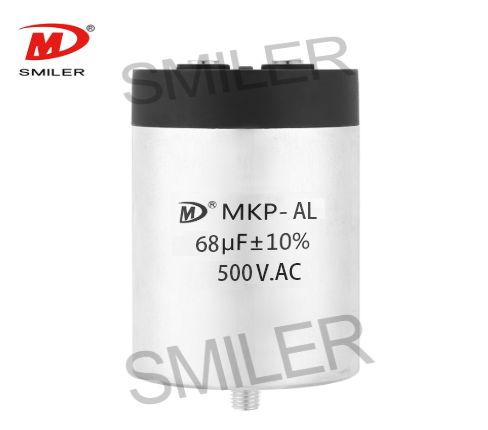
Before AC power hits the straight-current step, it needs clean-up from grid buzz and better power use. The CBB65 and MKP-AC Series fit AC start blocking. They have a blast-safe build (P2 level) and strong AC voltage hold. These parts see wide use in backup power units and factory supplies. They give the line fix needed for even later shifts.
Ready stock parts often make designers cut on room or power marks in tight changer builds. A Customized Capacitor Solution stands as the fifth and often top choice for hard tasks. It gives bendy case shapes, end setups, and set size values. Top makers back this with small start orders (MOQ) and fast 24-hour tech help. This lets you fit a part that matches your full system shape.
For a full spec list and to get the newest data sheets, check our in-depth post: Capacitor Converts AC to DC: The 2026 Expert Guide.
With more than 15 years in the field, SMILER Electronic Industrial Co., Ltd. serves as a go-to ally for big names like Midea and Home Depot. Unlike stiff sellers, we stand out as a "One-Stop Customization Specialist." We offer bendy low MOQ picks and quick 24-hour replies for first fixes. Our design team holds 20 patents. We keep a 99.93% part pass rate. This means each capacitor gives full output without cuts.
A: Film capacitors offer significantly lower Equivalent Series Resistance (ESR) and higher ripple current capability compared to electrolytic options. They also have a non-polarized design and a self-healing mechanism. This leads to a much longer operational lifespan. It ends the risks from fluid dry-out. So they fit high-trust factory uses.
A: You should select a capacitor with a rated voltage that exceeds the maximum DC bus voltage of your system, including any potential surge voltages. A common rule of thumb is to allow for a safety margin of at least 20-30% above the nominal operating voltage. This prevents inner-layer breaks. It ensures long-term trust under changing loads.
A: Standard capacitors are generally not recommended for outdoor environments due to their susceptibility to moisture ingress. It is crucial to select capacitors with a THB (Temperature Humidity Bias) rating, such as the MKP-LM series mentioned above. These are specially sealed. They hold up to wet and hot shifts without performance loss.
A: A snubber capacitor is placed across the switching terminals of semiconductors like IGBTs or MOSFETs. It blocks high-voltage jumps and cuts buzz from turn work. This guard is key to stopping chip breaks. It also lowers radio noise (EMI) in the power setup.
A: While many large manufacturers require high volume orders, specialized B2B suppliers often offer flexible customization with low Minimum Order Quantities (MOQ). Look for manufacturers that emphasize "One Stop Customization" services. They should have a record of aiding varied factory clients. Such firms better fit set design needs. They give quick model help.
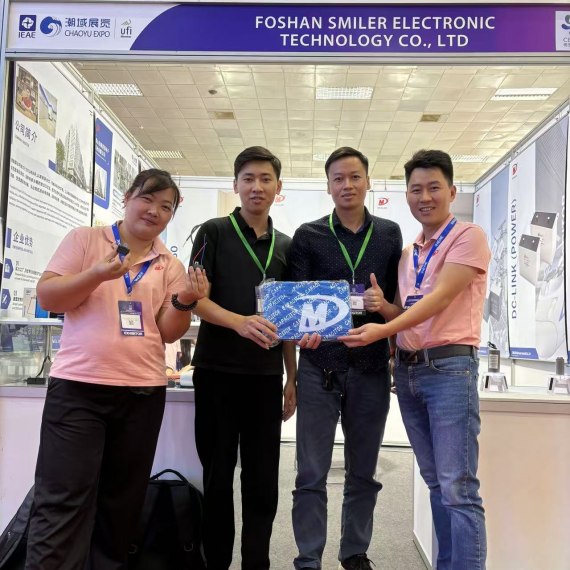
2024 VIETNAM INTERNATIONAL ELECTRONICS & SMART APPLIANCES EXPO
Exploring How AC Capacitors and DC Capacitors Function Differently
Understanding Snubber Capacitor: RC vs. RCD Snubber Differences
Understanding DC Capacitance to Prevent Converter Oscillations
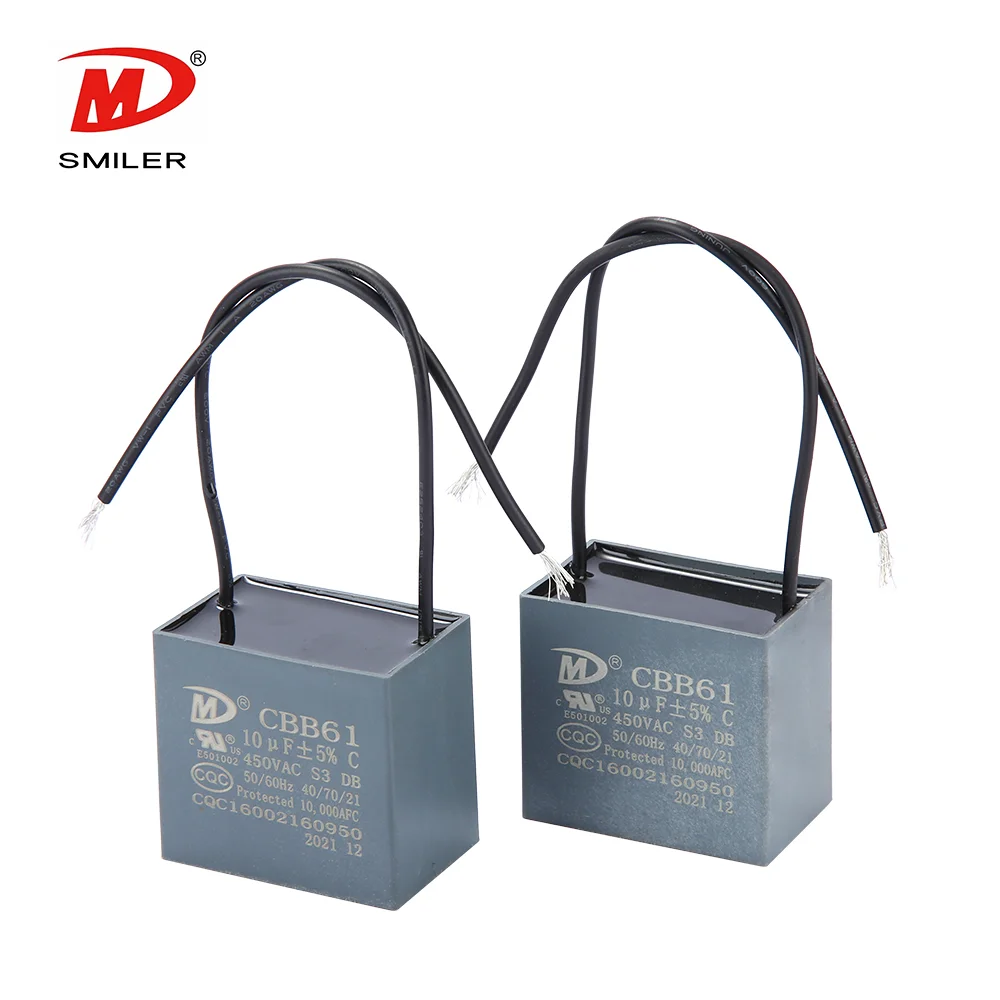
What Does a CBB61 Fan Capacitor Do? Exploring the Role of CBB61 Fan Capacitors


 Add
Building 12,Huazhi Technology Innovation Center,28 Sanle East Road,Beijiao,Foshan,Guangdong,China
Add
Building 12,Huazhi Technology Innovation Center,28 Sanle East Road,Beijiao,Foshan,Guangdong,China
 Phone
+86 18007576965 / 0757-22391591
Phone
+86 18007576965 / 0757-22391591
 Email
ari@sml-cap.cn
Email
ari@sml-cap.cn



