

When you look up flux capacitor AC unit on the web, thoughts may quickly go to that famous time-jumping vehicle from old sci-fi movies. In the actual heating, ventilation, and air conditioning field, people often use this word as a fun label. Homeowners and techs call a silver, tube-shaped part by that name. It helps to know the facts behind this movie joke. This knowledge matters for keeping your cooling setup in good shape. Swapping this piece won't send you back in time. Still, it plays a key role in your home's comfort.
This part works as the power holder for your whole cooling arrangement. Its main job is to supply a steady voltage and current. It does this while the compressor and fan motors work. Think of it as a smart power controller. It helps the motor run smoothly and saves energy overall. Without this steady electrical help, your air conditioning would not hold even room temperatures. This would happen on the warmest days.
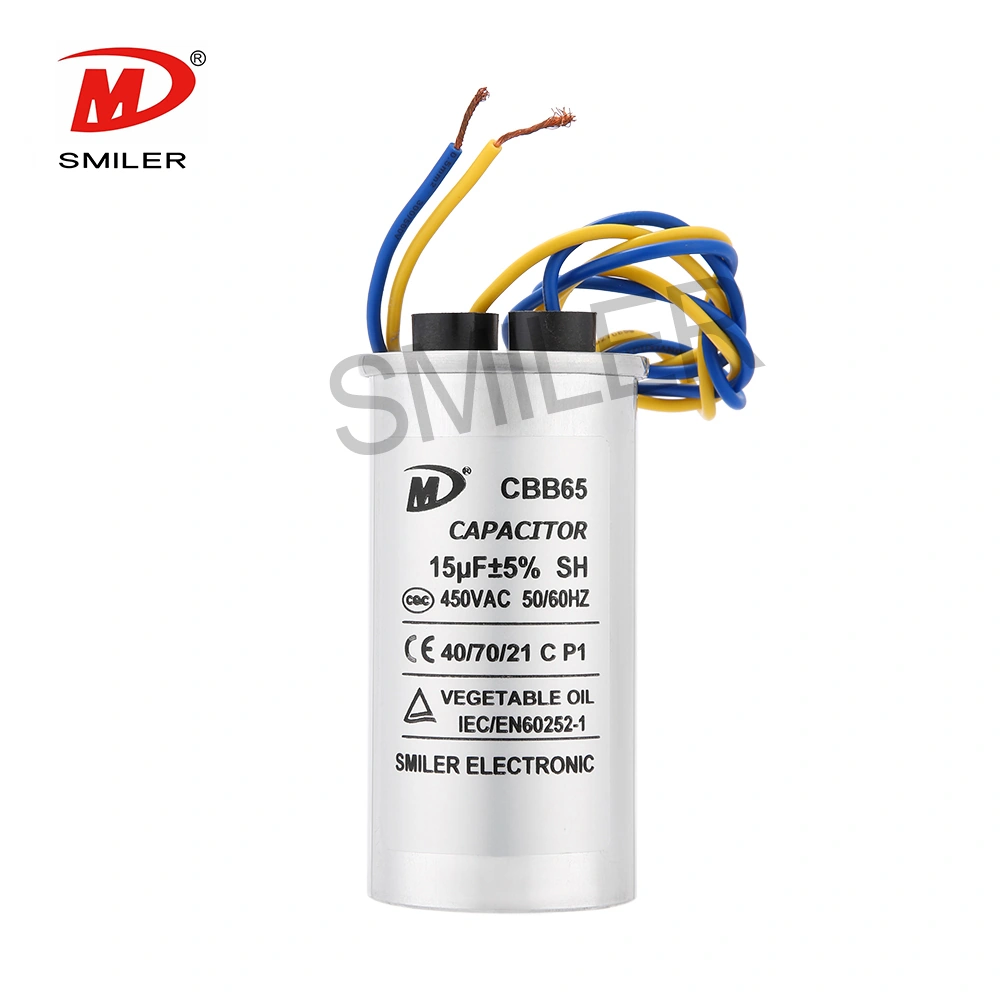
Many mix up start capacitors with run capacitors during fixes. A start capacitor has one clear task. It gives a strong starting push of power. When the cooling starts, this part lets out a big rush of saved energy. It does this in just a few seconds. The goal is to get the compressor past its starting drag. After the motor hits its normal speed, the start capacitor cuts off from the circuit. Its work ends there.
Run capacitors differ a lot. They keep the air conditioner running well over time. This part stays on during the full cooling run. It fine-tunes the power going to the motors. If it starts to wear out, the motor's work drops fast. Then, the system has to push harder. In the end, your power bills go up.
Spotting a bad part is a useful skill for owners or repair folks. Old or broken parts show plain sights and sounds. Listen for a soft hum or buzz from the outside unit. If the fan does not turn, that points to trouble. Look for swelling or leaks from the top of the silver tube. These signs mean it is failing. Short cooling times are another clue you should not skip.
Skip those early clues, and problems pile up fast. A weak electrical part makes the motor pull too much without enough power. This hard work heats up the motor. It can even wreck the costly compressor. Catch and fix the issue quickly. That stops a full and pricey system failure.
In business HVAC changes, the inside build sets how long the capacitor lasts. Good ones, like the CBB65 Capacitor, use strong metallized polypropylene film. This inside layer cuts power waste. It keeps the heat low even in hot summer peaks. Add oil inside and a tough aluminum case. Together, they give self-repair traits for a long life without fixes.
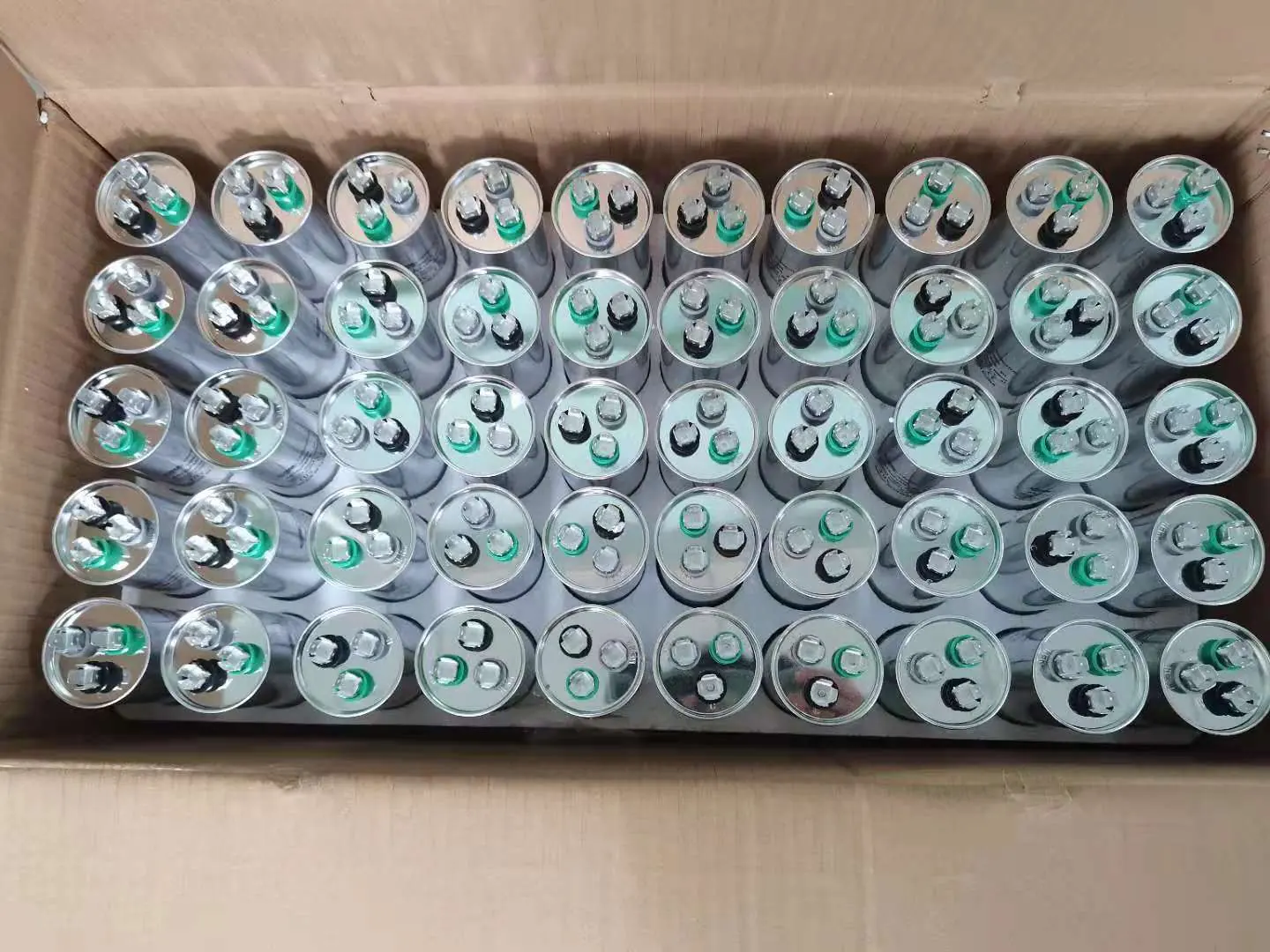
For factory or tough home uses, safety comes first. A top run capacitor handles big electrical strain. That is why the SMILER capacitor CBB65 series has a built-in blast guard. This key safety bit, plus tight checks for steady power hold, makes sure it breaks safely. It won't harm your pricey AC compressor. This makes it a solid pick for any heating and cooling setup.
Picking a solid maker is the basis for a strong supply line in business buying. Cooling gear needs exact power specs. A good supplier offers low order minimums and exact changes to fit buyer needs. This setup cuts the stock load for business folks. It also boosts money flow.
Working with a solid partner is the main way to win in a tough market. SMILER capacitor keeps every group of goods at a high pass rate. It fits light home needs or big business ones. The brand sticks to firm quality steps. Pick a maker with a skilled design team and good lab tools. This ensures steady power for your heating and cooling gear over time.
A: In a real-world heating and cooling system, this popular term actually refers to the run capacitor or start capacitor. It is an energy-storing device responsible for providing the stable voltage required to start or continuously run the compressor and fan motors.
A: The most common signs of failure include the outdoor equipment making a humming noise without actually cooling the air, the system restarting frequently, a noticeable drop in cooling efficiency, and physical symptoms like a bulging or leaking outer shell.
A: The replacement cost generally depends on the specific air conditioning model and local labor rates. While high-quality parts like the SMILER capacitor are reasonably priced, replacing them promptly will save you from the exorbitant costs of repairing a completely ruined compressor motor.
A: Yes, it absolutely can. A damaged component causes the motor to operate under unstable voltage conditions, which generates excessive heat. Running under this heavy load for extended periods will very likely cause the compressor to burn out entirely.
A: A buzzing or humming noise usually means the component is trying to supply electrical power to the motor but lacks the capacity to deliver the necessary voltage due to internal degradation. You should immediately turn off the power supply and call a professional for an inspection.
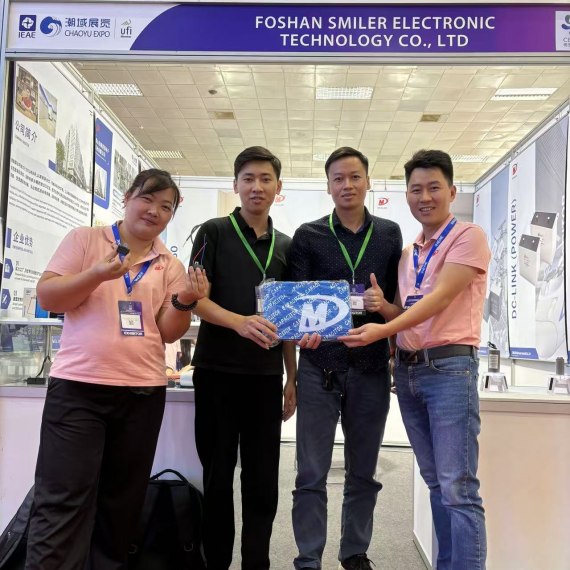
2024 VIETNAM INTERNATIONAL ELECTRONICS & SMART APPLIANCES EXPO
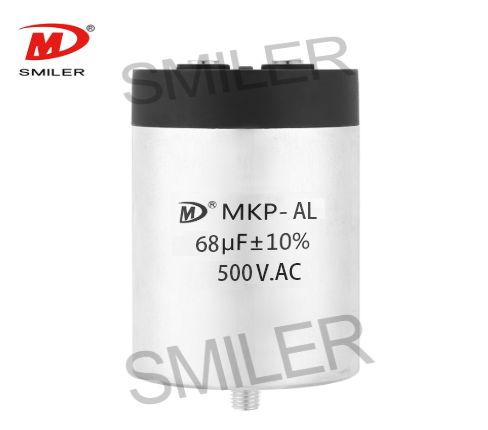
Exploring How AC Capacitors and DC Capacitors Function Differently
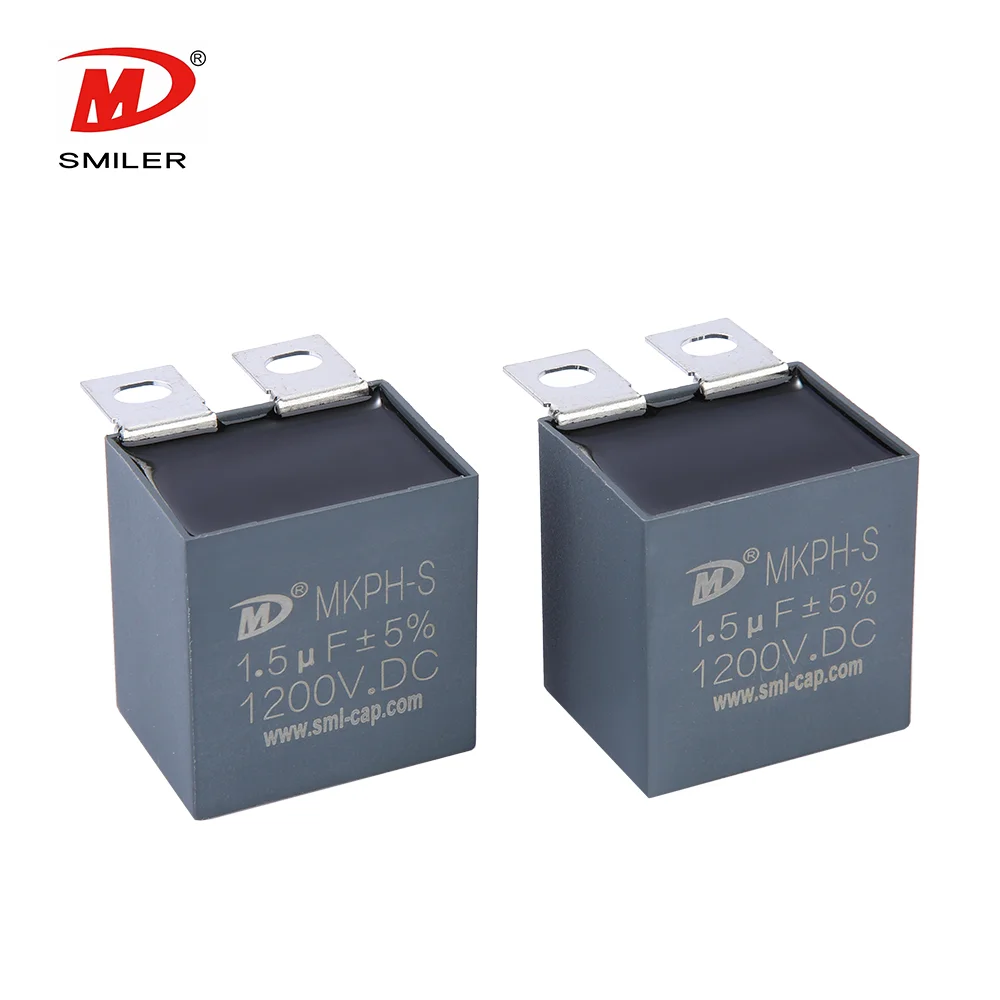
Understanding Snubber Capacitor: RC vs. RCD Snubber Differences
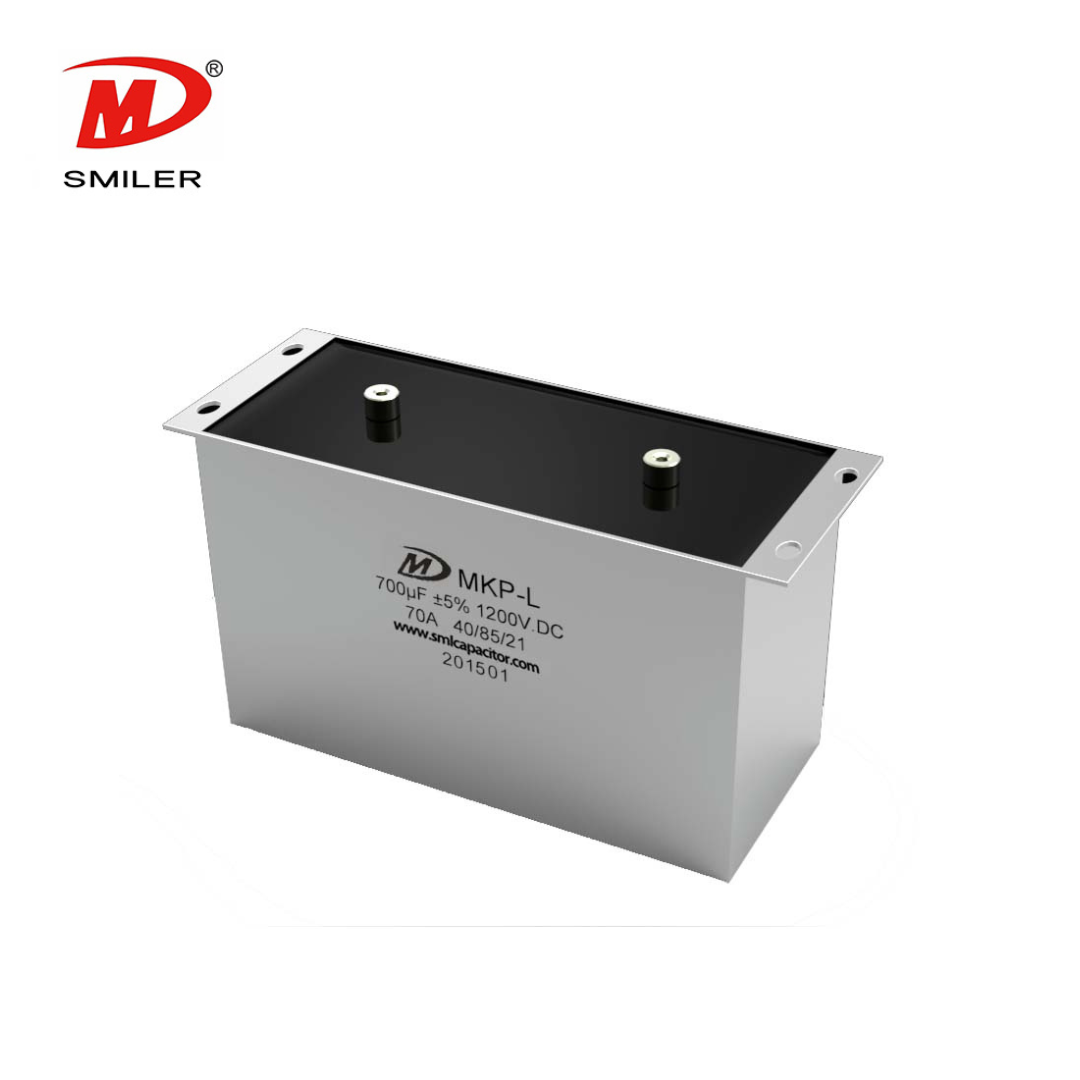
Understanding DC Capacitance to Prevent Converter Oscillations
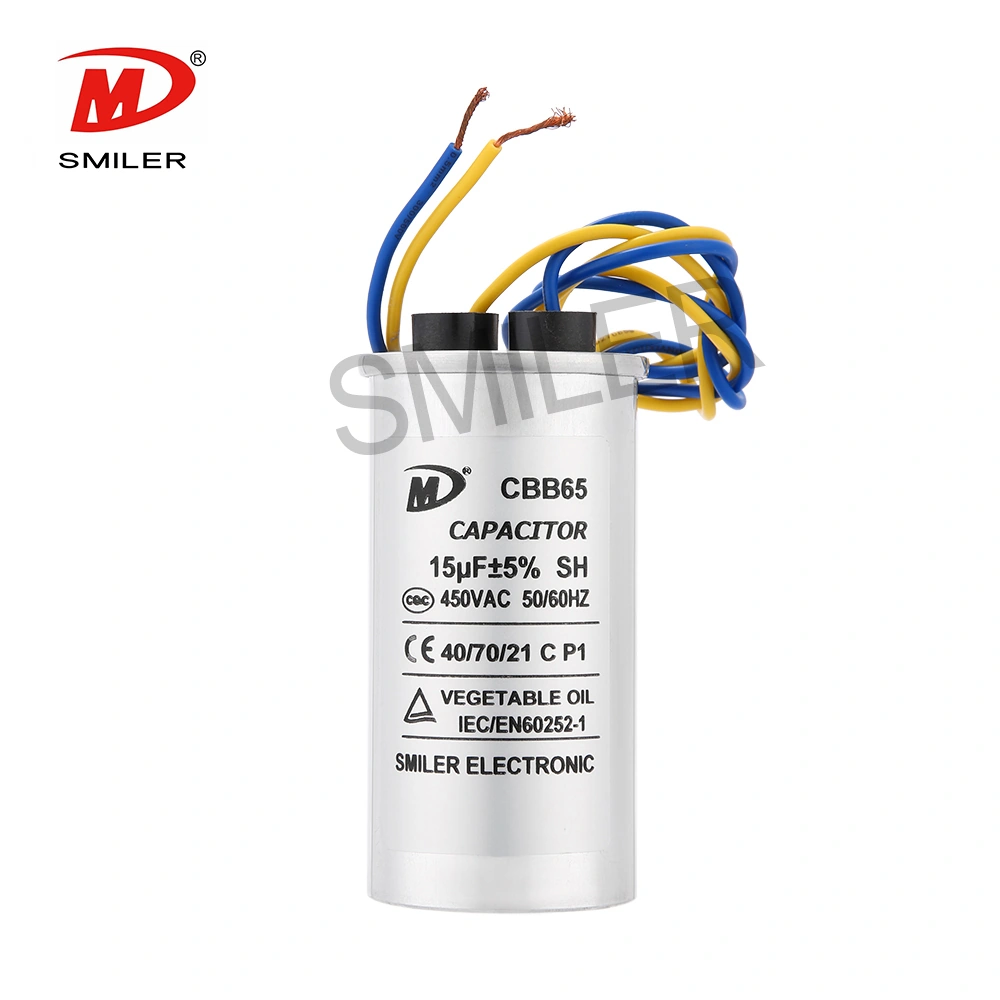
Understanding AC Flux Capacitor: The Role of Run Capacitors


 Add
Building 12,Huazhi Technology Innovation Center,28 Sanle East Road,Beijiao,Foshan,Guangdong,China
Add
Building 12,Huazhi Technology Innovation Center,28 Sanle East Road,Beijiao,Foshan,Guangdong,China
 Phone
+86 18007576965 / 0757-22391591
Phone
+86 18007576965 / 0757-22391591
 Email
ari@sml-cap.cn
Email
ari@sml-cap.cn



