

Capacitance in DC circuits acts quite differently from its role in AC setups. This difference makes it key to grasp its special traits in factory uses. "Isolating DC but passing AC" stands as one key feature of capacitors. AC lets electricity flow, yet DC faces resistance. Why does this happen? When linked to a DC source, a capacitor first lets a rush of current pass as it fills up. But soon after, in mere milliseconds, the flow halts. It then works like an open path. When you connect the capacitor's ends to a DC supply, it starts charging. A charging current appears in the setup. However, this phase lasts just a brief moment. Often, it takes only about one thousandth of a second to finish charging right away. This action stands in stark contrast to AC circuits. There, the voltage keeps shifting all the time. So, it leads to ongoing charge and discharge steps. This creates a sense of current moving, even though no real electron shift crosses the insulating layer.
This trait turns capacitors into great choices for holding energy and steadying voltage in DC settings. In AC systems, the regular flip of voltage direction lets capacitors keep reacting. But in DC systems, once the voltage settles, capacitors hold their charge. And they help keep the circuit steady in various other ways.
Capacitance in DC circuits is extensively used across industrial power infrastructures for voltage smoothing, noise decoupling, and energy buffering. One primary application is ripple reduction in rectified outputs. After converting AC to DC using rectifiers, residual voltage fluctuations—known as ripple—can affect sensitive equipment. Capacitors absorb these fluctuations by charging during peaks and discharging during dips.
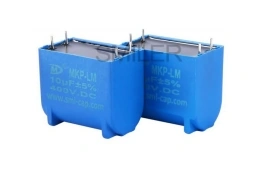
Another vital task includes buffering energy amid load shifts or short power drops. In setups like robotic arms or auto conveyors, quick jumps in current needs can lead to voltage falls. Capacitors give out stored energy to cover these shortfalls. Thus, they stop breakdowns.
In control setups with PLCs or microcontrollers, decoupling capacitors near ICs block high-frequency noise. They also steady power flow. This matters a lot in plant automation. There, electromagnetic interference might spark logic mistakes or system reboots.
Selecting incorrect capacitance values in a DC circuit can severely compromise system reliability and performance. Undersized capacitors fail to provide sufficient charge storage, resulting in voltage instability and ineffective ripple suppression. This can manifest as flickering displays, erratic sensor readings, or controller faults.
Conversely, oversized capacitors may introduce issues such as extended startup times due to prolonged charging or excessive inrush currents that stress power supplies. Additionally, unnecessary capacitance adds physical bulk and cost without operational benefit.
Effective design using capacitance in DC circuits begins with evaluating key parameters. Loading the current profile is crucial—higher currents demand larger capacitance to maintain voltage stability. Voltage tolerance also dictates how much deviation from nominal voltage can be tolerated during transients.
Ripple voltage specifications determine the minimum capacitance needed to smooth fluctuations effectively. Transient response time expectations guide how quickly the capacitor must react to load changes.
Environmental factors such as ambient temperature and mechanical vibration impact capacitor selection as well. Components must withstand thermal cycling and shock without performance degradation or failure.
Designers often use RC time constant formulas—τ = R × C—to figure out charge or discharge speed against circuit resistance. This aids in guessing how long a capacitor can back a load during short cuts.
Modeling programs like SPICE-based ones let one see circuit actions under changing states. These tools show ripple cuts, start patterns, and quick replies with different capacitor sizes.
A usual slip is skipping Equivalent Series Resistance (ESR). High ESR causes more inner heat and cuts output under big ripple states. In high heat or voltage, electrolytic capacitors break down more quickly. This leads to less capacitance as time goes on.
Last, counting only on base capacitance figures without noting leeway—often ±5% to ±10%—can bring surprise shifts from planned output.
Big-power factory systems like motor drives or robotic movers rely heavily on steady DC bus voltages. Here, large film or aluminum electrolytic capacitors soak up fast load changes. They store big energy stocks.
They also filter by cutting high-frequency switch noise from power changers and inverters. This lowers EMI output and guards sensitive next-stage gear from voltage jumps or wave distortions.
In control boxes with PLCs and relays, capacitance keeps things going during short voltage lows from inductive loads. Such loads include solenoids or motors starting at once. Capacitors let out charge fast to hold logic voltages. This avoids control slip-ups.
Bigger-value capacitors might aid short backup roles too. They let key processes shut down when power cuts occur suddenly. This proves key for safety musts like chemical dosing or conveyor locks.
In solar setups, DC Link Capacitors even out output swings from PV panels. This happens before sending power to batteries or inverters. These units ensure steady charge paths even as the sun's strength changes over the day.
Off-grid setups gain a lot from smart capacitance plans. They buffer spotty power making and steady voltage in battery charge-discharge steps.
At SMILER capacitor, our item building focuses on fixing true issues tied to capacitance in DC circuits. We craft parts with low ESR to cut heat, make, and secure high ripple current handle—both vital for sure factory work.
Our capacitors aim for long run times even under steady electric strain. Operation lifetime 50,000 h at VR and 85℃ shows the toughness needed for round-the-clock making spots.
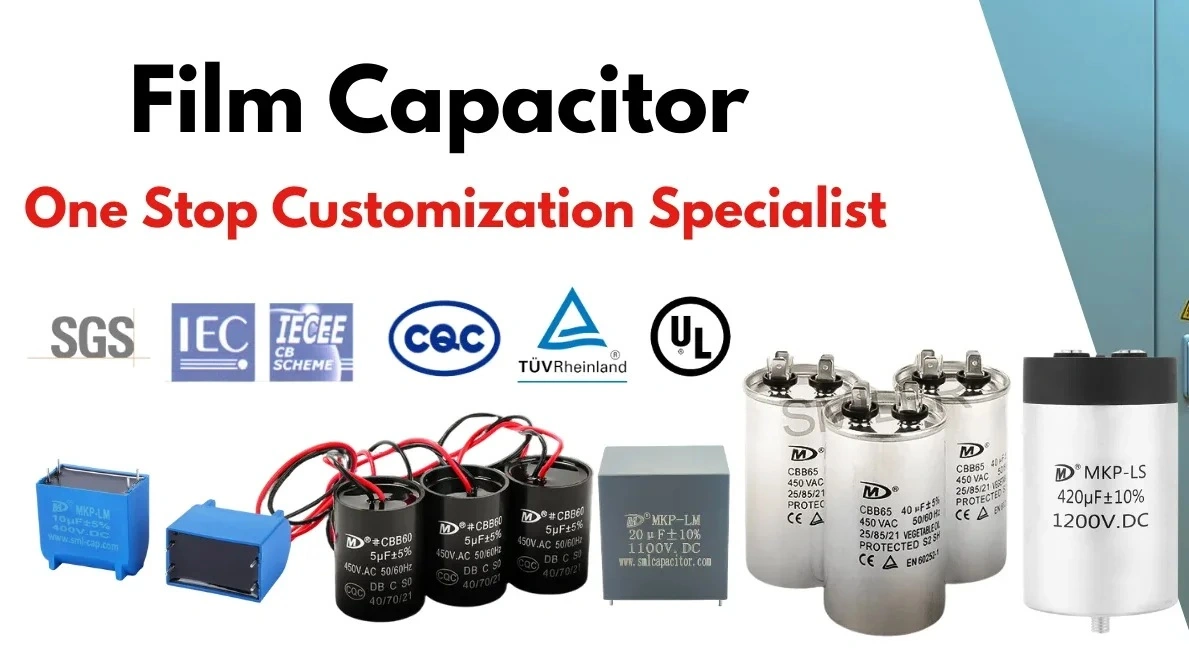
These suit rectifier output smoothing, where big current rushes often happen. They come in screw-terminal and snap-in styles. So, they give fit ease for setup in many shapes.
Jobs like CNC machine updates have used these capacitors well. They swapped old parts that led to shaky spindle action. This brought back system trust without redoing the whole power unit.
With strong insulating steadiness and low-loss traits, these fit high-frequency switch spots like IGBT-based changers. They show little shift over time. This cuts upkeep needs for years of running.
A fresh use in an auto SMT line got a steady EMI block after adding SMILER capacitor's Film capacitors at the inverter ends. It helped meet global EMC rules.
SMILER capacitor gives model-supported pick tools. They help dodge risks of too-small or too-big capacitors from real cases. This ensures top output from the get-go.
Our parts hit strict rules for heat, bear, shake, and wet hold. Performance requirements: 1000 hours / 85°C / 85% relative humidity with VR back endurance under factory hard spots.
By cutting capacitance shift over years of use, SMILER's capacitors shorten fix times and fully own the cost. They keep steady electric action throughout their life.
A: In DC circuits, capacitors mainly work to smooth voltage ripple, store energy during transients, and suppress electrical noise—making them essential for maintaining stable operation in industrial systems.
A: Selection depends on load current, acceptable ripple voltage, transient response requirements, and environmental conditions; simulation tools or consulting manufacturers like SMILER capacitor can help optimize sizing accurately.
A: Electrolytic capacitors offer higher capacitance per volume for bulk energy storage; film capacitors are preferred where low ESR and high-frequency filtering are critical—each suits different design goals.
A: Oversized capacitors can increase startup current draw, delay system boot-up times, and potentially stress power components unnecessarily without improving performance.
A: SMILER capacitor provides a range of aluminum electrolytic and film capacitors engineered specifically for industrial use cases, featuring long life ratings, low ESR, and custom tuning support for optimal integration.
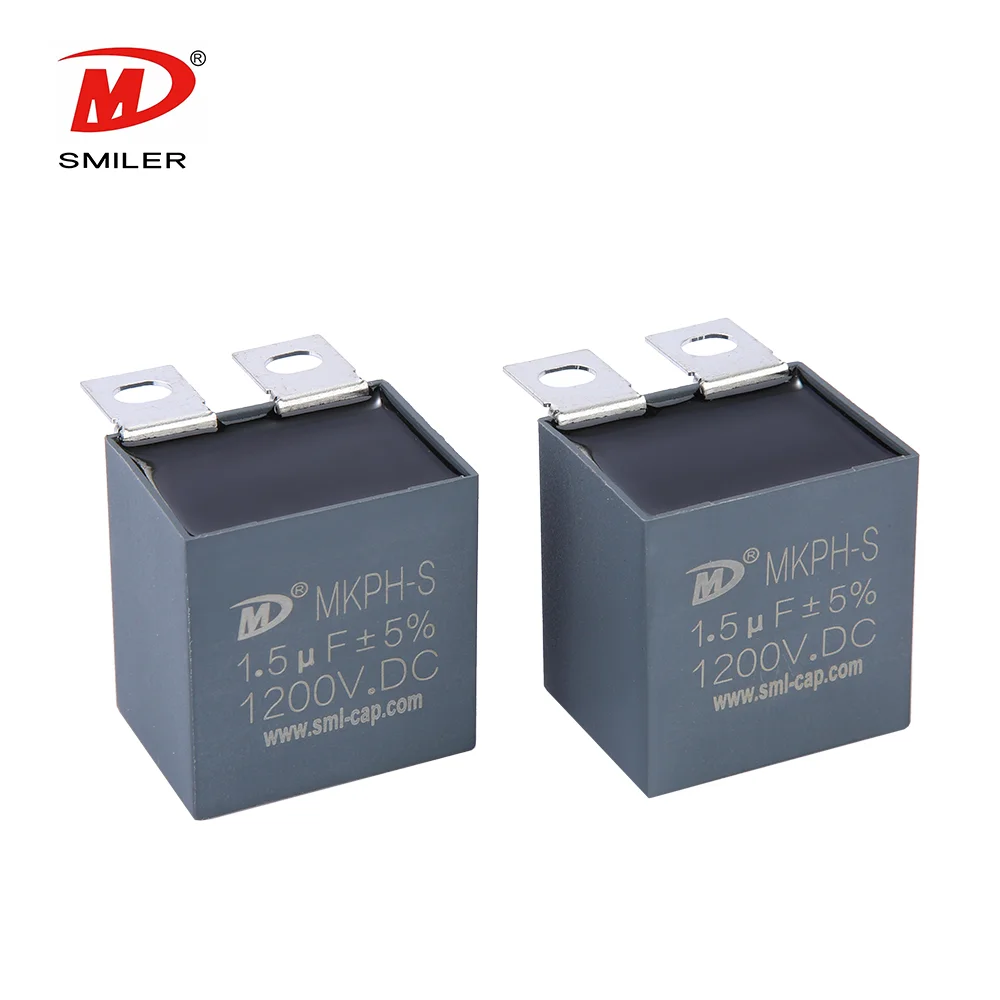
Understanding Snubber Capacitor: RC vs. RCD Snubber Differences
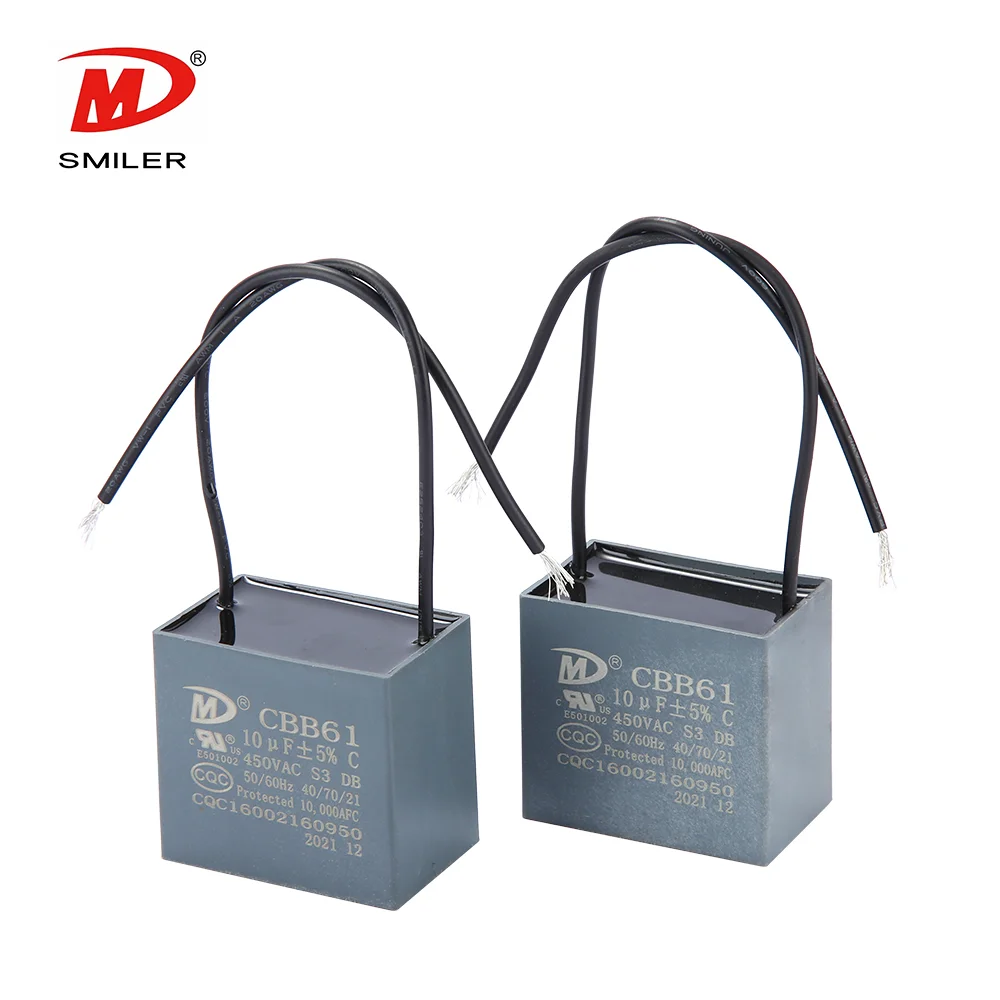
What Does a CBB61 Fan Capacitor Do? Exploring the Role of CBB61 Fan Capacitors
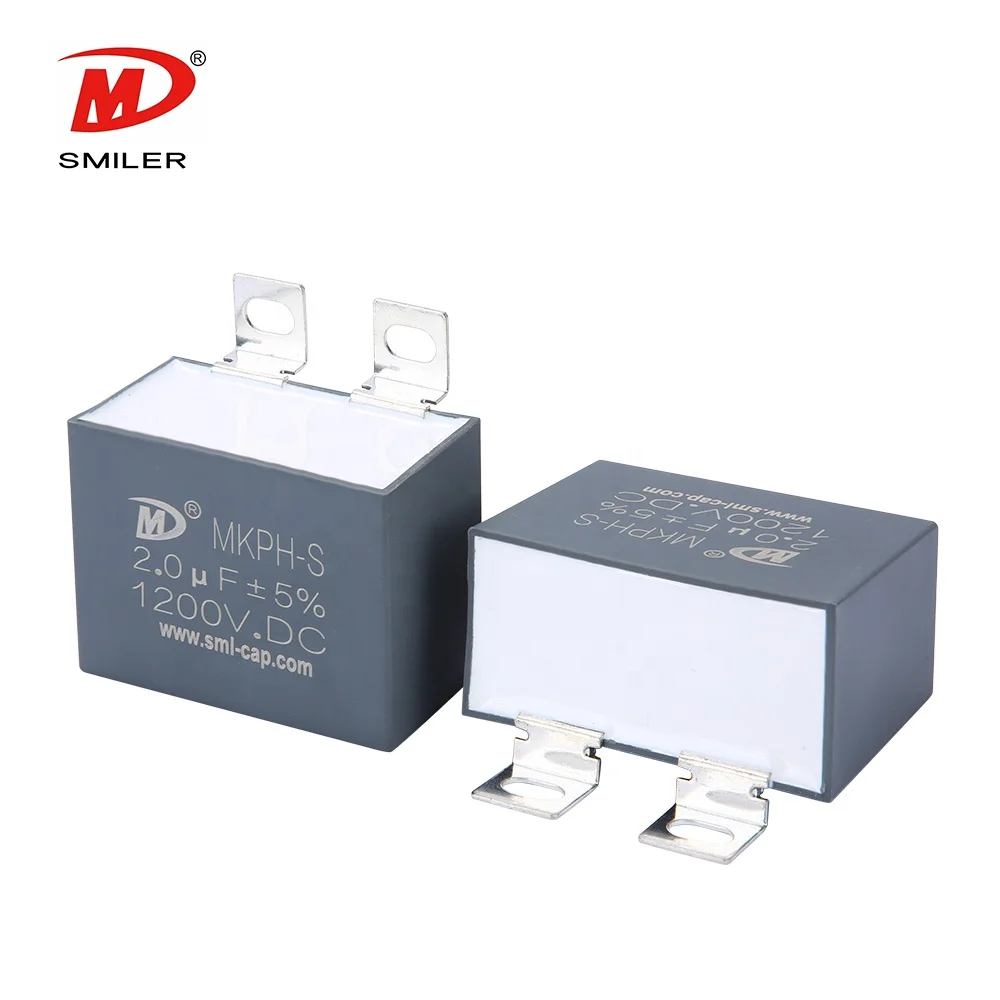
SMILER's Guide to Selecting the Right Snubber Capacitor Type
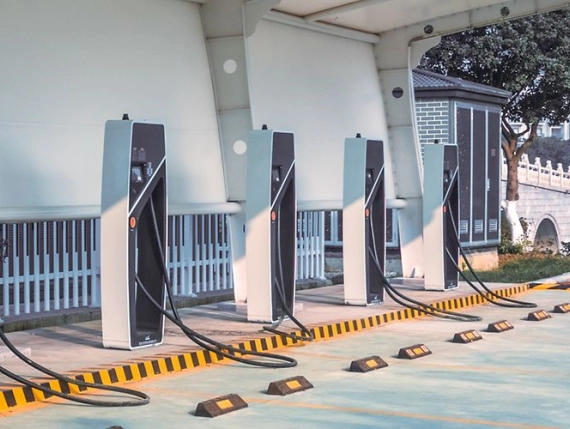
Application of DC-Link Capacitors in EV Fast Chargers
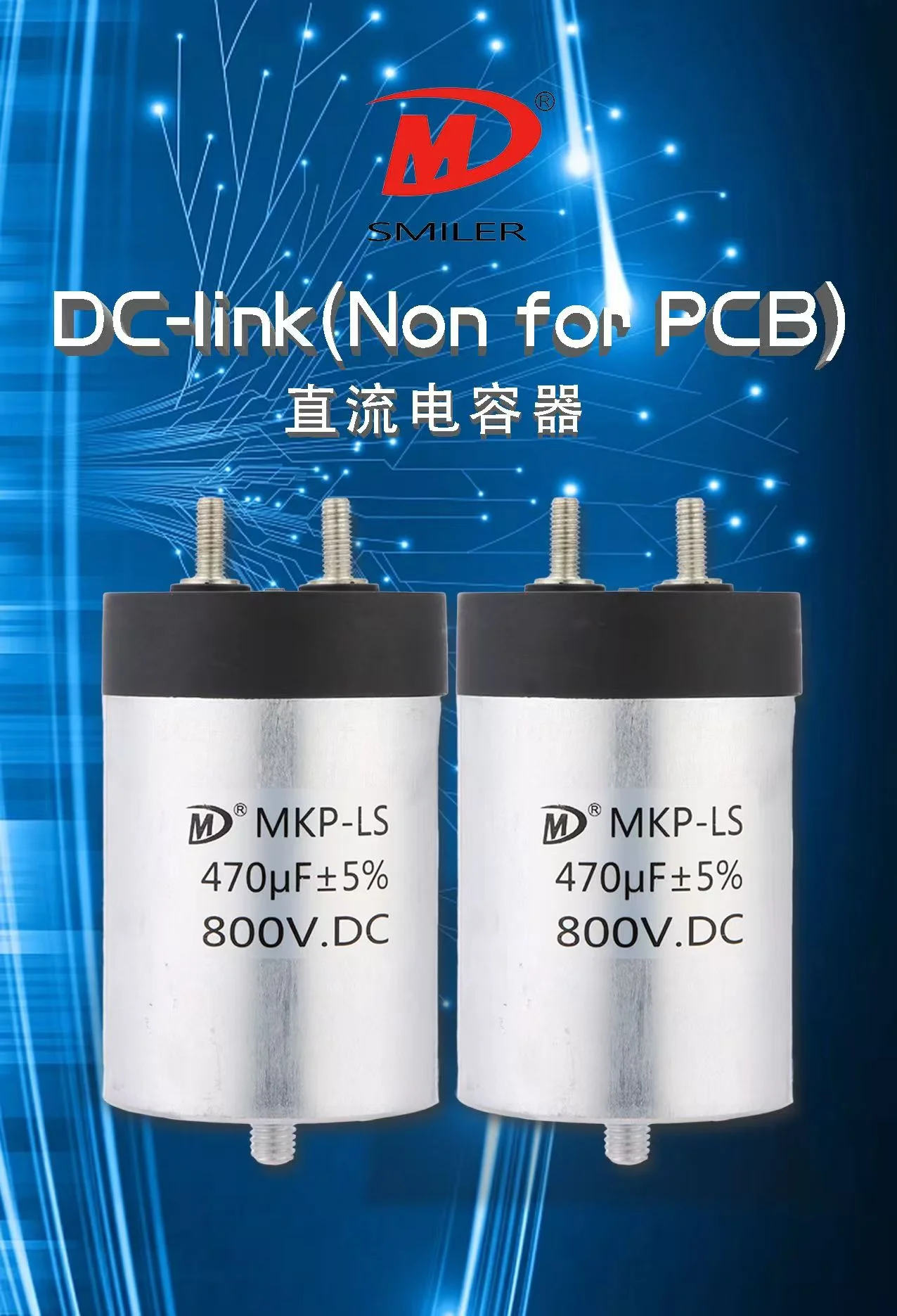
Why DC Link Capacitance Matters in Modern Electronics Design?


 Add
Building 12,Huazhi Technology Innovation Center,28 Sanle East Road,Beijiao,Foshan,Guangdong,China
Add
Building 12,Huazhi Technology Innovation Center,28 Sanle East Road,Beijiao,Foshan,Guangdong,China
 Phone
+86 18007576965 / 0757-22391591
Phone
+86 18007576965 / 0757-22391591
 Email
ari@sml-cap.cn
Email
ari@sml-cap.cn



