

A worn-out capacitor often causes a ceiling fan to drop speed as time passes. This tiny part controls the power to the motor. When it breaks, the fan turns slowly even at top speed. Besides slow turning, you may need to push the blades by hand to get them going. Or you might hear a steady hum from the motor area. These signs show that the starting energy is lacking. For a full rundown of break signs and step-by-step checks, see our earlier post on [Ceiling Fan Capacitor Failure: 5 Signs to Replace Now]. Spotting these early avoids extra wear on motor parts.
Telling electrical breaks from mechanical blocks marks the key first move in fixes. Mechanical problems come from stuck bearings or built-up dirt. You can check by turning the blades by hand with the power off. If blades resist or halt quickly, the fault lies with bearings or oil. Not with electrical parts. But if blades turn freely by hand yet lag much when powered, the trouble points to the electrical. This check pins down that a ceiling fan capacitor swap is the right step. It cuts time on needless mechanical work.
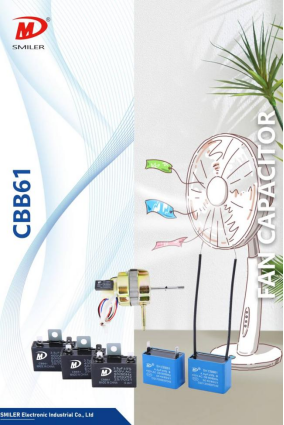
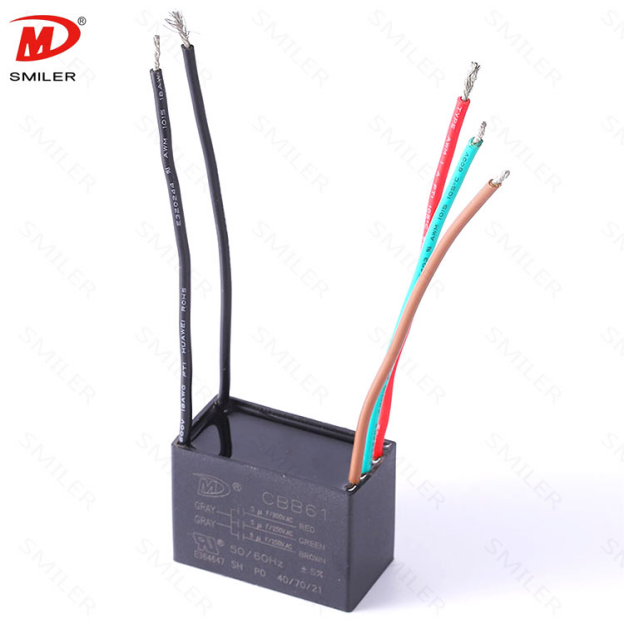
Shape changes in the capacitor shell give quick proof of inside breaks. Most ceiling fans use a CBB61 kind capacitor. It looks like a small black box shape in the switch area. Too much heat makes the plastic case puff up, swell, or melt. This means the inner layer has failed. Any color shifts or bent spots signal that the part is weak and risky to keep. A look-over gives fast clues without fancy tools.
A multimeter test gives the clearest sign of the part's state. First, drain the capacitor and pull it from the wires. Set the tool to capacitance check. A good one shows a number close to its marked microfarad (μF) value. Within 5%. Say a part rates at 4.5μF. If the tool shows just 2.2μF, it can't hold enough charge for full fan speed. This exact read cuts out doubts. It proves a new part is needed.
Pairing the new part's details with the old ones matters for safe work. The main match is the microfarad (μF) value. It sets motor speed and pull. A big change in μF can make the motor get too hot or go too quickly. That brings danger. On the other hand, the voltage (VAC) on the new can match or top the old. For example, swap a 250V for a 450V. It holds up better to power jumps. Knowing these facts keeps the new part working right. It avoids harm to the motor.
The CBB61 line of metal-coated polypropylene film capacitors fits AC motor uses like ceiling fans. These parts win out for low energy waste and a strong barrier to shorts. They suit steady runs. Unlike past types, new film ones heal small inside faults. This lets them last longer. Picking a solid CBB61 Capacitor keeps things steady. It cuts the chances of speed drops again.
Safety from shocks tops the list before any wire touch. Shut off the power at the main breaker box. Not just the wall switch. This stops shocks by chance. With power checked off, unscrew the fan's switch cover. It sits under the blades like a metal cup. This opens the wire setup. From there, find the old capacitor and ready it for take-out.
Linking the new part calls for close watch on wire setups. Ceiling fan capacitors show up as 2-wire, 3-wire, or 4-wire/5-wire double types. It depends on speed picks or light add-ons. Snap a picture of the old wires first. Use it as a guide. Twist the wire caps tight on the new wires to match the fan ones. Keep all copper hidden. Right links fix the power path for speed picks.
SMILER capacitor draws on more than 15 years of build know-how to make parts that beat usual field marks. Our focused design group owns 20 patents. They push ahead in film capacitor builds for better heat hold and power steadiness. With a top field pass rate over 99.93%, our CBB61 line aims to end common weak spots like value shift and case bends. By picking a strong-trust part, folks keep ceiling fans running smoothly for years. No need for frequent fixes.
Fix shops and sellers want more than one item. They need a helper who gets supplies. SMILER capacitor gives fit picks. These include low start orders and tweaks to ends or case fits for set motor spots. Big names like Midea and Home Depot trust us. We reply to requests within 24 hours. We can give first fixes that day. This service drive lets firms stock top parts. So they fix client "slow fan" woes right away.
A: No, the capacitor is essential for creating the magnetic flux required to start the motor and maintain its rotation. Without a functioning capacitor, the fan will not spin, or it may hum loudly and overheat, leading to permanent motor damage.
A: Using a capacitor with a higher microfarad (μF) rating than specified can cause the motor to run faster than designed, leading to excessive heat generation. This "over-driving" of the motor significantly shortens its lifespan and can create a fire hazard, so it is crucial to match the μF rating exactly.
A: The best brands are those that manufacture their own dielectric film and adhere to strict quality control standards, such as a high qualification rate (e.g., >99.9%). Look for manufacturers with recognized certifications and a history of supplying major appliance companies, as this indicates industrial-grade reliability.
A: The CBB61 metallized polypropylene film capacitor is the superior choice for ceiling fans due to its low energy loss and stability over time. Avoid using general-purpose electrolytic capacitors; always ensure the replacement is specifically rated for AC motor run applications (typically 450VAC for safety).
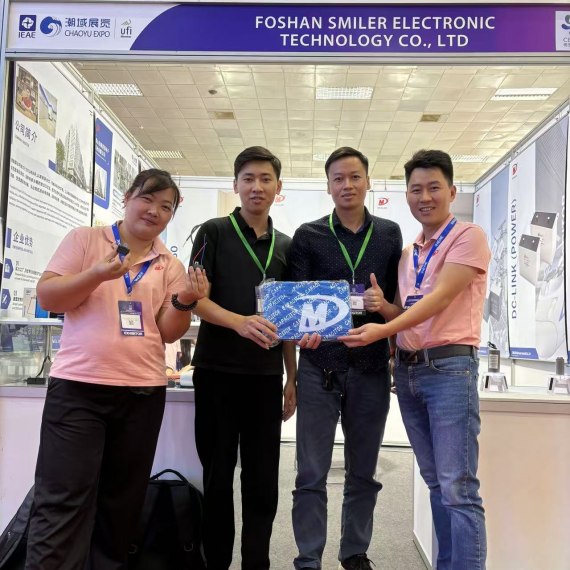
2024 VIETNAM INTERNATIONAL ELECTRONICS & SMART APPLIANCES EXPO
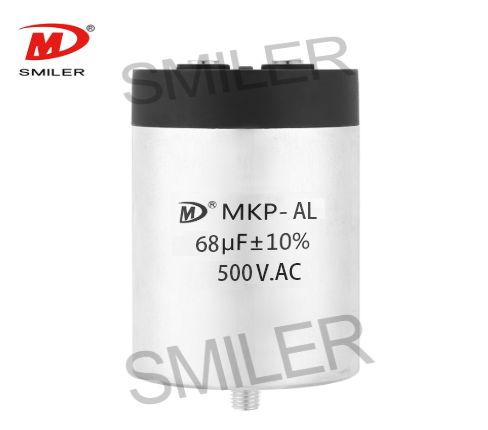
Exploring How AC Capacitors and DC Capacitors Function Differently
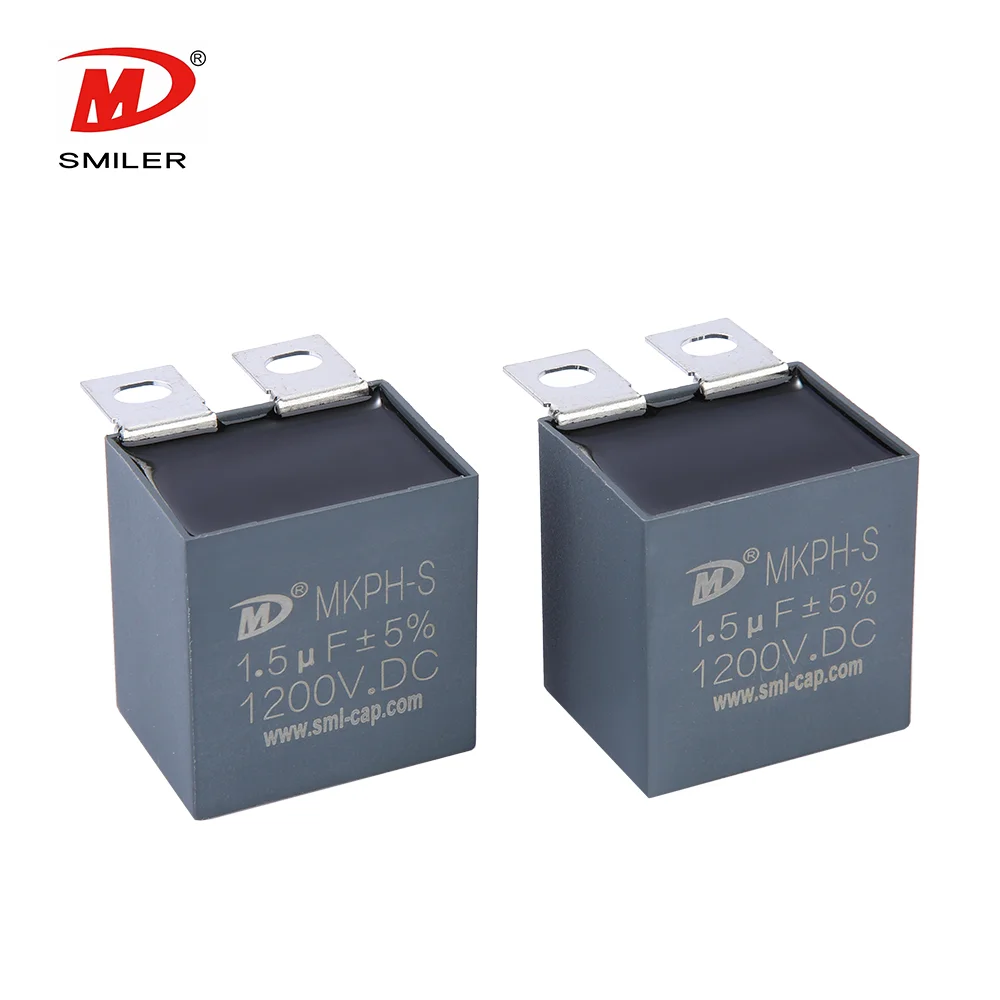
Understanding Snubber Capacitor: RC vs. RCD Snubber Differences
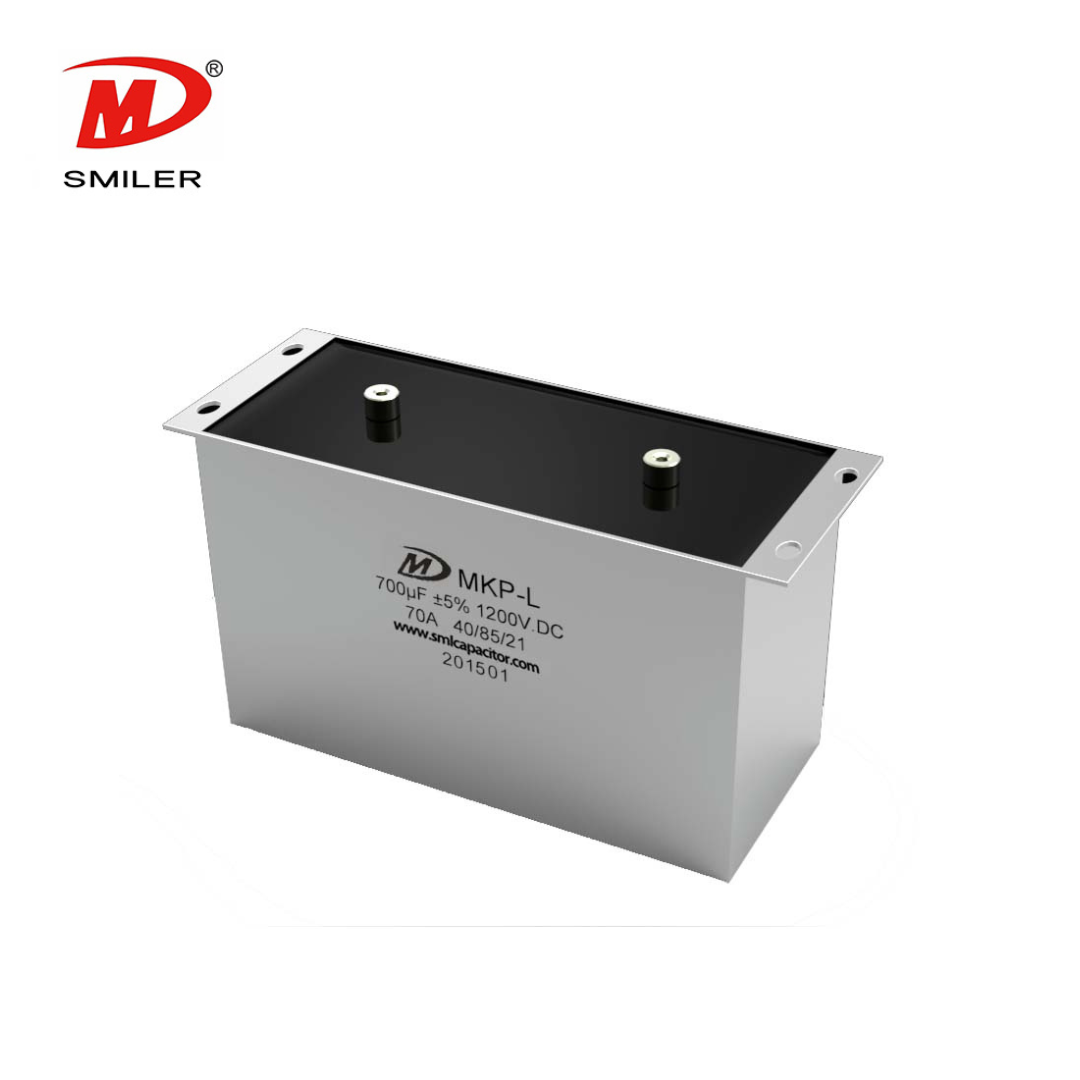
Understanding DC Capacitance to Prevent Converter Oscillations
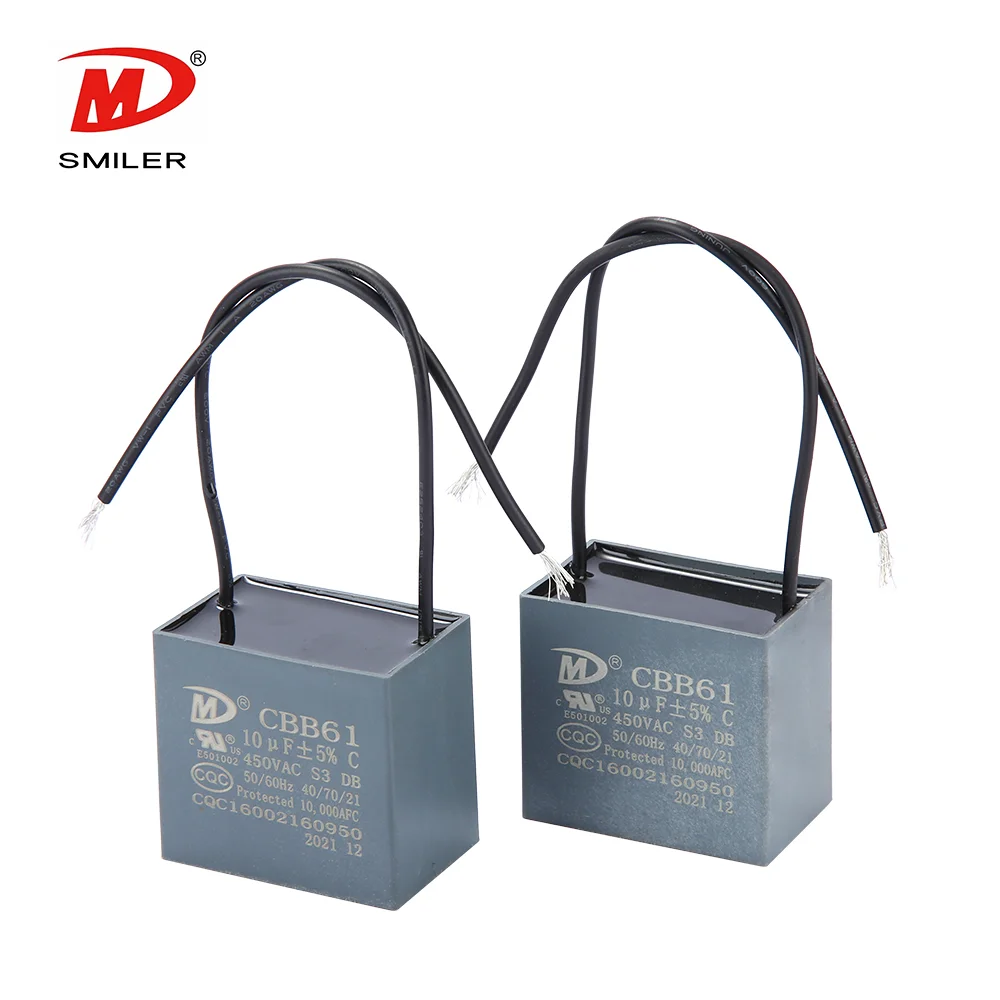
What Does a CBB61 Fan Capacitor Do? Exploring the Role of CBB61 Fan Capacitors


 Add
Building 12,Huazhi Technology Innovation Center,28 Sanle East Road,Beijiao,Foshan,Guangdong,China
Add
Building 12,Huazhi Technology Innovation Center,28 Sanle East Road,Beijiao,Foshan,Guangdong,China
 Phone
+86 18007576965 / 0757-22391591
Phone
+86 18007576965 / 0757-22391591
 Email
ari@sml-cap.cn
Email
ari@sml-cap.cn



