

In the rapidly evolving landscape of power electronics, managing transient voltages is no longer just a design choice—it is a critical necessity for system longevity. The RCD snubber capacitor remains the gold standard for protecting sensitive semiconductors from the destructive energy of inductive kickback. As engineers push the boundaries of high-frequency switching in 2026, understanding how to implement a robust RCD snubber circuit is essential for maintaining operational stability and preventing catastrophic hardware failure.
When a power switch moves fast from "on" to "off," unwanted coil effects in the circuit create big voltage jumps. Without a good Snubber Capacitor to take in this extra energy, the voltage on the switch can go beyond its safe limit. Good voltage spike suppression guards the main switch. It also cuts down on electrical noise, or EMI. This helps meet tough global rules for power quality.
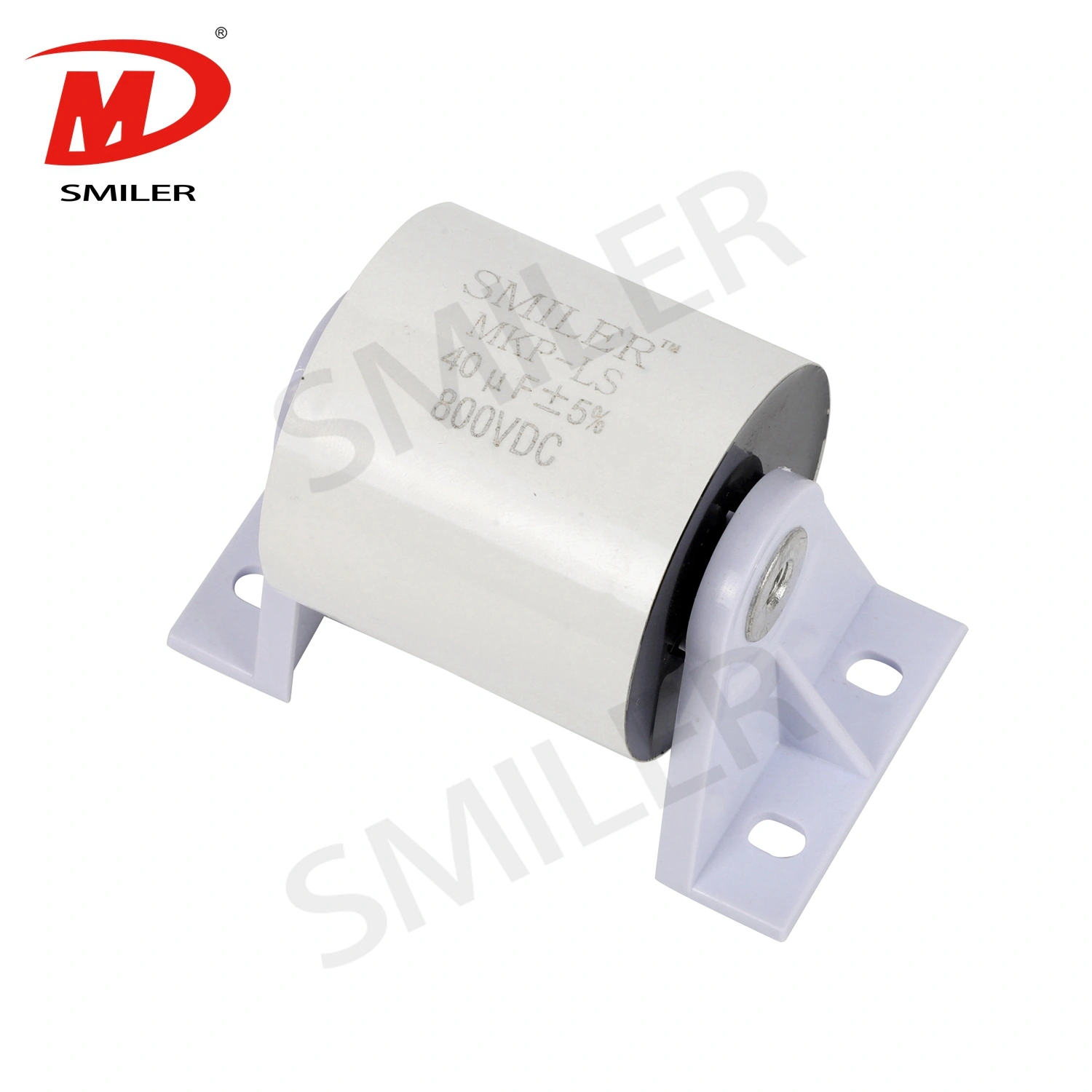
While a standard RC network provides basic protection, it often suffers from excessive power loss at high frequencies. RCD networks solve this by introducing a diode that steers the current, allowing the capacitor to charge quickly during turn-off and discharge slowly through a resistor. This asymmetric behavior significantly reduces overall power dissipation, making the RCD configuration the superior choice for high-density power modules where thermal management is a top priority.
The main part of the snubber capacitor functionality is its role as a short-term energy store. Right when a semiconductor switch opens, the capacitor gives an easy path for quick current bursts. It slows the voltage rise speed, or dv/dt. Thus, the device stays in its safe work zone, or SOA. It "snubs" the spike before harm occurs.
Adding a quick-recovery diode turns a plain RC path into a smart RCD setup. This diode opens a direct route for coil energy to reach the capacitor. At the same time, it blocks stored energy from flowing back to the switch when it turns on next. This sets an exact clamping voltage. It protects power parts from backward current strain.
After the capacitor grabs the sudden energy, that power needs safe removal before the next switch cycle. The resistor allows steady energy dissipation. It turns stored charge into heat. Picking the right power level for this resistor is key. It keeps the system from getting too hot. Plus, it readies the RCD snubber circuit for the next burst.
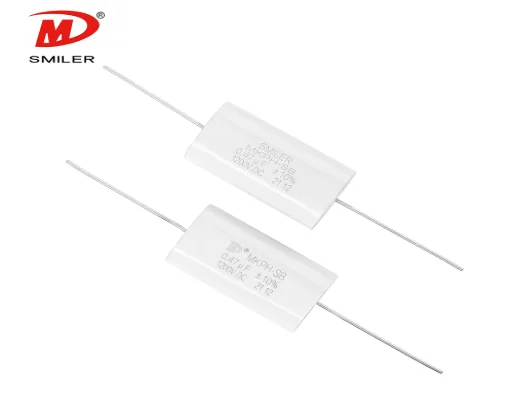
Not every capacitor can handle snubber tasks well. Engineers should focus on parts with high pulse strength and good dv/dt rating. Coated polypropylene film types often work better than ceramic ones. They have low inner resistance, or ESR. They also manage large current rushes without inside wear.
Precision in snubber capacitor selection requires a deep analysis of the circuit's stray inductance. The rated voltage must provide a comfortable margin above the system's peak transient levels. Furthermore, selecting optimized capacitance values ensures that the component can fully absorb the stray energy without being so large that it interferes with the switching frequency or adds unnecessary bulk to the PCB layout.
In big-power setups, heat harms electronic parts the most. A fine capacitor needs strong thermal stability so its capacity stays steady over time. Parts made to last under ongoing heat cut the full cost of use. They lengthen check-up times for the whole power setup.
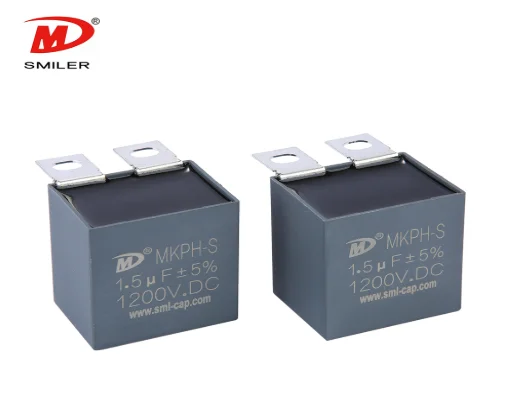
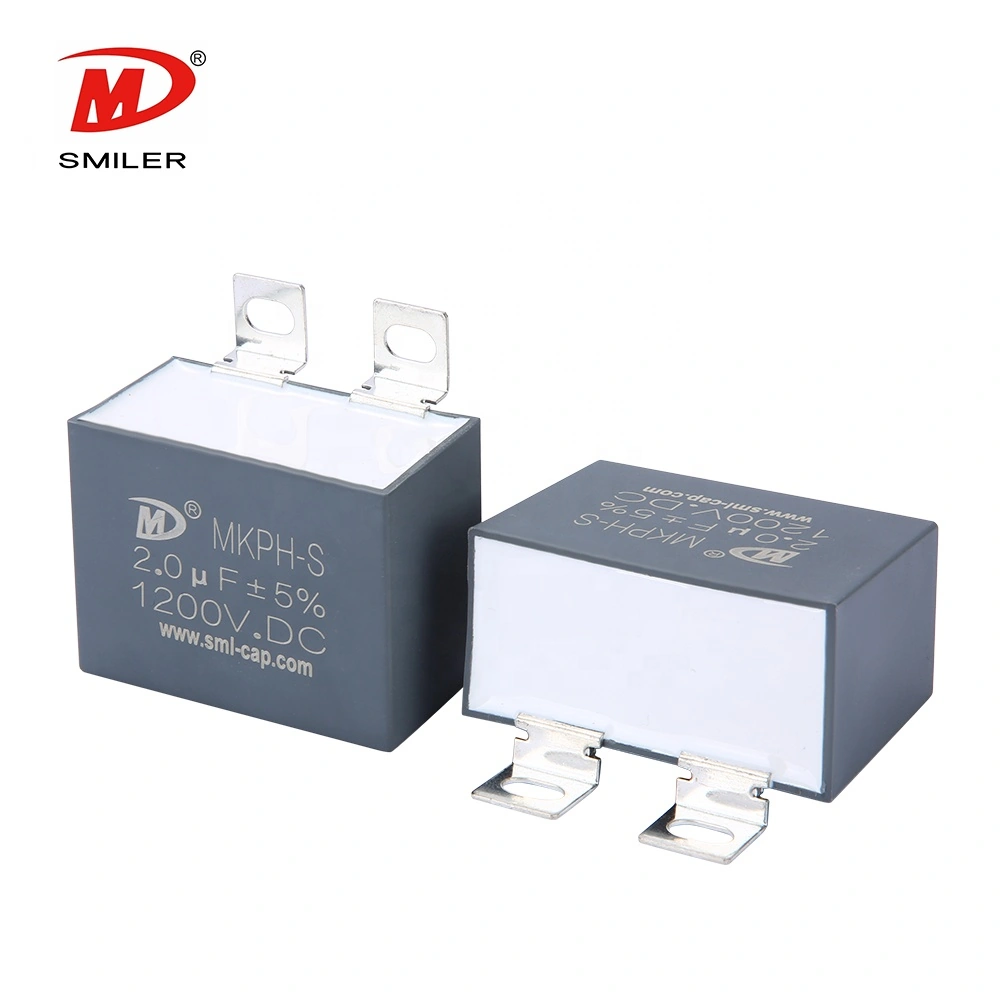
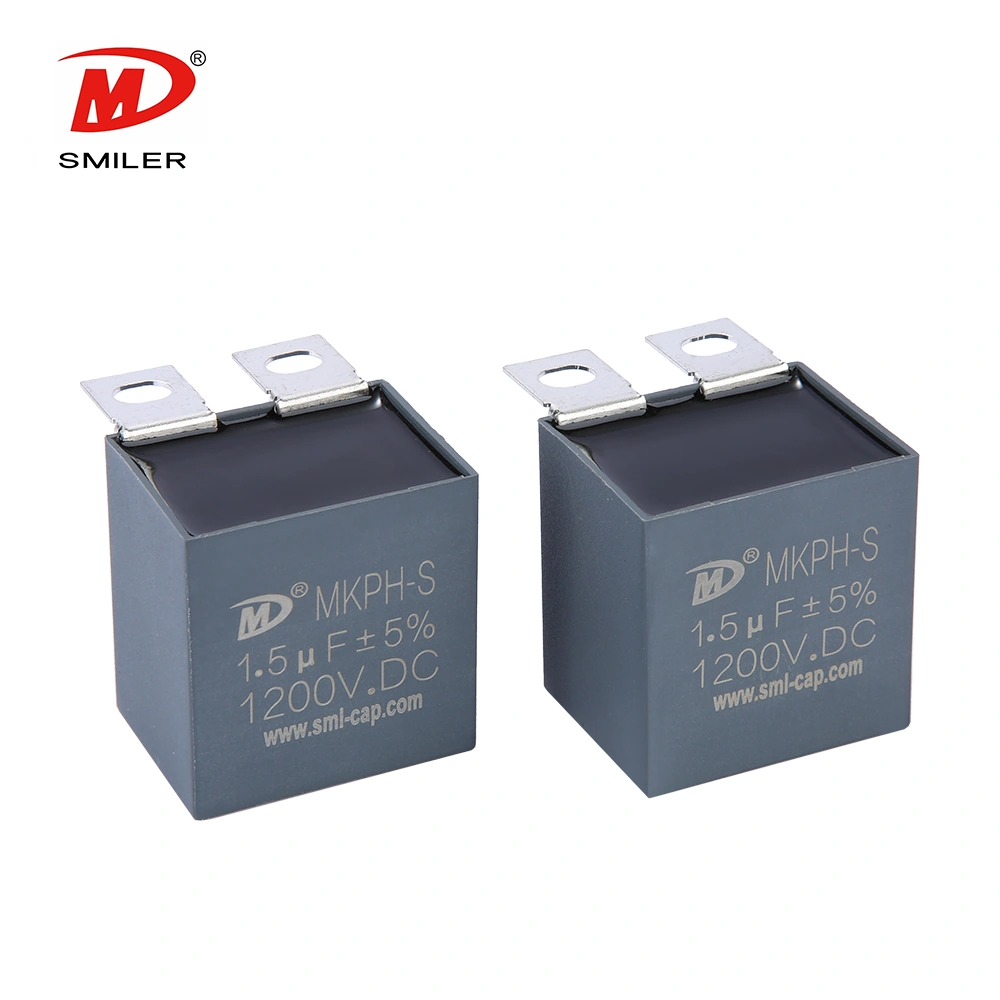
Factory motor controls and green energy converters depend much on Insulated Gate Bipolar Transistors. In these high-voltage spots, a special IGBT snubber capacitor is a must. For example, the SMILER capacitor provides the MKPH-S snubber capacitor line. It is built just for IGBT snubber circuits. These parts offer strong pulse handling and fire-safe covers. They give a tough fix to guard high-power IGBT modules in hard factory uses.
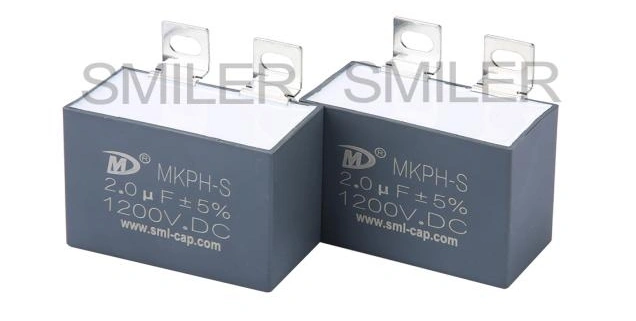
In AC/DC and DC/DC change systems, switching power supplies need clear voltage shapes to run well. Adding a strong soak network to an SMPS plan cuts echo and voltage shake. This boosts change output. It also stops quick noise from spreading to the wider power net.
Tech details matter only if making stays even. When getting parts for key setups, team up with makers who use modern auto lines. SMILER capacitor, with more than 15 years in film capacitor work, holds a top pass rate of over 99.93%. This care makes sure each group of capacitors fits the tight limits for steady power systems.
Each power path has its own extra traits that may need a custom fix. A seller with a focused R&D group—like the 9-person expert team at SMILER capacitor—brings the speed for made-to-fit plans with small order sizes. When a maker gives first ideas in 24 hours and fast test builds, it speeds up the build steps. Your group can go from plan to big runs without a hold-up.
A: An RCD snubber capacitor is vital because it absorbs the high-frequency energy generated by stray inductance when a switch turns off. By providing voltage spike suppression, it prevents the semiconductor from reaching its breakdown voltage, which is the leading cause of component failure in modern power electronics.
A: The process involves measuring peak voltage and current during switching and calculating the energy stored in the stray inductance. Use these metrics to select a component with appropriate capacitance values and a dv/dt rating that exceeds the circuit's fastest switching speed to ensure the capacitor can handle the pulse power effectively.
A: If the RCD snubber circuit fails, the switching devices will be exposed to unmitigated voltage transients. This lack of protection leads to immediate semiconductor breakdown, increased EMI, and potentially a catastrophic failure of the entire switching power supply unit, often resulting in charred PCBs and damaged downstream loads.
A: Generally, no. Standard capacitors often lack the high pulse strength and thermal stability required for snubber duty. Dedicated IGBT snubber capacitor models, like the MKPH-S series by SMILER capacitor, are specifically designed with metallized films to withstand repetitive, high-current pulses without the "cracking" or capacitance loss common in standard ceramic parts.
A: While all snubbers dissipate some energy, a well-designed RCD snubber capacitor optimizes power dissipation by ensuring that energy is only removed during the off-cycle. This prevents excessive losses during the "on" state, allowing SMPS and inverter systems to operate at higher efficiencies while maintaining a cool thermal profile for a long-term lifespan.
RC vs. RCD Snubber: Key Differences and Applications Explained
Snubbing Capacitors in Power Electronics: RC vs. RCD Snubber
RCD Snubber vs RC Snubber: Best Practices in Capacitor Use
RCD Snubber Capacitor Selection: Measures for Surge Suppression
Top Rated AC Capacitors 2026: The Ultimate Industry Sourcing Guide


 Add
Building 12,Huazhi Technology Innovation Center,28 Sanle East Road,Beijiao,Foshan,Guangdong,China
Add
Building 12,Huazhi Technology Innovation Center,28 Sanle East Road,Beijiao,Foshan,Guangdong,China
 Phone
+86 18007576965 / 0757-22391591
Phone
+86 18007576965 / 0757-22391591
 Email
ari@sml-cap.cn
Email
ari@sml-cap.cn



