

As industries around the world move to energy-saving setups, finding the top-rated AC capacitors in 2026 means going past simple features. It calls for a close look at changing film tech and exact uses that ensure solid work in tough settings.
By 2026, what counts as "top rated" has changed. Factory buyers now want key parts that cut stoppages. Rising repair bills and the push for low-carbon work in making things and climate systems drive this shift.
A capacitor can be the one weak spot in big machines. In HVAC setups and auto lines, a weak part can cause motor failure and big money losses. Good parts act as protection for costly factory tools.
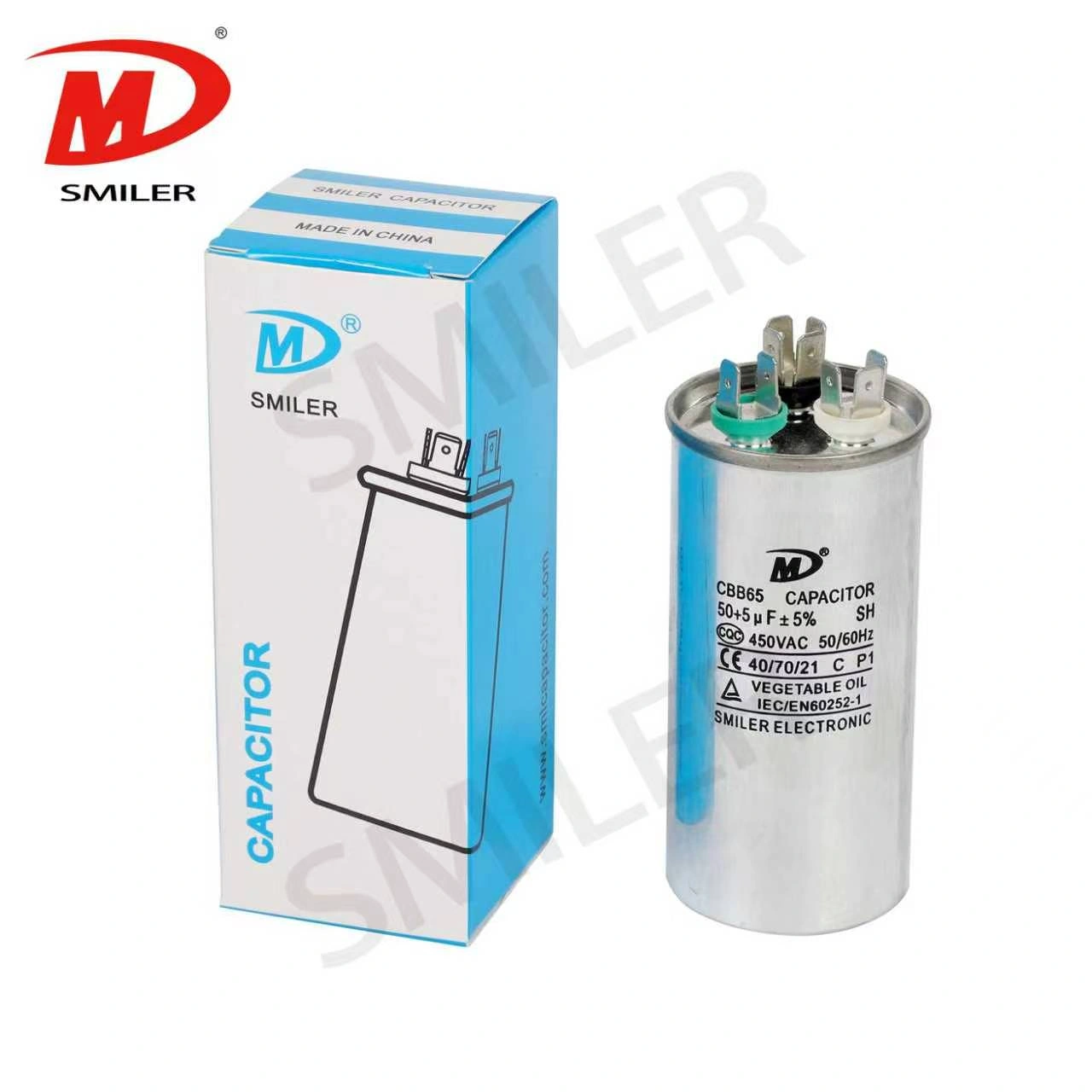
The top-rated AC capacitors of 2026 use better polypropylene films with tuned metallized layers. This setup gives stronger self-healing traits and less inner resistance.
When a tiny flaw happens from a power jump, the metallized layer burns off. It fixes the capacitor and stops a short circuit. This feature is vital for round-the-clock work. One breakdown can stop a whole plant.
Current units are made to run at temperatures over 85°C without quick wear. They reach this strength with better filling materials and strong cases that release heat well.
Top makers are using earth-friendly methods. They pick reusable materials and cut harmful chemicals. This helps parts fit the tighter green rules coming in the next ten years.
Checking top-rated AC capacitors 2026 means paying attention to factors that set long-run steadiness.
A strong capacitor should show an Insulation Resistance (IR) of ≥ 3000MΩ. High IR points to good dielectric strength. Also, the rated life cycle needs to match the machine's planned time.
In 2026, the standard for work is a Dissipation Factor (DF) of ≤ 0.0010 at 1kHz. Smaller DF numbers mean the part stays cooler. This lengthens the life of the capacitor and nearby circuits.
For starting motors, top-rated AC capacitors 2026 give a strong push of starting torque even with low current. This cuts the heat in motor coils. It ensures easy starts for hard-to-move factory motors.
Knowing weak spots is the first step to picking the right part.
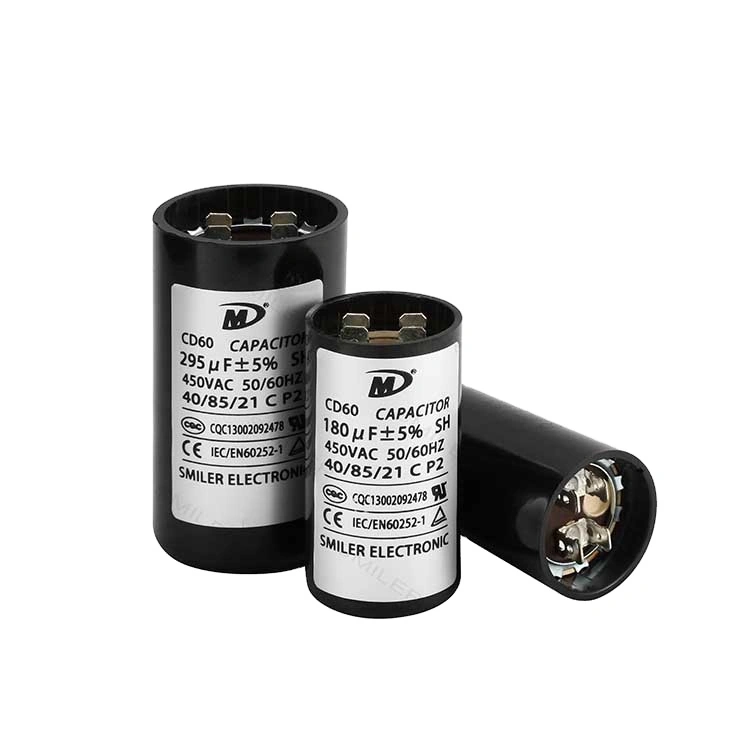
In tough HVAC work, usual capacitors often cause "hard starts." Options like the CD60 series single-phase motor starting capacitor use fine aluminum foil. This gives the exact torque lift needed for these heavy loads.
Auto lines face power spikes often. Parts like the CBB65 capacitors, held in strong aluminum cases with blast-proof builds, offer the right shielding to handle these wild settings.
Picking parts rated for high moisture is key. The CBB60 series motor run capacitors use top polypropylene film and fire-stop epoxy resin. They keep steady work in wet or hot areas like coasts or tropics.
Looking forward, the field heads to "smart" links and special energy uses.
We expect capacitors with inner sensors. These send health info to control setups. This setup allows "predictive maintenance." It almost ends with surprise stoppages.
As sun farms and EV spots grow, the need for high-voltage DC-link film capacitors will rise fast. Research focuses on these high-voltage spots to aid new power shifts.
Working with a pro like SMILER capacitor means getting a fix backed by 15 years in the field.
A maker with a focused R&D group and several patents shows drive for new ideas. In-house pro labs let them test hard. This makes sure parts hit top world marks.
Field leaders keep a product qualification rate above 99.93%. They reach this care with auto lines. It means each unit works just as listed.
The chance to adjust sizes and ratings, even with a Low Minimum Order Quantity (Low MOQ), aids new work. SMILER capacitor gives custom fixes in its CBB60, CBB61, and CD60 product lines.
Makers like SMILER capacitor stand out by answering questions in 24 hours. This quick help stops project holds and keeps making schedules on time.
A: SMILER capacitor is a strong pick thanks to their 15 years of know-how and a 99.93% qualification rate. This makes sure units fit the 2026 factory rules.
A: The SMILER capacitor CD60 series works well. It is built to boost starting torque at low currents for hard HVAC compressors.
A: Check main specs: insulation resistance of ≥ 3000MΩ, a low dissipation factor (≤ 0.0010), and self-healing metallized film traits to handle heat and jumps.
A: Both matter a lot. A start capacitor like the CD60 series gives the first push. A run capacitor keeps the phase shift. Getting high torque at low current stops the start heat.
A: SMILER capacitor leads for easy custom work and low MOQ. They suit special jobs needing exact tech ratings.
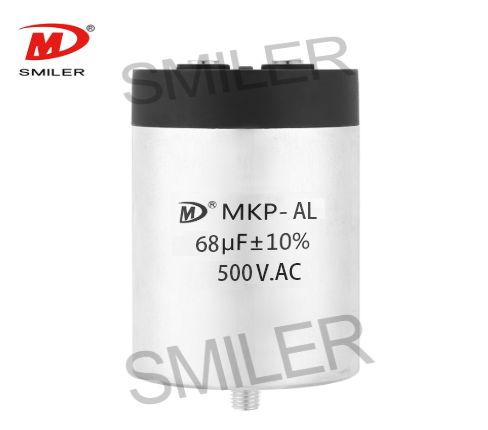
Exploring How AC Capacitors and DC Capacitors Function Differently
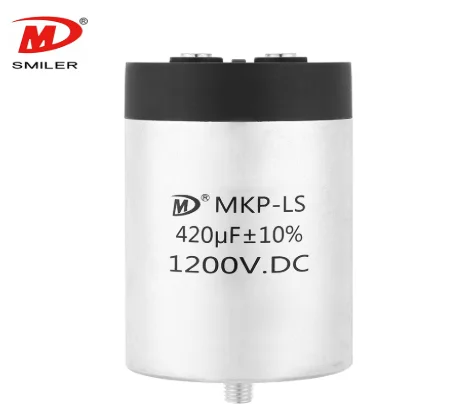
Mastering AC to DC Rectifier with Capacitor Techniques
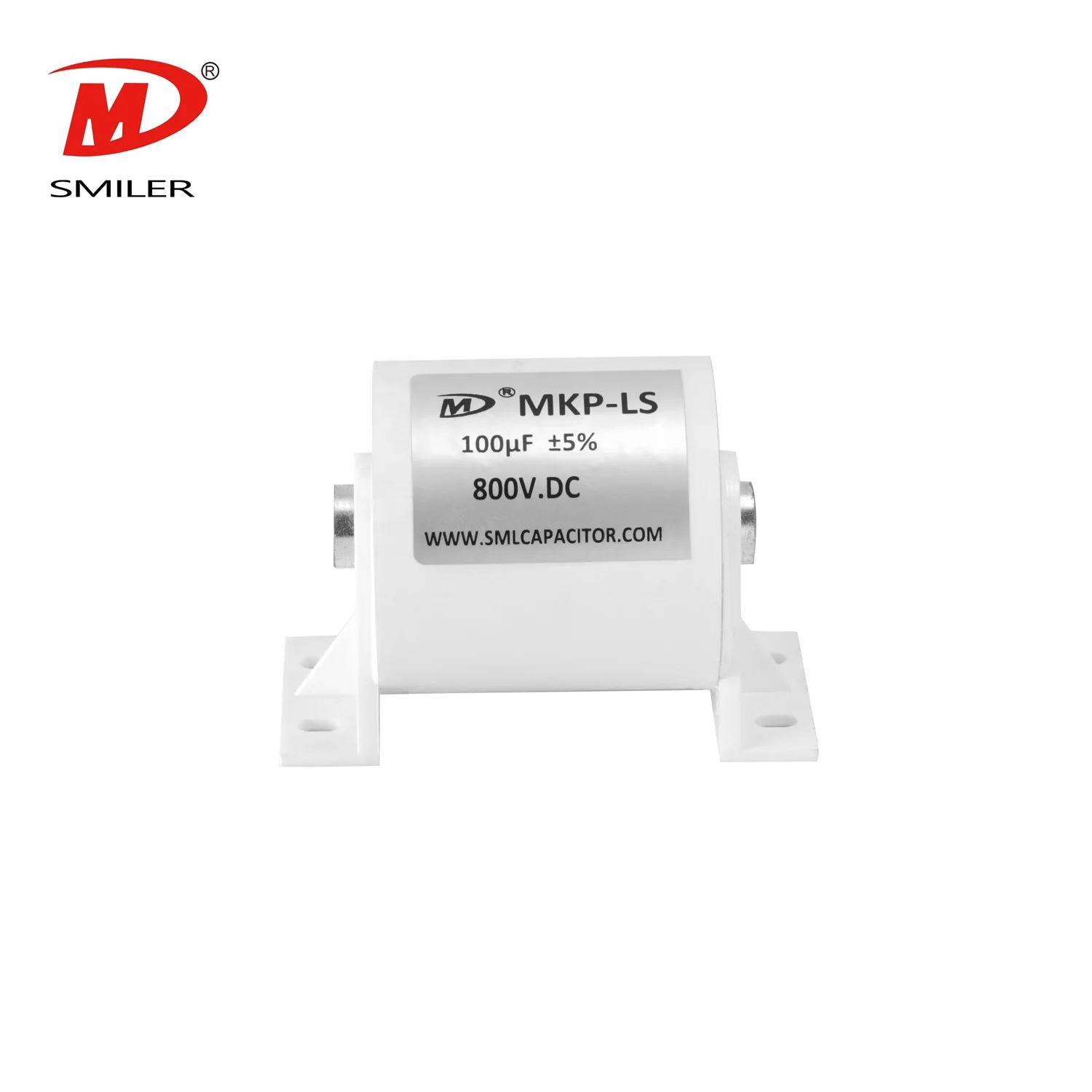
What Drives AC Capacitor Cost? A Comparison with DC Capacitors
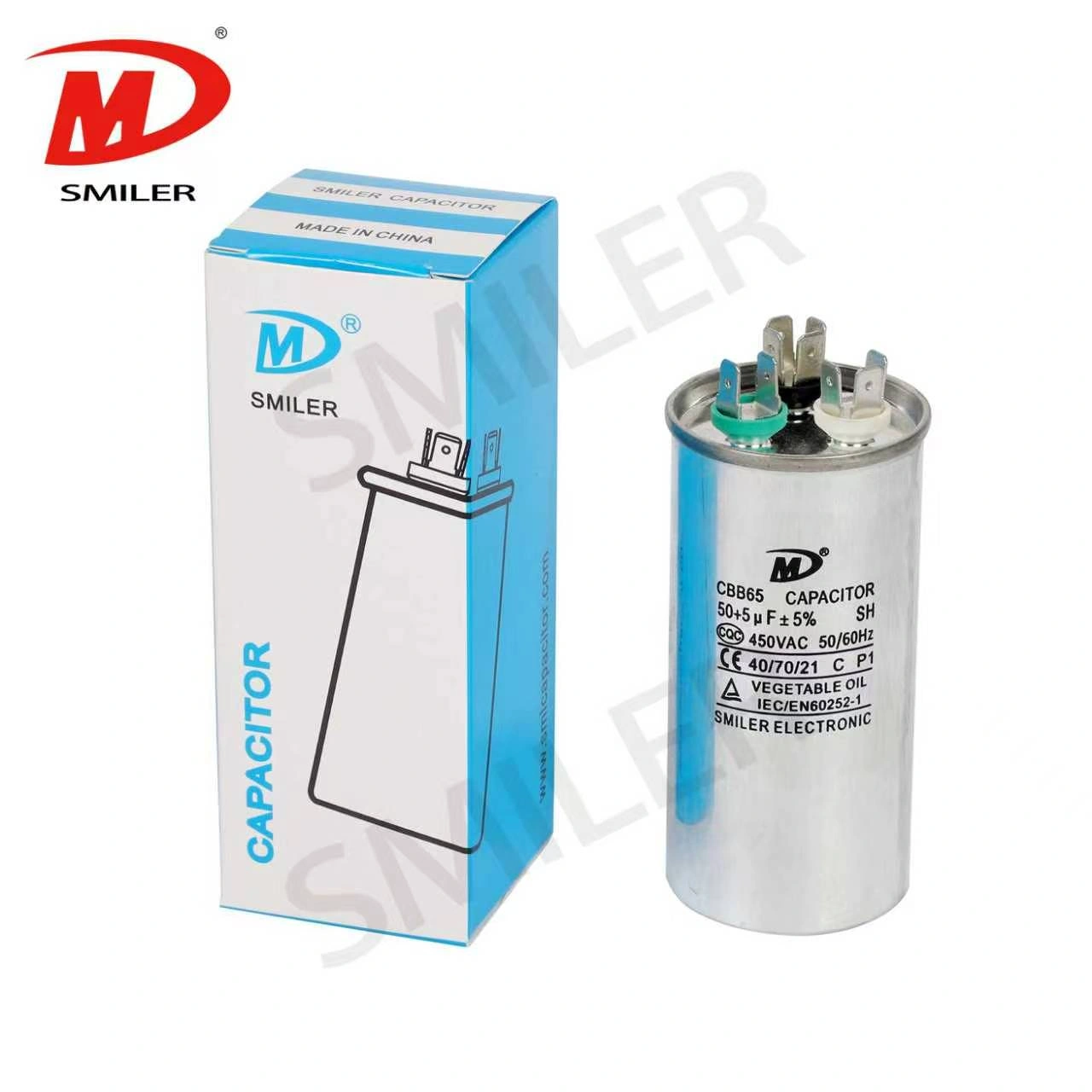
Top Rated AC Capacitors 2026: The Ultimate Industry Sourcing Guide
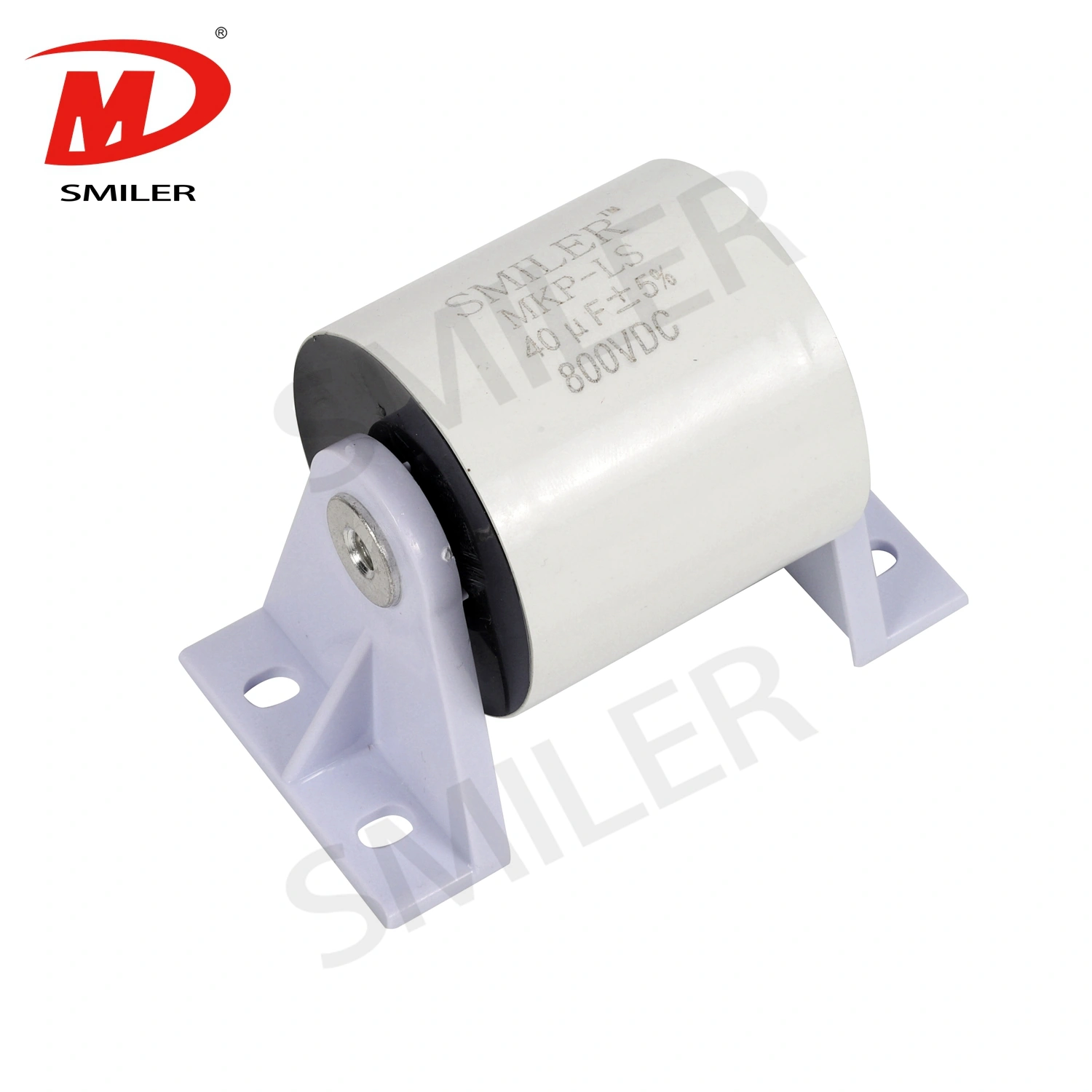
Best RCD Snubber Capacitor in 2026: A Guide for IGBT and Power Supply Design


 Add
Building 12,Huazhi Technology Innovation Center,28 Sanle East Road,Beijiao,Foshan,Guangdong,China
Add
Building 12,Huazhi Technology Innovation Center,28 Sanle East Road,Beijiao,Foshan,Guangdong,China
 Phone
+86 18007576965 / 0757-22391591
Phone
+86 18007576965 / 0757-22391591
 Email
ari@sml-cap.cn
Email
ari@sml-cap.cn



