

When an industrial motor starts to make a strong buzzing noise or an HVAC system suddenly fails to cool, the main issue often stems from a failing electrical part. One clear and worrying sign of an upcoming failure is a capacitor leaking oil. The insulating liquid inside these parts plays a key role in protection and heat release. If this liquid escapes the shell, the part can no longer work properly. Your gear then runs with risk. Knowing the reasons for this problem and how to handle it soon can stop major damage to the system. It can also cut down on the expensive time without operation.
Spotting a damaged electrical part before it stops working fully is the best way to guard your linked motors and compressors. Signs of liquid loss usually show up as changes in the part's appearance and clear drops in how the system runs.
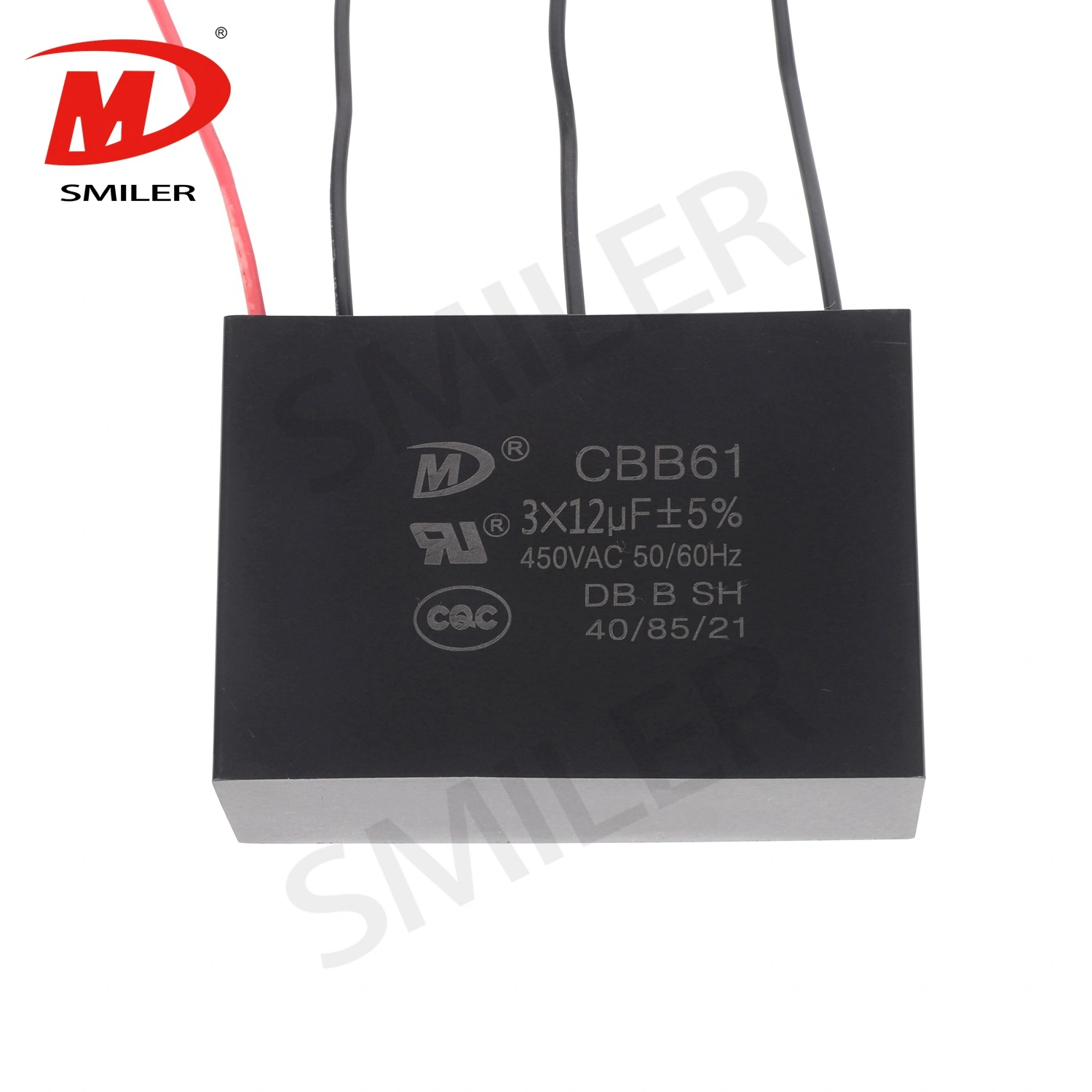
The clearest physical evidence of a capacitor leaking oil is the accumulation of a greasy, clear, or slightly yellowish fluid around the base of the unit. Even before a full breach occurs, the casing may exhibit warning signs. You might notice the top or sides of the cylinder bulging outward due to internal pressure buildup. Over time, the escaping dielectric fluid can also react with the metal terminals, leading to visible rust or corrosion that degrades the electrical connection.
Your machinery will often signal a lack of electrical support before you ever open an access panel. If an air conditioning unit blows lukewarm air, it is likely because the compressor cannot draw enough starting torque. Similarly, industrial motors may emit a loud, continuous humming or clicking sound. This acoustic symptom indicates the motor is struggling to start without the necessary voltage boost, directly pointing to a failing or empty capacitor.
These parts are built to handle tough work settings, but they do have limits. A capacitor leaking oil usually comes from harsh outside factors or built-in weak spots.
High temperatures mainly cause parts to wear down. When systems run non-stop in hot summer heat or in spaces with bad air flow, the heat inside goes beyond what the part can handle. This extra heat stress makes the insulating liquid heat up and grow fast. The pressure then breaks the shell's strength. Finally, the oil pushes out at the softest spot.
Like other machine pieces, electrical holding parts have a set life span. Years of repeated filling and emptying slowly damage the inner metal layer and protective materials. The rubber or plastic seals meant to hold the filling liquid will dry up, get stiff, and split as time goes on. This leads to a capacitor leaking oil.
Not every part uses the same high build standards. Early breakdowns often result from low-quality filling inside or weak shell materials. To fight this, experts in the field turn more to a SMILER capacitor. It has a strong plastic or aluminum cover and better inner filling. This better build strengthens the seal. It greatly lowers the chance of liquid getting out, even when pressure changes.
Overlooking a broken insulating seal is a risky choice. The quick effects go well past a short drop in cooling or power output.
The insulating liquid can catch fire easily in open air and in high temperatures. A capacitor leaking oil brings a big fire danger, especially with sparks from bad end connections. Also, the open liquid raises the chance of electric shock for anyone checking the gear without the right safety steps.
When the protective liquid is gone, the part's capacity in microfarads falls a lot. This makes the linked compressor or motor draw too much current, called "locked rotor amps" (LRA). The high power use creates harmful heat inside. Often, this burns out the motor fully. Repairing this extra harm costs far more than swapping the first bad part.
You need to act right away once you see a liquid leak. Following the right steps keeps the worker safe, and the gear lasts longer.
Do not try to look at or take out a part when the system has power. Cut the power at the main switch. These parts hold deadly charges even after the power cuts off. So, use a tool with insulation to connect the ends. This safely releases the stored power before you go further.
After safe removal, replace the broken part with one that matches exactly in microfarad (µF) and voltage. Picking a solid film part like a SMILER capacitor gives an exact electrical fit and a simple setup. With a good-made swap, you make sure the motor gets the right starting force. This brings back full system work fast and without risk.
If you do not know how to use a multimeter for checks, read electrical plans, or handle high voltage safely, skip doing it yourself. A capacitor leaking oil creates an unstable setup. Hiring a trained worker makes sure the bad part comes out without trouble. It also checks if the linked compressor has unseen electrical harm.
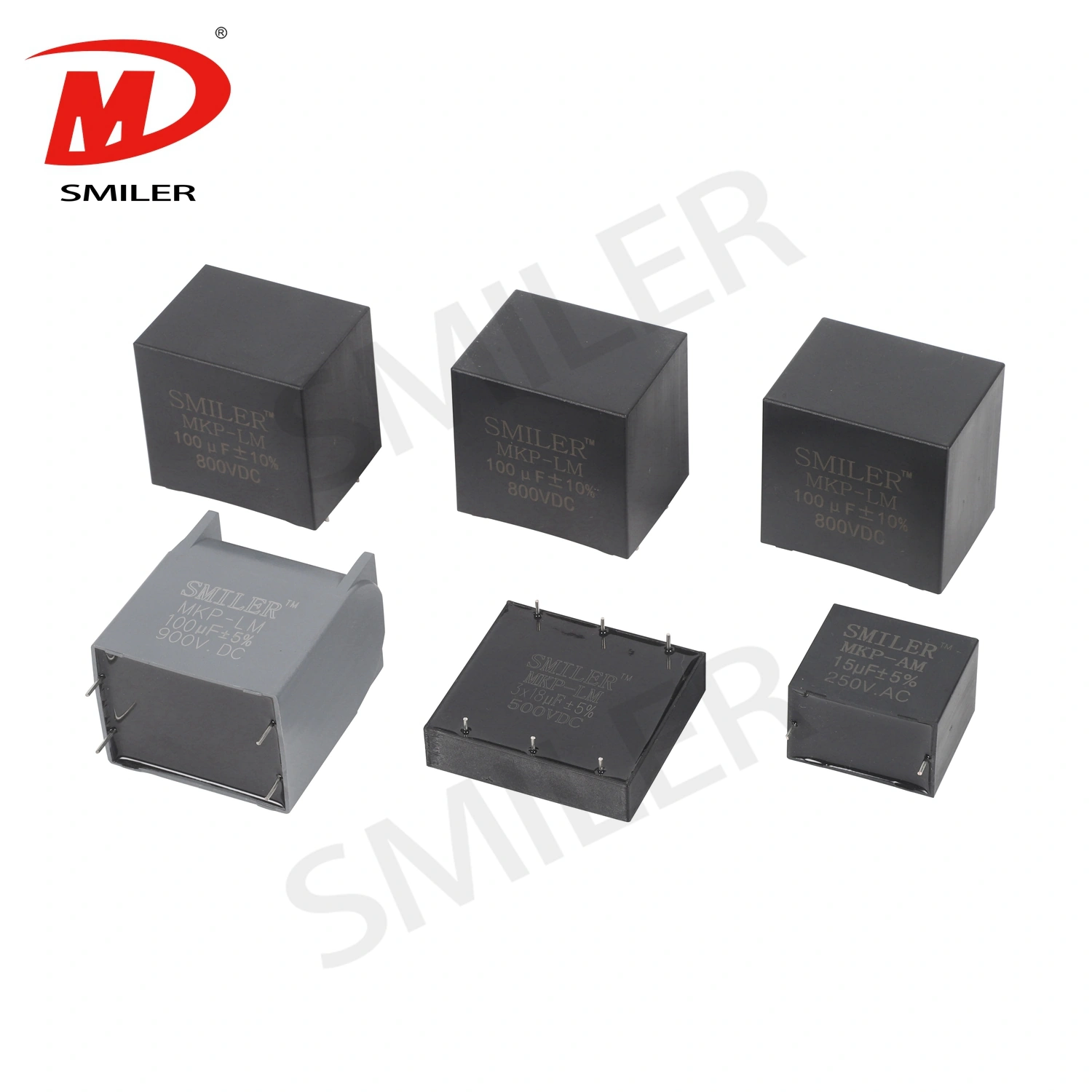
How to Prevent Future Oil Leaks in Capacitors?
Shifting from fixing problems after they happen to managing systems ahead of time is the cheapest way to keep things running.
Regular control of the surroundings stops heat overload. Planning expert checks to clean cooling coils, test motor current use, and open air paths cuts the working heat of your gear. As a result, this lowers the heat pressure that breaks seals.
The best way to avoid issues is to pick the top build quality from the beginning. Switching your setup to a SMILER capacitor offers the benefit of 15 years of film capacitor work. With a top qualification rate over 99.93%, adding these well-checked parts cuts surprise fixes a lot. It gives unmatched lasting strength for your key equipment.
A: Cut the power to the equipment right away at the main circuit breaker. Do not touch the part. It can still carry a harmful high-voltage charge even without power. Call a skilled worker to release and swap it safely.
A: Yes, it brings a major fire chance. The insulating liquid inside can burn. If it leaks in hot areas or sparks from weak electrical ends, it can start a fire and cause wide damage.
A: The part itself costs little. But worker time takes most of the price. You can plan to spend from $150 to $400 for a pro swap. This is much cheaper than fixing a broken motor.
A: No, it is not advised. Besides the big risk of shock from the ends not being released properly, the leaked liquids can harm your skin and the surroundings. A pro knows how to manage and throw away the items without danger.
A: The oil helps keep the part's power storage. When it leaks, the part cannot give the starting power burst needed to start the motor. So, the motor stops, makes a loud buzz, and does not work.
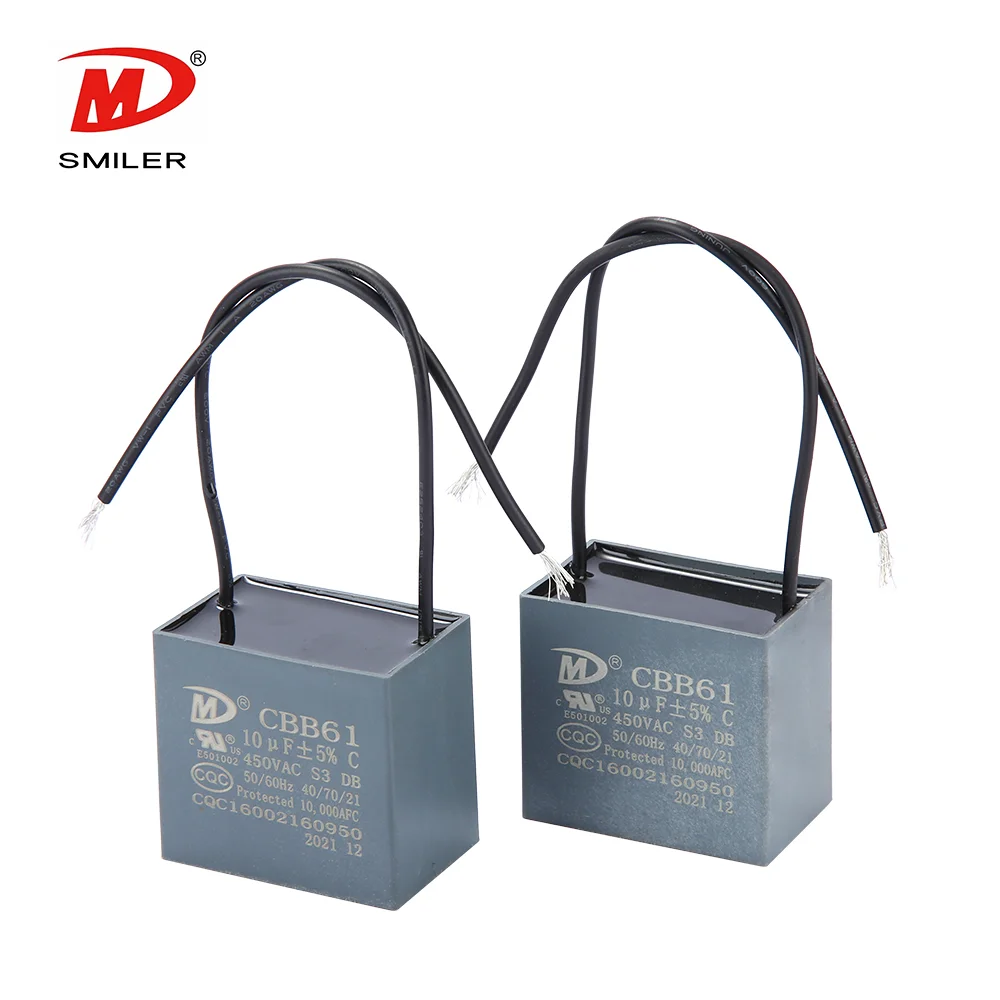
What Does a CBB61 Fan Capacitor Do? Exploring the Role of CBB61 Fan Capacitors
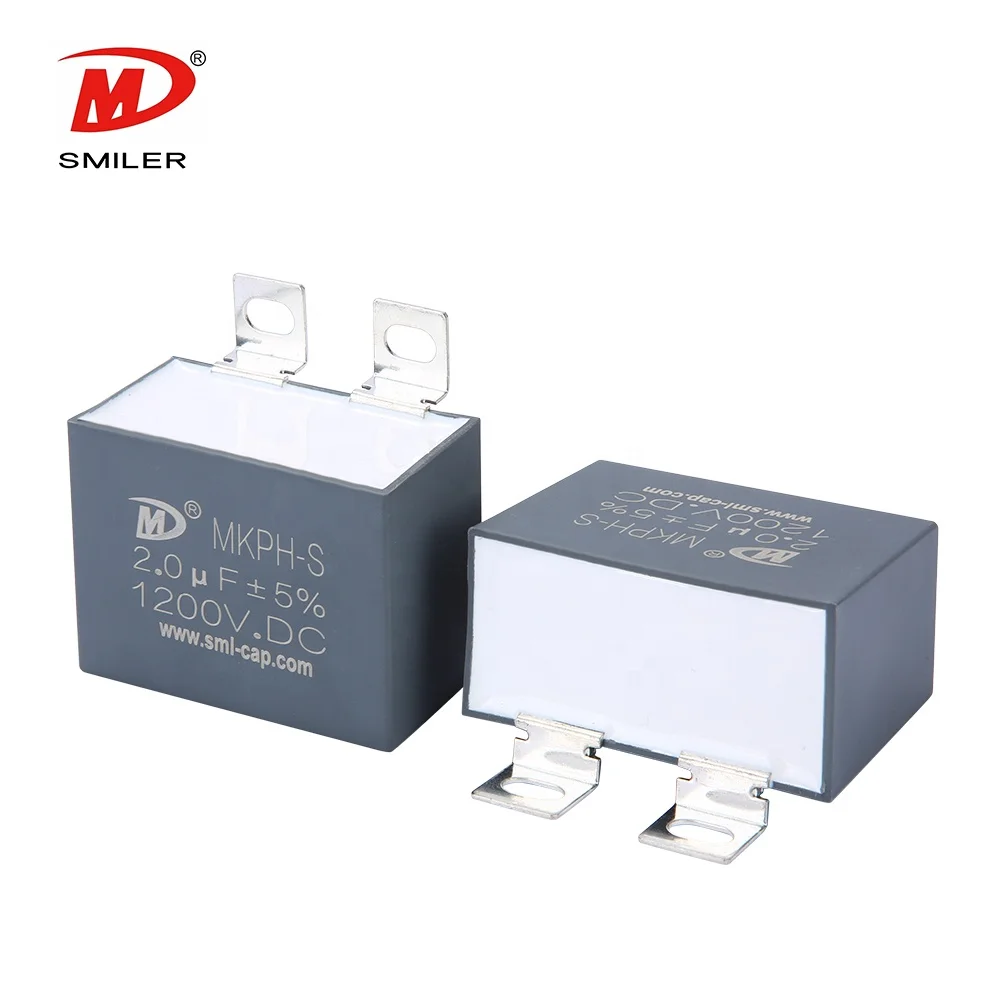
How Snubber Capacitor Impacts RC and RCD Snubber Performance

DC Link Capacitor Design: A Comprehensive Selection Guide
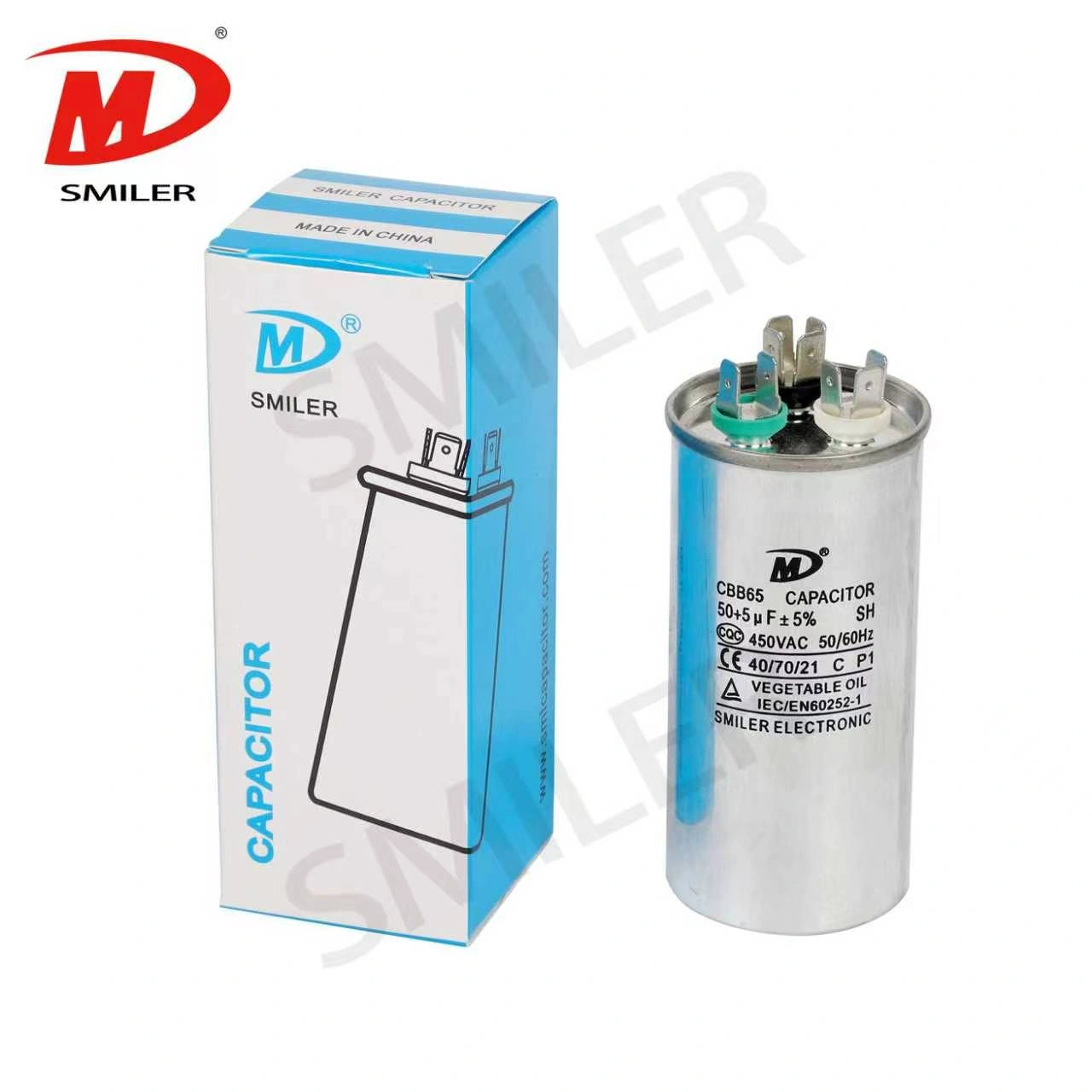
Why Is My Capacitor Leaking Oil? Causes and Solutions Explained
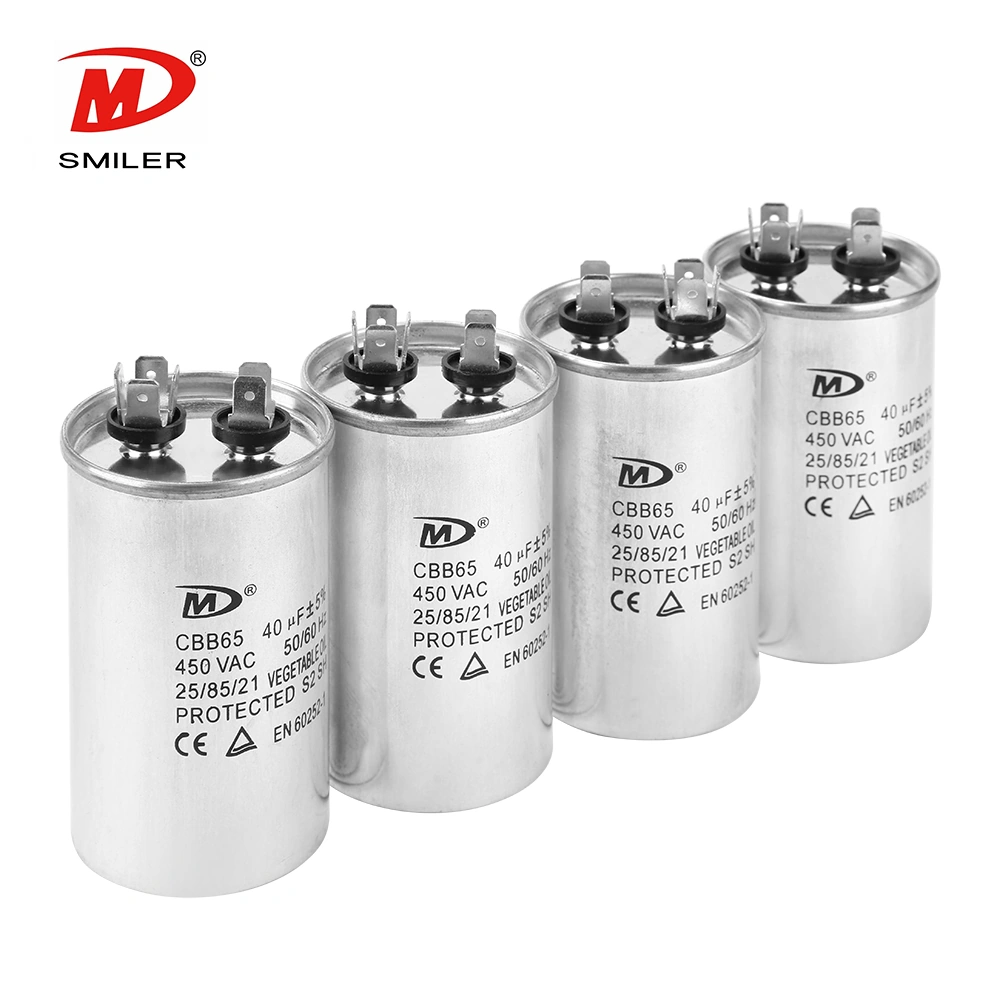
Capacitor Leaking Oil in HVAC: Quick Troubleshooting Guide 2026


 Add
Building 12,Huazhi Technology Innovation Center,28 Sanle East Road,Beijiao,Foshan,Guangdong,China
Add
Building 12,Huazhi Technology Innovation Center,28 Sanle East Road,Beijiao,Foshan,Guangdong,China
 Phone
+86 18007576965 / 0757-22391591
Phone
+86 18007576965 / 0757-22391591
 Email
ari@sml-cap.cn
Email
ari@sml-cap.cn



