

Finding a small pool of odd liquid near your factory equipment or air conditioning system serves as a strong alert. Usually, this signals a major part problem: a capacitor leaking oil. These devices deliver the first burst of power to get motors going. They also keep steady electricity flowing. If the inner insulating liquid gets out, it leads to unsafe conditions. Knowing the signs and understanding when to swap it out can help plant operators avoid high costs from further harm to other parts.
The clearest proof of a damaged capacitor shows up as a sticky, thick liquid gathering at the bottom of the device. This liquid is the insulating oil coming out through a broken airtight seal. Along with this leaking liquid, you often see the round metal cover pushing out, especially at the top by the connection points. Such bulging happens because short circuits inside create too much heat. This warmth makes the gases within grow until the cover bends. Moreover, if the oil leak has lasted a while, you will probably notice heavy rust and decay spreading over nearby support brackets and electric connections.
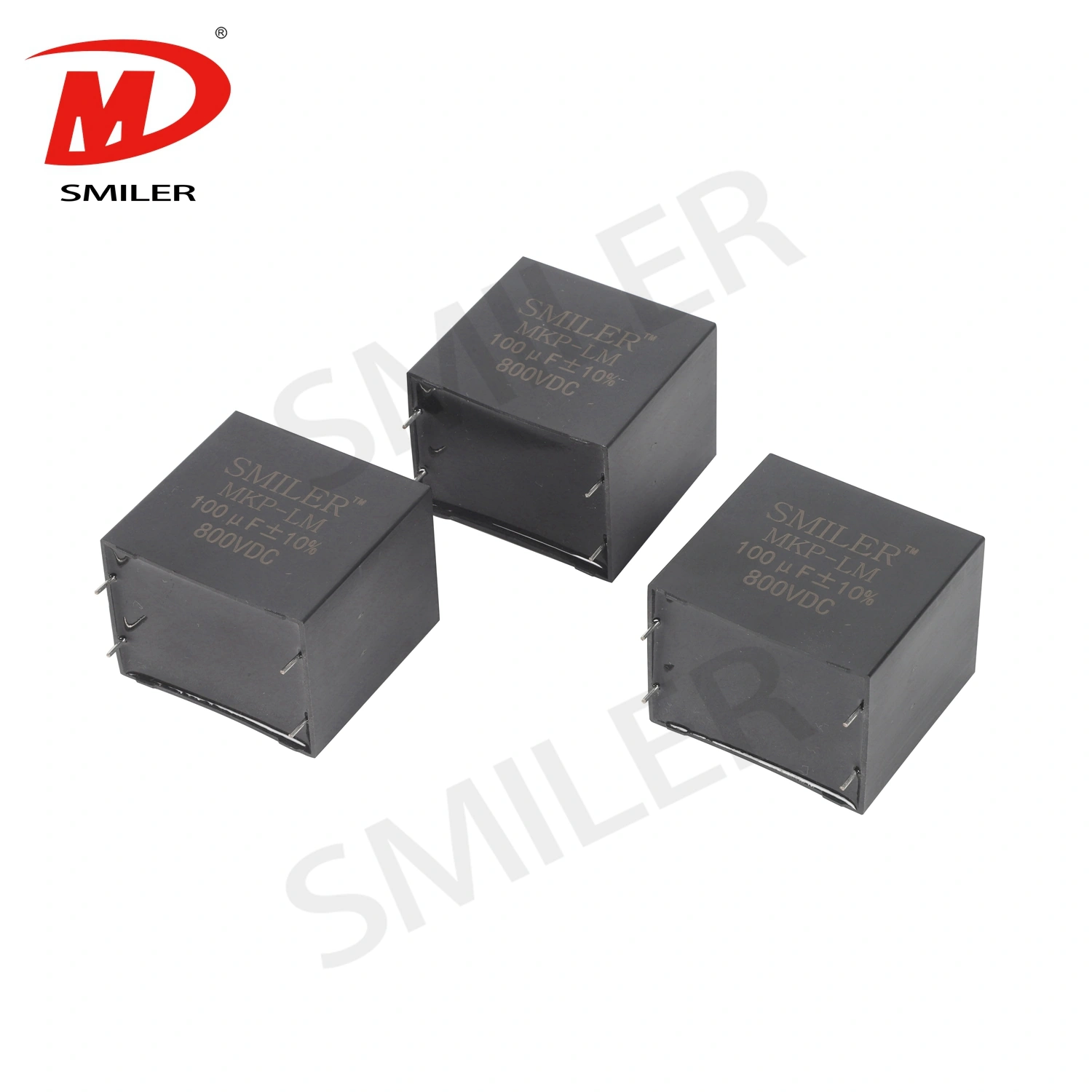
Your gear will give operational hints even before the oil leak appears visually. As the insulating liquid leaks, the capacitor cannot store enough electric charge anymore. This causes a big drop in its microfarad value. Consequently, the linked motor has trouble starting up. You will hear a clear, strong humming or buzzing noise, often called a "hard start." The equipment might try to begin, stop, and set off the heat protection switch many times. If your AC blower or factory belt motor needs a hand to get moving, then the working capacitor has failed totally.
A capacitor cannot fix itself. A leak means lasting damage inside. As the protective oil flows out, the metal layers within lose their shield. In time, the part will suffer a full breakdown of its insulation. This cuts off power to the fan motor, compressor, or main drive in heavy gear. As a result, operations stop suddenly and without warning.
The dielectric fluid inside older components is highly combustible when exposed to extreme heat and electrical arcing. When a unit loses oil, the lack of insulation causes severe overheating, leading to a dangerous condition known as thermal runaway. In this state, internal temperatures spike uncontrollably. Without proper built-in safety mechanisms, the mounting pressure and heat can cause the metallic shell to rupture violently, sending sparks and burning oil into the surrounding electrical cabinet and igniting a catastrophic fire.
While modern capacitors use relatively benign mineral oils or synthetic fluids, equipment manufactured several decades ago often contained Polychlorinated Biphenyls (PCBs). If you are dealing with a vintage motor and spot a capacitor leaking oil, handling the fluid poses severe health risks. Even in newer models, the escaping chemical compounds can cause skin irritation and respiratory distress if inhaled in poorly ventilated industrial spaces.
In cooling and air systems, the compressor depends fully on the even power adjustment from the capacitor. A weak capacitor sends uneven, low voltage to the compressor. Because of this, the compressor motor gets too warm and pulls in too much current. Such electric stress can destroy the compressor coils. Fixing a basic capacitor costs far less than the thousands needed for a wrecked factory compressor.
A compromised capacitor forces the entire electrical system to work harder to maintain baseline performance. Motors will draw higher sustained currents to compensate for the lack of starting torque, leading to significant voltage drops across the facility's power grid. This inefficiency directly translates to surging utility bills and unnecessary wear and tear on all parallel electronic devices sharing the same circuit.
Placed in spots without air flow or hit by direct hot weather, the inner oil swells past safe levels. Repeated heating and cooling wear down the rubber gaskets and metal body over time. Eventually, this pushes the liquid free.
Regular power changes harm the inner coated layer. When the voltage goes beyond its limit, sparks make tiny openings in the protection. This boils the insulating oil and creates gas buildup. Soon, the seal gives way.
Steady use breaks down the inner materials gradually. But early leaks usually come from low-grade buildings. Budget parts have slim metal shells and bad seals. These fail quickly under everyday factory demands.
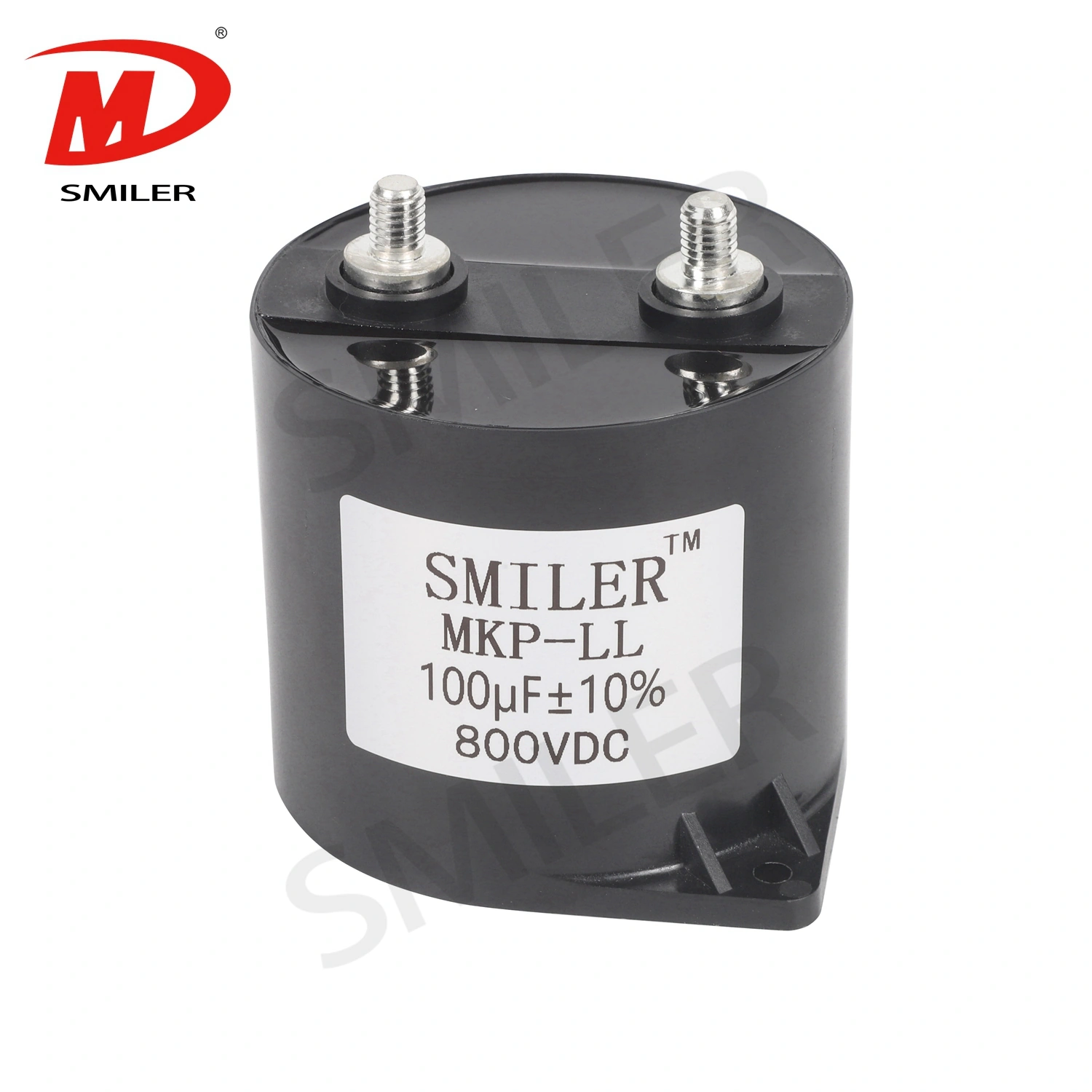
Under no circumstances should you attempt to seal, tape, or refill a capacitor leaking oil. The loss of fluid means the internal microfarad rating has already permanently shifted, and the dielectric insulation is compromised. Sealing the leak only traps expanding hazardous gases inside a weakened shell, dramatically increasing the risk of a violent explosion.
The right action is to replace it fully. An expert worker needs to release any held electricity, take out the risky part, wipe away the damaging leftover, and fit a matching new one. This brings back safe operation.
The top method to stop leaks is to remove the oil completely. Makers are moving to Dry-Type technology. It uses coated plastic film in a firm case packed with epoxy resin. A top SMILER capacitor with dry-type resin-filling technology offers no leak worry. It gives strong, lasting power in tough settings.
For uses needing metal cases, safety tools matter a lot. Seek a built-in blast-proof tool right at the top. A SMILER capacitor from the CBB65 Capacitor has a special setup. It cuts the inner link safely under high pressure. This stops case breaks and large oil releases.
A: Yes, it poses risks. The liquid can bother the skin. Older types might have harmful substances. Always use safety clothing. Never touch the ends, since the part can keep a deadly electric charge even after cutting power.
A: No, it cannot. Without enough liquid, the part fails to supply the needed voltage. Keeping the system on makes the compressor strain too much. This causes excess heat and lasting, costly harm.
A: Right away, switch off the main power at the breaker. Do not start the gear again. Call a skilled worker to release the part safely, clear the liquid, and put in a new one.
A: Early leaking often stems from strong power jumps, very high room heat, or using a cheap part with weak closures. Switching to a firm resin-packed SMILER capacitor can end this problem for good.
A: Yes. Lacking good help from the capacitor, the motor needs a huge rush of current to begin. This quick power pull overloads the line. The breaker trips to stop the electrical fires.
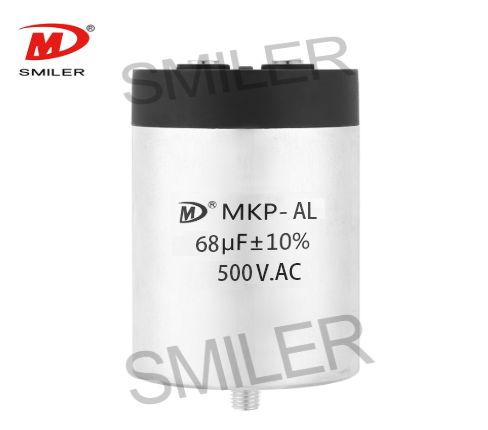
Exploring How AC Capacitors and DC Capacitors Function Differently
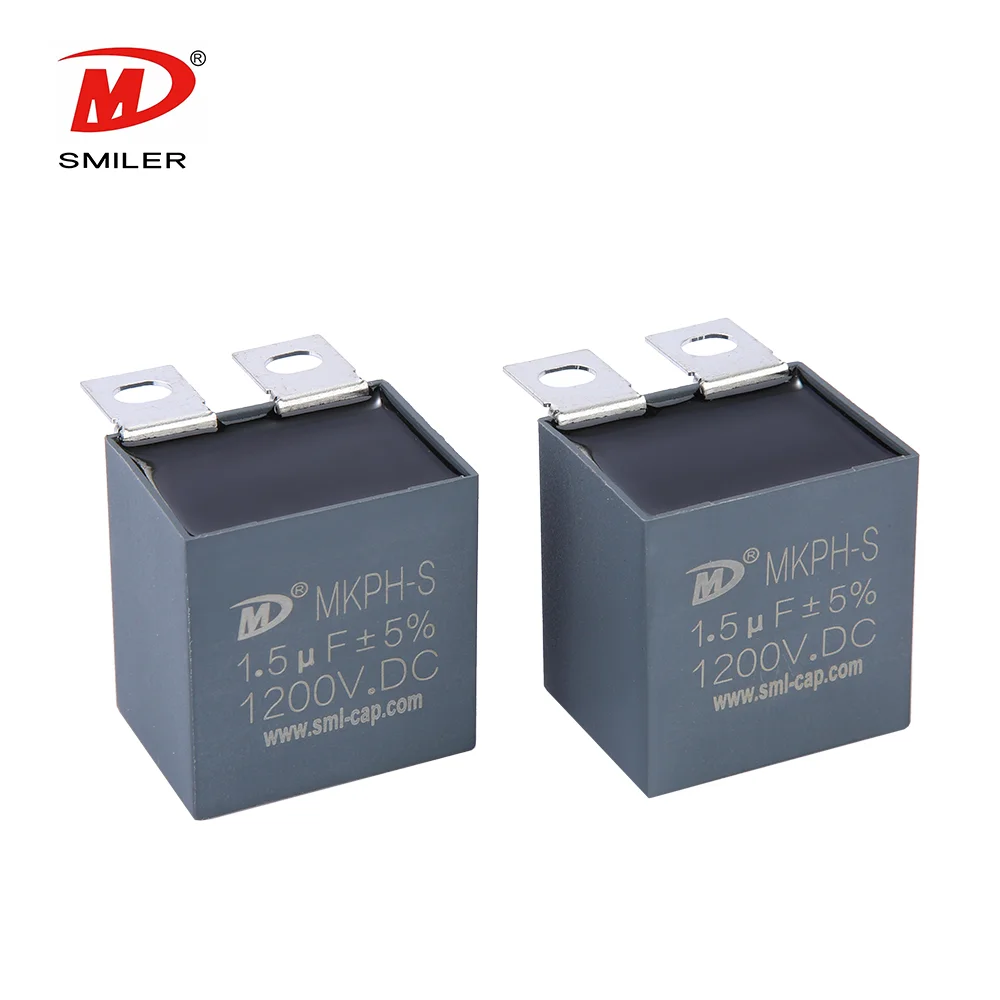
Understanding Snubber Capacitor: RC vs. RCD Snubber Differences
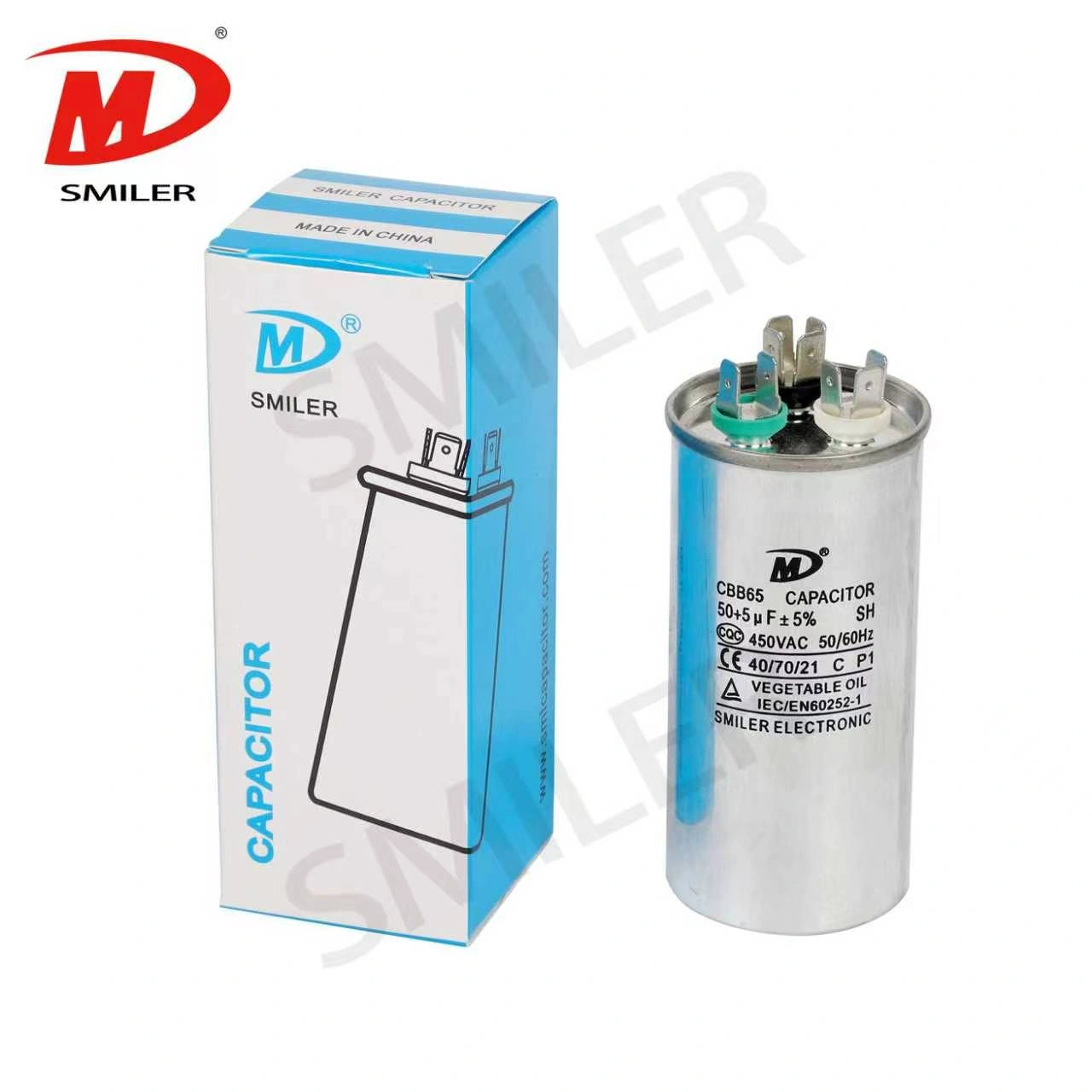
Why Is My Capacitor Leaking Oil? Causes and Solutions Explained
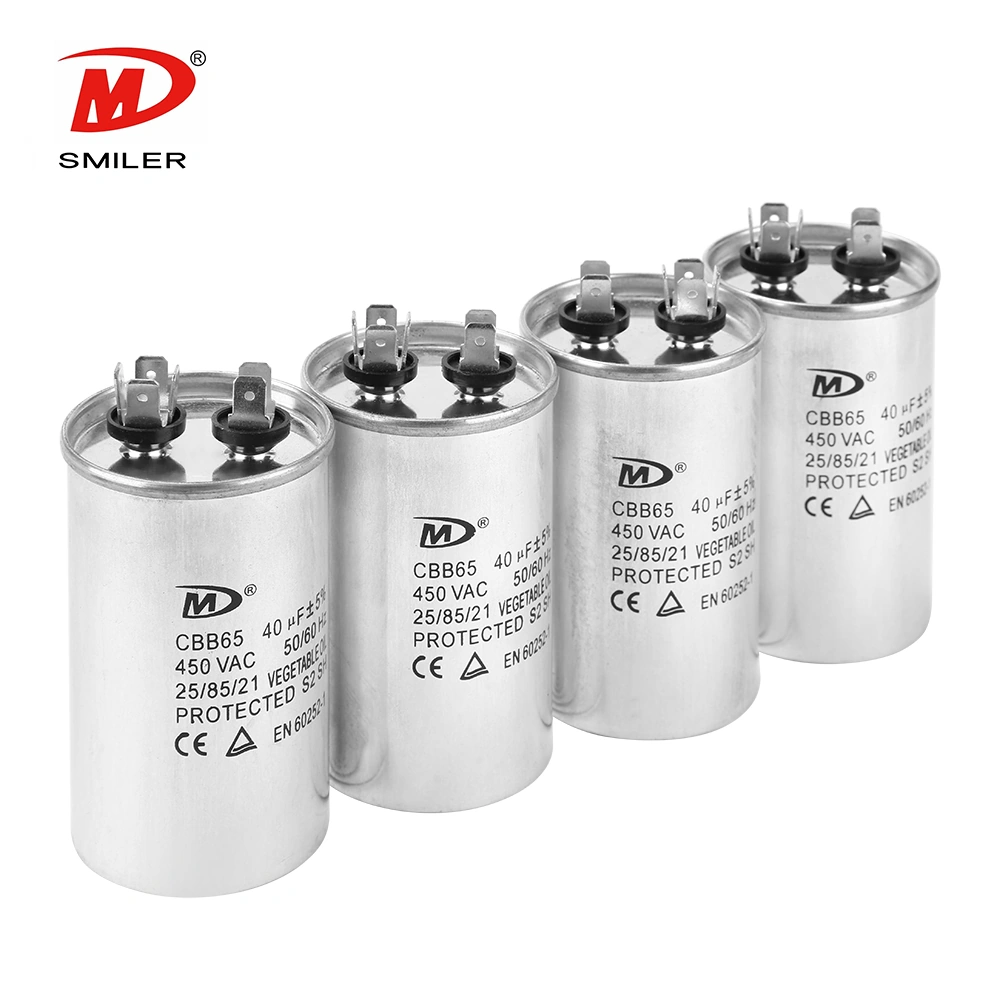
Capacitor Leaking Oil in HVAC: Quick Troubleshooting Guide 2026
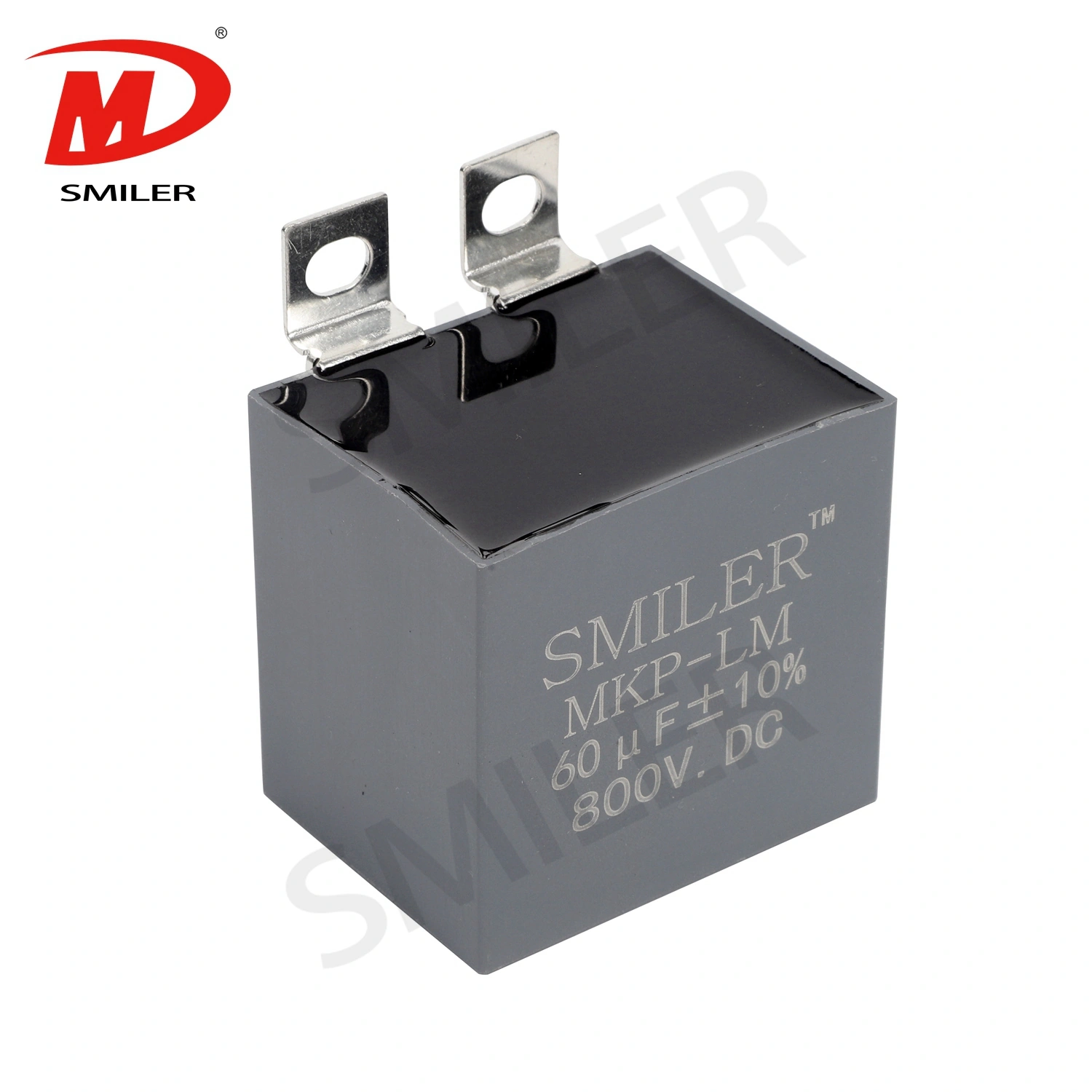
Capacitor Leaking Oil: Why It Happens and How to Fix It Fast


 Add
Building 12,Huazhi Technology Innovation Center,28 Sanle East Road,Beijiao,Foshan,Guangdong,China
Add
Building 12,Huazhi Technology Innovation Center,28 Sanle East Road,Beijiao,Foshan,Guangdong,China
 Phone
+86 18007576965 / 0757-22391591
Phone
+86 18007576965 / 0757-22391591
 Email
ari@sml-cap.cn
Email
ari@sml-cap.cn



