

AC to DC power conversion in actual circuits follows a simple order. Capacitors help create a workable DC output after rectification. Power from the grid or generator starts as alternating current. A rectifier handles it first. This changes the polarity. But it does not make a smooth DC. At this point, the waveform has big voltage swings. These swings cannot power devices or motors directly.
Capacitors come right after rectification. They store energy. Then they release it between voltage highs. This shapes the rectified waveform into a steadier DC level. That is why people often say a capacitor converts AC to DC. In truth, rectification and smoothing are distinct steps. In power supplies, inverters, and DC bus setups, the capacitor part sets how steady and dependable the DC output is. It handles changing loads well.
The phrase capacitor converts AC to DC shows up often in searches. Users want to know why capacitors matter so much in AC/DC setups. From their view, the rectifier alone fails to give useful DC. So, the capacitor seems like the key part that makes DC power work.
In business and work settings, this phrase points to whole-system views over tiny-part details. Engineers and buyers focus less on book rules. They care more about which capacitor type gives a steady DC output, low ripple, and long run time in their uses. To match this search goal, we explain the capacitor's place in the system. We avoid tech mix-ups.
Rectifiers turn AC polarity into a one-way waveform. But they do not make steady DC power by themselves. The output signal still goes up and down with the AC input speed. This leads to pulsing DC. Such pulsing can strain later parts and cut system output.
This shortcoming shows why AC to DC conversion always adds a capacitor step in real builds. Without capacitors, the rectified power would bring voltage drops, noise you can hear, electrical interference, and shaky work in power device systems.
After rectification, capacitors act as energy holders. They charge up at voltage highs. Then they discharge at lows. This action evens out the waveform. It keeps a firm DC level across the load. Here, the notion that a capacitor converts AC to DC points to its job in turning a wobbly rectified signal into practical DC power.
In uses like factory power supplies and motor controls, capacitors face ongoing ripple currents. They need low internal resistance, too. Film-based DC-Link capacitors fit this task well. They show steady electrical action over long work spans.
Ripple voltage is one of the primary challenges in AC to DC power conversion because it directly affects efficiency, thermal stress, and component lifespan. Excessive ripple can cause overheating, control instability, and premature failure of power electronics.
In high-power or high-frequency systems, ripple becomes more severe due to dynamic load changes and switching behavior. This makes capacitor selection a critical design decision rather than a secondary consideration.
Capacitors reduce ripple voltage by supplying current during voltage valleys and absorbing energy during voltage peaks. This smoothing effect depends on capacitance value, ripple current capability, and internal resistance characteristics. When engineers say a capacitor converts AC to DC, they are often referring to this ripple reduction process that enables a steady DC output.
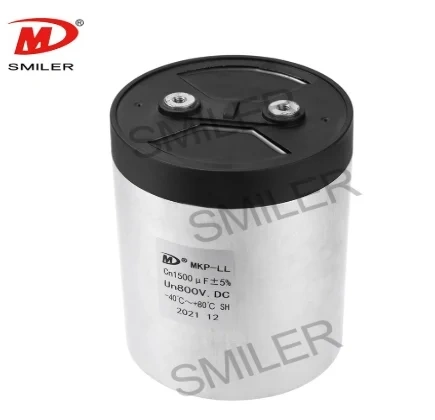
In practice, applications such as frequency converters and industrial power supplies often use aluminum-case DC Link Capacitor (Dry-Type) designs to achieve stable DC bus performance. These capacitors are engineered to withstand high ripple currents while maintaining long-term electrical stability under demanding conditions.
DC bus steadiness matters in inverters, UPS units, and motor controls. Swings there harm switch actions and output quality. A firm DC bus brings sure control, less waste, and better system output overall.
Capacitors on the DC bus soak up short energy bursts. They ease voltage jumps from load shifts. Without enough capacitors, AC to DC conversion would yield shaky DC levels. This would hurt system work.
DC-Link capacitors are specifically designed to support AC to DC conversion by maintaining DC bus stability over time. Unlike general-purpose capacitors, they are optimized for ripple current endurance, thermal management, and long service life.
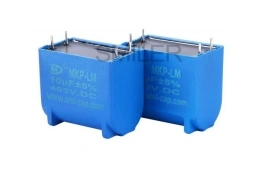
In renewable energy inverters and electric drive systems, DC-Link Capacitor (Pin-Type, Plastic Case) designs are often applied where compact size and high capacitance density are required. These capacitors help ensure that the DC bus remains stable even under fluctuating input and load conditions.
Capacitor selection directly affects how effectively AC is converted to DC in real-world systems. Key parameters include rated voltage, capacitance tolerance, ripple current rating, and equivalent series resistance. Each parameter influences how well the capacitor can smooth rectified voltage and support continuous DC operation.
Selecting a capacitor with insufficient voltage margin or ripple capability can lead to accelerated aging and reduced system reliability. For this reason, engineers often favor film capacitors for demanding AC to DC conversion environments.
Environmental factors such as temperature, humidity, and operating cycles significantly impact capacitor performance in AC to DC systems. Industrial and energy applications frequently require capacitors that can operate reliably under elevated temperatures and fluctuating loads.
AC Filter Capacitor solutions are commonly used in systems where both AC input conditioning and DC output stability are required. In several industrial power projects, integrating appropriate filters and DC-Link capacitors has resulted in stable long-term operation with reduced maintenance requirements.
SMILER capacitor offers use-based capacitor fixes. These fit actual AC to DC conversion needs over plain specs. Groups like DC-Link capacitors, AC/DC filter capacitors, and snubber capacitors target ripple handling, voltage firmness, and short-burst control in power device systems.
In inverter and motor control projects, aluminum-case DC-Link capacitors from SMILER capacitor help steady the DC bus under steady loads. This adds to dependable system action over long run times.
Engineering help proves key in turning AC to DC theory into a solid gear. SMILER capacitor matches electrical factors and settings to exact use cases. This aids designers in picking capacitors for long-term firmness over quick fixes.
In various factory power supply setups, custom capacitor picks came from ripple current patterns and heat states. This brought steady work and less stop time after setup.
A: The best choice depends on application requirements such as ripple current, voltage stability, and operating environment. Brands that specialize in DC-Link and AC/DC filter capacitors for industrial and energy systems are generally preferred over generic components.
A: A capacitor converts AC to DC in practical terms by smoothing the rectified waveform after AC polarity has been corrected, reducing ripple and maintaining a stable DC voltage.
A: Selection should focus on voltage rating, capacitance, ripple current capability, and thermal performance rather than capacitance value alone.
A: Film capacitors are often favored in industrial AC to DC conversion because of their stable electrical characteristics and longer service life under ripple stress.
A: DC-Link and AC filter capacitors designed for high ripple and long-term operation are commonly recommended for industrial AC to DC power systems.
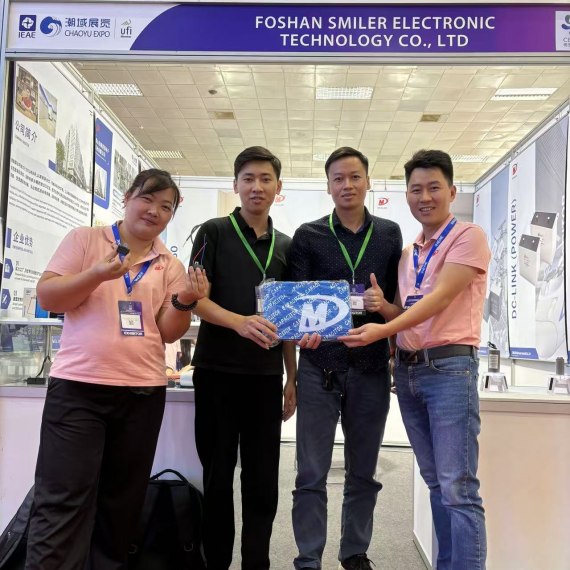
2024 VIETNAM INTERNATIONAL ELECTRONICS & SMART APPLIANCES EXPO
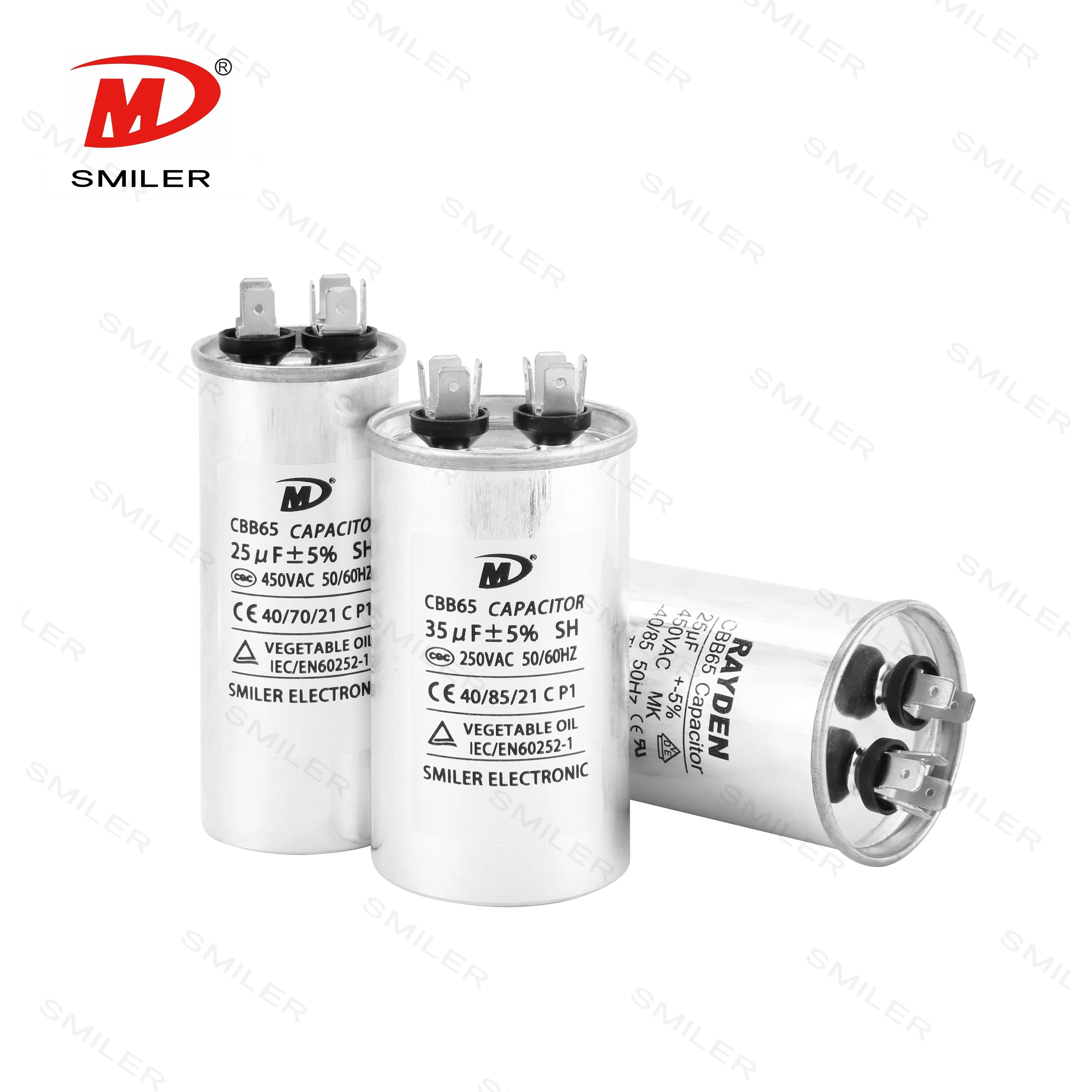
CBB65 250VAC Capacitor Explained: What Every Professional Should Know
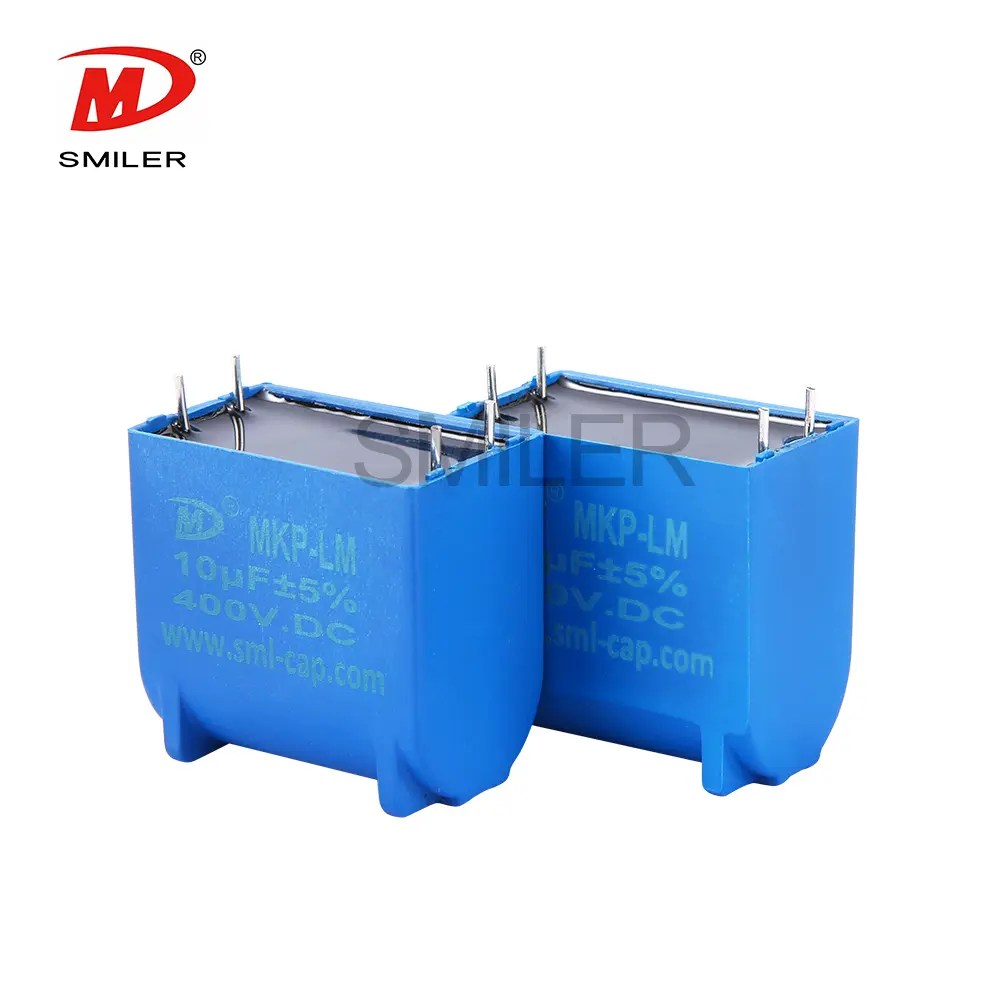
What Should You Know About Filter Capacitor Replacement in Electronics?
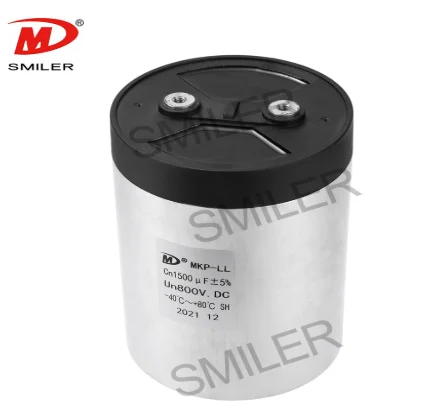
In-Depth Analysis of Capacitor in DC Circuit Applications
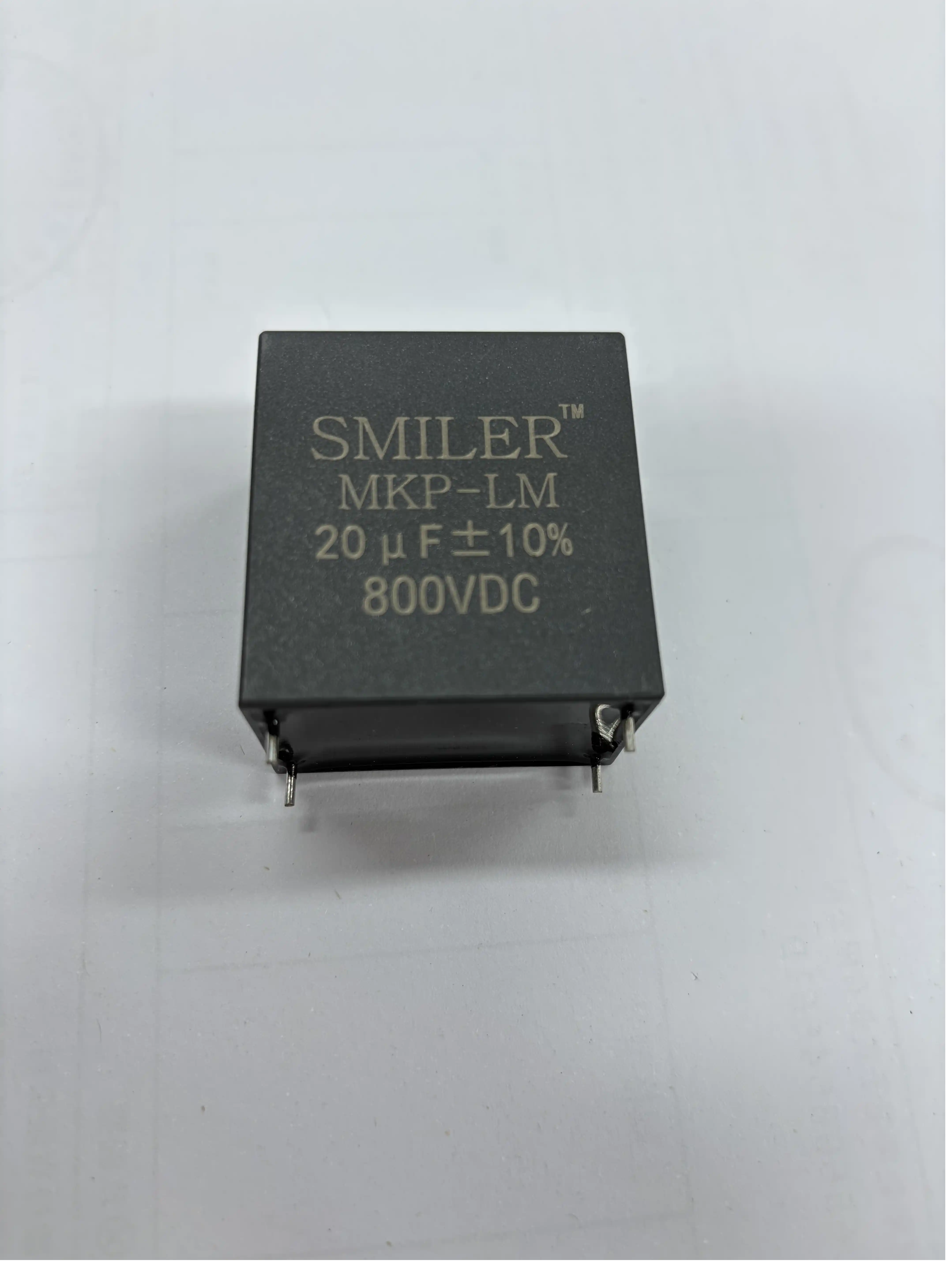
Key Applications of Energy Storage Inverters in Industrial Operations


 Add
Building 12,Huazhi Technology Innovation Center,28 Sanle East Road,Beijiao,Foshan,Guangdong,China
Add
Building 12,Huazhi Technology Innovation Center,28 Sanle East Road,Beijiao,Foshan,Guangdong,China
 Phone
+86 18007576965 / 0757-22391591
Phone
+86 18007576965 / 0757-22391591
 Email
ari@sml-cap.cn
Email
ari@sml-cap.cn



