

When a fan has trouble reaching full speed or makes an odd humming sound, the cause is rarely a broken motor. Most times, the problem comes from incorrect ceiling fan capacitor values. Picking the right uF helps bring back proper performance, stops motor damage, and keeps electrical safety in place.
A capacitor stores energy in a small space. It gives the motor the quick push needed to move the blades. This part works as a key motor start and run aid. It shifts the power phase so the magnetic field turns smoothly in the stator. Without it, the motor only hums and stays still.
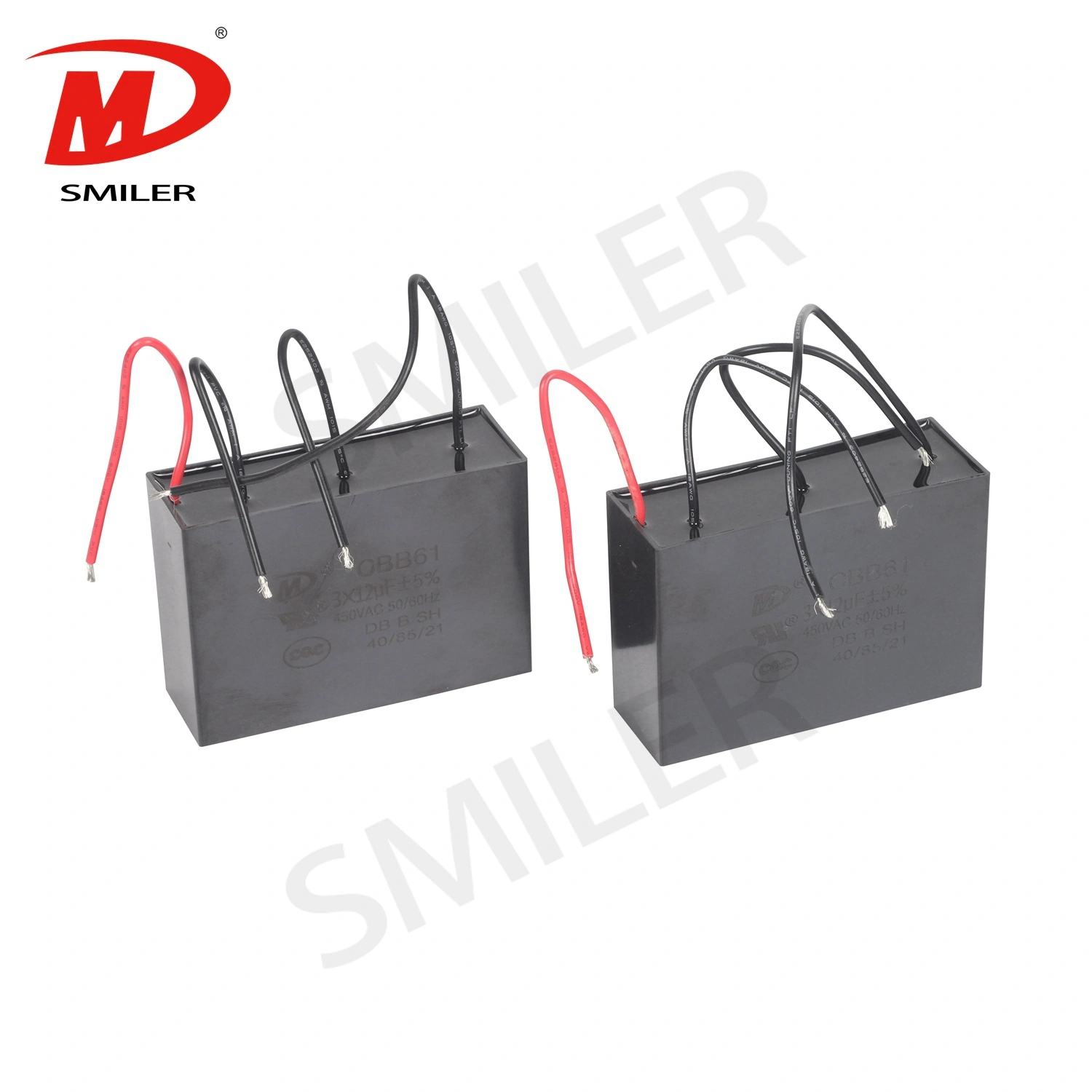
The microfarad rating sets how much current reaches the extra windings. The correct uF values give the right torque at startup and keep steady rotation. This balance stops wobbles, loud hums, and loss of speed during long runs.
The letters uF (or µF) mean microfarad. This is the standard unit for capacitance. To find your fan's needs, check the label on the old capacitor case. It often shows a number with uF, such as "2.5uF", "4.5uF", or a group like "4.5uF+5uF+6uF".
Next to the microfarad rating, you see a voltage limit such as 250VAC or 450VAC. There is also a tolerance like ±5% and a frequency of 50/60Hz. These numbers show the safe limits for the part. A unit that cannot handle local voltage will fail fast.
Most home fans use typical uF ranges from 1.5µF to 4µF. These values supply enough power for light to medium blades in normal rooms.
Heavy industrial fans or outdoor models move more air. They need extra torque. This means they often require a higher capacitor uF value to start and run without strain on the motor.
Fans with pull chains use block-style units. These hold multiple capacitor values in one case. The different values lower the voltage step by step. This lets users change speeds from low to high with ease.
Never guess with electrical parts. Take out the old unit and read its label. Or check the original fan manual for the exact value the maker set.
The microfarad number must stay exact. You must match the uF value of the first part. Even a small change can shift the motor's magnetic phase and hurt performance.
Voltage acts as a limit, not a fixed match. You can use a replacement capacitor with a higher suitable voltage rating. This gives extra safety against power spikes and does not change fan speed.
A uF value that is too low leaves the motor short on power. The fan may not start by itself. It spins slowly, even on high, and moves little air.
A uF value that is too high pushes too much current into the windings. The motor gets very hot, shakes, and can burn out the copper inside.
Clear signs of a wrong uF capacitor value include a strong buzz when power comes on. The motor case gets too hot to touch in minutes. Blades may also change speed without warning.
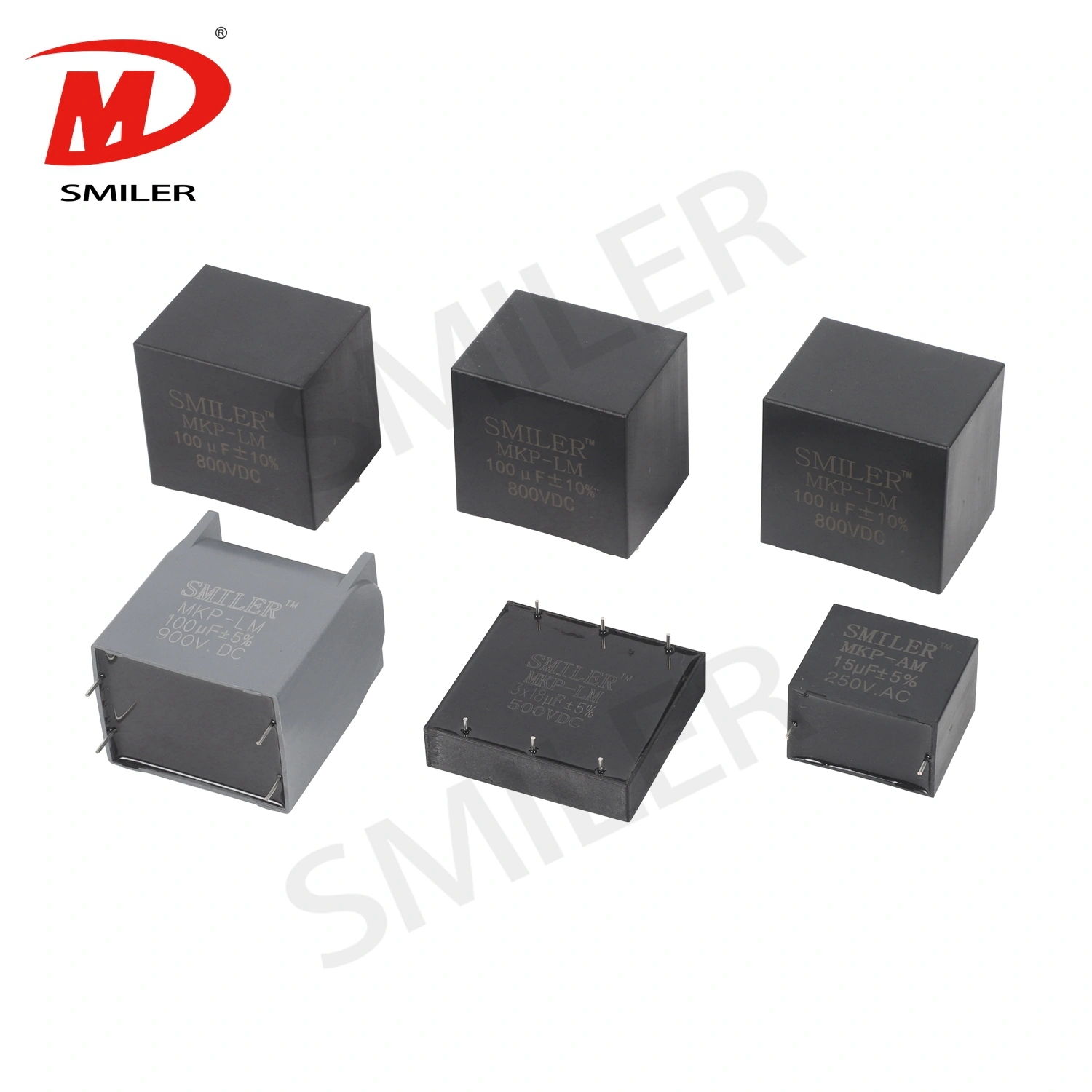
For most home fans, a simple replacement with the same specs restores normal use safely. It avoids any risk of imbalance.
In shops or areas with unstable power, a part with self-healing film helps. Better internal build lowers heat and adds years to the fan's life.
Makers and bulk buyers want steady motor parts. SMILER capacitor draws on more than 15 years of experience to make film capacitors. The pass rate stays above 99.93%. These parts offer strong self-healing, low ESR, and automated builds. They give exact microfarad ratings and work from -40°C to 85°C in home or heavy fans.
Size and color can differ between batches. Never pick by looks alone. Always use the printed capacitor label specs for the right match.
Wholesale buyers must confirm the microfarad rating, tolerance, and mount style before large orders. This keeps the assembly smooth on the line.
Using one trusted maker with automated lines cuts performance gaps. Every fan then runs quietly and safely, which protects brand trust.
A: Most home fans use a microfarad rating between 1.5µF and 4µF. Still, read the old part's label to confirm the exact value made for that motor.
A: No. A higher uF value is not a safe way to gain speed. It sends too much current through the windings and causes heat, noise, and motor failure.
A: Common signs that a fan needs a new start and run capacitor are slow blades on high speed, a steady hum with power on, or the need to push the blades by hand to start.
A: The uF value must match exactly. Voltage does not. A replacement capacitor with a higher suitable voltage rating is safe and often better because it handles surges well.
A: The wrong uF capacitor value breaks the motor's magnetic balance. Too low a value means weak start torque. Too high a value leads to heat, odd running, and full motor failure.
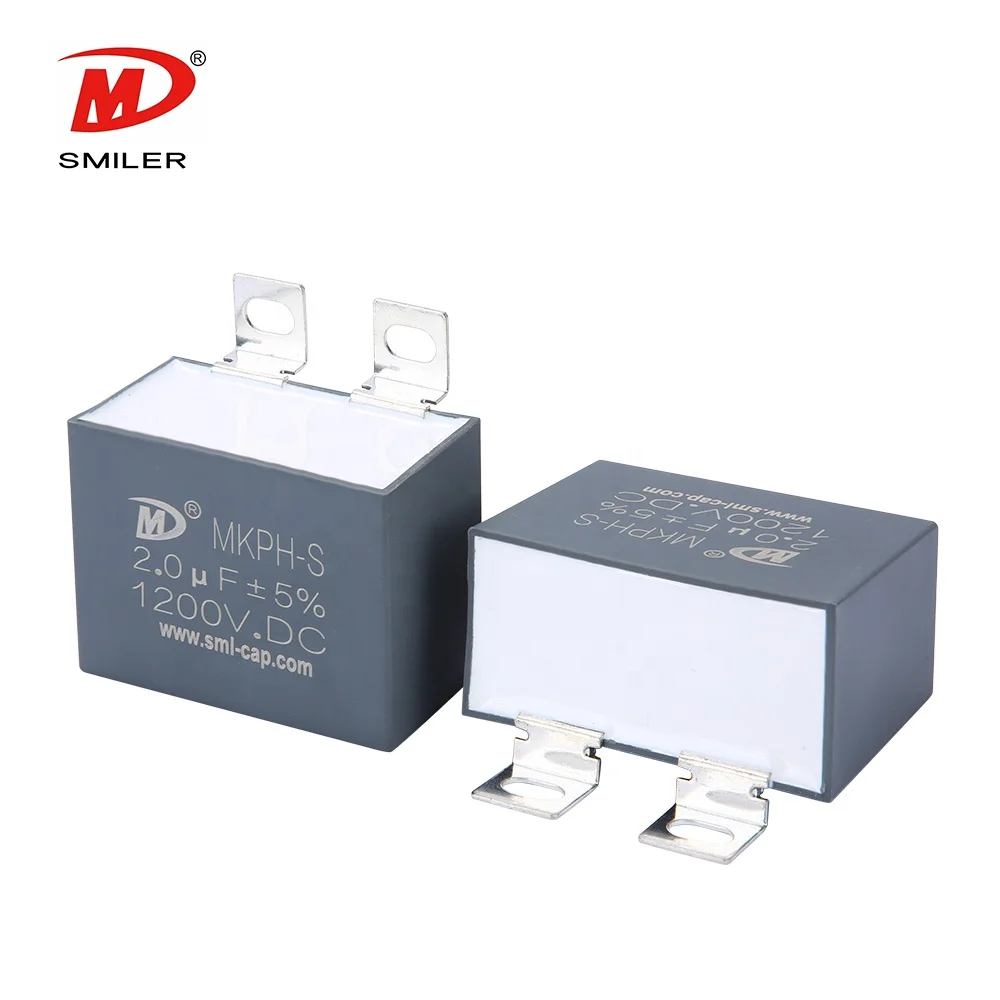
SMILER's Guide to Selecting the Right Snubber Capacitor Type
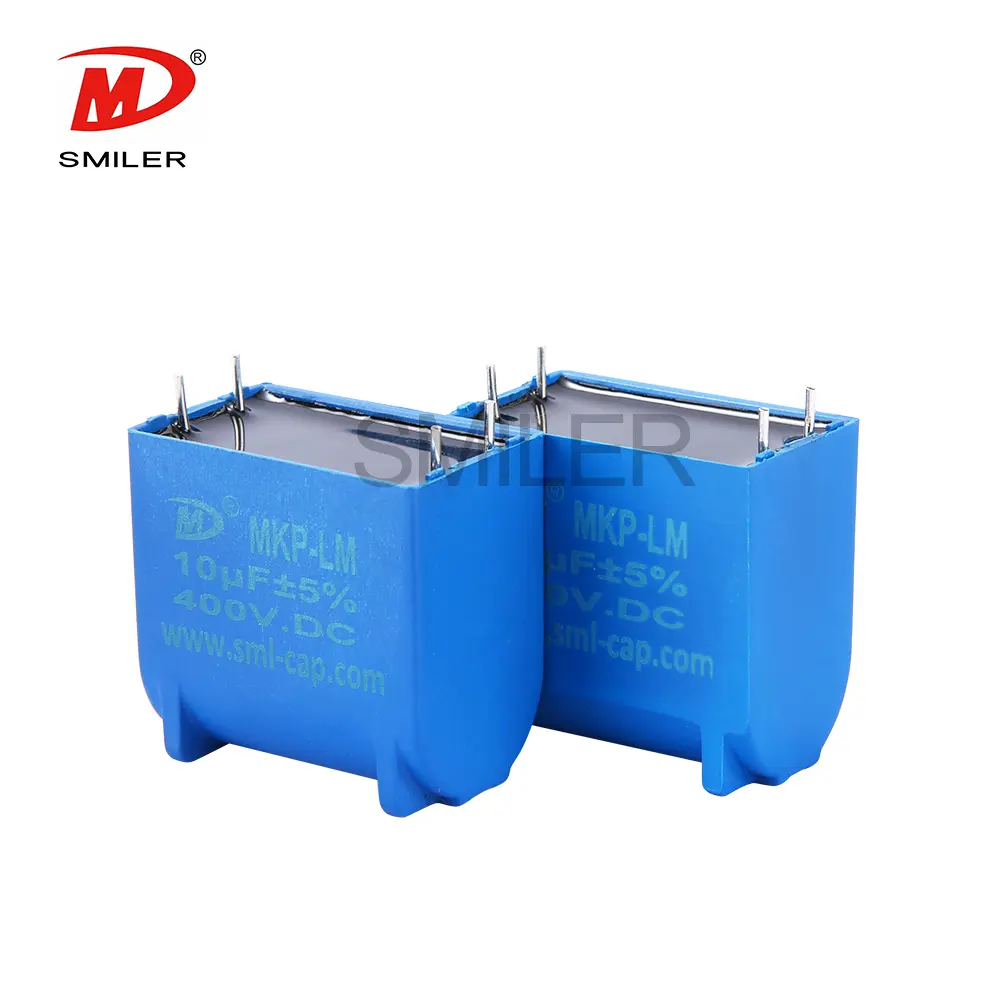
Choosing the Right Filter Capacitor for Induction Cooker: An In-Depth Guide
How to Choose the Right Filter Capacitor Types for Your Circuit
Choosing the Right Capacitance for DC Power Supplies
How to Select the Right Capacitor for an AC-DC Power Supply


 Add
Building 12,Huazhi Technology Innovation Center,28 Sanle East Road,Beijiao,Foshan,Guangdong,China
Add
Building 12,Huazhi Technology Innovation Center,28 Sanle East Road,Beijiao,Foshan,Guangdong,China
 Phone
+86 18007576965 / 0757-22391591
Phone
+86 18007576965 / 0757-22391591
 Email
ari@sml-cap.cn
Email
ari@sml-cap.cn



